
510 battery development for growing brands
Custom Push-Button 510 Battery
Start with a published AOVAPE 510 battery platform, then customize the controls, voltage behavior, finish, branding and packaging for your cartridge system and target market.
Control You Can Specify, Hardware You Can Test
A push-button 510 battery gives buyers direct control over activation, locking, voltage selection and preheat. The correct configuration still depends on cartridge diameter, length, resistance, oil viscosity, airflow, battery capacity and charging architecture. AOVAPE reviews these inputs before confirming the platform and sample plan.
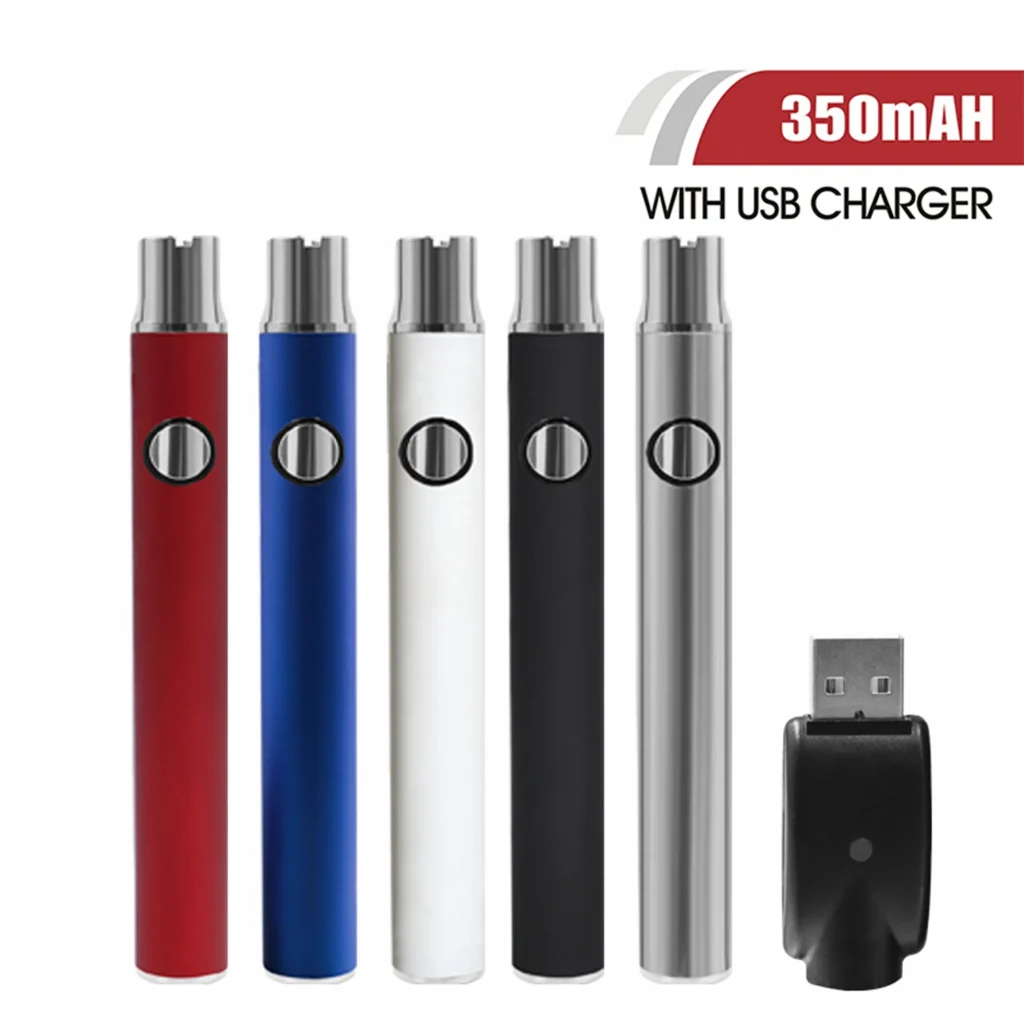
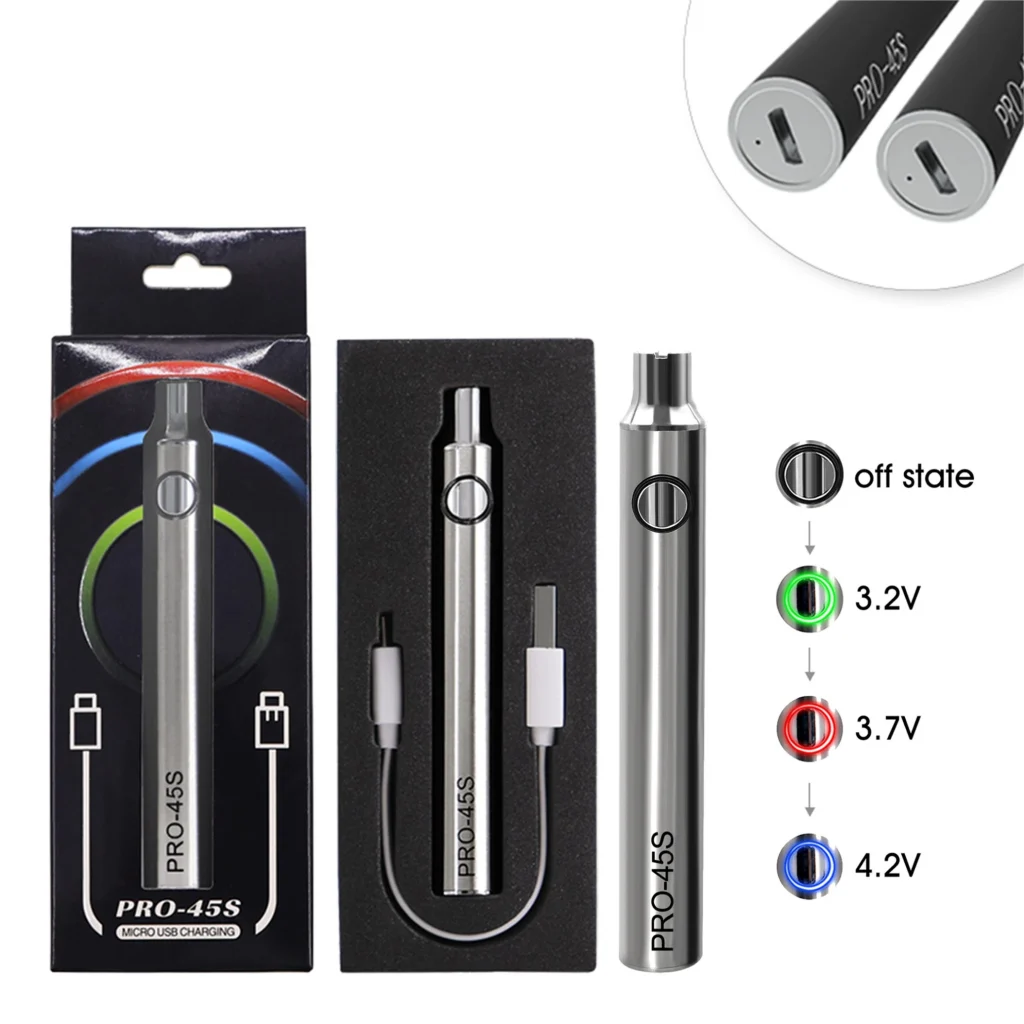
Published Starting Platforms

Two Development Routes
Customize an Existing Platform
Use published and currently available hardware as the starting point. Depending on the model, changes can include logo, Pantone color, surface finish, packaging and selected control or indicator behavior.
Engineer a New 510 Battery
When the required structure or function cannot be achieved on an existing platform, AOVAPE can support industrial design, mechanics, electronics, prototypes and dedicated tooling under an NDA.
Configuration Decisions
| Decision | Options reviewed | Why it matters |
|---|---|---|
| Button logic | On/off sequence, activation, voltage change and preheat | Defines the daily user interaction and accidental-activation protection |
| Power behavior | Fixed or selected variable-voltage settings | Must be matched to the target cartridge and oil |
| Cartridge fit | Thread position, diameter, length and airflow clearance | Prevents physical fit, electrical contact and airflow problems |
| Charging | USB-C or platform-supported charging architecture | Affects the housing, PCB, test scope and buyer expectations |
| Indicators | LED color, battery status and mode feedback where supported | Makes the selected mode and device status understandable |
| Brand system | Color, coating, texture, logo, artwork and packaging | Turns a reference platform into a coherent retail product |
What to Send for a Useful Quotation
- Target cartridge diameter, length, resistance and oil type
- Required button sequence, voltage settings, preheat and charging method
- Expected battery capacity or dimensional limit
- Target market, quantity, cost range and launch date
- Logo, Pantone colors, finish direction and packaging needs
Sample and Production Path
- Compatibility review: match the cartridge and required controls to a suitable reference platform.
- Written specification: confirm fit, voltage, button logic, charging, finish, branding and packaging.
- Sample validation: review assembly, electrical contact, charging, output, controls and appearance.
- Golden sample: approve the physical reference and production inspection criteria.
- Pilot and production: complete agreed in-process and final checks before repeat manufacturing.
MOQ Guidance
Published stock samples can commonly start from 10 pieces, subject to availability. OEM starts at 1,000 units per color. ODM starts at 3,000 units total, with a minimum of 1,000 units per color.
Push-Button 510 Battery FAQ
Can the voltage settings be changed?
Possibly, depending on the selected PCB and platform. AOVAPE confirms the supported settings after reviewing the cartridge, oil and required user experience.
Can preheat and button sequences be customized?
Selected behavior may be configurable on an existing platform; deeper changes can require PCB development. The confirmed scope is stated before sampling.
Can a small brand start with samples?
Yes. AOVAPE can first identify an available reference platform for evaluation before the branded or custom specification is finalized.
Will AOVAPE sign an NDA?
Yes. NDA, tooling-use and design-ownership terms can be agreed before confidential drawings or original product details are shared.
Compare Published 510 Battery Specifications
Use these catalog specifications to shortlist samples. Confirm charger type, final dimensions and electrical behavior on the exact configuration ordered.
| Platform | Published voltage | Battery capacity | Cartridge fit or sample check |
|---|---|---|---|
| Vertex | 3.4 / 3.7 / 4.0 V | 350 / 650 / 900 / 1,100 mAh options | Confirm selected body size, cartridge contact and threaded USB charger. |
| Law | 3.4 / 3.7 / 4.0 V | 1,650 mAh | Confirm cartridge seating, electrical contact and configuration on sample. |
| AOVAPE Slim 510 | Variable; steps to confirm | 650 mAh | Catalog lists 1 mL and 2 mL; check the exact cartridge body and pin. |
Sample acceptance checklist
- Log battery and cartridge model, sample revision, dimensions and resistance.
- Verify clearances, thread engagement, center-pin contact and airflow.
- Confirm activation, cutoff, preheat and voltage under the intended load.
- Record results by configuration and approve a reference sample before production.
What to send for a 510 cartridge fit review
Submit the battery and cartridge model or drawing revision, cartridge capacity and outer dimensions, thread and center-pin geometry, coil resistance, airflow path, and desired activation and output settings. Include the target order quantity and destination market.
Use the same battery and cartridge versions for sample approval and production. Record the sample IDs, test date, cartridge fit, electrical contact, activation, voltage under load, preheat and cutoff behavior. Define the acceptance limits with your engineering team before testing.
Submit a 510 compatibility brief · Review project and quality documentation
Specify a Better 510 Battery
Send the cartridge dimensions, required button behavior, quantity and launch date. AOVAPE will identify the closest public platform and explain what needs custom engineering.