From a product and hardware perspective, 510 batteries are interesting because they combine a relatively simple external interface with a surprisingly wide range of internal design differences. Two batteries may share the same thread standard, yet perform very differently depending on voltage control, battery capacity, activation method, airflow layout, charging design, and safety protections.
This article does not focus on promotional claims or buyer conversion. Instead, it explains 510 battery hardware from a neutral product perspective, including how the standard works, which internal components matter most, how voltage affects system behavior, and what design factors influence long-term reliability.
For broader category context, readers can also review AOVAPE’s 510 thread battery page, the wider portable vaporizer section, and related technical articles on the AOVAPE blog.
⚙️ 1. What Are 510 Batteries?
🔍 A 510 battery is a rechargeable power unit designed to connect with compatible hardware through a standardized 510-threaded connector. This standard is widely recognized because it allows the battery to work with a broad range of compatible attachments across the category.
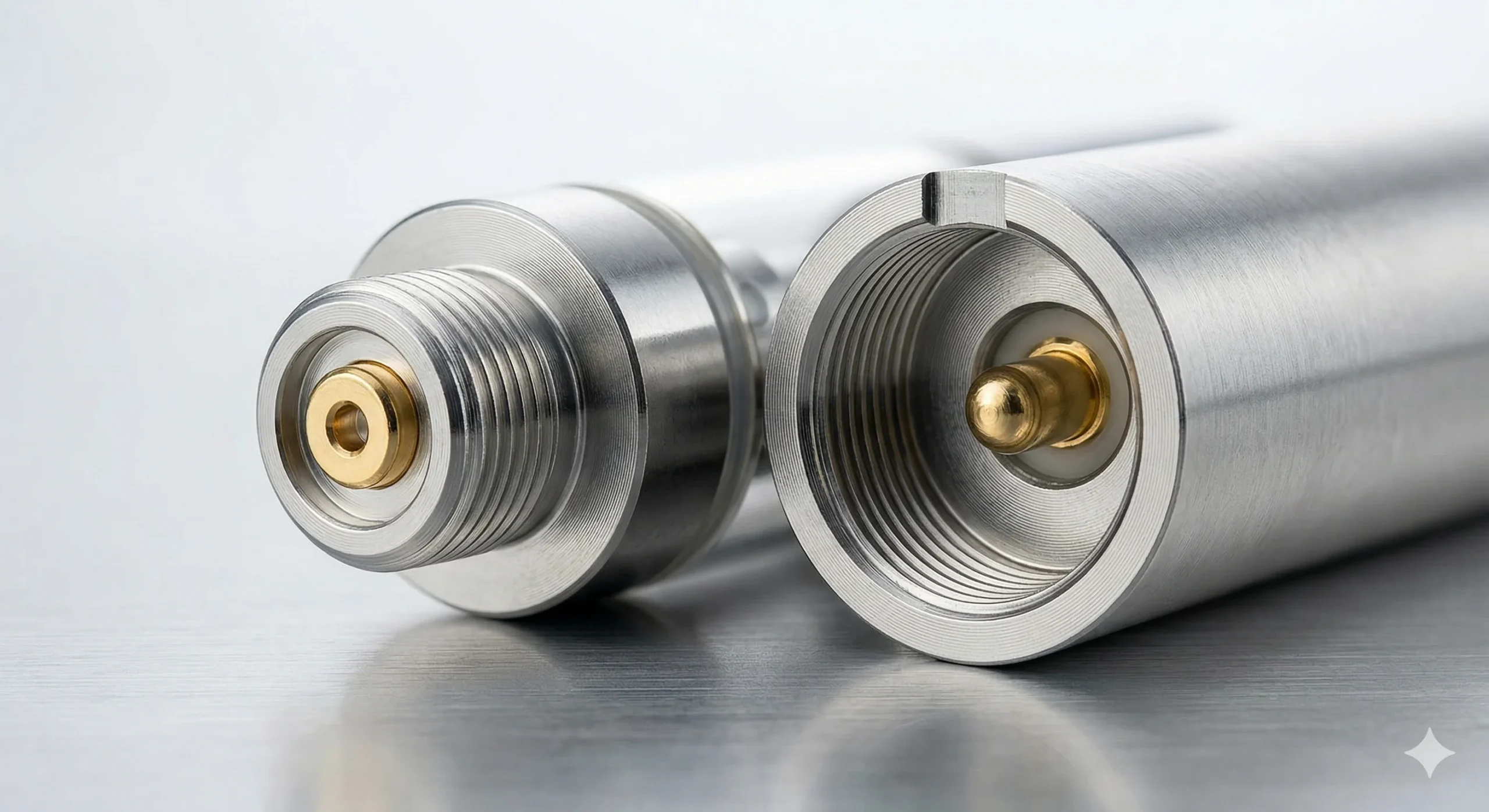
- 🔩 Standard threaded connector format
- 🔋 Rechargeable power source
- ⚡ Often supports multiple output levels or modes
- 🔌 Usually includes USB or USB-C charging in modern designs
Although the outer concept is simple, 510 batteries vary widely in internal architecture. Some are basic stick batteries with minimal controls. Others include variable voltage, preheat modes, display indicators, concealed-cartridge housings, or more advanced protection circuitry.
📌 In other words, “510 batteries” is not one single product type. It is a hardware category built around a shared connection standard.
🔬 2. Core Components Inside a 510 Battery
Even compact devices usually contain several internal systems that determine performance and consistency. The specific layout varies by manufacturer and form factor, but the core functions are broadly similar.
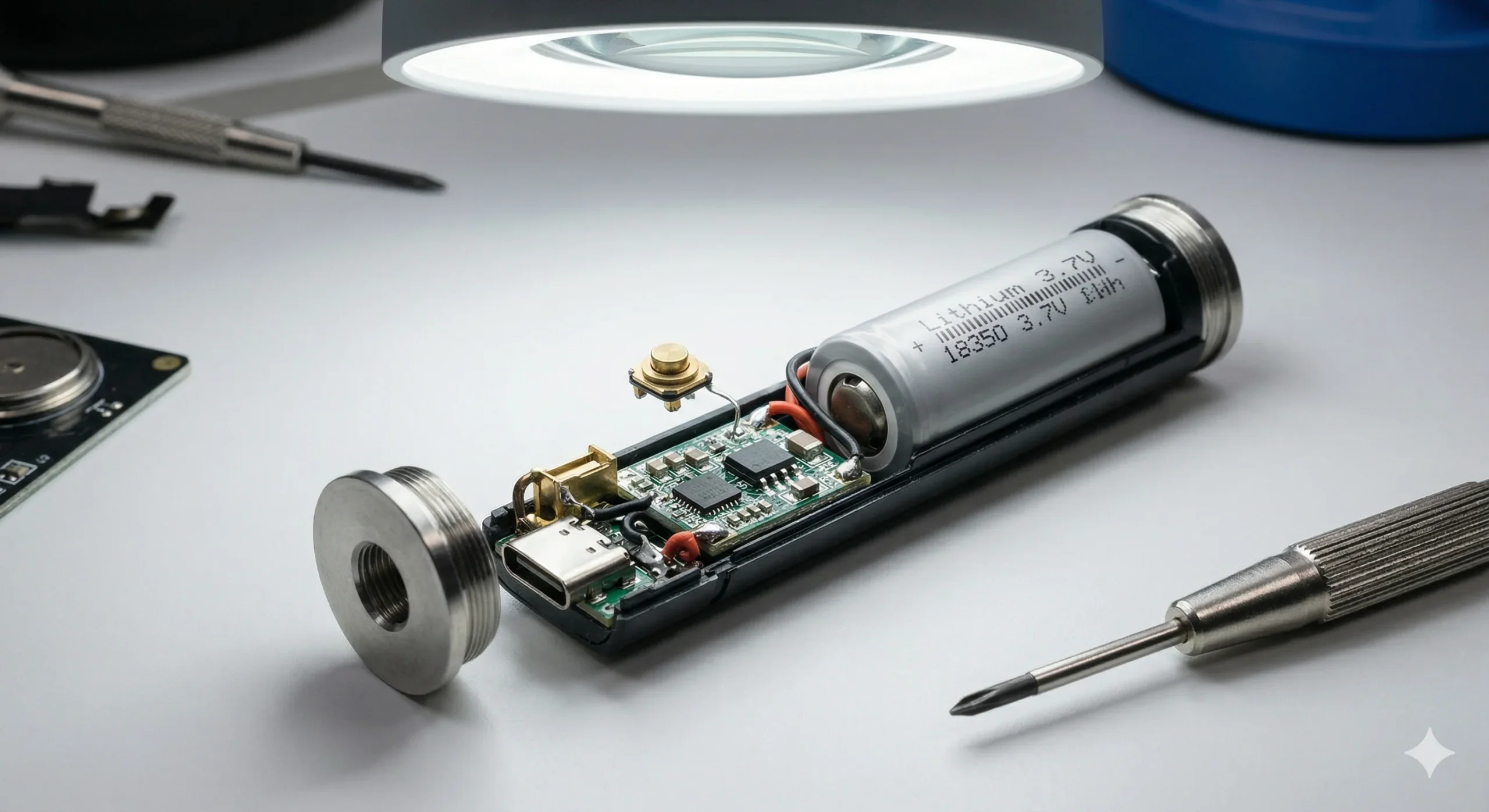
🔋 2.1 Lithium Battery Cell
The battery cell stores the device’s electrical energy. Common capacity groupings generally range from smaller compact cells to larger higher-capacity designs for extended runtime. Capacity influences how long the device can operate between charges, but it also affects body size and weight.
⚡ 2.2 Power Regulation Chip
The control chip manages output behavior and typically works together with the protection circuit. This part of the device influences voltage consistency, activation timing, and the general stability of the system during repeated use cycles.
🔘 2.3 Activation System
Most 510 batteries use one of two activation styles:
- Button-activated firing
- Draw-activated airflow sensing
Each style changes the overall product logic. Button-activated systems often allow more direct user control, while draw-activated designs usually prioritize simplicity and a more minimal exterior.
🔌 2.4 Charging Interface
Modern designs increasingly use USB-C charging, while some older or simpler models may still use other charging formats. The charging interface affects convenience, but it also reflects broader decisions about power management, charging speed, and product positioning.
🛡️ 2.5 Protection Circuitry
Safety protections are a major part of modern battery design. Common examples include short-circuit protection, overcharge protection, auto shut-off timers, low-voltage protection, and overheat protection. These functions help prevent unstable operation and support longer service life.
🌡️ 3. Voltage Control and Output Behavior
Voltage control is one of the most important variables in 510 battery design. A shared threaded connection does not guarantee that all attached hardware will behave the same way. Output level changes how strongly and how quickly the connected heating element receives power.
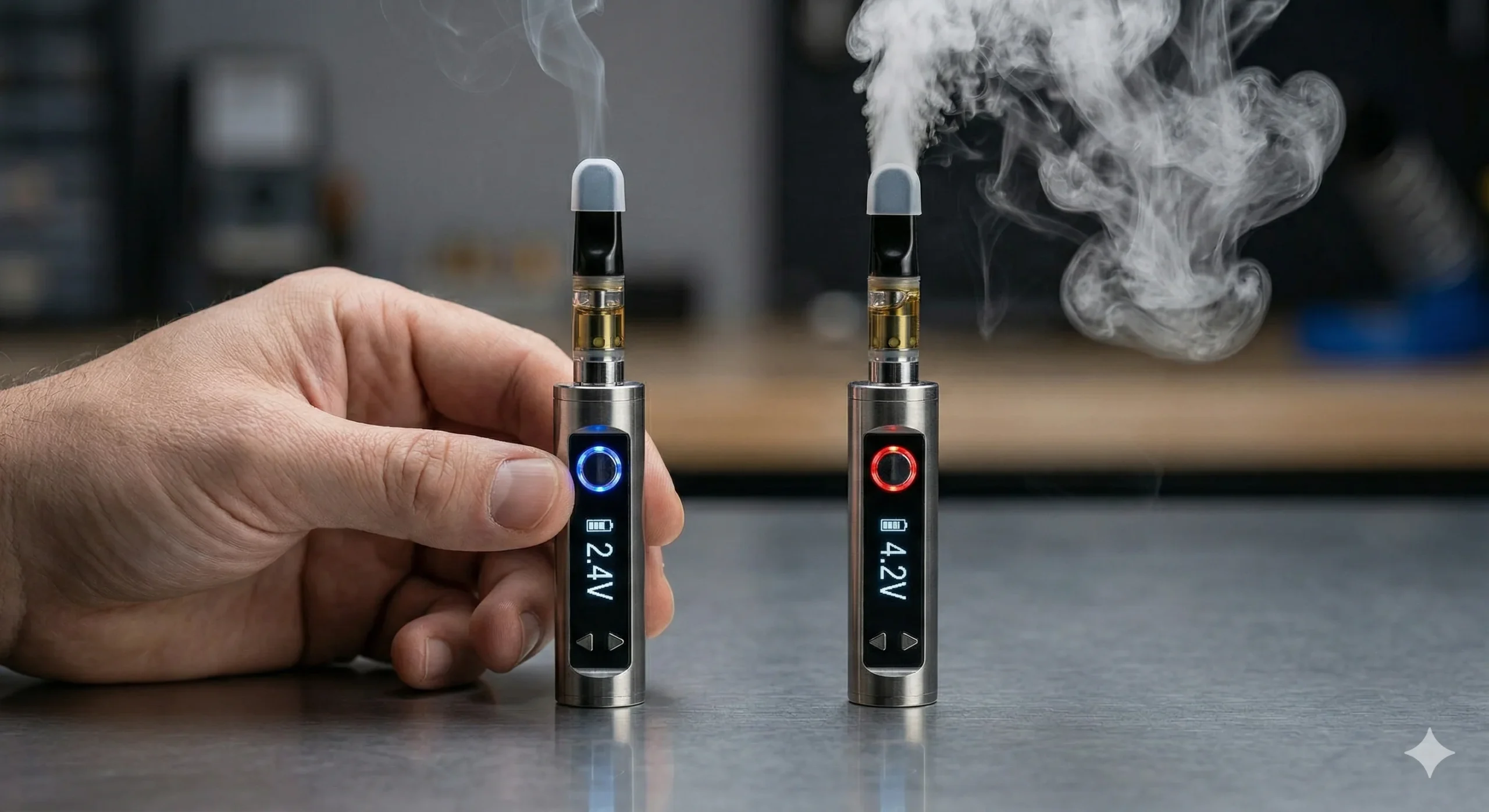
A useful way to understand voltage behavior is to group it into low, medium, and high ranges. Lower settings are generally associated with gentler output, while higher settings are linked to stronger and faster heating behavior.
Low Voltage Range
- Generally gentler output
- Often preferred when a softer heating profile is needed
- May reduce the risk of overly aggressive heating
Medium Voltage Range
- Balanced output profile
- Common operating range in many variable-voltage devices
- Often positioned as an all-purpose setting
High Voltage Range
- Stronger and faster output
- Can create more aggressive heating behavior
- Requires more careful compatibility awareness
💡 The important takeaway is that voltage is not just a number on a product page. It is part of how the battery and the connected hardware behave as a system.
🧩 4. Preheat Functions and System Compatibility
Many modern 510 batteries include a preheat mode. This can be especially useful when the attached system benefits from a gentler warm-up before normal operation. Preheat is one of the more practical features in real-world hardware design because it adds flexibility without requiring a more complicated interface.
Compatibility in 510 batteries is often misunderstood. The thread connection may be standardized, but overall performance still depends on the relationship between the battery’s output behavior and the connected hardware.
Important compatibility factors include:
- Thread fit
- Output level and operating mode
- Activation style
- Resistance behavior of the connected hardware
- General match between device format and intended use
🧠 So while the connector standard improves interchangeability, real compatibility still depends on how the battery behaves under load.
📐 5. Form Factors and Battery Design Styles
The 510 battery category covers a wide range of physical formats. Although these devices share the same threaded connection standard, their body shapes, battery capacities, interface layouts, and internal structures can differ significantly.
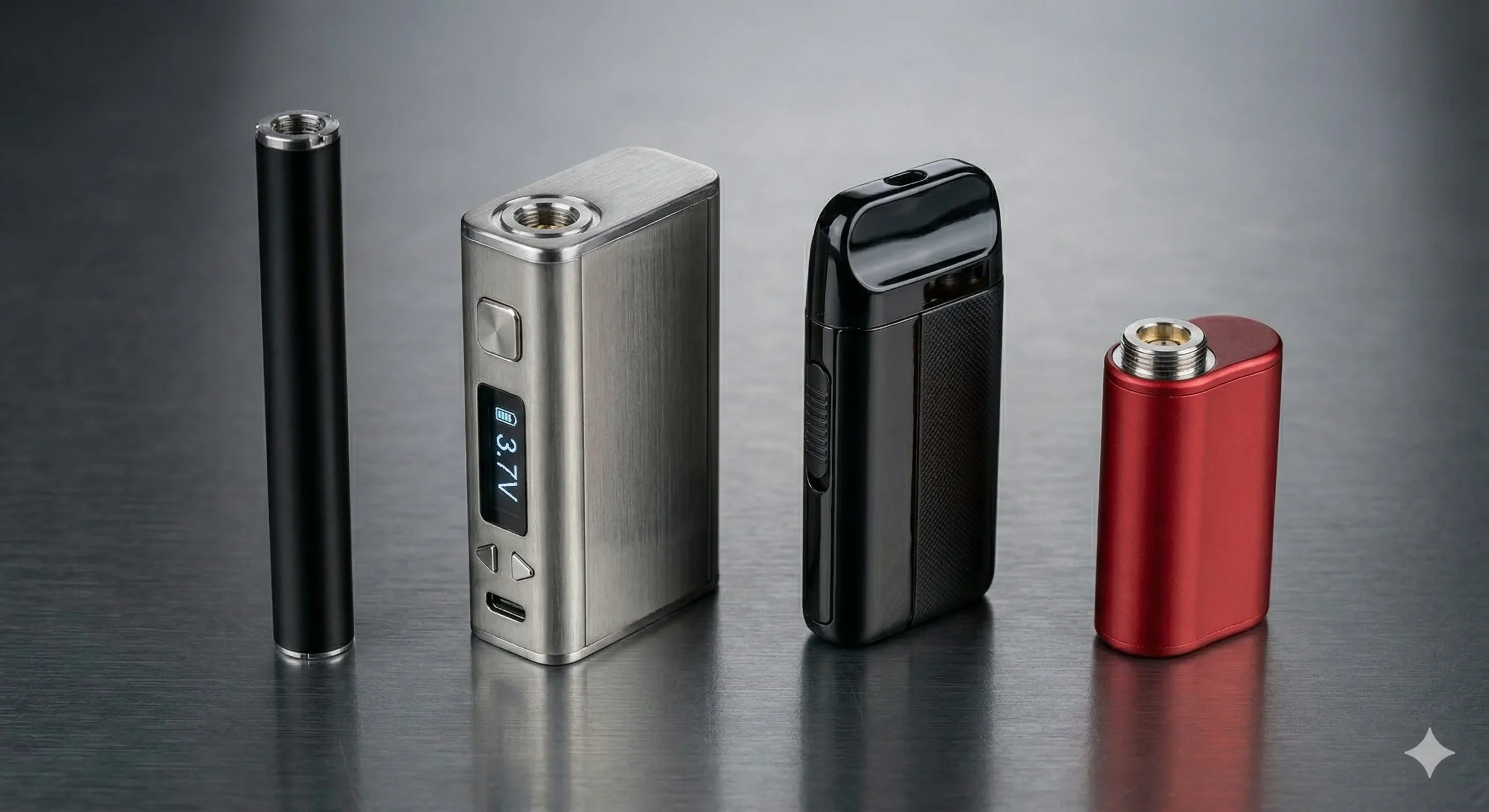
From a product-design perspective, form factor is not just about appearance. It also affects portability, runtime, control options, internal layout, and overall user interaction.
🖊️ Pen-Style Batteries
Pen-style batteries are usually slim, cylindrical, and easy to carry. Their main advantage is portability, and they are often chosen for a more minimal and lightweight design approach.
- 📏 Slim and compact body structure
- 🧳 Easy to carry and store
- ⚙️ Often designed with simpler controls
- 🔋 Usually more limited in battery capacity than larger formats
🧱 Box-Style Batteries
Box-style batteries generally offer more internal space, which allows for larger battery capacity, more stable structure, and additional control features. These designs may also support concealed-cartridge layouts or more advanced display and voltage options.
- 🔋 More room for higher battery capacity
- 🖥️ Can support added interface features
- 🛡️ Often provides a more stable and robust body structure
- 📦 Less minimal than pen-style devices
👜 Compact Pocket Batteries
Compact pocket batteries are designed for portability while using a body shape that is different from traditional pen-style designs. Depending on the structure, these devices may offer a better balance between portability and internal protection.
- 🎯 Portable and pocket-friendly
- 🧩 Often uses a more integrated outer shell
- 🔒 May better protect connected hardware inside the body
- ⚖️ Balances compactness with slightly more internal flexibility
✨ This is a good reminder that 510 batteries are not defined only by thread type. Form factor also influences usability, charging space, battery size, and interface design.
🔋 6. Battery Capacity, Runtime, and Charging Logic
Battery capacity is one of the most visible specifications in this category, but it should not be read in isolation. A larger number may imply longer runtime, but actual performance depends on output level, activation frequency, control electronics, and charging efficiency.
When reviewing 510 battery hardware from a neutral product perspective, it helps to think in terms of trade-offs:
- Higher capacity often means a larger body
- Smaller devices may be easier to carry but need more frequent charging
- More advanced features can increase energy demand
- Charging interface choice affects daily convenience but not necessarily full system quality
🔌 In modern device design, USB-C has become a common charging choice because it is more convenient and easier to standardize across product lines. Still, charging speed alone should not be confused with overall battery quality.
Readers looking for broader product-category context can review the portable vaporizer collection and the 510 battery overview page.
🛡️ 7. Safety Features and Reliability Standards
Safety design is one of the most important areas in battery hardware. Good safety design may look plain on a product page, but it is essential for stable long-term operation.
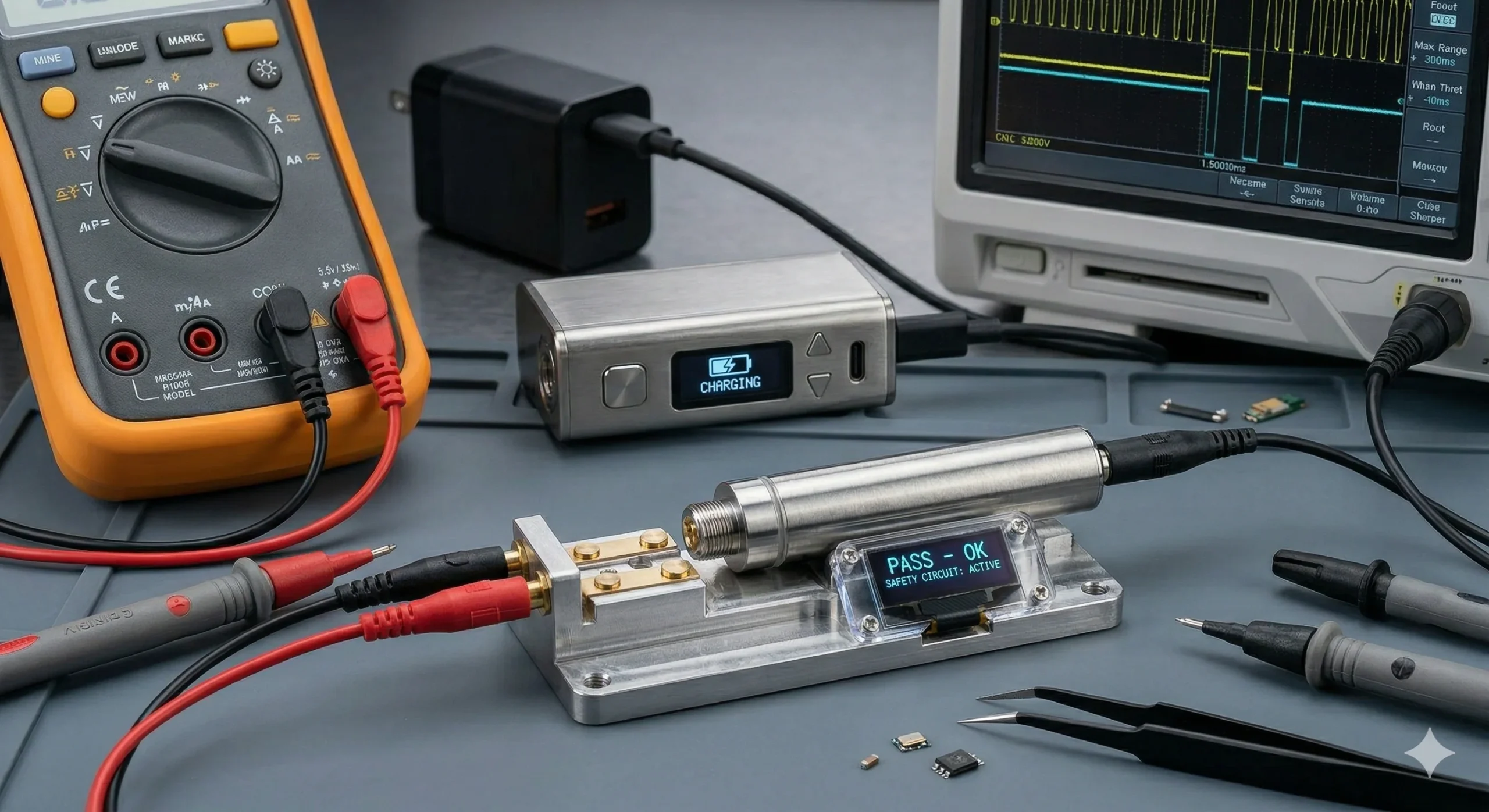
Common safety and reliability protections include:
- Short circuit protection
- Overcharge protection
- Low voltage protection
- Overheat protection
- Auto shut-off timing
These protections matter because battery hardware is not just about output. It is also about stable operation over time.
📌 A battery can look sleek, but if its control logic is unstable or its protections are weak, the design quality falls apart where it matters most.
🏭 8. Manufacturing and OEM Design Considerations
From a neutral manufacturing perspective, 510 batteries are a useful category because they combine a standardized connection with wide variation in body design, interface style, and internal electronics.
Common design variables in manufacturing include:
- Exterior shell material and finish
- Indicator-light behavior
- Button placement or draw-activation tuning
- Charging-port type
- Battery-capacity selection
- Overall form factor
From a product-development standpoint, the interesting challenge is keeping the standard connector while allowing enough variation in body design and electronics to differentiate one device from another. That is one reason the category remains active in both consumer-facing and B2B-facing product pipelines.
📊 9. Practical Evaluation Checklist
When evaluating 510 battery hardware in a grounded, non-promotional way, it helps to focus on the basics first:
| Evaluation Area | Why It Matters | What to Check |
|---|---|---|
| Thread Standard | Determines base connection fit | Connector quality and machining consistency |
| Voltage Control | Affects output behavior | Preset levels, stability, or adjustment logic |
| Activation Method | Shapes ease of use and control | Button activation vs draw activation |
| Battery Capacity | Influences runtime and body size | mAh rating and real-world recharge frequency |
| Charging Interface | Affects daily convenience | USB-C or other charging formats |
| Safety Protections | Supports long-term reliability | Short-circuit, overcharge, heat and low-voltage protection |
✅ This kind of checklist is less flashy than trend-heavy future talk, but it is far more useful for understanding real hardware quality.
❓ FAQ: 510 Batteries
What are 510 batteries?
510 batteries are rechargeable power units built around the standardized 510 threaded connection used across many compatible device types.
What does 510 thread mean?
It refers to the widely used threaded connection standard that allows compatible batteries and attachments to connect through a common interface.
Do all 510 batteries work the same way?
No. Even if the connector is standardized, output behavior, activation style, battery capacity, charging design, and protection logic can vary significantly.
Why is variable voltage important?
Variable voltage changes how strongly the battery powers the connected hardware, which can affect overall system behavior and compatibility.
What is a preheat function?
Preheat is a warm-up mode used in many modern 510 batteries to provide a gentler initial power phase before normal operation.
What safety features should a modern 510 battery have?
Grounded safety features typically include short-circuit protection, overcharge protection, low-voltage protection, overheat protection, and timed shut-off logic.
📌 Final Thoughts
The 510 battery remains one of the most recognizable power formats in portable vaporizer hardware because it combines a standardized connector with wide flexibility in body design, voltage behavior, and control logic. That flexibility is also what makes the category worth studying from a neutral product perspective.
Understanding thread standards, voltage control, activation methods, battery capacity, charging design, and protection systems helps explain why two products with the same connector can still behave very differently in practice. The standard may be shared, but the engineering decisions behind the standard are where real differentiation happens.
For broader supporting context, readers can also review the homepage, the 510 battery page, the portable vaporizer section, the blog archive, and the contact page.