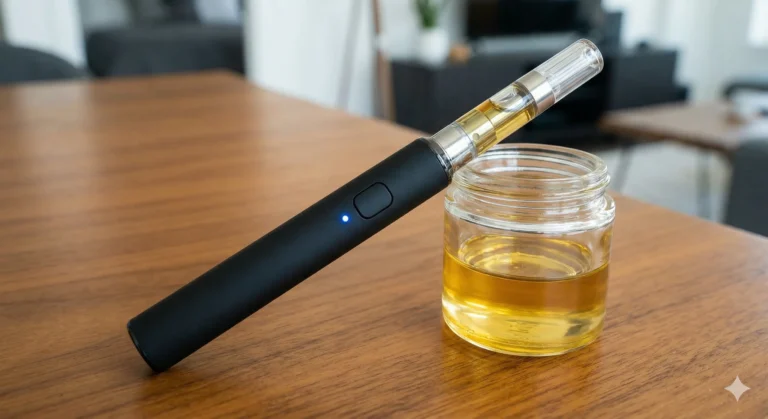
This in-depth guide explains what a 510 cartridge is, how it works, the different types available, material choices, common problems, and what to look for when buying or sourcing cartridges for retail or private-label projects.
🔍 1. What Is a 510 Cartridge?
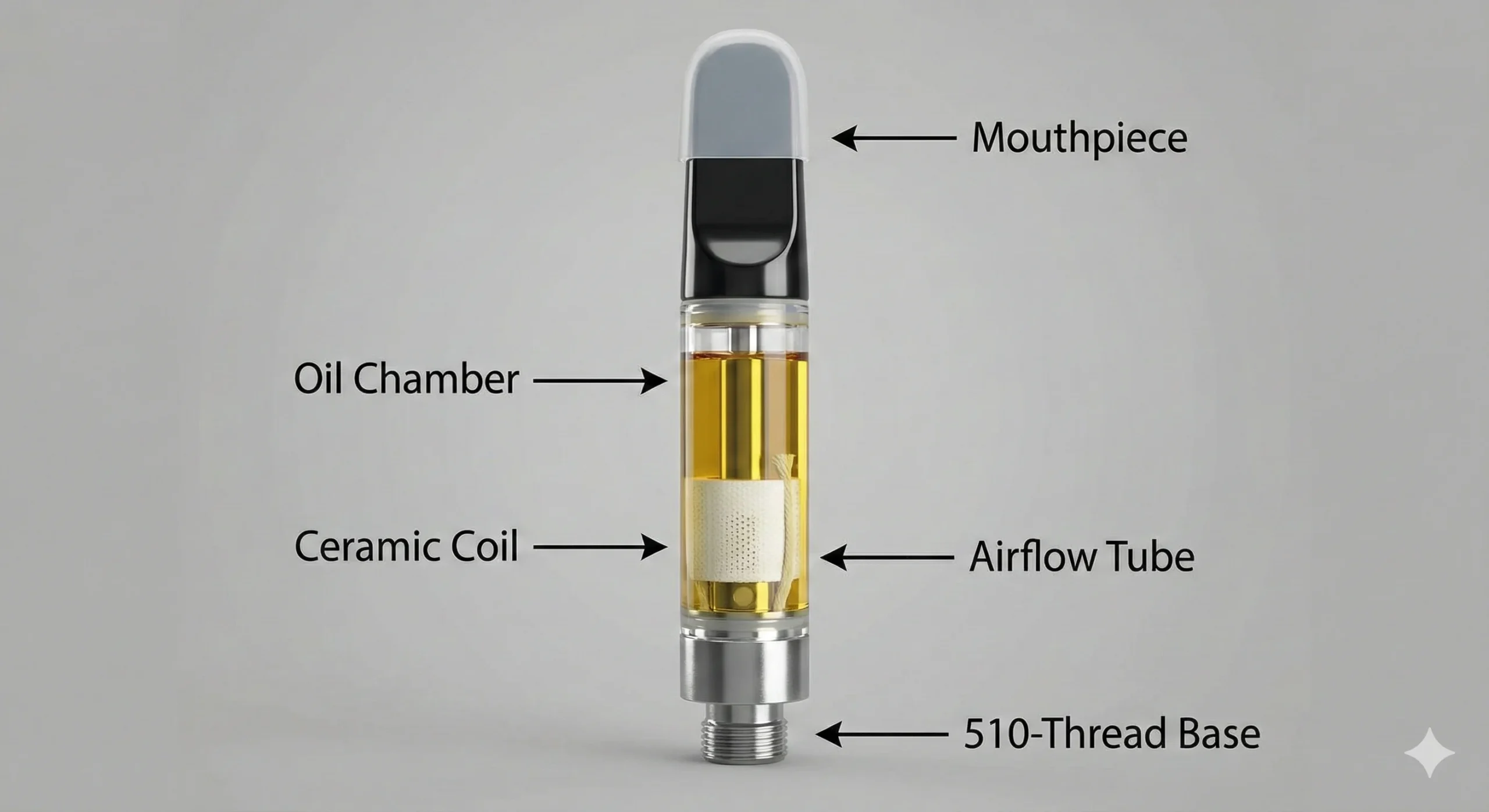
🧩 A 510 cartridge is a prefilled or refillable container designed to hold cannabis oil or concentrate and connect to a compatible battery using a standardized 510 thread. The “510” refers to the threading size, which allows cartridges to work with most vape pen batteries on the market.
At a basic level, a 510 cartridge consists of:
- An oil chamber
- A heating element (coil)
- A central airflow tube
- A mouthpiece
- A 510-thread base for battery connection
This standardized design is one of the main reasons 510 cartridges are widely used across brands and regions.
⚙️ 2. How a 510 Cartridge Works
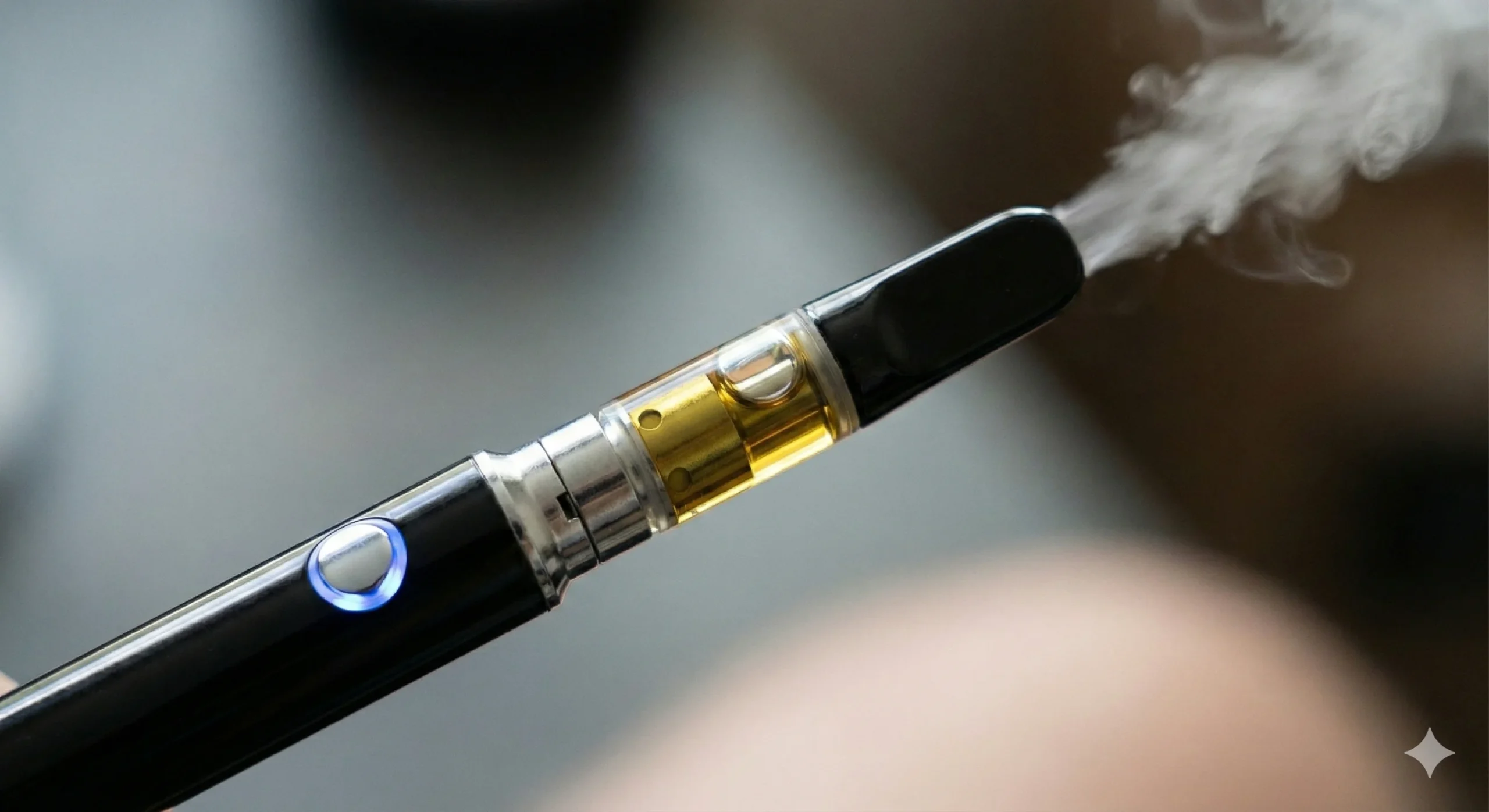
🔌 When a 510 cartridge is attached to a compatible battery and activated, power flows from the battery to the cartridge’s heating element. The coil heats the oil surrounding it, turning liquid concentrate into inhalable vapor.
Most cartridges rely on capillary action to draw oil toward the coil through wicking material. Proper balance between heat, oil viscosity, and airflow is critical for smooth vapor production and consistent flavor.
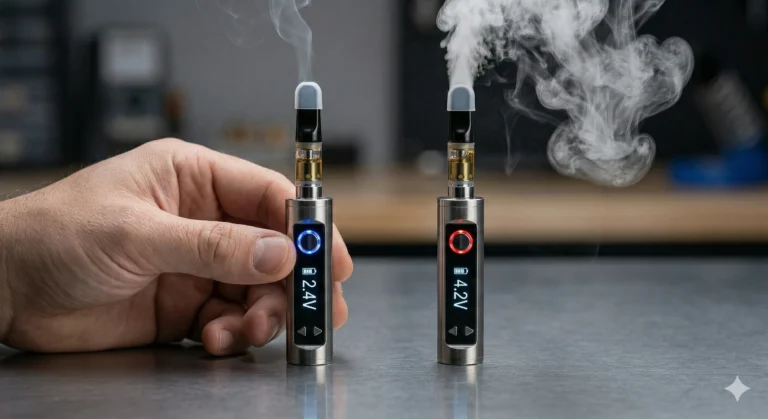
If the voltage is too high, oil may burn or taste harsh. If it’s too low, vapor may feel weak or inconsistent. This is why cartridge design and battery compatibility go hand in hand.
🧪 3. Types of 510 Cartridges
🧱 3.1 Ceramic Coil Cartridges
⚪ Ceramic coil 510 cartridges use porous ceramic heating elements that absorb oil evenly.
Key advantages:
- Clean and consistent flavor
- Even heat distribution
- Reduced risk of burning
These cartridges are commonly used for premium oil formulations and terpene-rich extracts.
🧵 3.2 Cotton Wick Cartridges
🧵 Cotton wick cartridges rely on fibrous material to draw oil toward the coil.
Key advantages:
- Fast oil absorption
- Strong vapor output
- Lower production cost
However, cotton-based designs may degrade faster under high voltage or thick oil conditions.
🔄 3.3 Coil-less & Advanced Designs
🌀 Some modern 510 cartridges use coil-less or hybrid heating systems that aim to reduce metal exposure and improve flavor purity.
These designs are growing in popularity but require precise battery matching.
🧴 4. Oil Types & Viscosity Considerations
🛢️ Not all cannabis oils behave the same inside a cartridge. Oil viscosity plays a major role in cartridge performance.
- Distillate: Thick, stable, widely compatible
- Live resin / live rosin: Flavor-rich, often thicker
- Terpene-enhanced oils: Thinner, more aromatic
Thicker oils often benefit from cartridges with larger intake ports and batteries that offer preheat functions.
🔋 5. Battery Compatibility & Voltage Matching
🔋 Although most 510 cartridges will physically fit most 510 batteries, performance depends heavily on voltage compatibility.
General voltage guidelines:
| Voltage Range | Result | Best Use |
|---|---|---|
| 2.4–2.8V | Smooth, flavorful vapor | Terpene-rich oils |
| 2.9–3.4V | Balanced performance | Daily use cartridges |
| 3.5–4.2V | Dense vapor | Thick oils (use cautiously) |
Using excessive voltage is one of the most common reasons for burnt taste and cartridge failure.
🧱 6. Cartridge Materials & Build Quality
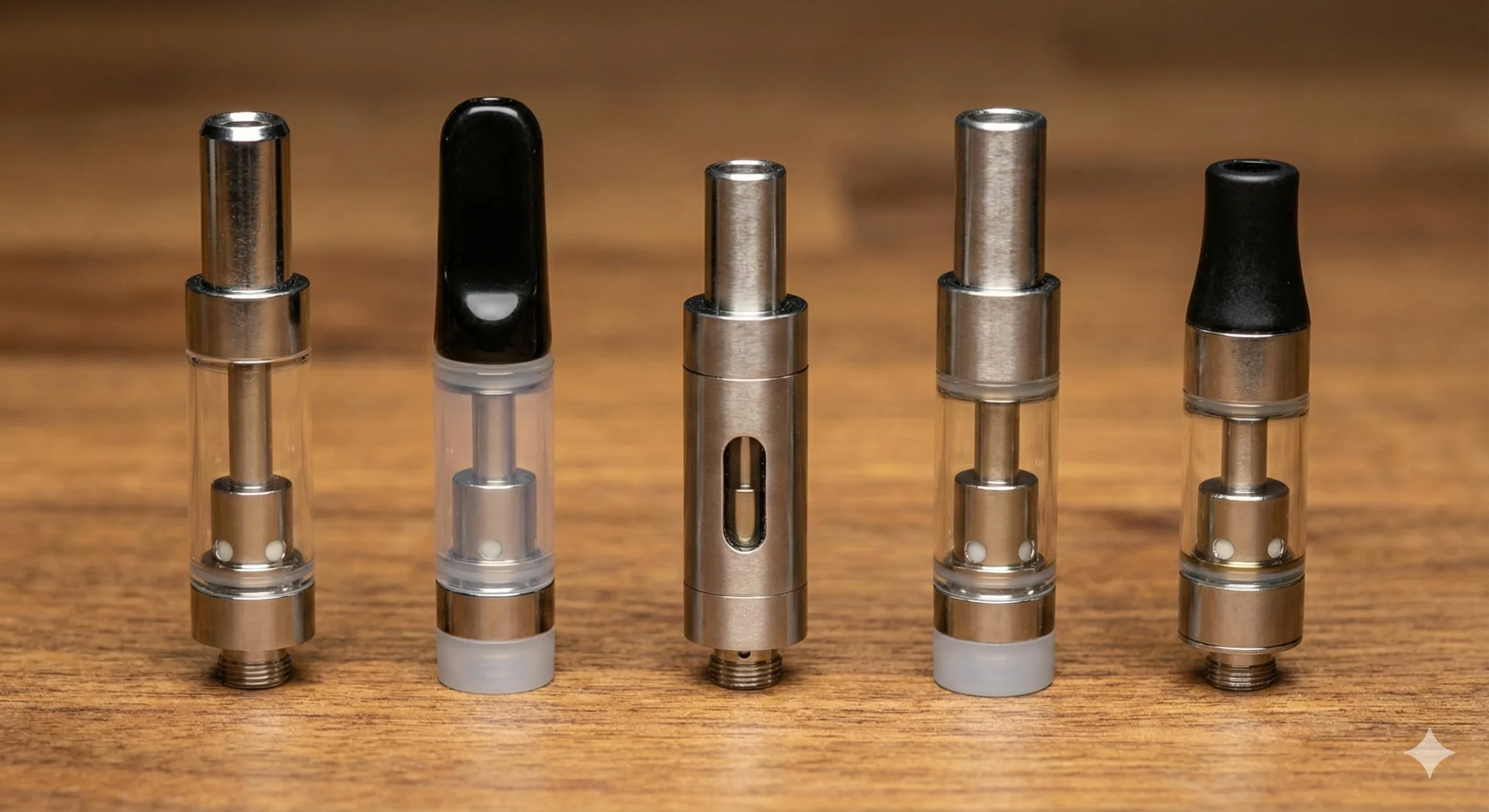
🏗️ The materials used in a 510 cartridge affect flavor, safety perception, and durability.
- Glass tanks: Neutral flavor, premium feel
- Plastic tanks: Lightweight and cost-effective
- Metal components: Structural support and conductivity
- Ceramic internals: Flavor stability and heat resistance
High-quality cartridges often combine glass tanks with ceramic heating elements for optimal balance.
🧠 7. Common 510 Cartridge Problems & Fixes
💧 7.1 Clogging
Clogs often occur with thick oils or cold temperatures.
- Use preheat if available
- Store cartridges upright
- Avoid drawing too hard
🔥 7.2 Burnt or Harsh Taste
This usually indicates excessive voltage or a dry coil.
- Lower voltage
- Allow oil to re-saturate between hits
💨 7.3 Weak Vapor
Weak vapor may result from low voltage, airflow blockage, or oil depletion.
🛒 8. How to Choose the Right 510 Cartridge
🧭 Whether you’re a consumer or a buyer, selecting the right cartridge requires balancing performance and compatibility.
- Oil type and viscosity
- Coil or heating material
- Battery voltage range
- Tank capacity (0.5ml vs 1.0ml)
- Regulatory and safety requirements
For retail, cartridges that perform reliably across multiple batteries often generate better reviews and fewer returns.
🏭 9. OEM & Private Label Considerations
🏗️ For brands, 510 cartridges are highly customizable and offer strong opportunities for differentiation.
OEM projects typically involve decisions around:
- Cartridge structure and materials
- Heating element design
- Airflow tuning
- Branding and packaging
- Batch consistency and quality control
Reliable suppliers focus on repeatable performance rather than extreme specifications.
🧼 10. Storage & Maintenance Tips
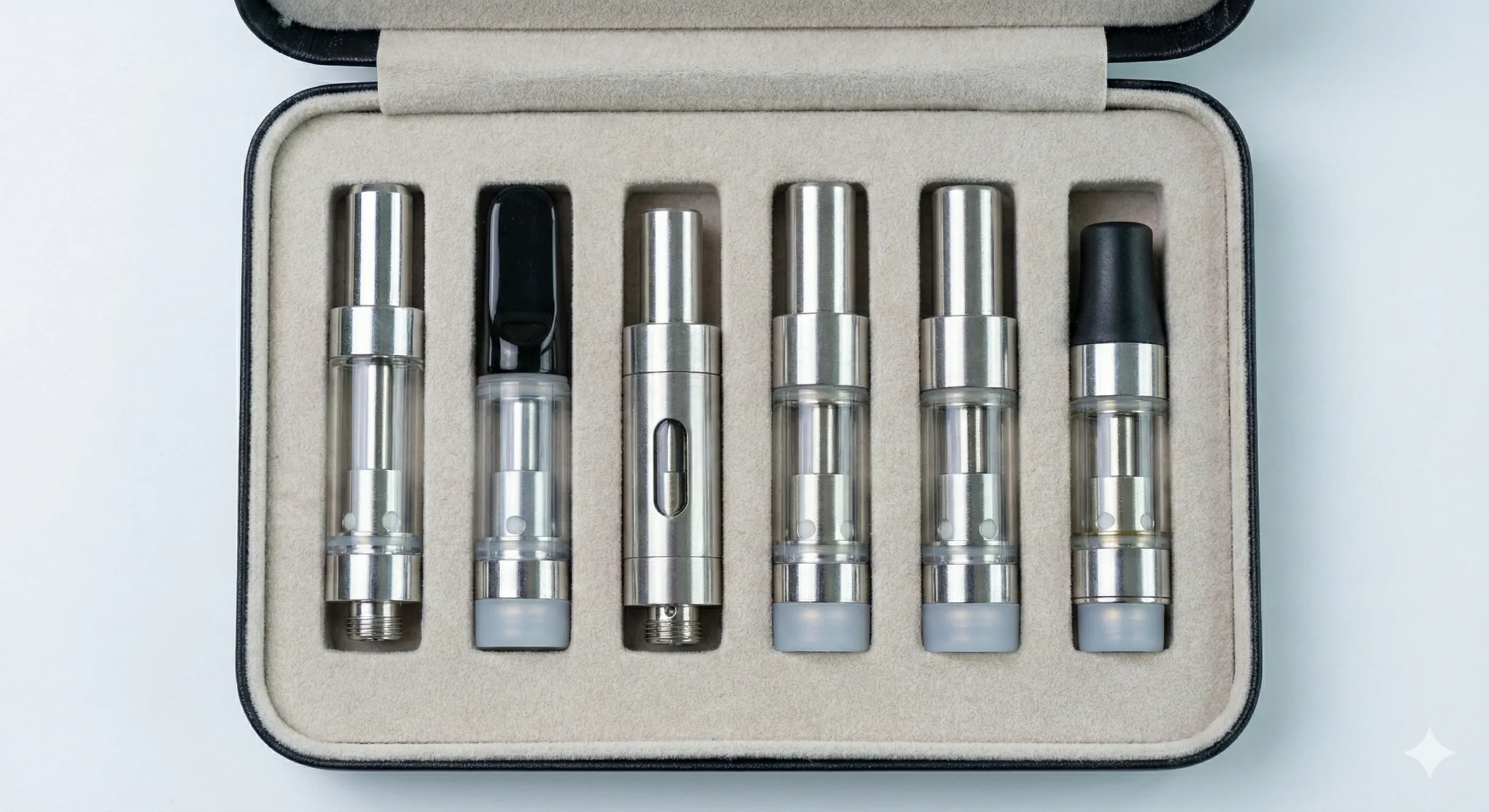
🧽 Proper handling improves cartridge lifespan and performance.
- Store upright in a cool place
- Avoid prolonged heat exposure
- Keep connection points clean
- Use compatible batteries only
❓ FAQ
1️⃣ Are all 510 cartridges the same?
No. While threading is standardized, materials, coils, and performance vary widely.
2️⃣ Can I refill a 510 cartridge?
Some are refillable, but many are designed for single-use or limited refills.
3️⃣ Why does my cartridge leak?
Leaks can occur due to overfilling, temperature changes, or poor seals.
4️⃣ What voltage should I use?
Most cartridges perform best between 2.8V and 3.4V.
5️⃣ Do ceramic cartridges taste better?
Many users prefer ceramic for cleaner flavor, especially with terpene-rich oils.
6️⃣ How long does a 510 cartridge last?
It depends on oil volume, usage frequency, and voltage settings.
🚀 Final Thoughts
The 510 cartridge remains the backbone of modern cannabis vaping thanks to its flexibility, compatibility, and ease of use. When paired with the right battery and voltage settings, a quality cartridge delivers consistent vapor, clean flavor, and dependable performance.
Whether you’re choosing cartridges for personal use or sourcing for retail and OEM projects, focusing on build quality, oil compatibility, and voltage matching will help ensure long-term success.