💥 Customize Dab Rigs: Materials, Heating Tech & OEM Tips
Dab rigs remain one of the most performance-driven categories in the concentrate consumption market. For brands targeting experienced users, launching a custom dab rig is not just about aesthetics — it’s about precision heating, material quality, and long-term reliability.
Compared with portable wax pens or generic electric rigs, dab rigs offer far greater flexibility in heating control, airflow design, and material selection. That’s why many serious concentrate brands treat dab rigs as their “flagship hardware” rather than a secondary accessory.
This guide explains how dab rigs work, the most common materials and heating technologies on the market, and what brands should focus on when working with an OEM manufacturer to build a differentiated product line.

🧱 1. What Is a Dab Rig and Why Customization Matters
A dab rig is designed to vaporize solid or semi-solid concentrates such as wax, shatter, live resin, and rosin. Unlike cartridges or disposable devices, dab rigs emphasize direct heating, controlled airflow, and user technique — making them especially attractive to experienced consumers.
Key characteristics of dab rigs:
- Concentrates are loaded manually rather than prefilled.
- The heating surface plays a critical role in flavor and extraction efficiency.
- Users are highly sensitive to temperature accuracy and airflow smoothness.
From a branding and product strategy perspective, customizing a dab rig allows you to differentiate from mass-market e-rigs, target advanced users with higher engagement, and create a premium anchor product that elevates your entire hardware lineup.
⚡ 2. Dab Rig Heating Technologies Explained
Heating technology is the core of any dab rig. Different heating approaches directly influence vapor quality, learning curve, and user satisfaction.
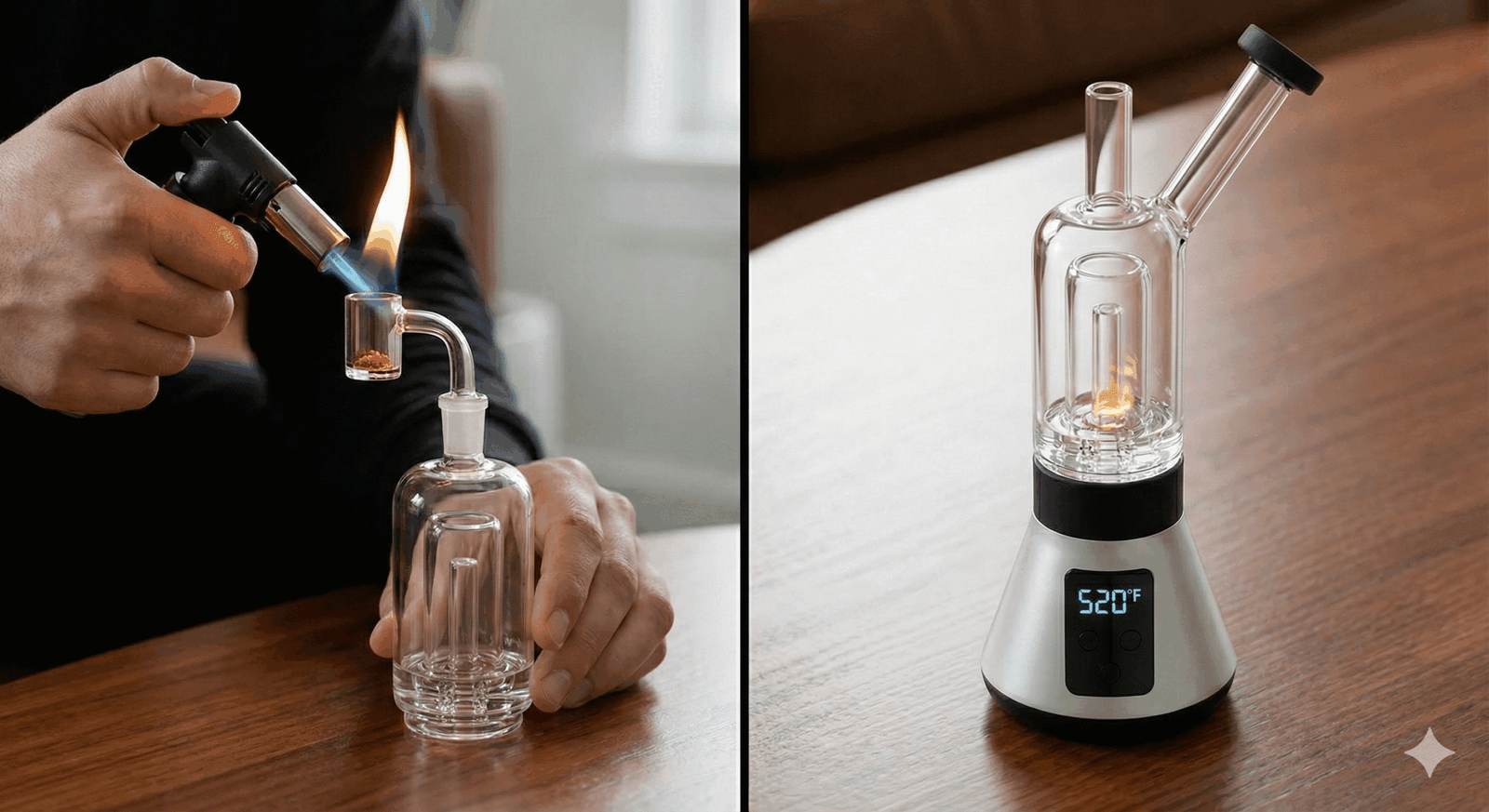
Main heating styles used in dab rigs:
- Torch-heated systems: Manual flame heating that offers full control but requires experience and timing.
- Electric heating systems (e-rigs): Integrated heaters with preset or adjustable temperature control.
While torch-heated rigs remain popular among purists, electric dab rigs continue to gain traction due to their consistency, safety, and ease of use — especially for daily sessions and retail markets.
🪨 3. Dab Rig Materials and Their Performance Impact
Material selection affects durability, heat behavior, flavor purity, and cleaning effort. Most high-end dab rigs use a combination of materials rather than relying on a single component.
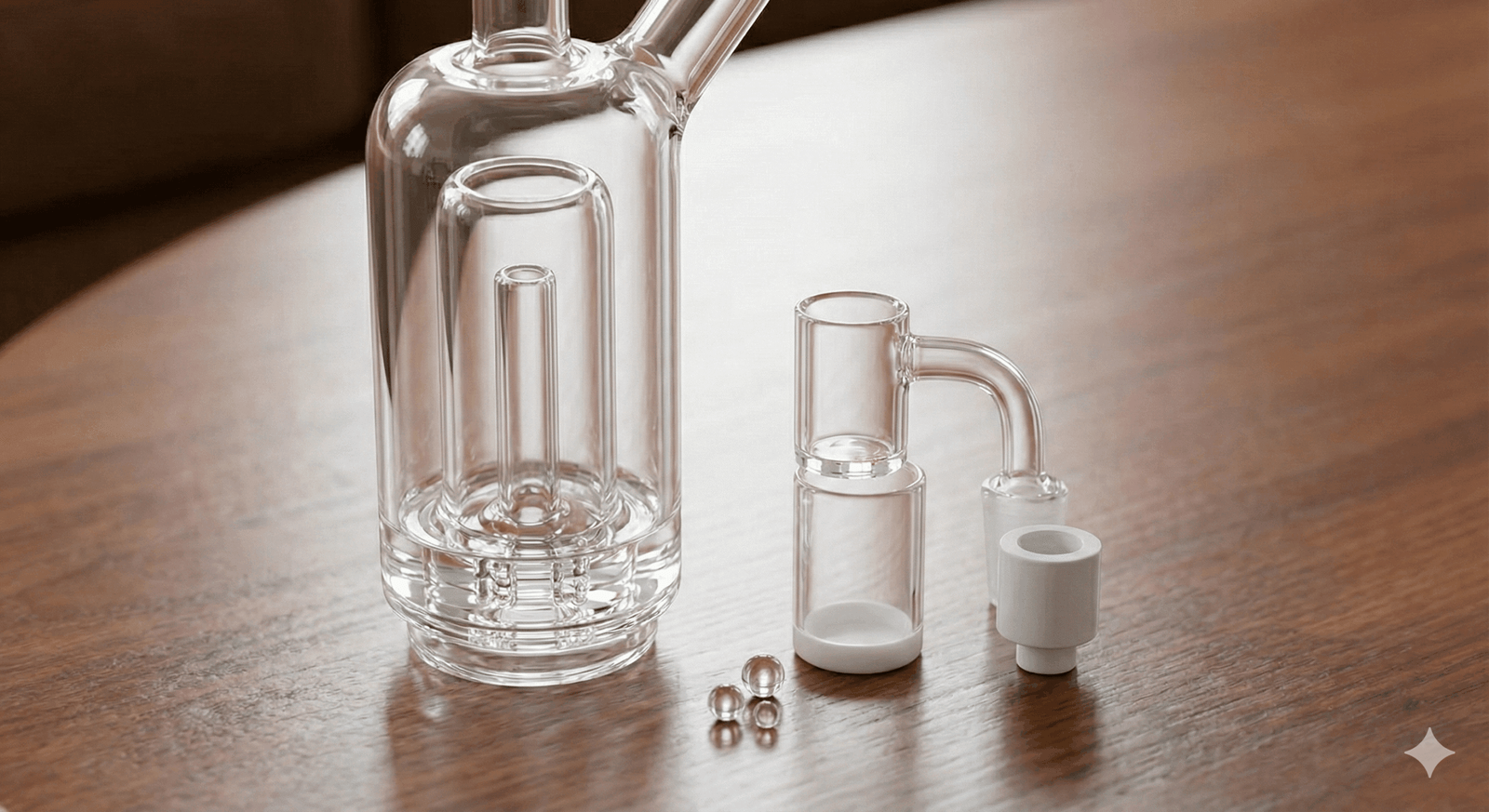
Borosilicate glass is the industry standard for dab rig bodies due to its resistance to thermal shock and ability to preserve clean flavor. Customization typically focuses on wall thickness, joint angle, chamber volume, and percolator structure.
Quartz and ceramic heating surfaces are commonly used for bangers, inserts, and heating chambers. Quartz heats quickly and delivers sharp flavor, while ceramic provides more even heat distribution and better temperature stability — making it ideal for electric and hybrid dab rigs.
🌡️ 4. Why Temperature Accuracy Matters
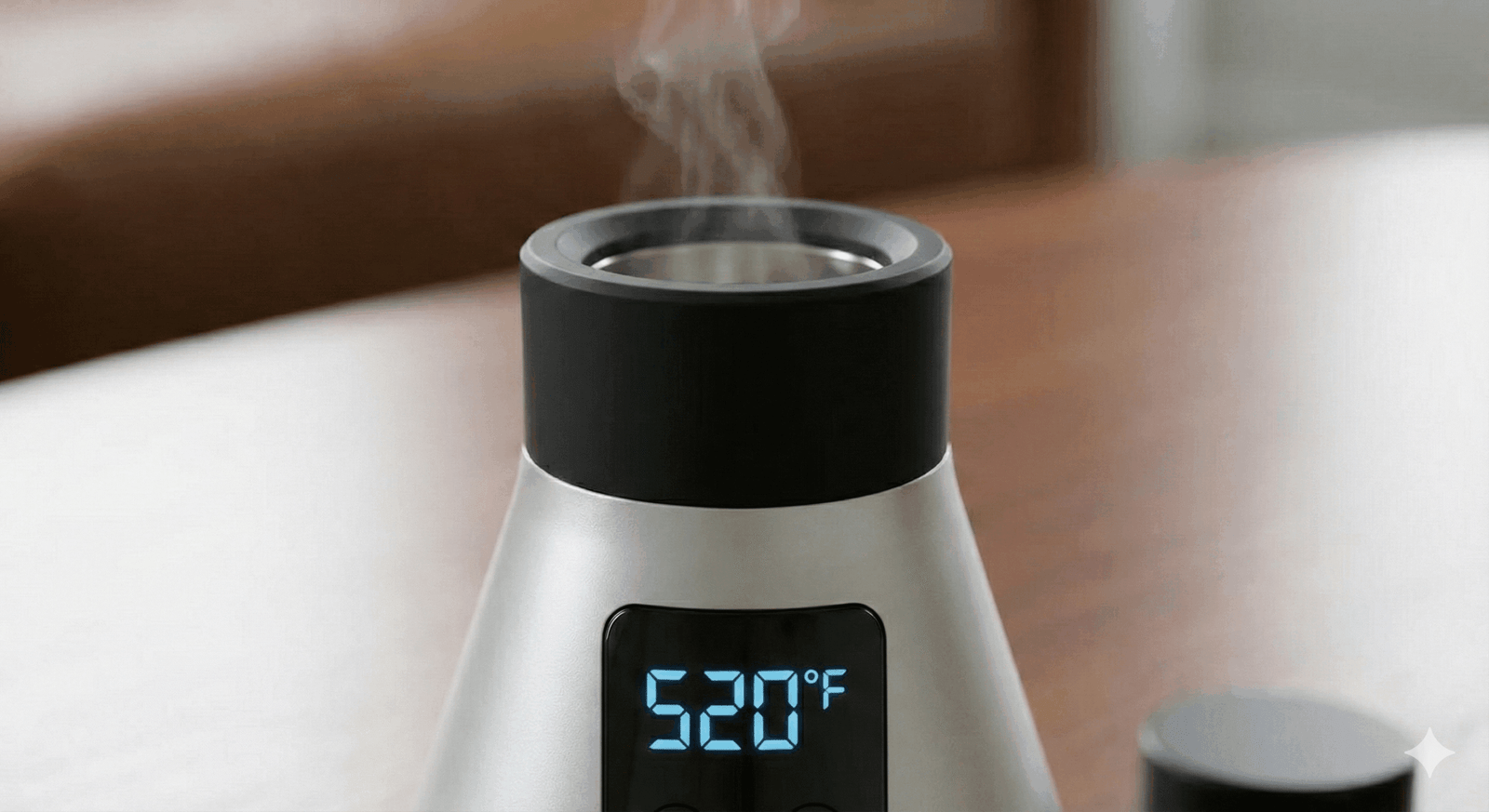
Different concentrates vaporize best within specific temperature ranges. Poor temperature control often results in burnt flavor, wasted material, or inconsistent sessions.
| Temperature Range | Typical Result |
|---|---|
| 450–500°F | Maximum flavor and terpene preservation |
| 500–550°F | Balanced vapor density and taste |
| 550°F+ | Dense vapor with reduced flavor clarity |
OEM design must account for real heat transfer, airflow resistance, and chamber geometry — not just displayed temperature numbers.
🏭 5. OEM Dab Rig Customization Options
True OEM customization goes far beyond adding a logo. Successful dab rig projects are built around performance consistency and user experience.

- Heating method selection and temperature range tuning
- Glass structure, joint size, and airflow optimization
- Ease of cleaning and reclaim management
- Surface finish, branding, and packaging strategy
At AOVAPE, dab rig OEM projects usually begin by defining the target user and concentrate type before moving into material selection and heating design.
If you’re planning a custom dab rig project, you can reach the team via our
Contact Us page.
📚 FAQ: Dab Rigs & Customization
1️⃣ What materials are best for dab rigs?
Borosilicate glass is the most common choice for the main structure due to its heat resistance and durability, while quartz and ceramic are preferred for heating surfaces depending on the heating method.
2️⃣ What’s the difference between a dab rig and an e-rig?
Traditional dab rigs rely on torch heating and user technique, while electric dab rigs use integrated electric heating systems with controlled temperatures.
3️⃣ What temperature is best for dabbing concentrates?
Most concentrates perform best between 450–550°F. Lower temperatures emphasize flavor and terpene preservation, while higher temperatures produce denser vapor.
4️⃣ Can dab rigs be customized for different concentrates?
Yes. OEM customization can adjust heating method, chamber size, airflow design, and temperature range to better match wax, shatter, live resin, or rosin.
🚀 Final Thoughts
Dab rigs sit at the intersection of glass craftsmanship and thermal engineering. Brands that understand materials, heating behavior, and OEM execution are better positioned to build long-term trust with experienced users.
Customization is not about copying existing designs. It’s about creating a system that delivers clean flavor, stable heat, and a consistently satisfying experience.