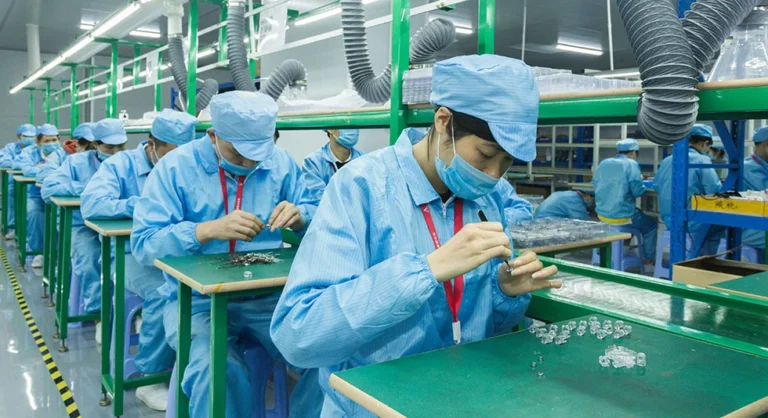
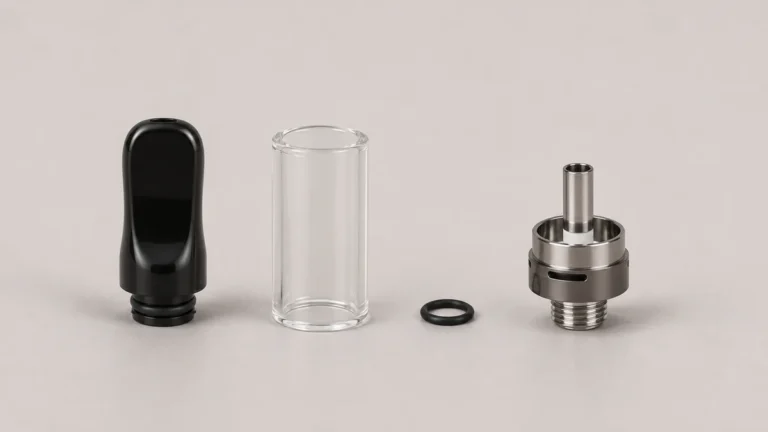
A U.S. or Canadian brand can compare vape pen manufacturers by giving each one the same brief and examining what they do with it. Look for a reply that identifies unanswered engineering questions, a physical approval standard and the records that will follow a pilot lot into repeat production.
The scenario below is fictional. Northfield is the name of an illustrative hardware brand reviewing candidates for a custom empty-device project. It represents the kinds of questions a small team can ask before approving a product configuration.

📋 1. Writing One Mock Brief Before Any Comparison Begins
Every comparison between factories collapses if each one is quoting against a different understanding of the device. Before Northfield sent anything out, it had to decide what belonged in a single document that every candidate would receive in the same form, at the same time, with no side conversations that would let one factory interpret a detail differently from another.
🧩 1.1 Setting the Same Technical Baseline for Every Factory
The brief named a fixed outer envelope and the parts that needed to fit within it. It listed button location and appearance separately because the team was willing to consider alternatives there. For a useful comparison, every candidate received the same drawing revision and the same list of open questions.
🧾 1.2 Writing Critical Interfaces Into the Brief, Not Assuming Them
A recurring failure mode in early hardware projects is leaving an interface implied rather than specified — assuming a factory will treat a charging port or a chamber seal the way the brand pictures it, without ever writing that expectation down. Northfield’s brief listed each interface explicitly as a named requirement with a short description of its function, so that a factory’s engineering response could be checked against a written line rather than a verbal impression from a call.
🔍 2. Reading How Each Factory Restates the Brief
The most informative part of the comparison arrived before any sample existed. The way a factory echoed the brief back — in its own words, with its own list of open questions — said more about its engineering discipline than its quoted price did.
🧾 2.1 Spotting Where a Factory Changes an Interface Without Flagging It
In the fictional example, one candidate moved an interface to simplify an assembly. A change can be a useful proposal if the factory identifies it and explains which requirements it affects. Record the suggestion as a separate option until the brand confirms whether the change is acceptable.
📎 2.2 Comparing How Assumptions Are Documented
Every factory makes assumptions when a brief leaves something open; the comparison point is whether those assumptions are written down or left implicit. Northfield asked each candidate to return a short assumptions list alongside its quote — covering material finish, fastening method, and any dimension treated as approximate — so that gaps in the brief became visible on paper rather than surfacing for the first time when a sample arrived looking different from what was pictured.
🧪 3. Defining the Approval Sample Before Comparing Quotes
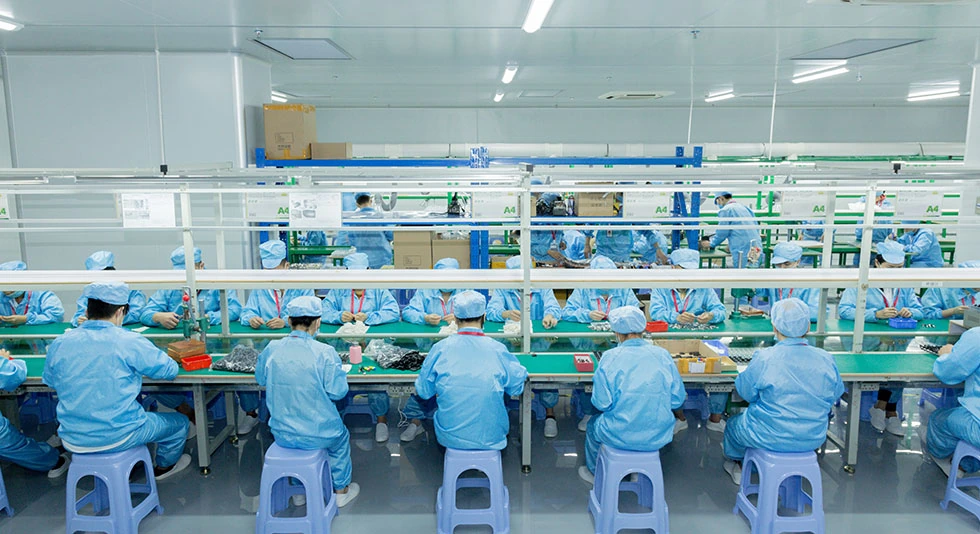
A quote is only comparable against another quote once both sides agree on what a passing sample has to demonstrate. Without that shared definition, a lower price and a higher price can represent two different, unstated levels of fit and finish.
📎 3.1 Defining What the Approval Sample Must Demonstrate
Northfield asked each factory to state, in its own proposal, what the approval sample would be built to confirm — dimensional fit against the brief, assembly of the stated interfaces, and visual consistency with the agreed finish — rather than treating “a sample” as a self-explanatory deliverable. Factories that answered this with a specific list were easier to hold accountable later than those that simply promised to “send a sample for review.”
🗂️ 3.2 Aligning Pilot-Lot Criteria With the Approval Sample
An approved single unit and a consistent small batch are not the same milestone, and treating them as interchangeable is a common source of friction. The brief asked each factory to state how it would define pass criteria for a pilot lot — what would count as the batch matching the approved sample closely enough to proceed — before any volume order was placed, so that the standard for consistency was agreed in writing rather than negotiated after a batch had already shipped.
🗂️ 4. Tooling Custody and Who Controls the Hardware
Tooling questions are easy to postpone during a comparison stage because they feel like a later-stage contract detail. Deferring them, however, removes one of the clearest signals of how a factory views the relationship.
🗂️ 4.1 Clarifying Ownership of Molds and Fixtures in Writing
Ask who owns the mold or fixture, who will store and maintain it and whether moving it would require a separate release process. Ask the same questions about design files needed to use it. A quote for creating the tooling may answer a different question from what happens to it after the project.
📷 4.2 Deciding What Happens If the Relationship Ends
A factory comparison that only looks at the start of a relationship misses the scenario brands eventually have to plan for — a second source, a transfer, or an exit. The mock brief asked each candidate to describe, in general terms, how it would handle a request to release tooling or technical files if Northfield chose to move production elsewhere. A factory’s willingness to answer this plainly, without hedging, is itself part of the comparison.
🔄 5. Comparing Design Change Control Across Proposals
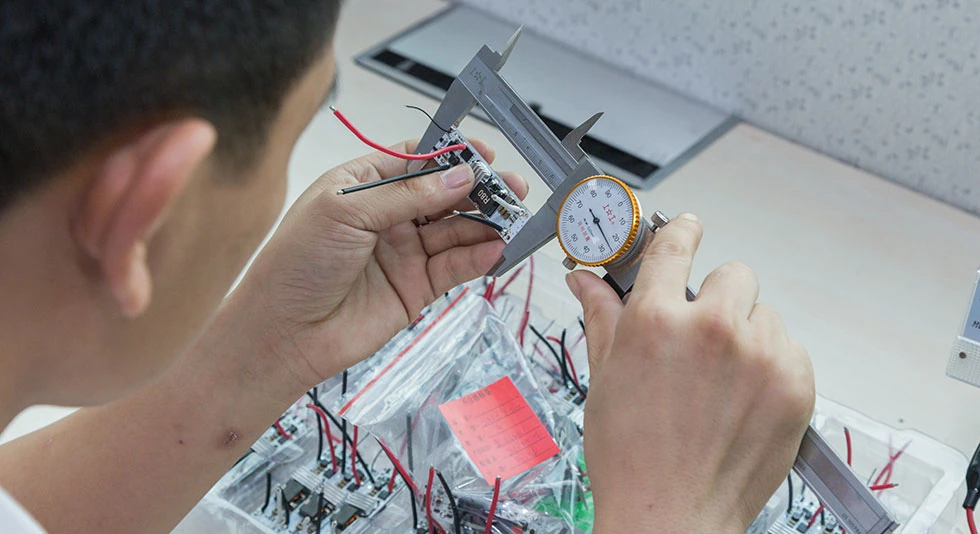
Devices rarely stay frozen between approval sample and the second production run. The real test of a factory’s process is how it handles a change request once tooling exists and a batch is already scheduled.
📷 5.1 Requiring a Change Log Format Before Production Starts
Northfield asked each factory to describe how it would log a design change — what gets recorded, who signs off, and how a revised interface or dimension would be communicated back for approval before the change reaches tooling. Factories that already had a simple, named format to offer were treated as more production-ready than those that described change control as something handled informally “as needed.”
🏷️ 5.2 Comparing How Factories Handle Mid-Run Change Requests
The brief asked a direct, hypothetical question: if a minor adjustment to a non-critical dimension were requested mid-run, what is the process, and does it pause production or run alongside it. The answers differed meaningfully — one factory described a formal pause-and-approve step before any midstream change, while another described an informal verbal confirmation process with no written trail. For a brand trying to maintain a record of exactly what changed and when, the formal process is the one that keeps later batches traceable back to a known revision.
🏷️ 6. Batch Traceability for Repeat Orders and Repairs
Before a repeat order, the brand needs a way to tell which configuration a returned unit came from. Ask the supplier to show, using a fictional or anonymized example, how a lot identifier connects to an assembly revision and an approved change record.
🏷️ 6.1 Requesting Lot or Date Code Practices in the Proposal
Northfield asked each factory to describe, at a general level, how it identifies and records individual production batches — whether through lot codes, date codes, or an internal batch log — without asking for proprietary detail on how that system works internally. The point of the question was not to audit the system itself at this stage, but to confirm that a batch-identification practice exists at all before committing to a reorder relationship.
🧪 6.2 Asking How a Factory Handles a Field Return Trace-Back
The more useful comparison question is hypothetical: if a unit were returned with a reported defect, how would the factory trace it back to its production batch, and what information would it need from Northfield to do so. A factory able to describe this process clearly — even in general terms — is signaling that batch records exist and are retrievable, which matters more at reorder time than it does on the first purchase order.
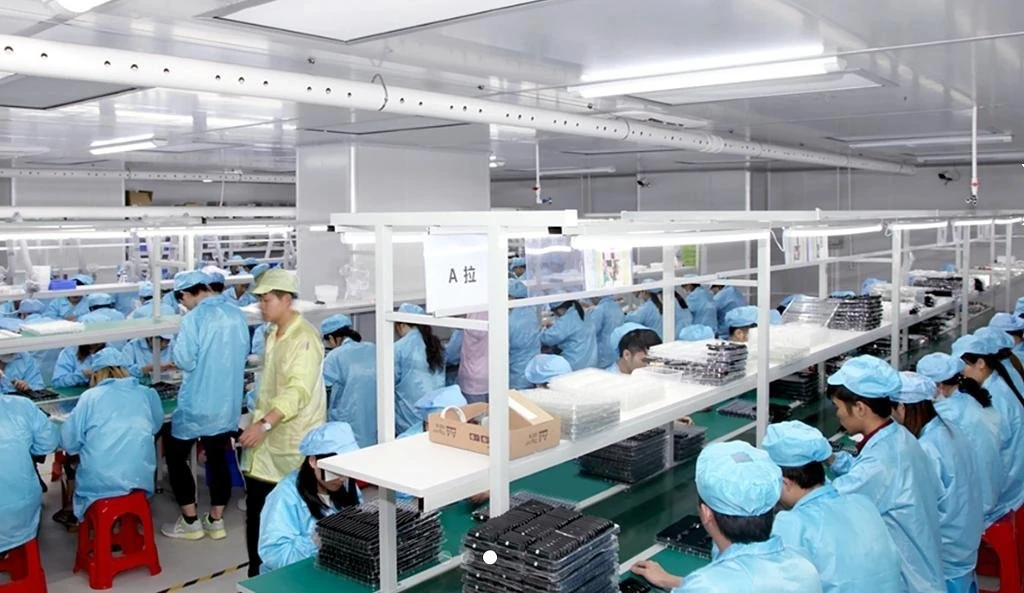
📊 7. Building a Side-by-Side Decision Record
Once responses, samples, and proposed terms are in hand, the comparison itself needs a structure, or the decision quietly reverts to price and gut feeling.
🧪 7.1 Scoring Responses Against the Same Checklist
Northfield built a simple comparison table using the categories above — brief restatement accuracy, assumptions documentation, approval sample and pilot-lot definitions, tooling custody terms, change control process, and batch traceability practice — and scored each factory’s written response against the same questions. The table made it possible to separate factories that answered thoroughly in writing from those that simply discussed things verbally and promised details later.
🧰 7.2 Treating Repeat-Order Evidence as Part of the Comparison
A supplier may show a sample reorder record or describe its workflow in an anonymized example. Compare the process across candidates without asking them to reveal another client’s drawings or purchase details. A good example links a named revision, a dated approval and a decision about any proposed changes.
None of the comparison points above are a substitute for a brand’s own review of what applies to its specific product, market, and shipment. Response times, costs, and lead times vary by factory and by project, and nothing here should be read as a guarantee of any of them. Before committing to a factory or a shipment, a brand should independently confirm with qualified counsel and the relevant authorities which requirements apply to its product and its destination market, since those requirements vary by jurisdiction and by product category and are outside the scope of an engineering comparison like this one.
📏 8. Compare Evidence of a Useful Engineering Response
Imagine the fictional team sends each factory the same empty-hardware brief. The front enclosure must fit an approved insert, the finish is still open, and the team needs a way to identify a removable top. One reply gives a price. Another requests the insert drawing and marks the finish as provisional. A third identifies an assumption about the cap and proposes comparing two empty samples. Record which question each reply resolved and what remains open. That gives the team a better comparison than trying to rank three quotes with different assumptions.
⏱️ 8.1 Separate Acknowledgment From a Technical Answer
Record how long each supplier takes to acknowledge the brief and how long it takes to answer one defined engineering question. Ask the named technical owner to confirm one unresolved interface and explain which input is missing. A fast acknowledgment and a useful technical answer are separate observations. AOVAPE’s manufacturing quality overview provides related examples of evidence a brand can request.
🧪 8.2 Ask What the Pilot Record Would Show
Use the same questions for the proposed pilot lot. Ask which sample revision the lot would follow, which measurements apply and how the supplier would record a nonconforming unit. The Protolabs first article inspection document illustrates one way to record dimensional checks. It is a reference for the difference between receiving a physical sample and receiving an inspection record. Ask each factory what it can provide for your specific product.
The hardware platform overview separates a reference form from a structural change, while the OEM/ODM overview describes broader development paths. On your own brief, identify which feature gives the product its distinct role and which details are deliberately flexible. When a candidate suggests a modification, ask it to map that change to the fixed and flexible requirements. The best comparison records the specific decisions the brand can carry forward into a sample and a subsequent order.
🤝 9. Assign Ownership of the Work That Happens Between Orders
In discussions about taking prototypes into production, founders ask about finding a technical contact, coordinating several operations and understanding when outside testing enters the project. Those questions have a common consequence: someone needs to know who owns a task and who receives the result. For the fictional Northfield project, the proposal can identify the supplier’s engineering contact, the brand reviewer and the party arranging any outside evaluation. Give each task an input, a deliverable and a decision owner. The supplier can then say which steps it handles and where an outside organization would be involved.
📎 9.1 Compare the Records a New Project Contact Could Use
Suppose the original factory contact moves to a different project before the second run. Ask each candidate to describe what a new contact could retrieve from the original release. A reference unit helps if it is still identified. A dated drawing approval helps if it points to the correct revision. A generic statement that the product will be made as before leaves both decisions open. A repeat-order plan should give a new person enough context to check the configuration without relying on old messages that only the previous contact can interpret.
🧰 9.2 Tie Spare Assemblies to the Product the Brand Approved
Ask which spare assembly records would follow a production release and how an updated assembly would be labeled. If one proposal includes replacement tops, confirm which configuration they belong to and what happens when a later order uses a different cap. If another proposal offers only full-device replacements, note that as a separate support model. Comparing these terms while the parts are still defined is easier than waiting until someone sends a picture of a damaged piece and asks which spare matches it.
The final decision should say what the selected proposal established, what the pilot must still confirm and what the brand expects to see on a later reorder. For the product’s distinctive feature, record the actual physical reference and the drawing that controls it. That gives the next review a concrete starting point when the brand changes the finish, requests a new batch or evaluates an alternate source.