🔥 1. What Is a Vaporizer for Weed?
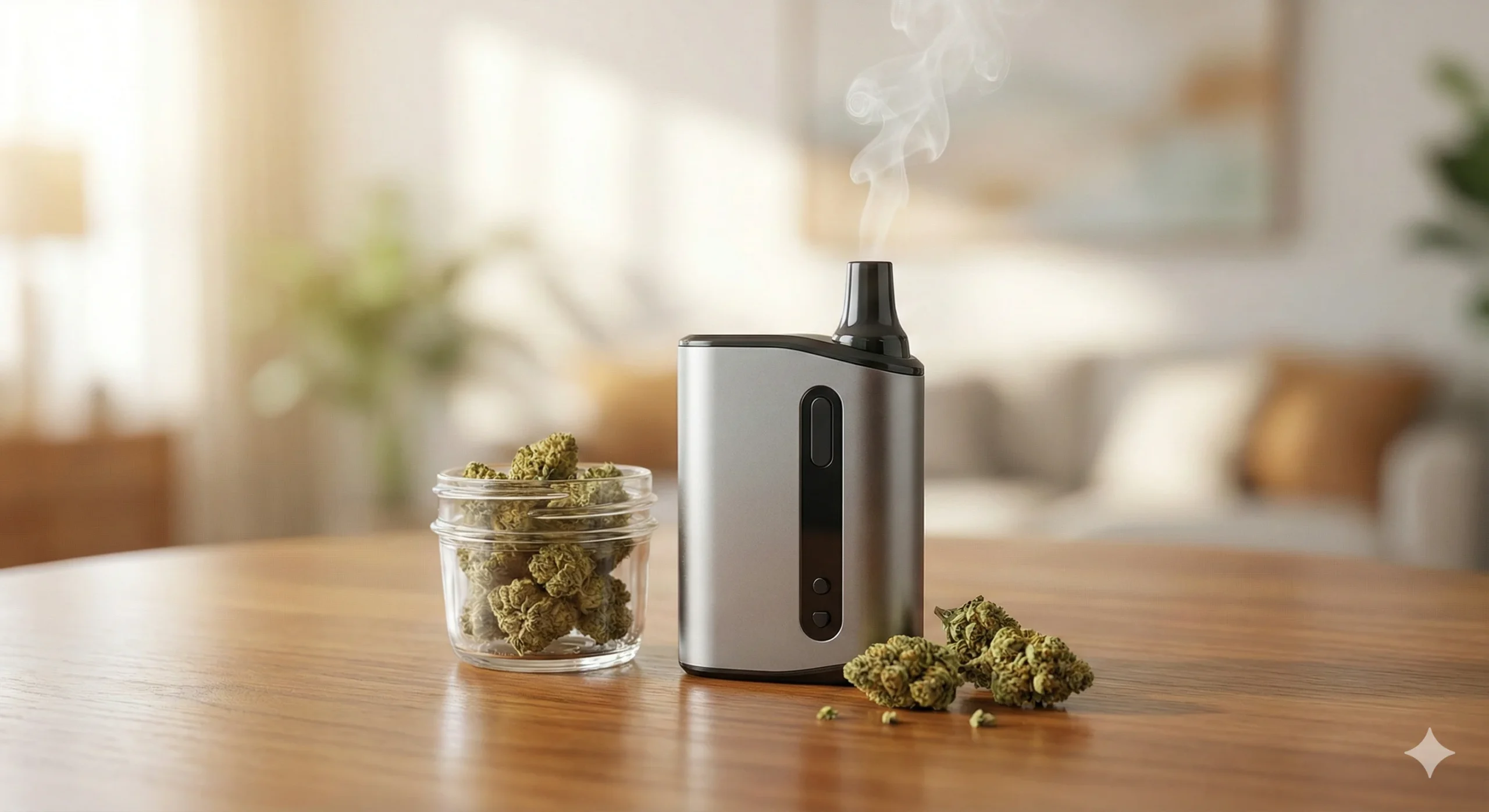
💨 A vaporizer weed device is designed to heat cannabis flower (or compatible materials) to a temperature that releases cannabinoids and terpenes as vapor, without reaching combustion. This process avoids burning the plant material, which helps reduce smoke-related toxins.
Instead of producing smoke, weed vaporizers generate vapor by carefully controlling temperature. This allows users to experience the active compounds of cannabis with improved flavor clarity and smoother inhalation.
At a basic level, every weed vaporizer includes:
- A heating system
- A chamber for dry herb
- A power source (usually a rechargeable battery)
- An airflow path and mouthpiece
⚙️ 2. How Weed Vaporizers Work
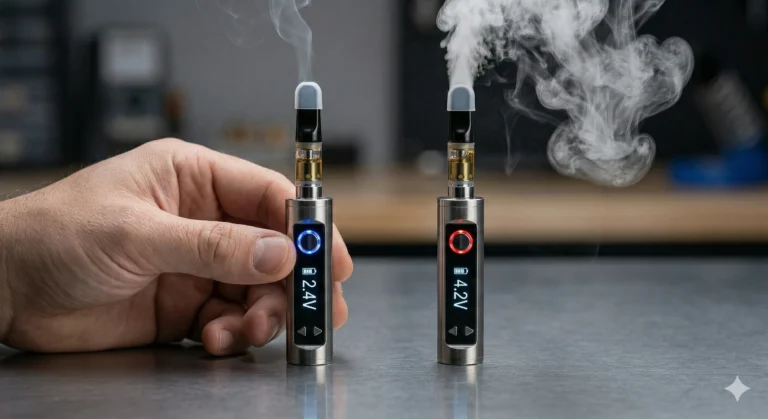
🔌 Weed vaporizers work by applying controlled heat to cannabis flower. When the temperature reaches the boiling point of cannabinoids and terpenes, vapor is released and inhaled—without igniting the material.
Most modern devices rely on precise temperature control to balance vapor production and flavor. Too much heat can degrade terpenes, while too little heat may result in weak vapor.
The heating process is typically powered by an internal lithium-ion battery, which supplies energy to the heating element while onboard electronics regulate output for consistency and safety.
🔥 3. Heating Methods Explained
🔥 3.1 Conduction Heating
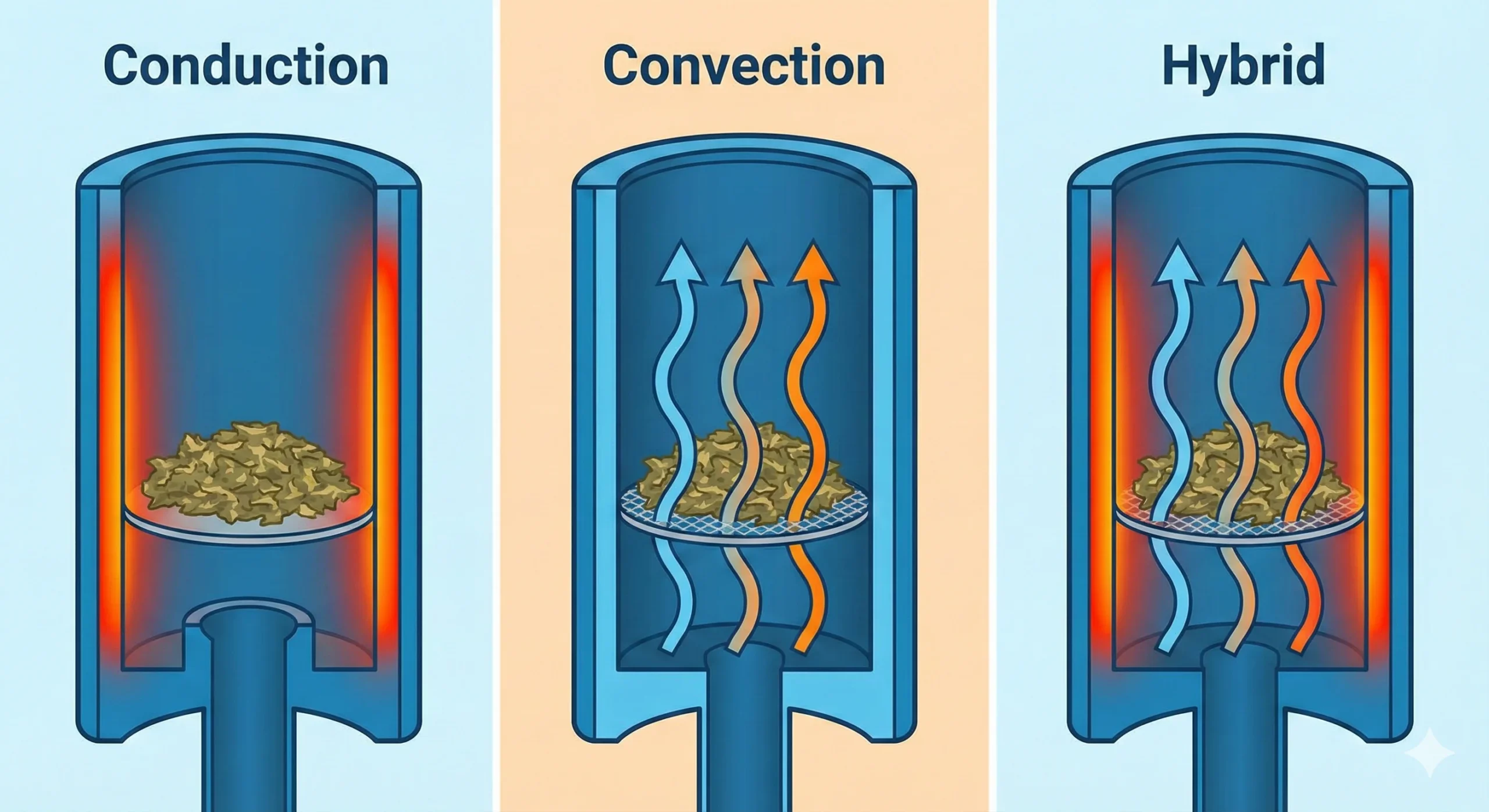
🔥 Conduction vaporizers heat weed through direct contact with a hot surface. This method heats quickly and is often found in compact, budget-friendly devices.
Pros:
- Fast heat-up time
- Simple design
- Affordable pricing
Cons:
- Potential for uneven heating
- Requires stirring in some designs
💨 3.2 Convection Heating
💨 Convection heating uses hot air that flows through the weed chamber, extracting vapor evenly without direct contact.
Pros:
- More even extraction
- Better flavor preservation
- Reduced risk of scorching
Cons:
- Higher cost
- Slightly longer heat-up time
🌪️ 3.3 Hybrid Heating
🌪️ Hybrid systems combine conduction and convection to balance fast heating with improved flavor and efficiency. This approach is increasingly popular in mid-to-high-end weed vaporizers.
🧳 4. Types of Weed Vaporizers
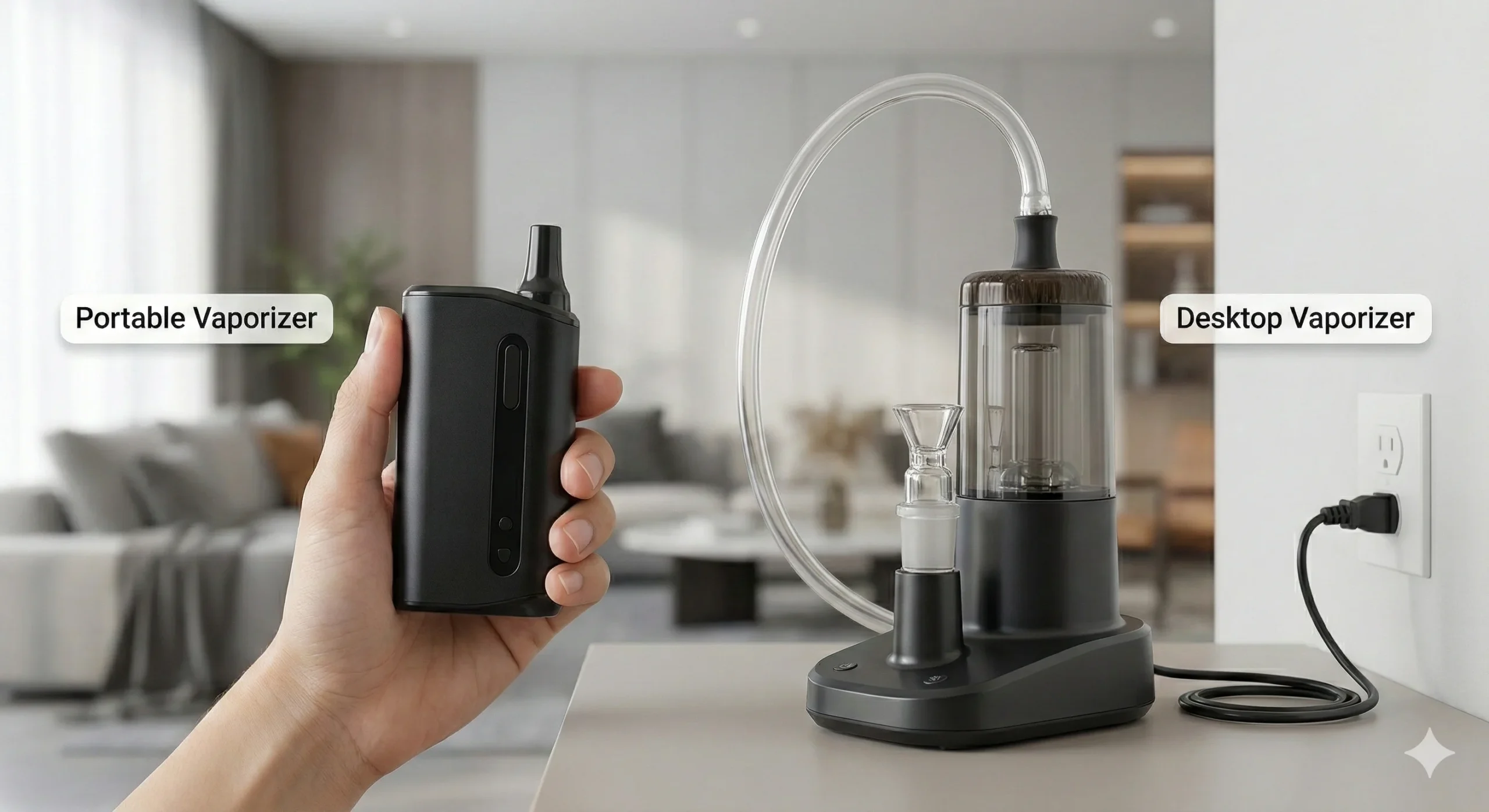
📱 4.1 Portable Weed Vaporizers
📱 Portable vaporizers are battery-powered and designed for on-the-go use. They are compact, discreet, and suitable for daily sessions.
Most modern portable weed vaporizers include adjustable temperature control, rechargeable batteries, and simplified operation.
💻 4.2 Desktop Weed Vaporizers
💻 Desktop units are plug-in devices designed for home use. They offer stronger heating power, precise temperature stability, and longer sessions.
These devices are often preferred by medical users or enthusiasts who prioritize performance over portability.
🌡️ 5. Temperature Control & Flavor Zones
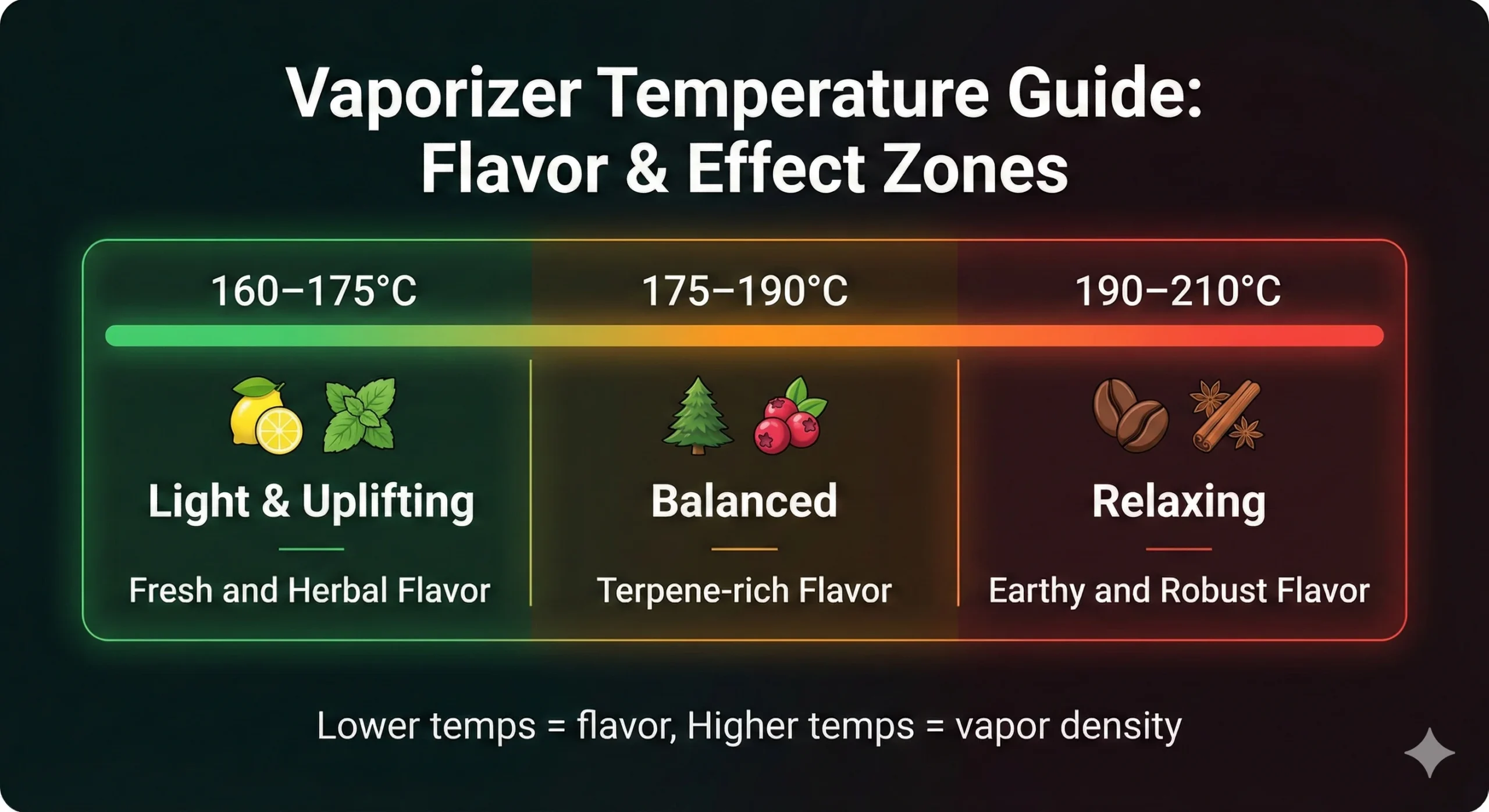
🌡️ Temperature control is one of the biggest advantages of using a weed vaporizer. Different temperature ranges produce different effects and flavor profiles.
| Temperature Range | Effect | Flavor Profile |
|---|---|---|
| 160–175°C (320–347°F) | Light, uplifting | Fresh and herbal |
| 175–190°C (347–374°F) | Balanced | Terpene-rich |
| 190–210°C (374–410°F) | Relaxing | Earthy and robust |
Lower temperatures emphasize flavor, while higher temperatures increase vapor density and body effects.
🏆 6. Why Many Users Prefer Vaporizer Weed Over Smoking
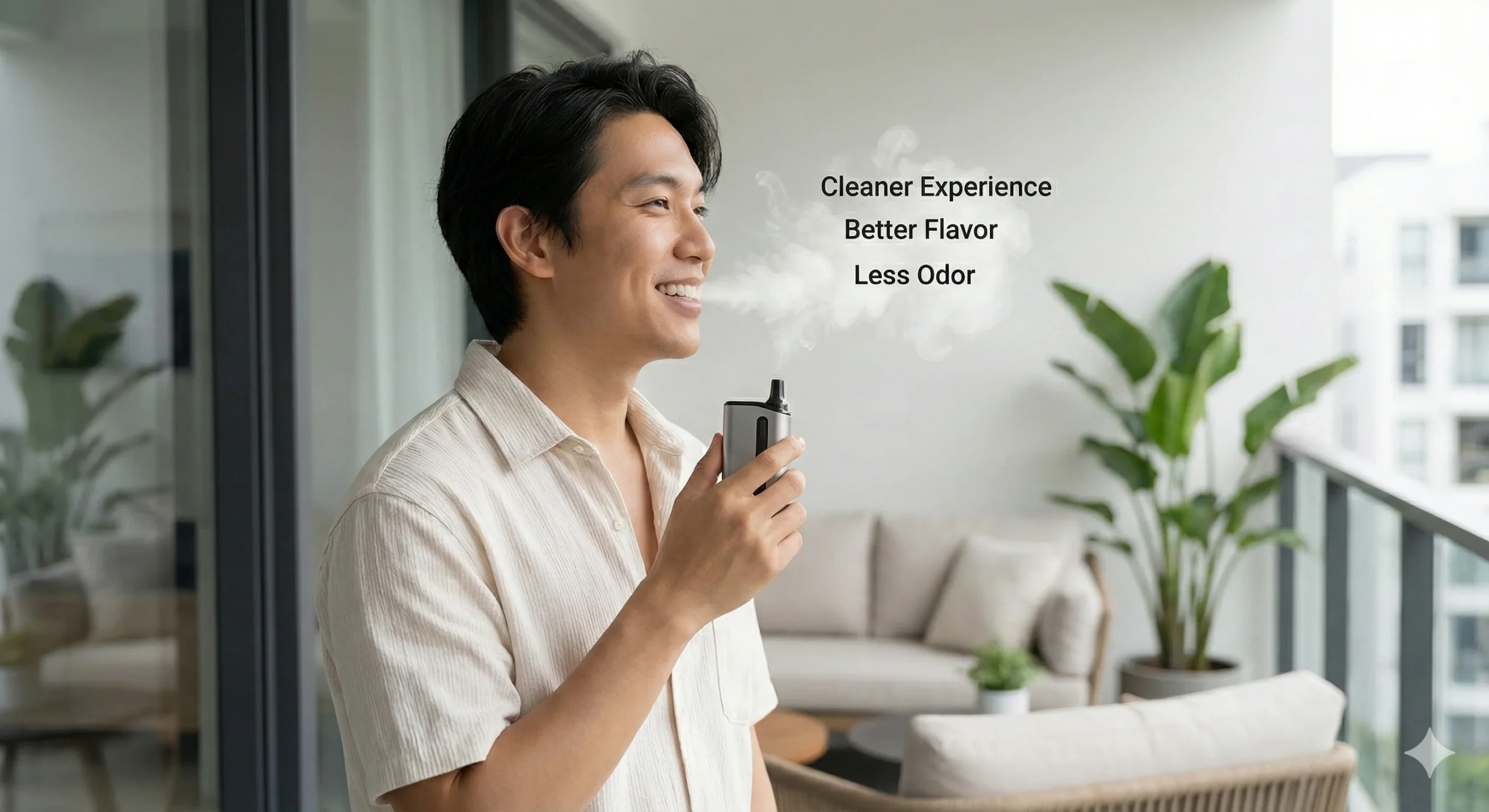
✅ One of the main reasons users switch to weed vaporizers is the difference in experience compared to smoking.
- Reduced smoke and ash
- Smoother inhalation
- Better flavor clarity
- More efficient use of cannabis
- Less lingering odor
By avoiding combustion, vaporizers help preserve active compounds while minimizing unwanted byproducts.
🔋 7. Battery & Power Considerations
🔋 For portable weed vaporizers, battery performance directly affects usability. Factors such as battery capacity, charging speed, and power regulation all play a role in session quality.
Common battery considerations include:
- mAh capacity (runtime)
- USB-C vs Micro-USB charging
- Heat-up efficiency
- Battery safety protections
Reliable battery management ensures consistent vapor and longer device lifespan.
🛡️ 8. Safety & Build Quality
🛑 A quality weed vaporizer should include built-in safety features to protect both the user and the device.
- Overheat protection
- Overcharge and over-discharge protection
- Automatic shutoff
- Stable temperature control
Build quality also matters. Materials such as ceramic chambers and food-grade airflow paths contribute to cleaner vapor and long-term durability.
🧠 9. How to Choose the Right Weed Vaporizer
🧭 Choosing the right vaporizer weed device depends on usage habits, budget, and expectations.
Key questions to consider:
- Portable or desktop?
- Conduction, convection, or hybrid heating?
- Adjustable temperature or preset levels?
- Battery life vs compact size?
- Ease of cleaning and maintenance?
For retailers and brands, consistency and reliability are often more important than extreme specifications.
🧼 10. Maintenance Tips for Better Performance
🧽 Regular maintenance helps preserve flavor and extend device lifespan.
- Clean the chamber and mouthpiece regularly
- Avoid overpacking the herb chamber
- Use recommended temperature ranges
- Store the device in a cool, dry place
🏭 11. OEM & Private Label Considerations
🏗️ For businesses, weed vaporizers offer strong opportunities for differentiation through design, performance tuning, and branding.
OEM buyers typically evaluate:
- Heating consistency across batches
- Battery stability and safety
- Material quality and certifications
- Customization options for branding and packaging
A stable, easy-to-use platform often outperforms overly complex designs in long-term market performance.
❓ FAQ
1️⃣ Is vaporizer weed healthier than smoking?
Vaporizing avoids combustion, which can reduce exposure to harmful byproducts compared to smoking.
2️⃣ Can weed vaporizers smell?
Yes, but the odor is typically lighter and dissipates faster than smoke.
3️⃣ What temperature is best for beginners?
Many beginners start around 175–185°C to balance flavor and vapor.
4️⃣ Do weed vaporizers require grinding?
Most devices perform best with medium-fine ground flower for even airflow.
5️⃣ How long does a portable vaporizer battery last?
Runtime varies by capacity and temperature settings, but many support multiple sessions per charge.
6️⃣ Are weed vaporizers hard to clean?
Regular light cleaning is easy and helps prevent buildup.
🚀 Final Thoughts
Using a vaporizer weed device offers a modern, controlled way to enjoy cannabis flower. With better flavor, reduced combustion, and improved efficiency, vaporizers continue to shape how users and brands approach weed consumption.
Whether you are exploring options for personal use or sourcing devices for retail or OEM projects, focusing on heating quality, battery reliability, and overall build consistency will lead to better long-term results.