💧 1. Understanding the 510 Cartridge Bubbler Concept
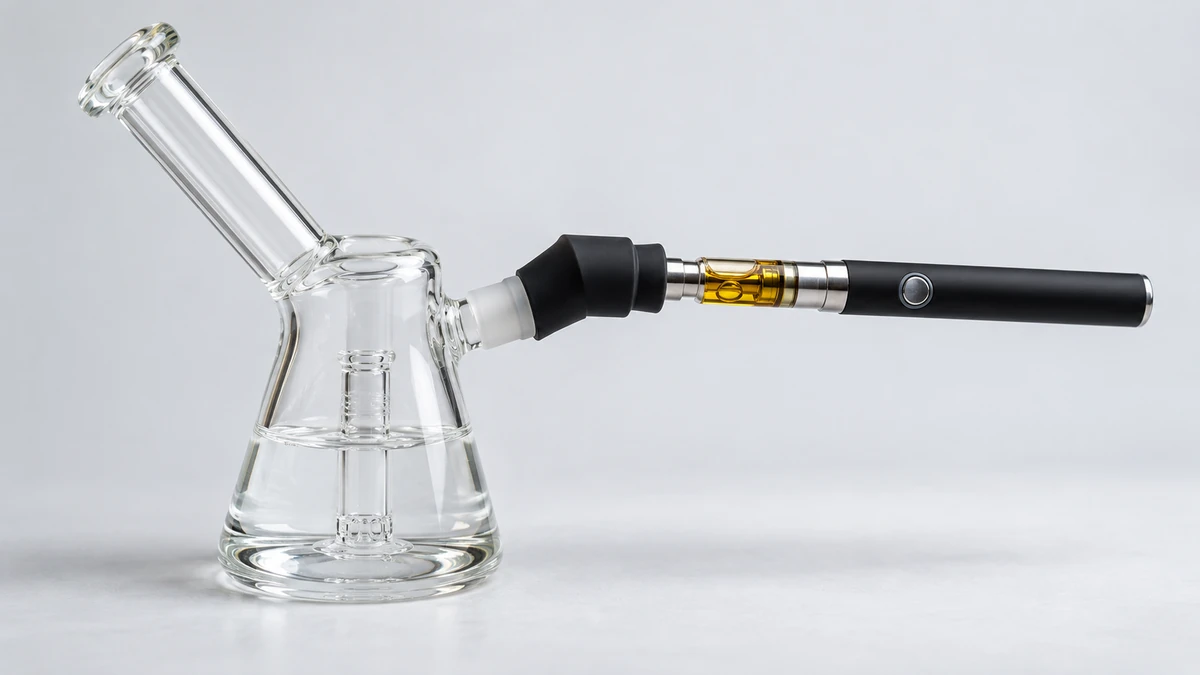
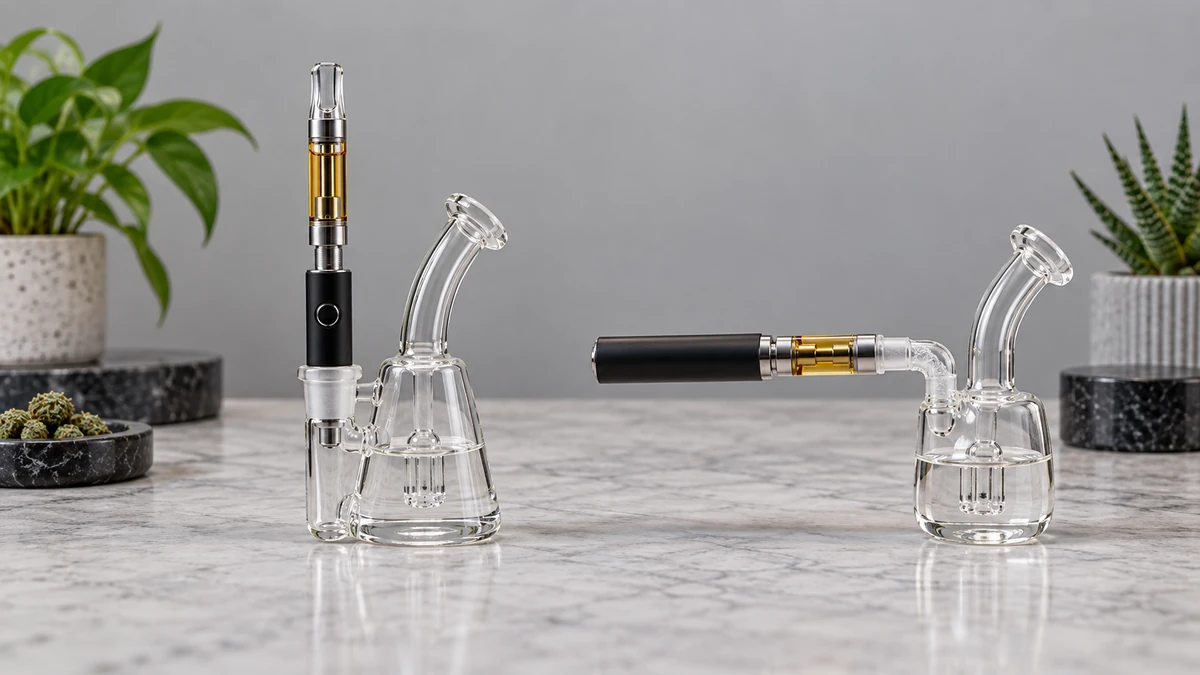
A 510 cartridge bubbler refers to any setup that routes a standard 510-threaded cartridge through a water chamber before the vapor reaches the mouthpiece. The idea borrows directly from traditional water pipe design, where vapor or smoke passes through a liquid-filled chamber and picks up moisture and a cooling effect along the way. With cartridges, this can happen in one of two ways: through a separate adapter piece that connects a cartridge to an existing water pipe, or through a device built from the ground up with a water chamber already integrated into its structure.
🔍 1.1 What “Bubbler” Means in This Context
In cannabis and vape culture, “bubbler” usually describes a small water pipe, but when paired with 510 cartridges it more specifically means any water-chamber attachment that a cartridge threads into or connects near. The vapor generated by the cartridge’s heating element travels down through a stem or channel, bubbles through water, and exits through a mouthpiece. The mechanics are simple, but the execution varies a lot depending on the hardware involved.
🧩 1.2 Adapter-Based Path
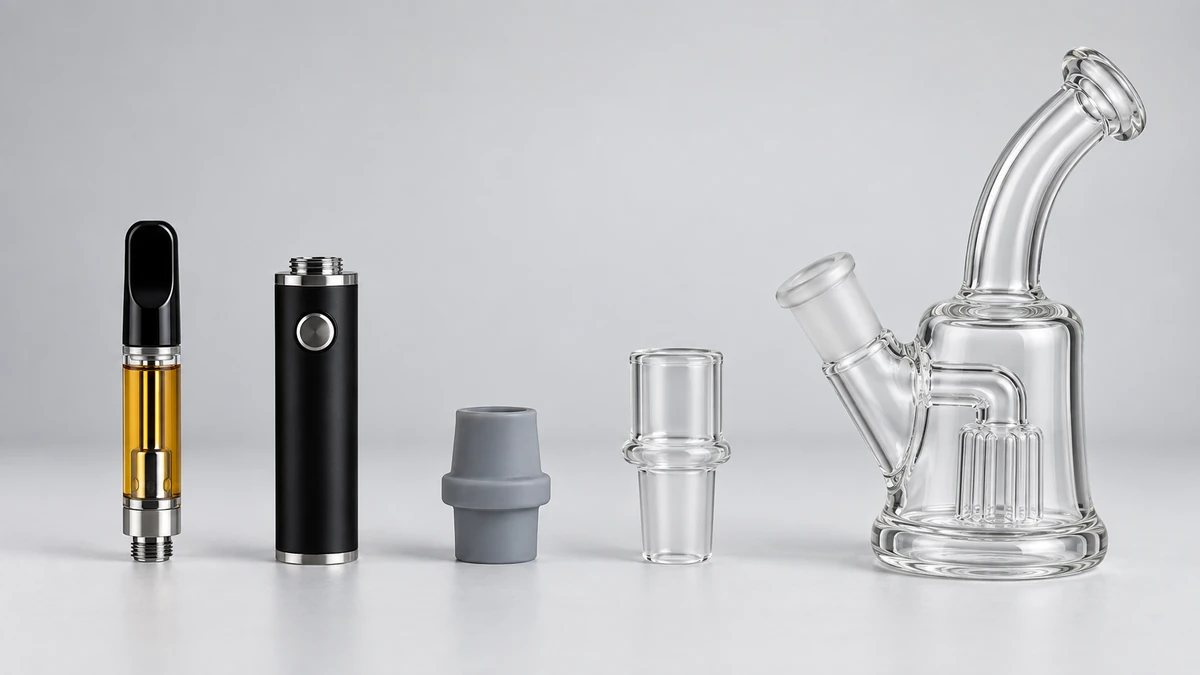
The adapter-based path is the more common route for people who already own a water pipe or bubbler and want to use it with a cartridge instead of flower or concentrate. An adapter typically has a 510 female thread on one end so a cartridge screws directly into it, and a joint on the other end sized to fit a standard water pipe downstem or female joint opening. This guide on the vape cartridge water bong adapter covers how these pieces are generally structured and what to look for before pairing one with existing glass.
Adapters are popular because they don’t require buying a whole new device. Someone with a bubbler already sitting on a shelf can add a cartridge-compatible piece without replacing anything else. That flexibility is a big part of why this category shows up often in online discussions from adults comparing water pipe adapters and asking which ones actually seal well.
📐 1.3 Integrated Path
The integrated path skips the adapter step entirely. These are devices manufactured with a water chamber as part of the original design, so the cartridge threads into a fixed 510 connector that sits directly above or beside the water reservoir. Integrated designs tend to have more predictable airflow because the manufacturer has already accounted for how vapor should travel through the water and out the mouthpiece. There’s less guesswork about fit, but also less flexibility if someone wants to switch to a different style of glass later.
🔄 2. Cartridge Orientation and Airflow Geometry
Orientation matters more with 510 cartridge bubblers than it does with a standard battery setup, mainly because gravity and liquid movement come into play once water is introduced to the equation.
⚙️ 2.1 Gravity-Fed Intake Apertures
Most 510 cartridges rely on small intake apertures near the base of the tank, close to the heating coil, to let air in and carry vapor upward through the mouthpiece. When a cartridge is used upright, as it would be on a standard battery, gravity keeps the reservoir’s oil away from those intake points under normal conditions. Once a cartridge is repositioned for use with a bubbler, whether that means resting horizontally in an adapter or tilting during a draw, the relationship between the oil level and those intake ports can shift.
This is a purely mechanical consideration tied to how the cartridge is built, not a claim about performance or safety. It simply means that orientation affects whether the intake apertures stay clear or end up closer to the liquid inside the tank.
🧭 2.2 Horizontal and Inverted Positioning
Some adapter setups place the cartridge horizontally, parallel to the ground, rather than vertically. Others invert it so the mouthpiece end points downward into the adapter and the cartridge base faces up. Both configurations move the intake apertures relative to where the oil naturally settles. In a horizontal position, oil may spread along one side of the tank depending on how full it is, potentially keeping it away from apertures on the opposite side. In an inverted position, oil can shift toward the base, which is sometimes farther from the coil’s intake area than the mouthpiece end would be.
This is one of the more frequently discussed technical questions among adults trying different adapter setups: whether a given orientation helps keep oil away from the intake ports or whether it makes an unrelated seal or leak issue worse. There’s no universal answer because cartridge internal designs vary by manufacturer.
💧 2.3 Why Orientation Questions Come Up Often
Cartridge internals aren’t standardized beyond the 510 thread itself. Coil placement, wick material, and the number and location of intake apertures differ from one brand to the next. That means an orientation that works cleanly with one cartridge might behave differently with another. People experimenting with adapters often end up testing a few positions before settling on one that matches their particular cartridge’s internal layout. The 510 cartridge guide goes into more detail on how cartridge construction varies and why that affects compatibility with accessories like bubbler adapters.
🔧 3. Seals, Mouthpiece Interfaces, and Joint Sizing
Once orientation is sorted out, the next practical hurdle is making sure everything actually seals together without leaking air or liquid at the connection points.
🧼 3.1 Seal Materials and Fit
Adapters commonly use rubber or silicone O-rings and grommets to create an airtight seal between the 510 thread and the glass joint. The quality and fit of these seals determine whether air is pulled through the cartridge as intended or whether it leaks in around the sides, which weakens the draw and can allow water to creep backward into the cartridge threading. Seal degradation over time, especially with repeated cleaning, is one of the more common reasons an adapter that worked fine initially starts performing inconsistently.
📦 3.2 Mouthpiece Interface Considerations
The mouthpiece interface is where the water pipe or bubbler’s own mouthpiece takes over from the cartridge and adapter assembly. Because the vapor has already passed through water by this point, the interface needs to handle a mix of vapor and moisture rather than dry vapor alone. Some mouthpieces are designed with a slight downward angle or a wider bore specifically to manage that moisture without excessive splashback reaching the user’s mouth.
✅ 3.3 Joint Size Standards
Water pipe joints generally come in a few standard sizes, most commonly 14mm and 18mm, referring to the diameter of the ground glass joint. Adapters are typically built for one specific size, so matching the adapter’s joint to the water pipe’s joint is a basic compatibility requirement before anything else. A mismatch here isn’t something that can be fixed with a better seal; it requires either a different adapter or a separate joint-size converter. This is a common early-stage question for anyone assembling a setup for the first time, since joint size isn’t always obvious from a product photo alone.
🌬️ 4. Draw Resistance, Condensation, and Waterline
Adding a water chamber between the cartridge and the mouthpiece changes the physical experience of drawing on the device in a few measurable ways.
🔍 4.1 Added Draw Resistance
Pulling vapor through water requires more effort than pulling it through open air, simply because the vapor has to displace liquid and bubble upward before it can continue traveling toward the mouthpiece. This added draw resistance is a direct function of water depth and the diameter of the stem the vapor passes through. A stem submerged deeper in water, or one with a narrower diameter, creates more resistance than a shallow, wider setup.
🧩 4.2 Condensation Behavior
Vapor cools rapidly as it interacts with water, and that temperature drop leads to condensation forming inside the chamber, along the stem, and sometimes near the mouthpiece itself. Over repeated use, this condensation accumulates as a residue that mixes with the water in the chamber. It’s a normal outcome of the physical process rather than a malfunction, but it does mean that water needs to be changed and the chamber rinsed more frequently than someone might expect coming from a dry cartridge setup.
📐 4.3 Waterline Considerations
The waterline, meaning how much water sits in the chamber relative to the bottom of the stem, affects both draw resistance and how much cooling and condensation occurs. Too little water and the stem’s diffusion holes may not be fully submerged, reducing the bubbling effect. Too much water increases resistance to the point where drawing becomes noticeably harder and can even push water up toward the mouthpiece during a strong pull. Most bubbler and water pipe designs have a general reference point, often just enough to cover the diffusion holes by a small margin, though exact levels depend on the specific piece of glass being used.
🧽 5. Cleaning Routines and Compatibility Boundaries
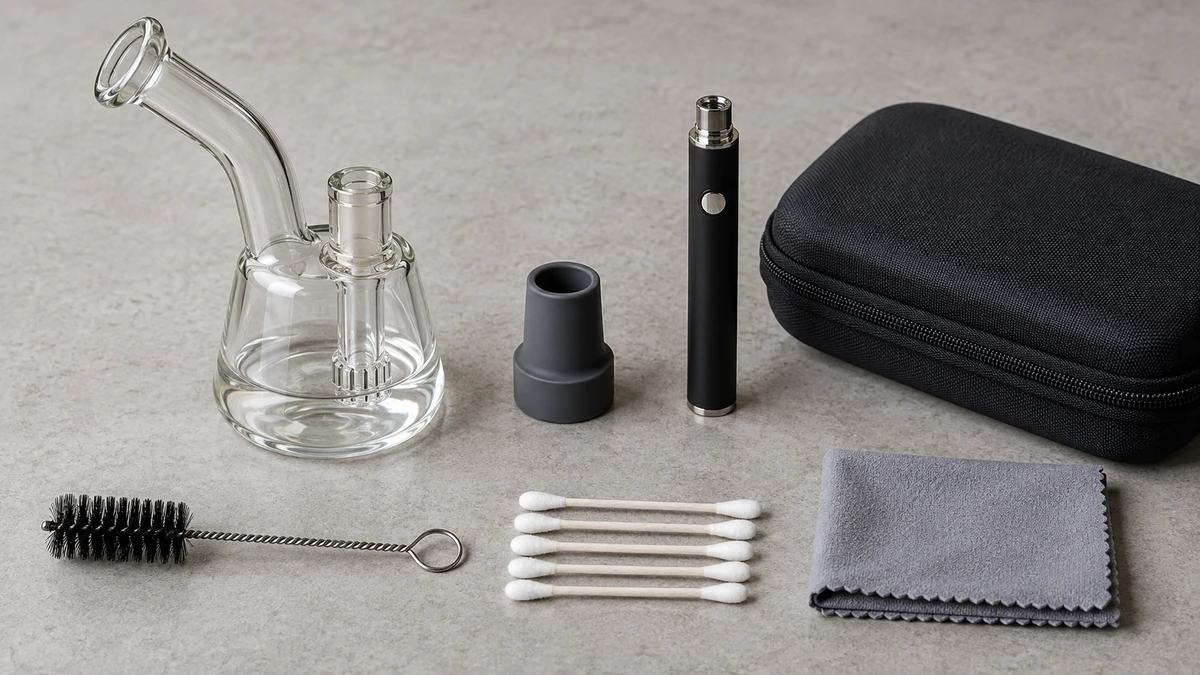
Because water and condensation are constantly present in this setup, cleaning becomes a more involved and more frequent task than with a standard dry cartridge and battery.
⚙️ 5.1 Cleaning Adapters and Bubbler Attachments
A basic cleaning routine generally includes the following steps:
- Disconnecting the cartridge before cleaning any part of the adapter or water chamber, since cartridges themselves typically shouldn’t be submerged or rinsed with liquid cleaners.
- Emptying and rinsing the water chamber after each session, or at minimum before residue has a chance to dry and harden along the glass.
- Using warm water and, when needed, a mild cleaning solution designed for glass pieces to loosen buildup in stems and diffusion holes.
- Drying seals and the 510 threading on the adapter thoroughly before reattaching a cartridge, since trapped moisture in the threading can affect the connection over time.
- Inspecting O-rings and grommets periodically for cracking or loss of elasticity, since these are the components most likely to wear out from repeated exposure to moisture and cleaning agents.
🧭 5.2 Compatibility Boundaries
Not every cartridge works well with every adapter, and not every adapter works with every water pipe. A few practical boundaries tend to come up repeatedly:
- Cartridge diameter and shape can affect how securely it sits once threaded into an adapter, particularly with wider or non-standard cartridge bodies.
- Joint size mismatches between the adapter and the water pipe are one of the most common compatibility issues, as covered above.
- Battery and mod compatibility matters when the setup involves a box mod rather than a simple 510 battery, since some mods have recessed or oddly shaped connectors that don’t align well with certain adapters. The 510 box mod cartridge guide outlines how mod-style connections differ from standard batteries and where fit issues are more likely to show up.
- Material compatibility between the adapter and cleaning agents also matters, since some plastics or resins used in certain adapters don’t hold up well to repeated exposure to isopropyl alcohol or other stronger cleaning solutions.
💧 5.3 DIY and Printed Adapter Considerations
A recurring topic among people building their own setups is the use of 3D-printed adapters as a substitute for commercially made ones. These raise a distinct set of fit and material questions. Printed threading, especially on smaller components like a 510 connector, can be less precise than injection-molded or machined parts, which sometimes results in a looser or tighter fit than expected. Material choice is another factor, since not all printing filaments are dense enough to hold a reliable seal or resistant enough to moisture and cleaning solutions over repeated use. Layer lines from the printing process can also create tiny gaps where air or water seeps through even when the overall shape looks correct.
These aren’t reasons to avoid DIY adapters altogether, but they explain why fit and durability questions come up so often in discussions among people who’ve tried printing their own. Testing a printed adapter’s seal with air alone, before introducing water, is one way people commonly check for obvious leaks before relying on it for regular use.