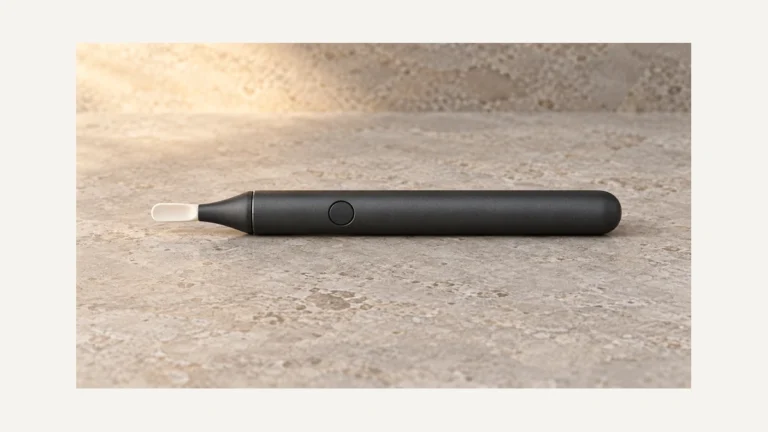
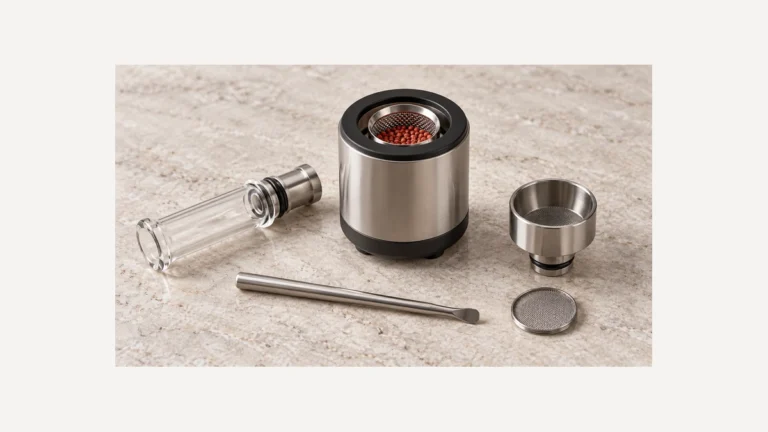
Ceramic shows up in dab tool listings more often than people expect, and the word gets applied to several very different objects. A solid ceramic pick is not the same thing as a ceramic-tipped loader with a heated handle, and neither is the same as the ceramic chamber inside a nail or bowl. Understanding those differences matters because ceramic behaves in specific ways: it can crack under stress, it wears differently than metal, and its finish can tell you a lot about how it was made. This guide walks through how to tell these tools apart, what to check before and after buying, and how to keep ceramic components in usable condition.
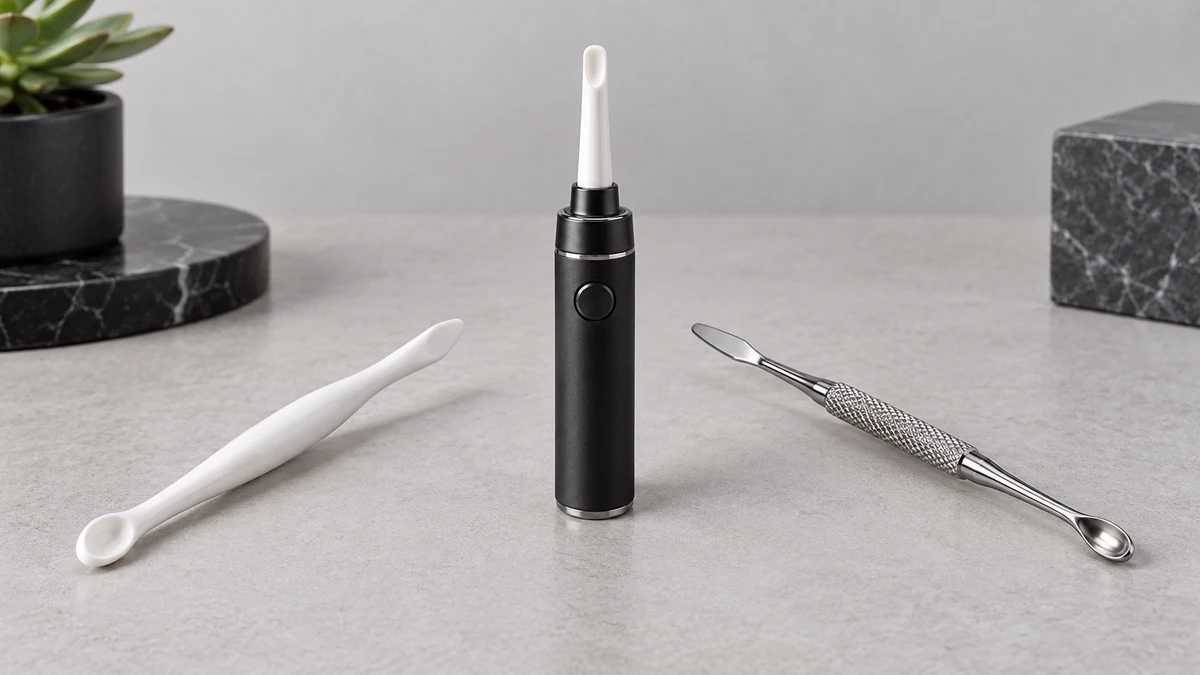
🧪 1. What “Ceramic” Means Across Different Dab Tools
“Ceramic” is a material category, not a single product. Three distinct tools get labeled this way, and mixing them up leads to confusion about durability, heat behavior, and maintenance. A broader look at how these tools compare to metal and other materials is available in the dab tools guide, which is a useful starting point before narrowing in on ceramic specifically.
🪨 1.1 Solid Ceramic Hand Tools
These are picks, scrapers, or small spatula-style tools made entirely from a fired ceramic material. They have no metal core and no separate tip. The entire object is one piece, which means any stress applied to one end travels through the whole structure. These tools are typically used cold, relying on shape and rigidity rather than heat to move material.
🔥 1.2 Ceramic-Tipped Heated Loaders
This category combines a metal or composite handle with a ceramic tip at the working end. The ceramic portion is usually a separate piece that attaches to the handle rather than being molded as one solid unit. Because the tip is a distinct component, some designs allow it to be removed and swapped, which changes how the tool ages compared to a one-piece solid ceramic pick.
🏺 1.3 Ceramic Chambers in Nails and Bowls
The third category isn’t a hand tool at all — it’s the chamber or bowl piece that holds material during heating. Ceramic chambers are fixed components, not handheld picks, and they’re built to sit inside a larger fitting rather than be gripped and manipulated. People sometimes conflate this with hand tools simply because both are described as “ceramic,” but their shape, function, and stress points are completely different.
🔍 2. Why Ceramic Is Brittle and How to Inspect It
Ceramic’s defining trade-off is that it’s hard and heat-stable but not flexible. Where metal bends under pressure, ceramic tends to crack or chip. That single fact drives most of the maintenance advice in this article.
⚠️ 2.1 Understanding Brittleness
Brittleness means the material has very little give before it fails. A metal tool that’s dropped might dent or bend slightly and keep working. A ceramic tool that’s dropped on a hard surface can chip at the tip or crack along an internal weak point that isn’t visible from the outside. This isn’t a defect specific to any one brand — it’s a property of fired ceramic in general.
Because of this, ceramic tools don’t fail gradually in the way a worn metal edge does. They tend to work fine until a specific impact or twisting force causes a sudden chip or crack. That’s why inspection before each use matters more with ceramic than with more forgiving materials.
🔎 2.2 Edge Inspection Habits
A quick visual and tactile check takes a few seconds and catches most problems early. Things worth looking for:
- Hairline cracks near the tip or where the ceramic meets a handle or fitting
- Small chips along the working edge that weren’t there before
- Rough or uneven spots that feel different from the rest of the surface
- Any looseness where a ceramic tip connects to a metal handle
Running a fingertip lightly along the edge can reveal small chips that are hard to spot visually, especially on tools with a matte or textured finish.
✨ 2.3 Surface Finish Clues
Surface finish says something about how the piece was manufactured, though it doesn’t guarantee performance on its own. A smooth, even glaze usually indicates consistent firing, while a rough or pitted surface can suggest air bubbles or inconsistencies in the material. Neither finish alone confirms quality, but a surface covered in small pits or visible flaws is worth extra scrutiny before regular use.
🛠️ 3. Handle Attachment and Replaceable Tips
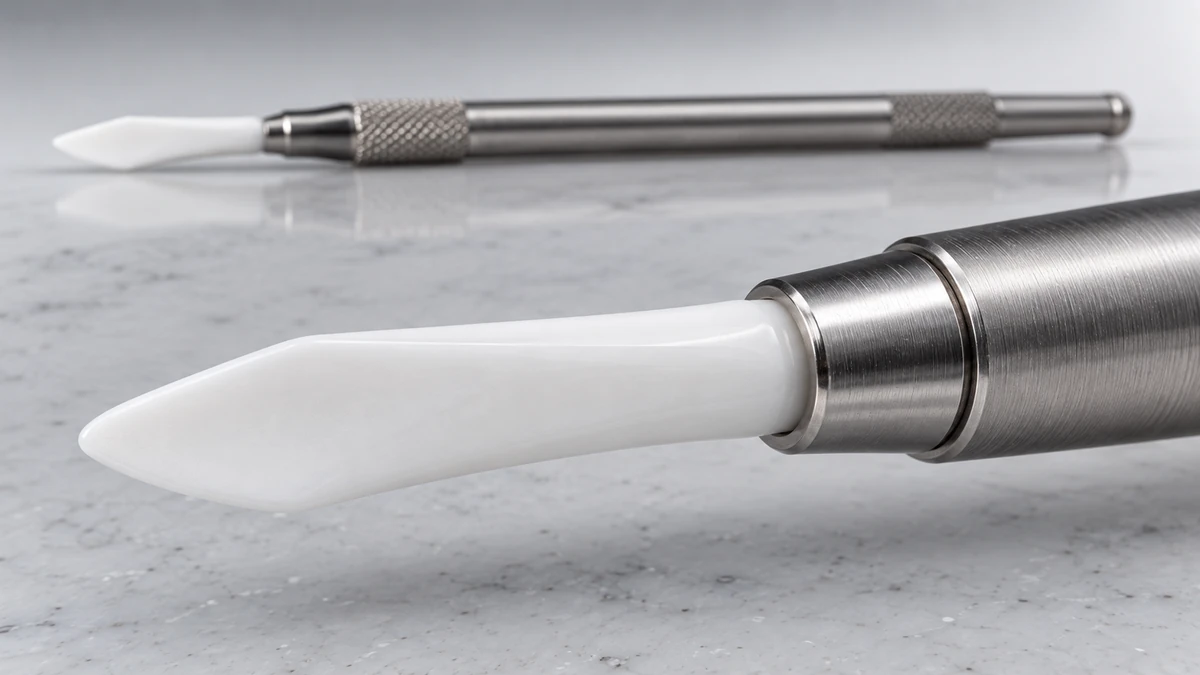
How a ceramic tip connects to its handle affects both durability and long-term usability. This is one of the biggest practical differences between solid ceramic tools and ceramic-tipped ones.
🔗 3.1 How Handles Are Joined to Ceramic
On ceramic-tipped tools, the tip is usually secured into a metal or composite housing through a friction fit, a threaded connection, or a bonding method. Each approach has different failure points. A friction-fit tip can loosen over time with repeated heating and cooling cycles. A threaded connection can wear at the threads if overtightened. Bonded joints depend on the adhesive or bonding method holding up under repeated temperature changes.
Checking this joint periodically — giving the tip a gentle wiggle to see if it has developed play — is a simple way to catch a loosening connection before it fails during use.
🔄 3.2 The Appeal of Replaceable Heated Tips
One reason ceramic-tipped loaders have gained a following is that the tip can be replaced independently of the handle. If the ceramic tip chips or wears out, the rest of the tool doesn’t need to be discarded. This is a meaningful difference from solid ceramic tools, where any damage means replacing the entire piece.
For people comparing heated tool designs more broadly, including metal alternatives that avoid ceramic’s brittleness entirely, the hot knife dab tool guide covers how heated metal tools are built and maintained, which is a useful contrast when deciding whether a ceramic tip or a different material fits a particular use case.
🧽 4. Residue Release, Cleaning, and Storage
Ceramic’s surface properties affect how easily residue comes off, and cleaning habits directly influence how long a ceramic piece stays intact.
💧 4.1 Why Residue Releases Differently on Ceramic
A glazed ceramic surface tends to be non-porous, which means residue sits on top of the material rather than soaking into it. This generally makes cleanup more straightforward compared to porous or unfinished surfaces. Unglazed or rough-finish ceramic, by contrast, has more surface texture for residue to cling to, which can make it harder to get fully clean.
🧴 4.2 Cleaning Without Stressing the Material
Because ceramic can crack from sudden temperature changes, cleaning approaches that involve extreme heat or cold shifts carry some risk. A few habits reduce that risk:
- Let a heated ceramic tip cool to room temperature before cleaning it
- Avoid plunging a warm ceramic piece into cold liquid, since rapid temperature swings can stress the material
- Use a soft brush or cloth rather than abrasive scrubbing tools that could scratch the glaze
- Check the piece for new chips or cracks after cleaning, since handling during cleanup is a common time for accidental drops
For people who prefer a softer-handling alternative for general cleanup tasks around their gear, the silicone dab tool guide covers how silicone tools are cared for, which is a helpful comparison point since silicone doesn’t share ceramic’s brittleness or its temperature sensitivity.
📦 4.3 Storage Habits That Prevent Chips
Most ceramic damage from storage comes from contact with other hard objects rather than from the material degrading on its own. Loose ceramic tools rattling around in a drawer with metal pieces are at real risk of chipping. A few practical habits:
- Store ceramic tools separately from metal tools, or with a soft barrier between them
- Use a dedicated case or pouch rather than a general junk drawer
- Keep tips pointed in a consistent direction if using a fitted case, so pressure isn’t concentrated on the tip
- Avoid stacking heavier items on top of ceramic pieces
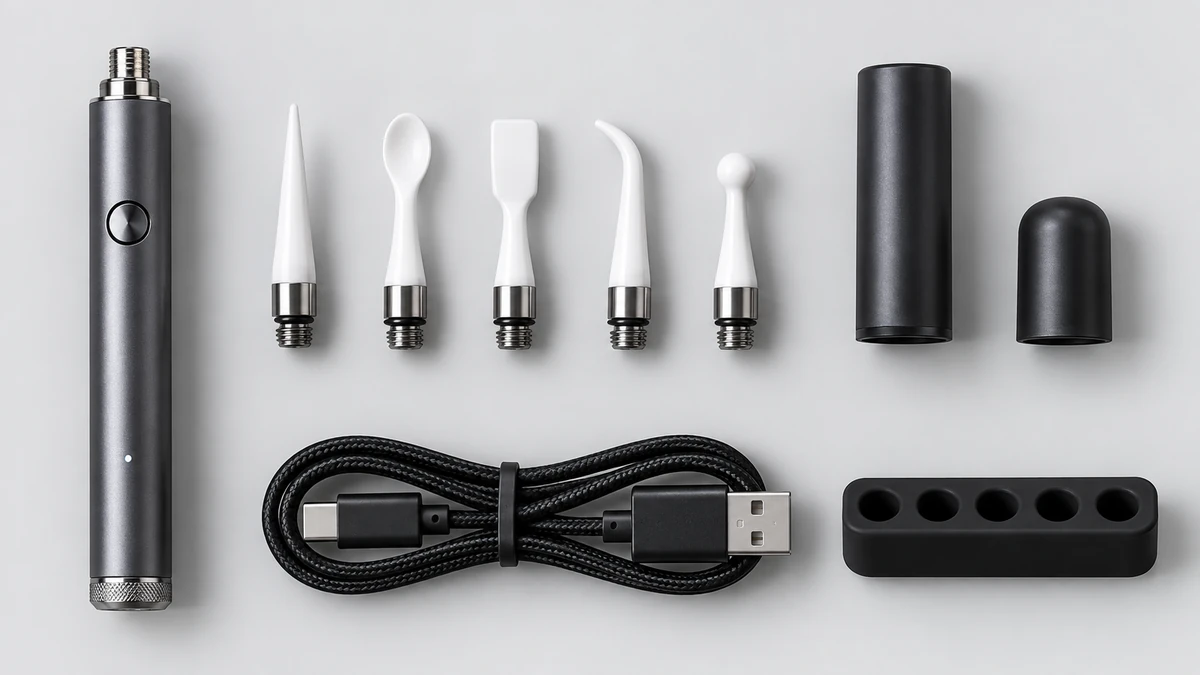
🎨 5. Why Color Alone Never Confirms Composition
A common assumption is that a certain color or finish automatically signals a specific material — white or off-white surfaces get labeled “ceramic,” for instance, just based on appearance. That assumption doesn’t hold up. Manufacturers can produce metal, composite, or coated tools in colors and finishes that visually resemble ceramic, and glazed ceramic itself comes in a wide range of colors that don’t correspond to any particular grade or quality level.
The only reliable way to confirm what a tool is made from is checking manufacturer specifications or product documentation, not judging by how it looks or feels at a glance. This matters practically: if someone assumes a tool is ceramic based on color and treats a metal tool with the same caution reserved for brittle ceramic, they might avoid using it in situations where it would actually perform fine. The reverse is also true — treating an actual ceramic piece like a more forgiving material increases the risk of chips or cracks.
Weight can offer a rough clue, since ceramic and metal often differ noticeably in heft for a similarly sized piece, but weight alone isn’t conclusive either, since composite materials and hollow metal designs can vary widely. When composition genuinely matters — for cleaning methods, storage, or understanding how a tool might react to temperature changes — checking the actual product description is the only dependable step.
💬 6. What Community Discussions Reveal
Online discussion threads, including on Reddit, offer a window into recurring questions and concerns people have about ceramic dab tools, even though these posts are anecdotal rather than technical references.
One recurring theme is concern over ceramic pieces that feel crumbly or shed small particles rather than staying smooth and solid. This kind of report generally points to a material-condition issue — either a manufacturing flaw, damage from a drop, or degradation from repeated stress — rather than being a normal characteristic of properly made ceramic. Posts describing this often prompt other users to ask about visible cracks, the age of the piece, or how it’s been cleaned, since crumbling isn’t something well-made ceramic should do under normal handling.
A second common thread involves appreciation for replaceable heated tips. Users frequently mention preferring designs where a worn or chipped tip can be swapped out without needing to buy an entirely new tool. This lines up with the practical point made earlier: separating the tip from the handle limits how much needs replacing when ceramic damage occurs.
A third and more unusual thread involves confusion between different tool materials entirely. In one account, a user described an unrelated tool melting when it came into contact with what was assumed to be a ceramic bowl, which turned out to raise questions about whether the piece was actually ceramic or some other material entirely. This kind of mix-up illustrates exactly the point made earlier about labeling — when people assume material composition based on appearance or word-of-mouth rather than verified specifications, mismatched expectations about heat behavior can follow. It’s a reminder that anecdotal reports are useful for spotting patterns in real-world use, but they don’t substitute for checking what a specific product is actually made from.
Taken together, these community observations reinforce the core practical points: inspect ceramic tools regularly for cracks or crumbling, value designs that let you replace a damaged tip rather than the whole tool, and don’t assume material composition without checking it directly.
🧭 7. Match the Tool Construction to the Handling Job
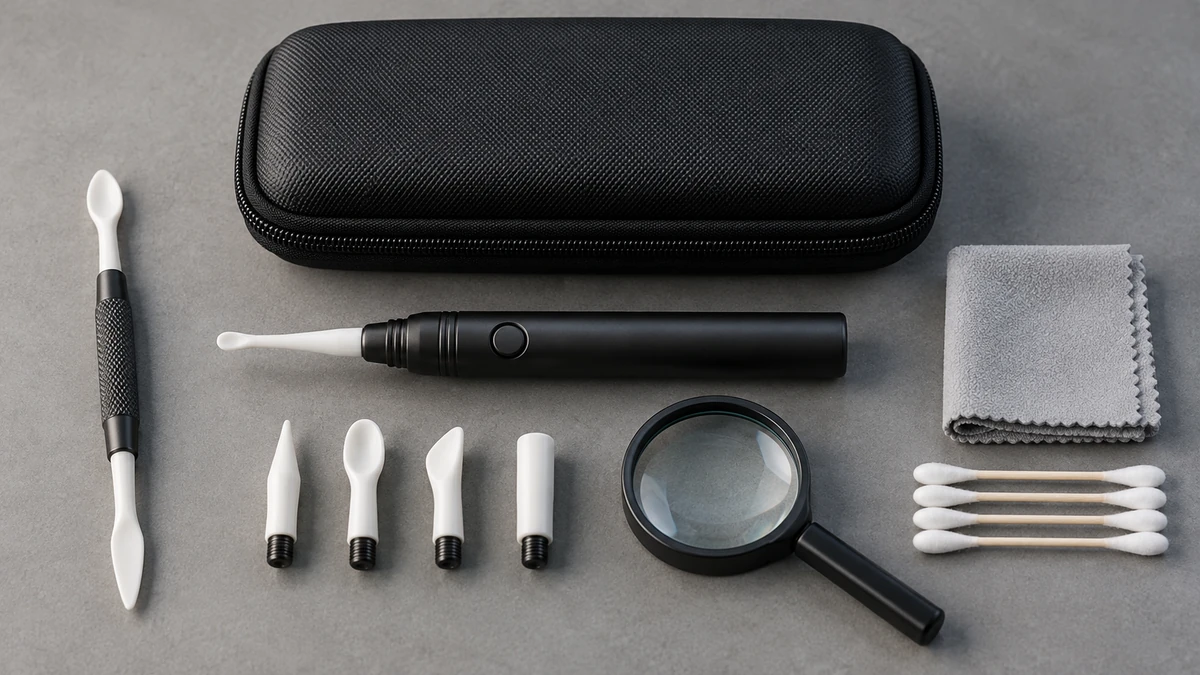
A solid ceramic hand tool and a heated loader with a ceramic tip may share a material word while solving different problems. The hand tool is mechanically simple and can offer a smooth, nonmetallic working edge. The heated version adds a powered body, tip connection, protective cap, and replacement-parts question. Compare the entire assembly rather than assuming that a ceramic tip makes both tools equivalent.
Before choosing, look at the tip profile from the side. A narrow point reaches small corners, a paddle presents a wider working face, and a rounded scoop favors lifting over precise separation. The useful shape depends on the container opening and the amount being handled. Extremely thin ceramic edges deserve especially careful inspection because an elegant profile can also be easier to chip.