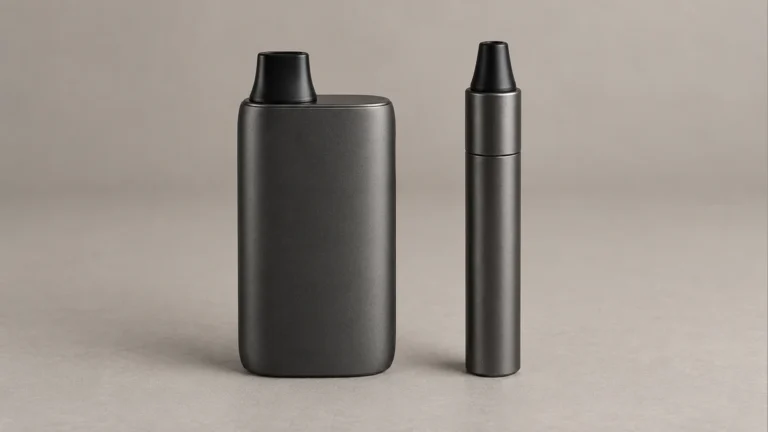
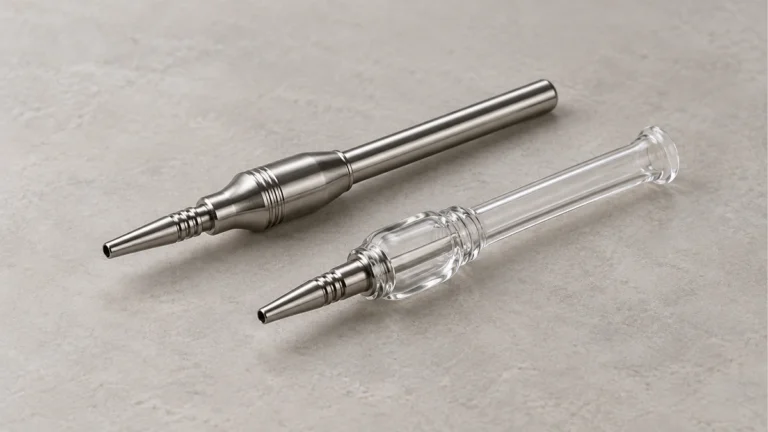
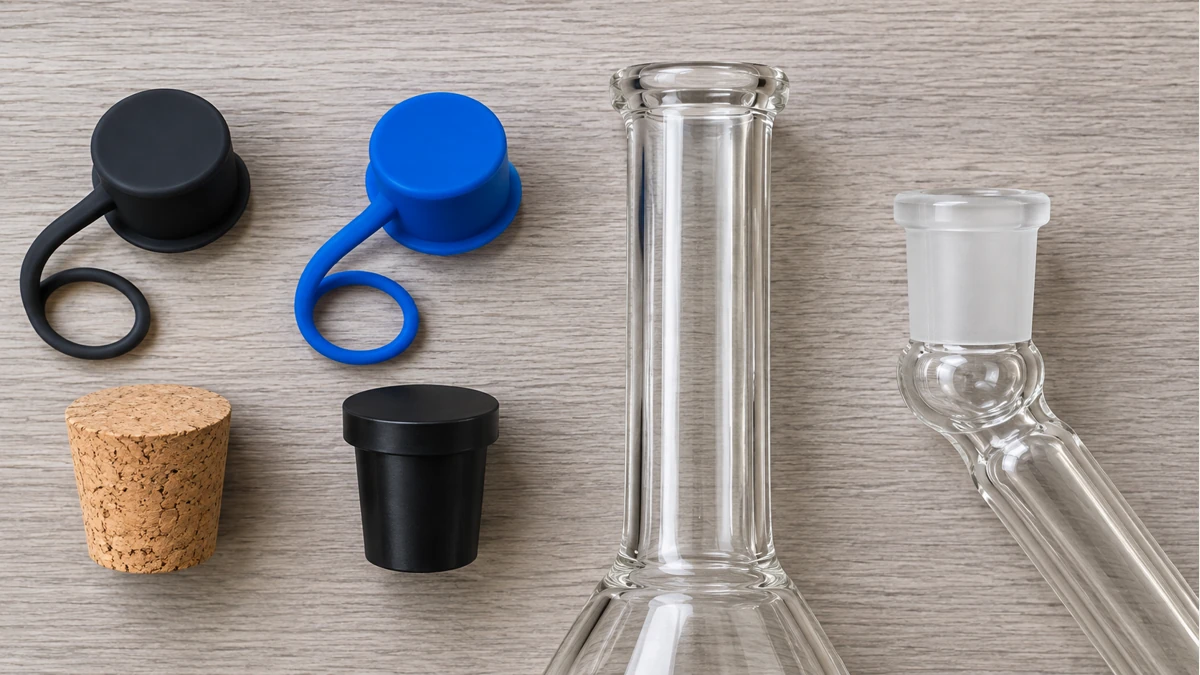
The phrase “bong cap” is used loosely online and in shops to describe several unrelated accessories. Some people mean a small cover that sits over the mouthpiece to keep dust and insects out between sessions. Others mean a stopper or plug that seals the joint where a bowl or downstem normally sits. A third group means a rigid or padded cover meant for carrying a piece from one place to another without spilling ash or water. These three objects differ in shape, material, and purpose, and a cap made for one job usually does not work for another. Understanding the differences in sizing, taper, and material helps explain why a cap that fits one piece can be loose or unusable on another, and why some pieces have no matching cap at all.
🧢 1. What People Mean by “Bong Cap”
Before comparing measurements or materials, it helps to separate the category into the three physical objects that share the nickname. Confusing them is one of the most common reasons a purchase does not match expectations.
🔍 1.1 Mouthpiece Dust Covers
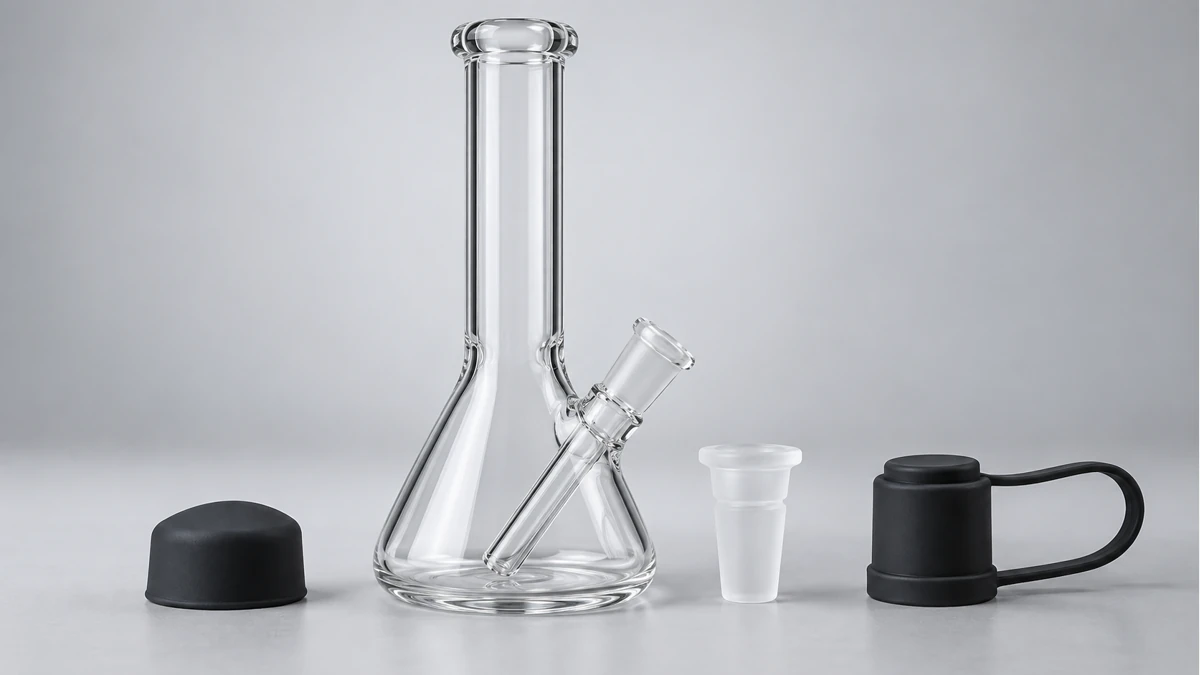
A mouthpiece cover is a shallow cap that rests over the rim of the tube a person breathes from. It is not meant to seal anything against pressure or liquid; its job is limited to keeping dust, hair, and insects off the rim between uses. These covers are typically the loosest-fitting of the three categories because they only need to sit over an opening, not seal inside one.
🔩 1.2 Joint Plugs and Stoppers
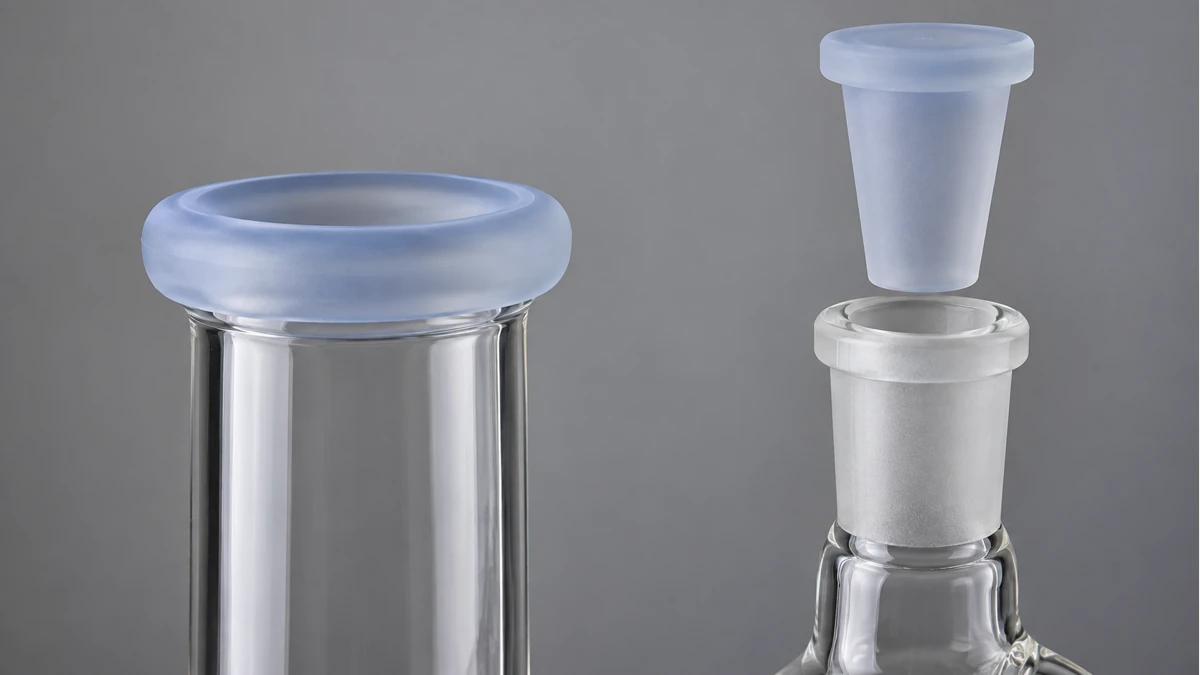
A joint plug or stopper is shaped to sit inside the ground-glass or threaded joint where a bowl, downstem, or ash catcher normally connects. Because these joints are manufactured to a small number of standard tapered sizes, a plug intended for this purpose is shaped very differently from a mouthpiece cover, and generally sits flush or slightly recessed rather than resting on top of a rim.
🧳 1.3 Transport and Travel Covers
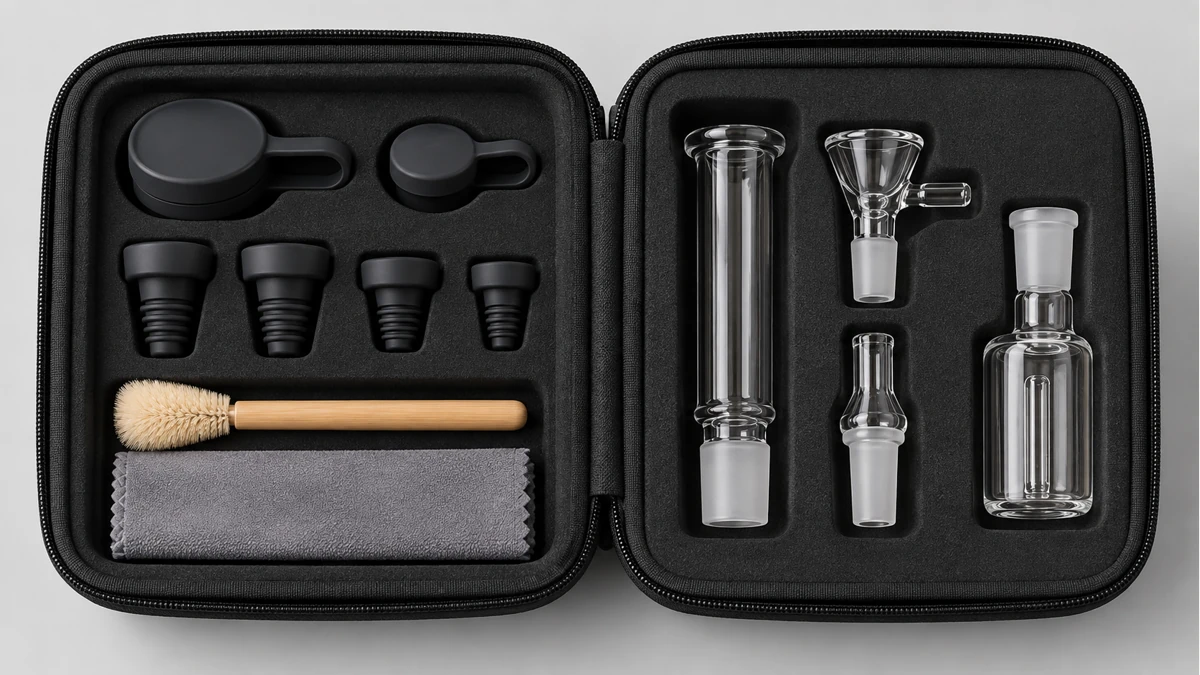
Transport covers are larger accessories, often a padded sleeve, a rigid case insert, or a wide cap that closes off the entire base or mouthpiece opening during movement. Their purpose is to reduce spills and rim contact while a piece is being carried, rather than to create an airtight seal.
📏 2. Measuring for a Correct Fit
Because none of these three accessories are sold under a single universal size standard across every brand, checking measurements before assuming a cap will fit is the most reliable approach. Glass thickness, lip flare, and joint taper all vary between manufacturers even when two pieces look similar.
📐 2.1 Outer Diameter of the Rim or Joint
The outer diameter is the width of the glass itself at the point the cap will sit — the outside edge of a mouthpiece rim, or the widest point of a joint where it meets the tube. A cap’s inner opening needs to be measured against this figure, not against the piece’s overall width, since bongs frequently taper or flare near the top.
📏 2.2 Inner Diameter and Depth of the Cap
The inner diameter of a cap describes how wide the recess is where the glass will sit. Depth matters as well: a cap that is technically wide enough but too shallow may not stay seated, while one that is too deep for a short rim can wobble instead of resting flush.
🔺 2.3 Taper and Why Diameter Alone Is Not Enough
Joints in particular are manufactured with a taper — the diameter narrows gradually from the opening toward the base of the joint — rather than staying a single consistent width. A plug or stopper is shaped to match a taper angle, not just a single diameter measurement. Two joints that share the same diameter at the opening can still differ in taper angle, which is why a plug that seems to fit at first contact may not actually seat evenly along its full length.
🧵 3. Soft Versus Rigid Materials
Bong caps are made from a range of materials, and the choice between soft and rigid options changes how forgiving the fit needs to be, along with how the cap interacts with the glass surface.
🟢 3.1 Soft, Flexible Materials
Silicone and rubber caps flex slightly to accommodate small variations in diameter, which makes them more tolerant of the size differences described above. This flexibility also means they conform around minor imperfections in a rim or joint rather than requiring an exact match, though flexible material can still be stretched past its limit if the size gap is too large.
🔷 3.2 Rigid Materials
Glass, hard plastic, wood, and metal caps hold a fixed shape and do not adjust to fit. A rigid cap needs a much closer match to the piece’s actual dimensions, since it cannot compress or stretch the way a silicone equivalent can. Rigid caps are also more likely to transmit any mismatch directly to the glass they rest against, rather than absorbing it the way a flexible material does.
🗄️ 4. Storage, Moisture, and Odor
A recurring theme in discussions about capping a bong is whether doing so actually keeps a piece clean or contained between uses, and what the real limits of that containment are.
💧 4.1 Clean and Dry Before Capping
Sealing any moisture, residue, or water inside a covered opening tends to trap it rather than let it evaporate. A cap placed over a rim or joint that still has liquid or residue inside creates an enclosed space where that moisture has nowhere to go, which is different from leaving the same opening uncovered and exposed to air.
🌬️ 4.2 What Odor Containment Actually Covers
Mouthpiece and joint caps only cover the specific opening they are fitted to. They do not seal the rest of the piece — a bong body typically has more than one opening or seam, and gaps around ill-fitting caps, loose bowls, or uncapped downstems allow air movement regardless of what is capped elsewhere. A cap reduces airflow through one specific point; it does not make the entire object sealed.
❓ 4.3 Does a Cap Stop Smell Entirely?
This is one of the more common questions people ask when shopping for these accessories, and the honest answer is that a cap addresses one opening, not the whole object. Any residue on the outside of the glass, inside a chamber that remains uncapped, or in water left standing in the base is unaffected by a mouthpiece or joint cap. People asking this question are often expecting a level of containment that a small cap covering one opening is not designed to provide on its own.
⚠️ 5. Pressure on Glass Rims and Joints
Because caps are pressed against or fitted around glass, the amount of pressure involved matters for the condition of the piece over time, particularly with rigid materials.
🔧 5.1 How Tight Is Too Tight
A cap that requires noticeable force to seat, or that only goes on partway before meeting resistance, is signaling a size mismatch rather than a secure fit. Continuing to force a rigid cap against glass concentrates pressure at whatever point of contact resists the most, which is a different situation from a properly sized cap resting evenly around the full circumference of the rim or joint.
🔍 5.2 Signs a Cap Is Stressing the Glass
Visible gaps on one side while the opposite side touches, a cap that sits at an angle instead of level, or a joint plug that only contacts the taper at a single narrow band rather than along its length are all signs that the fit is uneven. An uneven fit means the contact pressure is not spread out, concentrating stress at fewer points of the glass rather than distributing it.
🏷️ 6. Labeling and Telling Caps Apart
Once a household or shop accumulates more than one cap, keeping track of which one belongs to which opening becomes its own small organizational task.
🔖 6.1 Marking Mouthpiece Caps Versus Joint Plugs
Because mouthpiece covers and joint plugs can look similar at a glance, especially in soft silicone, some people mark or separate them by shape, color, or storage location to avoid confusing a shallow rim cover with a tapered joint plug. Manufacturers occasionally include size markings molded into rigid caps, though not all products are labeled this way, so checking a cap’s actual dimensions remains more reliable than relying on printed text alone.
🗂️ 6.2 Keeping Multiple Sizes Organized
Anyone with more than one piece, each using a different joint size or rim diameter, benefits from grouping caps by the piece they belong to rather than by type alone. A drawer of unsorted caps in similar colors makes it easy to grab the wrong size and assume it does not fit at all, when in fact a correctly sized cap for that piece is simply stored elsewhere.
🧼 7. Cleaning Caps
Caps that sit directly against glass rims or inside joints come into repeated contact with residue, so their own cleanliness affects how well they continue to fit and function.
🚿 7.1 Rinsing and Drying
Rigid caps made of glass or hard plastic can generally be rinsed and dried the same way as other glass or plastic pieces. Silicone caps can trap residue in their flexible folds or interior recesses more easily than a smooth rigid surface, which is worth checking before assuming the inside is clean simply because the outside looks fine.
🔄 7.2 When to Replace a Cap
Soft caps that have lost their shape, developed cracks, or no longer flex back to their original form after stretching are no longer providing the same fit they did originally. Rigid caps that have chipped edges or a taper that has been worn uneven from repeated forced insertion are similarly no longer matching the dimensions they were shaped for.
🧭 9. Match the Cap to the Surface It Actually Covers
A mouthpiece cap grips an outer rim, while a joint plug seats inside a tapered ground joint. Those jobs require different measurements and pressure patterns. Test each piece on clean, dry glass at room temperature. The cover should seat without rocking, stretching the rim, or wedging so tightly that removal loads the glass sideways.
📋 9.1 Label Similar Caps by Location
When several caps look alike, store or label them by the opening they protect. Repeatedly forcing the wrong size can deform a soft cover and chip a rigid glass edge. Compatibility is a geometry question, not a color or brand-name match.
❓ 8. When a Cap Does Not Fit
Not every cap purchase results in a usable fit, and understanding why helps explain the mismatch rather than assuming the product itself is defective.
📉 8.1 Common Reasons for a Mismatch
The most frequent cause is a diameter or taper difference between the cap and the specific piece it is being tried on, since these accessories are not manufactured to one universal size across every bong on the market. A cap bought for one joint size will not correctly fit a differently sized joint even if the difference looks small by eye. Rim thickness also varies between pieces, which changes the effective outer diameter a mouthpiece cover needs to span.
↔️ 8.2 What a Loose or Tight Fit Signals
A cap that slides off without resistance, rocks side to side, or fails to stay seated is generally too large for the opening it is being matched to. A cap that will not seat fully, distorts visibly, or requires excessive force is generally too small or shaped for a different taper angle. In either case, the mismatch is a sizing and shape issue rather than something that improves by continuing to force the same cap onto the same opening. Comparing the measurements discussed earlier — outer diameter, inner diameter, depth, and taper — against the specific piece in question remains the most direct way to identify why a given cap does or does not work.
Across mouthpiece covers, joint plugs, and transport covers, the underlying theme is the same: these are three distinct objects grouped under one informal name, each shaped for a different opening and a different purpose. A cap’s usefulness depends on how closely its diameter, depth, and taper match the specific piece it is intended for, and on whether it is made from a material rigid or flexible enough to suit that fit. None of the three types are designed to seal an entire piece against odor or moisture on their own, and each has a point past which it will visibly fail to fit rather than adapt to a mismatched opening. See related AOVAPE hardware guide“>related glass accessory measurements, related AOVAPE hardware guide“>joint size references, and related AOVAPE hardware guide“>general bong care topics for further reading on related sizing and maintenance questions.