A dry herb vaporizer has to get heat into a chamber, and the source of that heat is easy to confuse with how the heat then moves through the herb, or with how a battery is housed. It should not be. Some versions are flame-powered: a torch or other flame is applied to a cap, tip, or chamber until a documented cue says the load is ready. Some versions use an electric heater inside the device, powered by a battery, with a charge path and on-device controls. Those are different power paths. A removable cap can appear on either family, and a metal body does not, by itself, tell you which path you have.
That distinction is not the same as conduction versus convection, and it is not the same as a sealed cell versus a removable cell. How Do Dry Herb Vaporizers Work? Conduction and Convection already treats heat transfer in the chamber. Sealed Cell or a Removable Cell: How a Vape Device Is Powered already treats electric cell architecture. Cooling Unit or a Glass Stem: What Comes Off the Top of a Dry Herb Vaporizer already treats the top path. This guide stays on the power path itself: flame heat or a battery-powered heater, and what a listing photograph cannot prove.
🔎 1. The Power Path Is Not Heat Transfer and Not Cell Architecture
The first cut is simple. The power path is how energy reaches the chamber: an external flame or torch, or an electric heater fed by a battery and a charge system. Heat transfer is how that energy then moves into the load—conduction, convection, or a documented mix. Cell architecture, on a battery-powered version, is whether the cell is sealed in place or removable. Those three identifications can be discussed on the same product brief, but they are not interchangeable.
A flame-powered device can still heat a chamber by conduction. A battery-powered device can still be described as convection or hybrid. Convection Dry Herb Vaporizer: Airflow vs. On-Demand already treats airflow and activation timing on electric devices. This guide does not retell that page. It only asks the buyer to name the power path first, and not to treat a chamber style or a cell-size label as the answer to how the device is heated.
🔥 2. Flame-Powered or Torch-Heated Versions
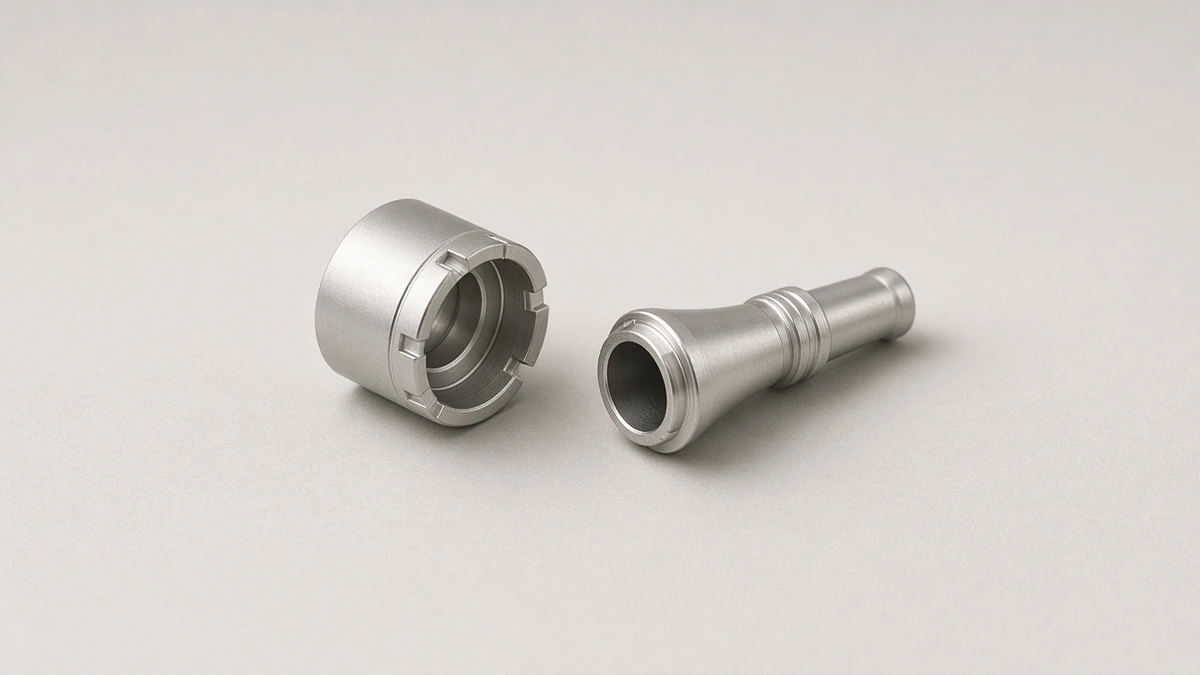
A flame-powered dry herb vaporizer is designed to take heat from a flame or torch applied to a documented surface, rather than from an electric heater in the body. Official education pages for one such family make that layout explicit. DynaVap, “What is a Flame Powered Vaporizer?”, dated 4 February 2026 on that page, describes Tip and Cap technology that creates an oven-like chamber “that can be hit with a flame (for a few seconds)” and states, in the page’s wording, “No batteries, no combustion, just flame powered extraction.”
The same maker’s How to Use page gives the procedure for that layout: remove the Cap, load the Tip, put the Cap back on, then “Heat the Cap with a Torch. Hold flame about 1″ away and rotate Cap over the flame.” The same page says the user will hear the Cap “CLICK!” when the herb is heated, that heating will take about seven seconds, that a later click marks cooldown, and that the user can expect two to four heat-up cycles per loaded Tip. Those timings and cycle counts are that page’s instructions for this family. They are not a universal flame-vaporizer clock, and they are not used here as a specification for any other device.
DynaVap Parts Explained: Cap, Tip, CCD & Airflow, dated 25 August 2026 on that page, describes the Cap as giving “an audible temperature cue with a bimetal system”: it clicks when it reaches the vaporization range, and it clicks again when it has cooled enough to go again. That is a documented cue for that cap design. It is not a temperature reading in degrees, and this guide does not invent one.
If the version in front of you is flame-powered, the brief should name the surface that is meant to be heated, the heat source the instructions allow, and the documented ready cue. It should not borrow a click, a distance, or a cycle count from another maker’s page.
🔋 3. Battery-Powered Electric Heaters
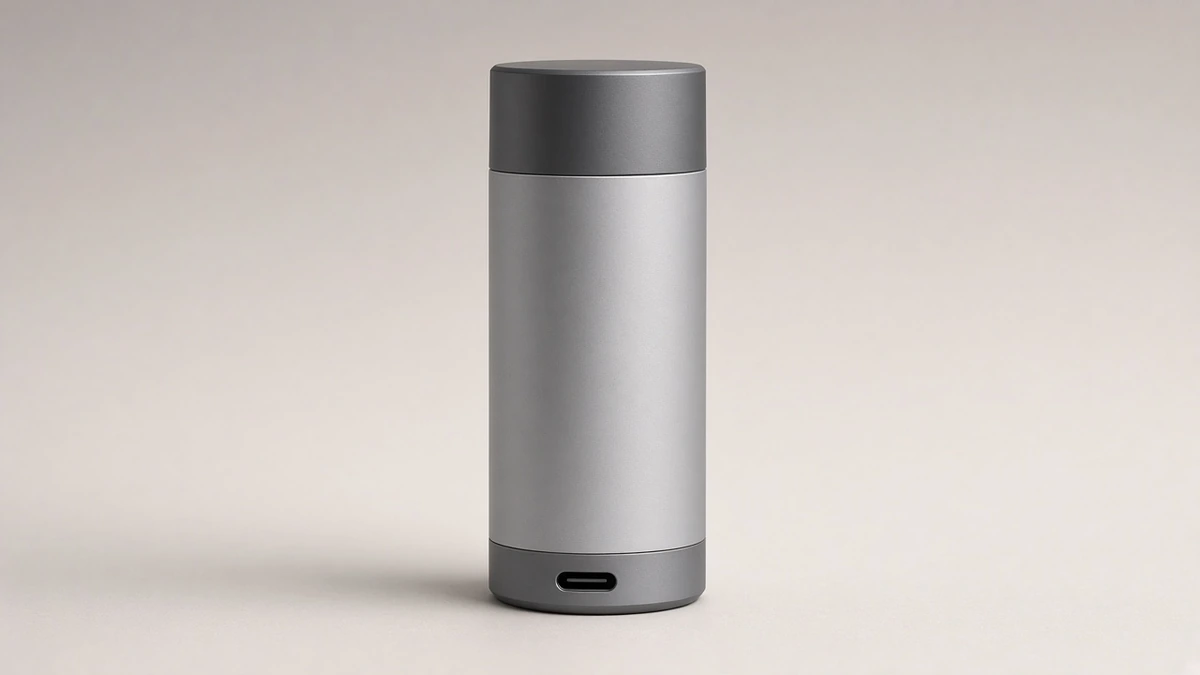
A battery-powered dry herb vaporizer uses an electric heater in the device, a cell or pack that supplies that heater, and a documented way to charge or replace that cell. The user typically starts a heat cycle from on-device controls, and a display or indicator may show a set temperature, a status, or both.
An official product page can show what that layout looks like on a named version. Arizer’s Air MAX page presents the Air MAX as a portable dry herb vaporizer with USB-C charging, a rechargeable, interchangeable 26650 lithium-ion battery, an OLED display, and a control panel of a menu button plus plus and minus keys. The same page documents on-device temperature settings, including a stated range and the fact that the temperature is adjustable in degree increments. Those details are that product page’s description of this model. They are not a default cell format, port, or temperature range for battery-powered dry herb vaporizers, and they should not be copied into a brief for a different device.
What belongs in a general identification is the path itself: an electric heater, a battery, a charge or swap method, and whatever controls and indicators the current manual names. Sealed Cell or a Removable Cell: How a Vape Device Is Powered is the place to ask whether that cell is sealed or user-removable. The Air MAX page’s interchangeable battery is an example of a removable-cell layout on one official product page, not a rule for the category. Identify the power path first, then identify the cell architecture.
🧩 4. A Removable Cap Is Not Automatically a Flame Design
Parts can look similar across families. A cap, a stem, or a mouthpiece that comes off the top may belong to a flame-powered device, or it may belong to a battery-powered device whose oven or cooling path comes apart for loading and cleaning. Cooling Unit or a Glass Stem: What Comes Off the Top of a Dry Herb Vaporizer already treats that top path on electric and other versions. A cap you lift off is not, by itself, proof that a torch is the heat source.
The same caution runs in the other direction. A metal body, a visible chamber, or the absence of a large screen does not prove the device is flame-powered. Look for the documented heat source: a torch or flame applied to a named surface, or an electric heater with a charge path and on-device start controls. If the manual describes both an electric heater and an optional accessory heater, record both, and do not collapse them into one path.
Do not treat an induction heater, a dedicated dock, or another accessory as the device’s built-in power path unless the current manual says that accessory is how this version is designed to be heated. Accessory heat is a separate identification.
📷 5. What a Listing Photograph Can Hide
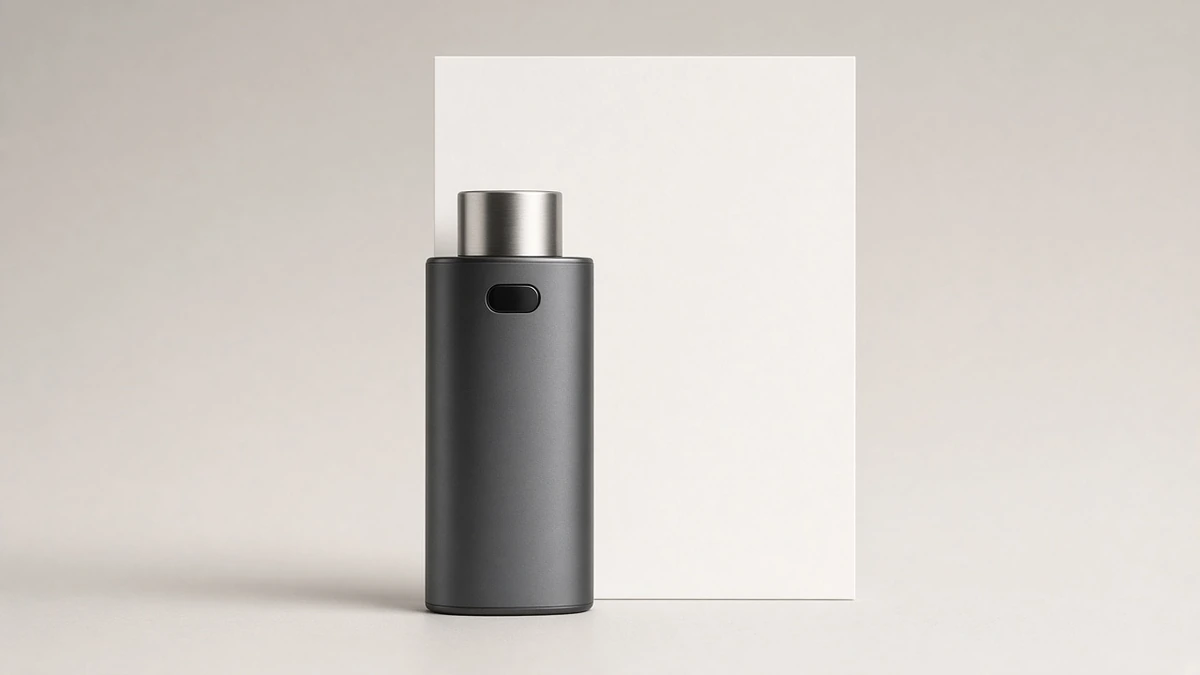
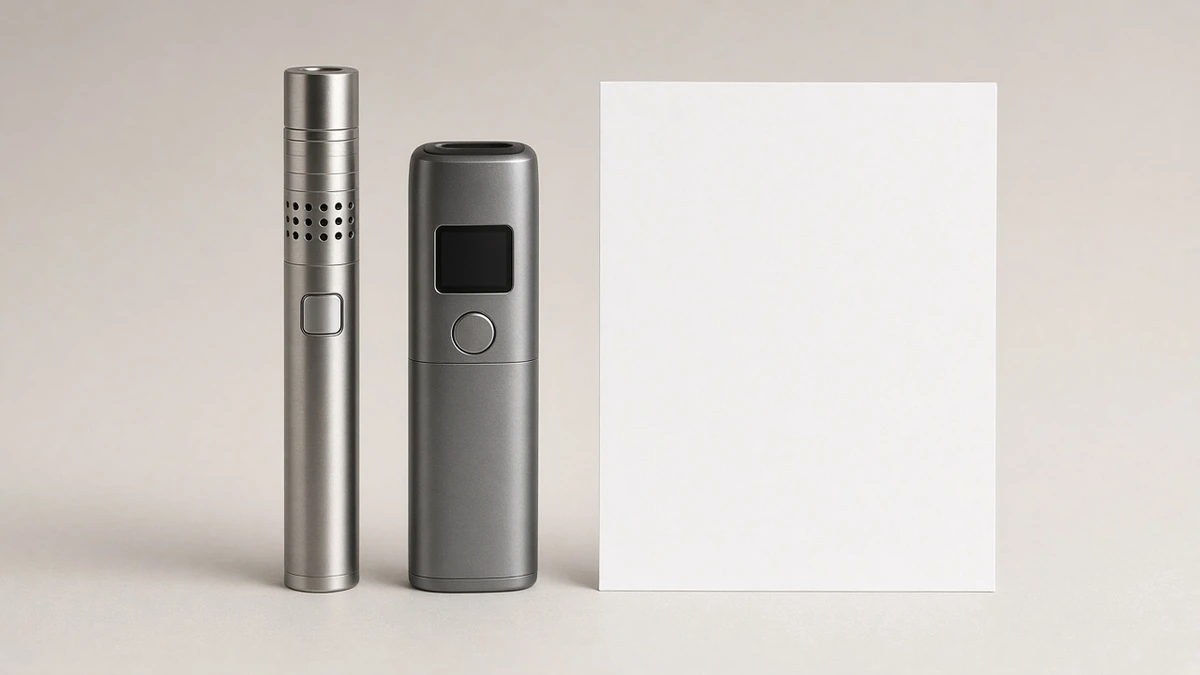
A listing photograph can support a power-path identification if a charge port, a display, a cell door, or a torch-and-cap layout is clearly visible and matches the manual. Often it is not. A beauty shot can hide a USB port. A metal cap can look like an oven lid on a battery device. A photo that includes a lighter may be styling, not a documented heat source. A photo that includes a cable may be a stand, not a confirmed charge path.
The photograph is also the wrong place to borrow a procedure. A marketing image that shows a torch near a cap is not the heating instruction, and a glowing coil in a cutaway is not a cell specification. Those assignments come from the current manual for the exact version. If the listing says “electronic vaporizer” or “torch powered” and shows only a closed body, write both facts down and request the current instruction and a sample.
✅ 6. What to Check on a Sample, a Manual, and a Listing
A one-line description a team can reuse should name the power path, not a preferred heating habit. Example: “Dry herb vaporizer, flame-powered; heat is applied to the documented cap or chamber with the heat source named in the version instructions; ready cue follows that manual,” or “Dry herb vaporizer, battery-powered electric heater; charge path and controls follow the version manual; cell architecture identified separately.”
On the sample and in the current manual for that exact version:
- Find the documented heat source: a flame or torch on a named surface, or an electric heater in the body.
- If the version is flame-powered, record the surface to heat, the allowed heat source, and the ready cue, including any click or indicator the manual names.
- If the version is battery-powered, record the charge or cell-swap path and the on-device controls that start a heat cycle.
- Identify heat transfer and cell architecture only after the power path is named, and do not let those facts stand in for the power path.
- Do not apply another maker’s heating time, click cue, or temperature range.
On the listing:
- Treat “analog,” “electronic,” “torch,” and “battery” as labels to reconcile with the manual.
- A procedure stated for a named official example is that page’s documentation, not a default for the next device in the same photograph style.
Questions worth sending with a sample request:
- Is this exact version heated with a flame or torch, or with a battery-powered electric heater?
- If it is flame-powered, which surface is heated, which heat sources are documented, and what cue says the load is ready?
- If it is battery-powered, where is the charge path, and how does the user start and stop a heat cycle?
- Is the cell sealed or removable, and is that fact documented separately from the power path?
- If an accessory heater is offered, is it optional, or is it the documented way this version is designed to be heated?
❓ 7. Short Answers a Brief Can Reuse
❓ 7.1 Identification Questions
What is a flame-powered dry herb vaporizer? It is a version designed to take heat from a flame or torch applied to a documented surface, rather than from an electric heater in the body. A DynaVap education page dated 4 February 2026 describes that family as flame-powered extraction with no batteries.
What is a battery-powered dry herb vaporizer? It uses an electric heater supplied by a cell or pack, with a documented charge or swap path and on-device controls. Arizer’s official Air MAX page is one example of that layout, including USB-C charging and on-device temperature settings. Those details belong to that model’s page, not to the category as a whole.
Does a click mean the device has reached a stated temperature in degrees? Not unless the manual gives that temperature. DynaVap’s parts page describes a bimetal cap that clicks at the vaporization range and clicks again when it has cooled. That is a cue, not a degree reading invented here.
Does a removable cap mean the device is torch-heated? No. A cap, stem, or cooling unit can come off a battery-powered device as well. Identify the documented heat source, not only the part that comes off the top.
Is this the same question as sealed versus removable cell? No. Cell architecture applies to battery-powered devices. A flame-powered version may have no cell at all. Name the power path first.
Can a listing photograph settle the power path? It can support an identification if a port, a display, a cell door, or a documented torch-and-cap layout is visible. It often hides the port or stylizes a lighter. Confirm the path in the version instructions.