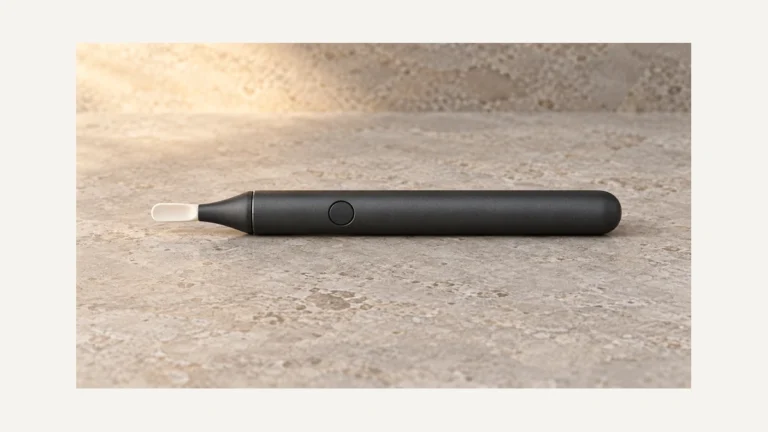
Search “draw activated 510 battery” and you’re usually stuck on one of two problems: a battery that fires by itself in your pocket, or one that stays dark no matter how hard you pull on it. Both symptoms point to the same piece of hardware — a small pressure sensor sitting between the 510 connector and the circuit board — and understanding what that sensor is actually reacting to explains almost every complaint people run into with this style of device.
A draw-activated 510 battery doesn’t “know” you’re inhaling. It’s reading a pressure change in a sealed air channel. Everything below walks through that channel from the mouthpiece down to the connector, where airflow can go wrong, and where a button-style battery removes the guesswork entirely.
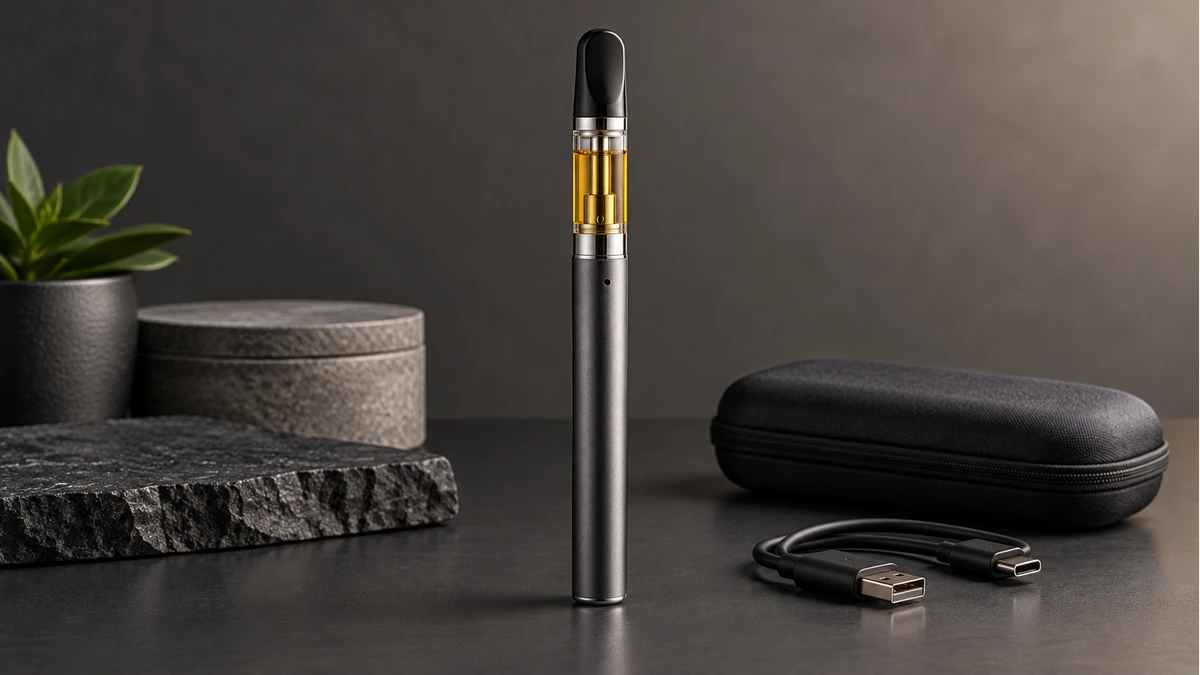
🧭 1. What the Airflow Switch Actually Detects
Inside the battery body, below the 510 connector, sits either a micro-electromechanical (MEMS) pressure sensor or a small mechanical switch. Both are designed to detect a pressure drop, not motion, sound, or heat. When you draw air through the mouthpiece and cartridge, air also has to move through a narrow channel inside the battery. That movement lowers the air pressure inside the sealed chamber where the sensor sits, and the sensor reports that drop to the circuit board, which then closes the circuit and powers the coil.
🔍 1.1 Pressure Sensors vs. Mechanical Microswitches
MEMS sensors are solid-state — a flexible silicon diaphragm deflects slightly under pressure change, and that deflection is converted into an electrical signal. There’s no moving mechanical part to wear out, but the sensor is sensitive to anything that changes ambient pressure around it, including altitude and temperature.
Mechanical microswitches work differently. A small flexible membrane or reed physically moves when air pressure drops enough to push against it, and that physical movement closes the contact. These tend to need a slightly stronger draw to trigger, but they’re less prone to reacting to ambient pressure noise since they require actual mechanical displacement.
🌬️ 2. The Inlet Path: How Air Reaches the Sensor
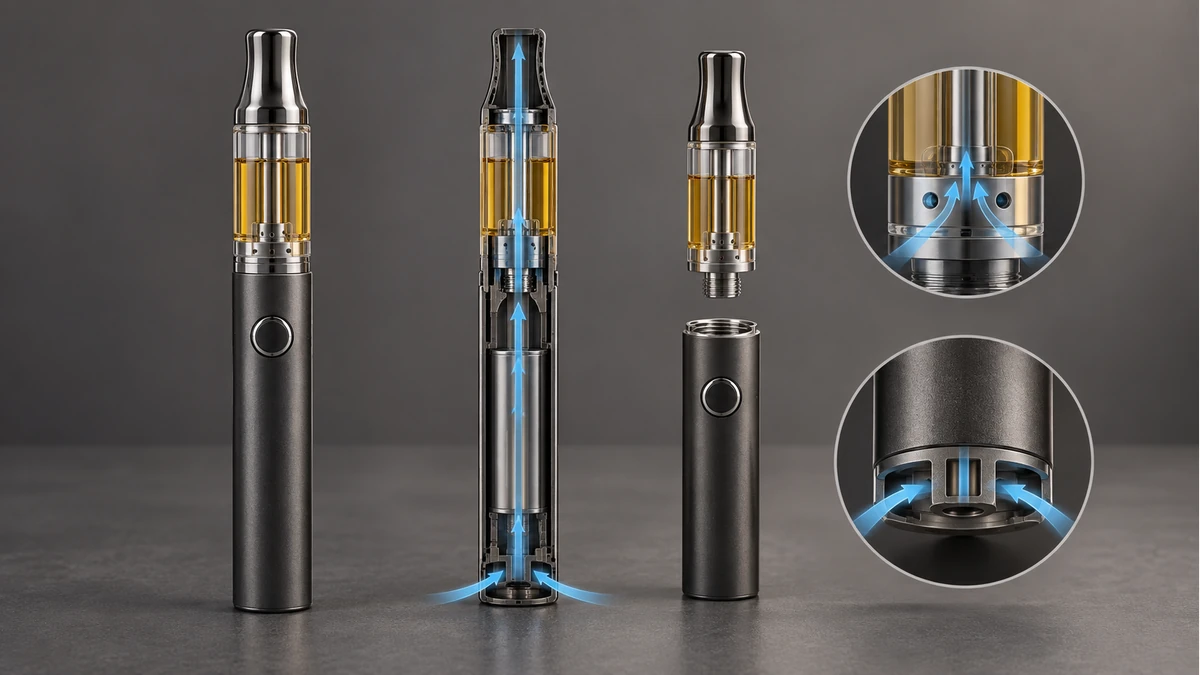
The sensor can only respond to pressure changes it can actually feel. That means there has to be an unbroken air path from the mouthpiece, through the cartridge, through the 510 connector’s center pin area or a dedicated air channel, and down to the sensor chamber. If that path is blocked or restricted anywhere along the way, the pressure drop at the sensor will be smaller than it should be — or won’t register at all.
🧵 2.1 Alignment Between Cartridge and Battery Air Holes
Most 510 batteries have a small air intake hole on or near the connector face, separate from the threading. Cartridges have a corresponding hole or channel on their base. These two openings need to line up closely enough for air to pass through when the cartridge is threaded on. A cartridge that seats slightly off-center, or a battery with a connector hole positioned differently than expected, can leave that path partially closed even though the connection looks tight from the outside.
🔌 3. Cartridge Airflow Matching
Not every cartridge is built with the same internal airflow resistance. Some are designed with wider air channels for a looser draw, while others use a narrower path that requires more effort to pull air through. A draw-activated battery calibrated for a moderate pressure drop may not trigger reliably on a cartridge with a very restrictive airflow design, because the pressure at the sensor never falls far enough during a normal draw.
This is also where thicker viscosity contents inside a cartridge matter — not because of anything chemical, but purely mechanically. A denser fill can slow airflow through the wicking structure, which changes how much of a pressure drop actually reaches the sensor compared to a thinner-flowing cartridge.
If a battery fires instantly and consistently on one cartridge but needs a hard, prolonged pull on another, the difference is almost always airflow resistance mismatch rather than a fault in the battery itself. the broader 510 thread battery guide
⚠️ 4. False Activation: Pocket Firing and Ambient Triggers
The complaints about a device “turning itself on” in a pocket or bag almost always trace back to unwanted pressure changes rather than a defective sensor. A few common sources:
- Sitting down while the device is in a tight pocket, which momentarily compresses the air around the connector.
- Airplane cabin pressure changes during ascent or descent.
- Lint or fabric fibers partially blocking the air inlet, creating an inconsistent seal that shifts pressure unpredictably.
- Sudden temperature swings, which can affect MEMS sensor baselines more than mechanical switches.
None of these require heavy pressure — draw-activated sensors are built to respond to small changes, which is exactly why they’re also prone to small, unintended ones. A device left disconnected from its cartridge, or capped, when not in use removes most of this risk since there’s no sealed air chamber left for pressure to build against.
⏱️ 5. Delayed Firing and Weak Draws
A noticeable lag between the start of a draw and the coil actually heating up usually comes down to one of three things: the pressure drop is arriving slowly because of a restrictive airflow path, the sensor has a built-in debounce delay to avoid triggering on brief pressure noise, or the battery is cold enough that sensor response has slowed.
Cold temperature affects both sensor types, but MEMS sensors in particular can shift their baseline reading in low temperatures, requiring a stronger or longer draw before the threshold is crossed. This is a physical characteristic of the sensor, not a sign that the battery is failing — performance typically returns to normal once the device warms back up to room temperature.
A weak, shallow draw is the other common cause. Because the sensor is reading pressure difference rather than duration, a short and gentle pull may simply never generate enough of a drop to cross the trigger threshold, even though a slightly longer pull on the same device fires immediately.
🧽 6. Contact Cleanliness and Connection Issues
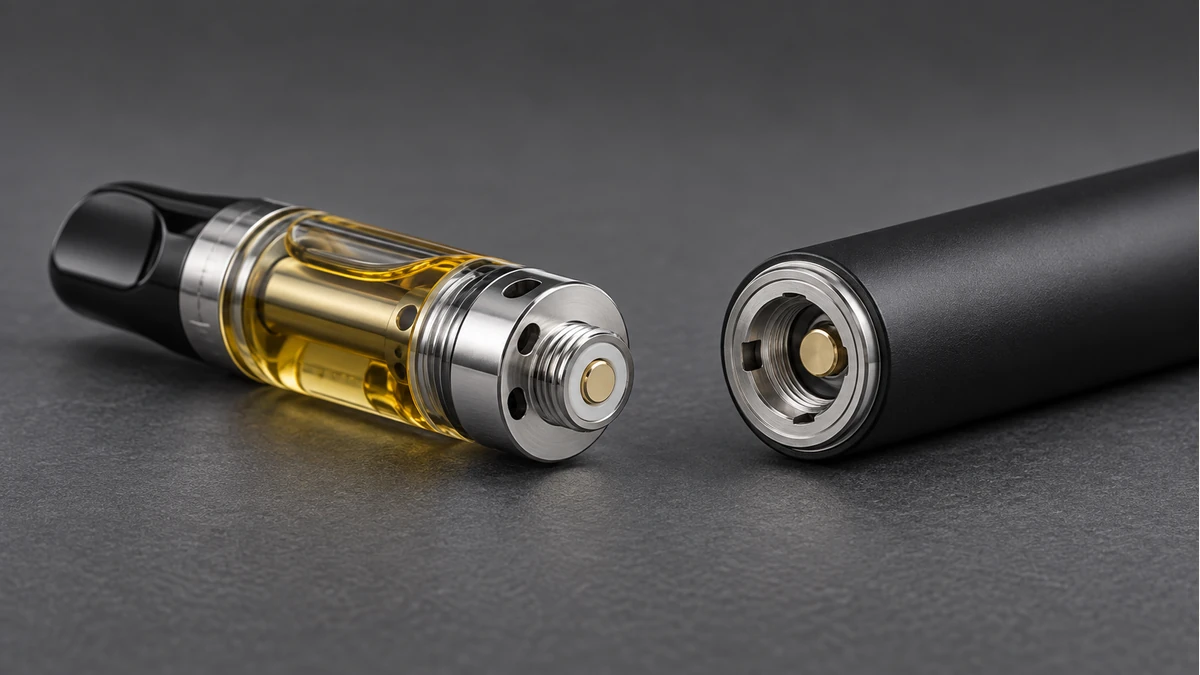
Residue buildup on the 510 threading or connector face is one of the most overlooked causes of inconsistent activation. A film across the connector can partially seal the air intake hole, which reduces the pressure change reaching the sensor even when threading looks normal and electrical contact is fine.
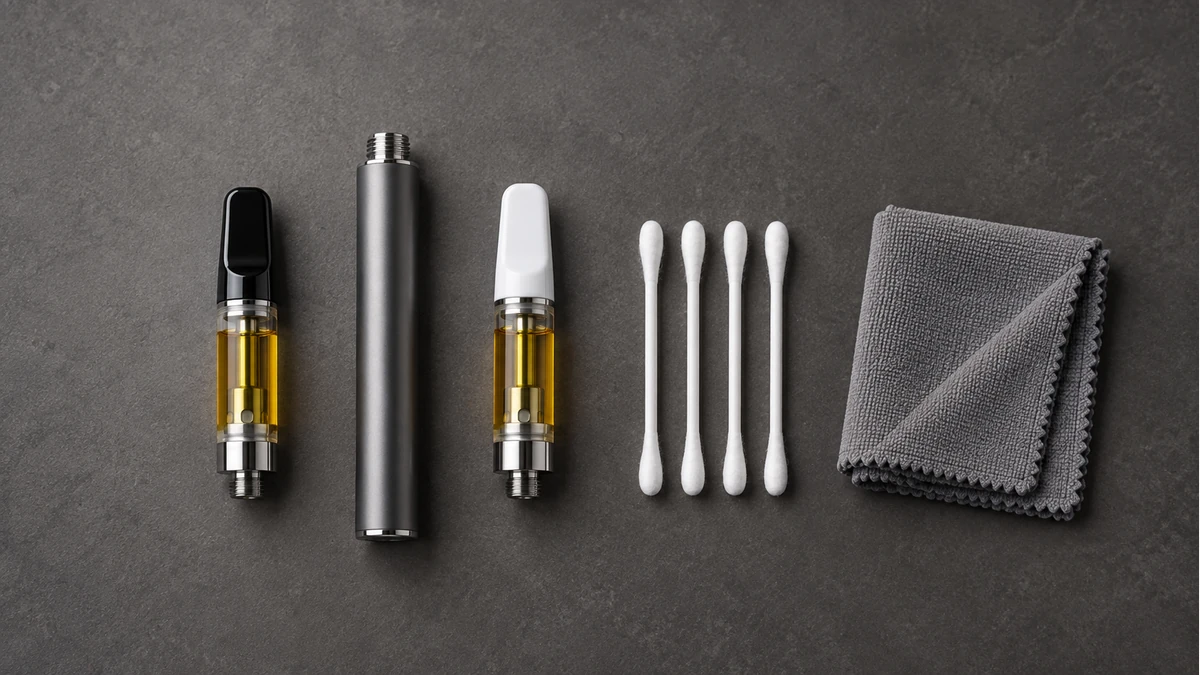
Cleaning the connector face and threads with a dry cotton swab, or a swab very lightly dampened with isopropyl alcohol and then dried, removes most buildup without pushing liquid into the air channel or sensor chamber. Liquid getting into the sensor housing itself is a separate risk and is best avoided by keeping any cleaning contact limited to the external connector surface. the vape-not-hitting diagnostic sequence
🏷️ 6.1 Reading the Markings Correctly
Confusion also comes from labeling. Some batteries include a small icon or symbol near the connector indicating draw activation, sometimes alongside a separate button for manual firing on the same device — a hybrid setup. Mistaking a hybrid device for a pure draw-activated one leads people to assume a stuck or disabled button means the sensor path is broken, when in fact the two systems are simply independent inputs to the same circuit.
🔘 7. When a Button Battery Is More Controllable
A manual button removes the pressure-sensing variable entirely. You control exactly when the circuit closes, independent of draw strength, cartridge resistance, or ambient conditions. This matters most in situations where draw-activation’s sensitivity becomes a liability rather than a convenience.
| Situation | Draw-Activated | Button-Activated |
|---|---|---|
| Restrictive or dense-fill cartridges | May need a harder, longer pull to trigger | Fires regardless of draw resistance |
| Carrying in a pocket or bag | Risk of pressure-related false activation | No activation without physical press |
| Cold environments | Sensor threshold can shift, causing delay | Activation timing stays consistent |
| Diagnosing a hardware issue | Harder to isolate sensor vs. cartridge fault | Easier to confirm coil and battery function directly |
None of this makes one design better in general — draw activation is genuinely convenient for hands-free, consistent-resistance setups. But when troubleshooting inconsistent firing, a button battery is a useful diagnostic reference point precisely because it removes one variable from the equation. the cleaning guide for pen hardware
🛠️ 8. Troubleshooting by Isolating One Variable
Most draw-activation problems get solved fastest by changing one part of the system at a time rather than guessing at the battery as a whole:
- Test the same cartridge on a different draw-activated battery, if one is available, to see if the airflow resistance itself is the limiting factor.
- Test a different cartridge on the same battery to rule out a restrictive or misaligned airflow path on that specific cartridge.
- Inspect and clean the connector face and air inlet hole before assuming a sensor fault.
- Check cartridge seating — remove and rethread it fully, confirming it seats flush rather than at a slight angle.
- Note the temperature conditions when delayed firing happens, since consistent cold-weather lag points to sensor threshold behavior rather than a defect.
- If false activation happens specifically in pockets or bags, test the device disconnected from its cartridge in the same location to confirm whether a sealed air path is the trigger.
Changing one variable per test avoids the common mistake of swapping both the cartridge and the battery at once, which makes it impossible to tell which component actually caused the change in behavior.
🧪 8. Diagnose a Draw Sensor With a Controlled Sequence
A draw-activated battery can fail in two opposite ways: it may not detect a real inhale, or it may detect pressure when nobody is using it. Test with the device upright and the air inlets uncovered. If the indicator responds with one cartridge but not another, the likely difference is the cartridge airflow path or center-contact relationship. If it responds with no cartridge installed, residue or pressure around the inlet deserves attention.
🌬️ 8.1 Start With the Smallest Airflow Change
Remove any case, sticker, or finger position that covers an inlet. Confirm that the cartridge base is not tightened hard enough to seal an intended air gap. Then clean the accessible contact area and retest. These steps isolate airflow and contact without changing several variables at once.
⏱️ 8.2 Delay and Cutoff Are Different Symptoms
A short delay before the indicator appears suggests the pressure threshold is barely being reached. An indicator that appears normally and then stops at a repeatable interval is more consistent with a timed cutoff. Those symptoms call for different checks, which is why noting the light behavior is more useful than simply reporting that the battery “doesn’t work.”
Also note whether the indicator changes when the cartridge is loosened by a fraction of a turn. A change at that exact moment can reveal that the cartridge base was blocking an inlet or pushing the center contact beyond its useful travel. Return it only to finger-snug contact. Repeatedly tightening harder does not improve conductivity and can deform the insulating ring around a small contact. If several known-compatible cartridges show the same delayed response after the inlet and contact are clean, the sensor or internal airway is the more likely boundary, and the device documentation or supplier becomes the next useful reference.
🎯 9. The Practical Takeaway
If activation feels inconsistent, don’t start by assuming the battery is faulty — start by checking whether the cartridge’s airflow resistance matches what the sensor is calibrated to detect, since that single mismatch explains the majority of both false triggers and failed activations. Keep the connector face clean and the air inlet unobstructed, and if you regularly use denser or more restrictive cartridges, a hybrid device with a manual override button gives you a reliable way to bypass the sensor entirely when airflow conditions aren’t cooperating.