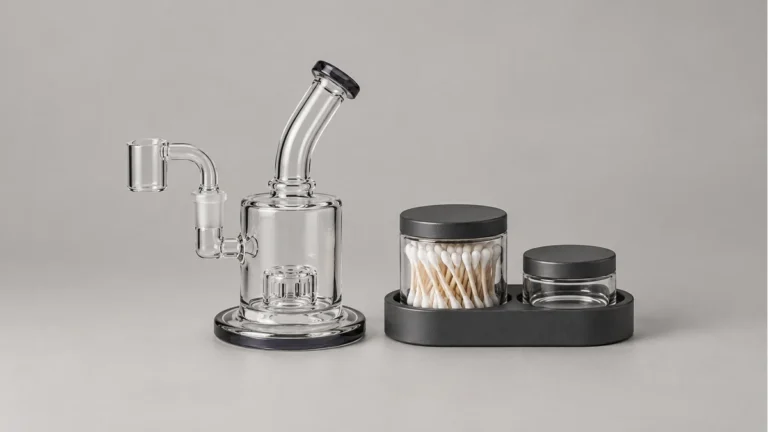
Somewhere around the third open browser tab, most first-time electric dab rig shoppers hit the same wall: two devices, both listed under $100, both showing a glass rig with a battery pack and a control button, and no obvious way to tell which one is actually worth ordering. The product photos look nearly identical. The bullet points read like they were copied from the same template. The only real difference visible from the listing is price, and price alone tells you almost nothing about how a device will behave six weeks in, once the seal has been opened and closed a few hundred times and the coil has seen real heat cycles.
That gap between “looks similar in photos” and “performs similarly in hand” is the whole story of the electric dab rig under $100 category. It’s not that cheap electric rigs are inherently bad, and it’s not that a higher price automatically buys quality. It’s that the $100 ceiling forces manufacturers to make trade-offs somewhere, and the buyer’s job is to figure out where those trade-offs were made before money changes hands, not after.
🔎 1. What “under $100” actually buys you in an electric rig
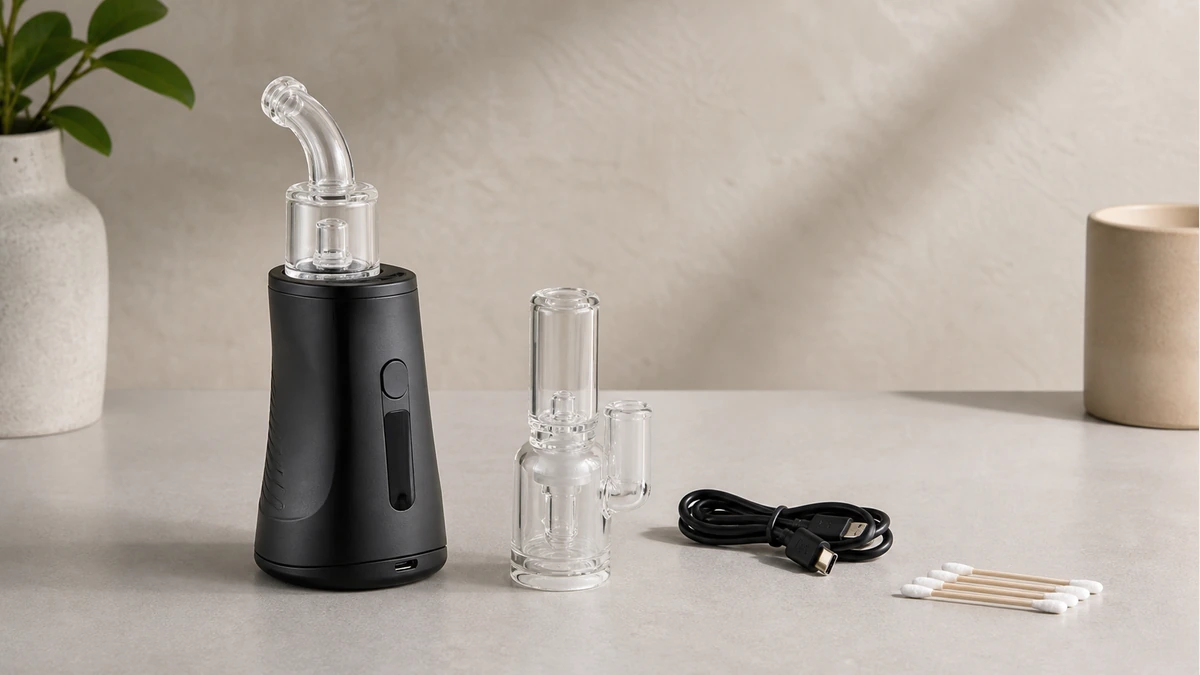
An electric dab rig, at minimum, needs a heating element, a battery or power source, some kind of control interface, an airpath, and a chamber to hold concentrate. Every one of those components costs something to engineer and manufacture. When the total retail price sits under $100, something in that list has almost certainly been simplified compared to a rig in a higher tier.
That’s not a scandal. It’s just arithmetic. The question worth asking isn’t “did they cut corners,” because the answer is functionally always yes to some degree. The useful question is which corners were cut, and whether those particular compromises matter for how you actually intend to use the device. A rig with a simplified control board but a solid, replaceable heating coil is a very different purchase than a rig with flashy multi-color LEDs and a heater that’s soldered directly into the chassis. Both might sell for the same price.
🧩 2. The heater is the first thing to check
If there’s a single component that determines whether a budget electric rig is a reasonable purchase or a short-term disappointment, it’s the heater. Two rigs can look nearly identical from the outside and still differ enormously in how the heating element is built and, critically, whether it can be replaced.
🧩 2.1 Fixed heaters vs replaceable coils
Some entry-price electric rigs use a heater that’s effectively permanent — built into the base or the chamber assembly in a way that isn’t designed to come apart. When that heater eventually degrades, the whole unit is done. Others use a coil or heating cup that’s mounted as a distinct, swappable part, sometimes threaded, sometimes held with a simple connector, meant to be replaced the same way a person would replace a worn atomizer coil in a vape pen.
The second design is almost always the better bet at this price point, not because the coil itself will necessarily last longer, but because a worn coil doesn’t mean a dead rig. It means a cheap, quick part swap instead of a full repurchase. Listings don’t always make this distinction obvious in the title or main photos, so it’s worth checking whether replacement coils or heating elements are sold separately and looking at close-up detail shots of the heating chamber rather than just the lifestyle photo of someone holding the rig. A guide like this overview of how electric dab rigs are put together is a reasonable place to get familiar with the vocabulary before comparing specific listings, since sellers don’t always use consistent terms for the same parts.

⚙️ 3. Replaceable parts that matter more than the price tag
The heater gets most of the attention, but it isn’t the only component that determines whether a budget rig holds up. A handful of other parts quietly decide how much frustration a device will cause over time, and none of them show up clearly in a five-photo product listing.
🧩 3.1 Batteries, mouthpieces, and seals
Battery design matters because it determines what happens when the battery eventually loses capacity, which every rechargeable cell does eventually. A rig built around a removable, standard-format battery gives the owner a straightforward path to keep using the device once the original cell weakens. A rig with an internal, non-removable battery pack ties the device’s entire lifespan to that one component’s lifespan, and there’s no way to know from a listing photo which design a given rig uses unless the description states it explicitly.
Mouthpieces and glass attachments matter for a more mundane reason: they get dropped, chipped, or simply misplaced. A rig built around a standard joint size that accepts common glass accessories is far more forgiving than one with a proprietary, single-source mouthpiece that can only be replaced by ordering the exact same part from the exact same seller, assuming that seller is still stocking it later.
Seals and O-rings are the least glamorous part of the entire device and the one most directly responsible for how well the rig actually functions after repeated use. A seal that isn’t rated for the temperatures involved, or isn’t seated correctly during assembly, is often the real explanation behind vague online complaints about airflow feeling “off” or draws that don’t feel as strong as they did out of the box. None of this shows up on a spec sheet. It shows up in how the device is used and cleaned over time, which is exactly why the next two sections matter as much as the heater does.
🧰 4. Controls and displays: clarity over feature count
Budget electric rigs vary widely in how they let the user set and monitor temperature, and more buttons or a bigger display doesn’t automatically mean a better experience. A single button with a clean, predictable click pattern and a simple readout is often more usable day to day than a crowded interface with multiple modes that aren’t clearly explained anywhere in the packaging or listing.
What actually matters is whether the control scheme is legible. Can a new owner tell, without guessing, what temperature the device is currently set to and whether it has finished heating? Is there a clear signal — a light change, a display readout, a consistent beep pattern — that separates “still heating” from “ready”? Ambiguity here is one of the most common sources of frustration in this price bracket, not because the underlying temperature control is necessarily inaccurate, but because the interface doesn’t communicate its own state clearly.
🔋 5. Cleaning access: the part nobody photographs
Every dab rig, electric or torch-based, accumulates residue with use, and how easily that residue can be removed has a direct effect on both flavor and the longevity of the parts involved. This is where the gap between entry-price and mid-tier electric rigs tends to show up most clearly, and it’s also the aspect that’s hardest to evaluate before buying.
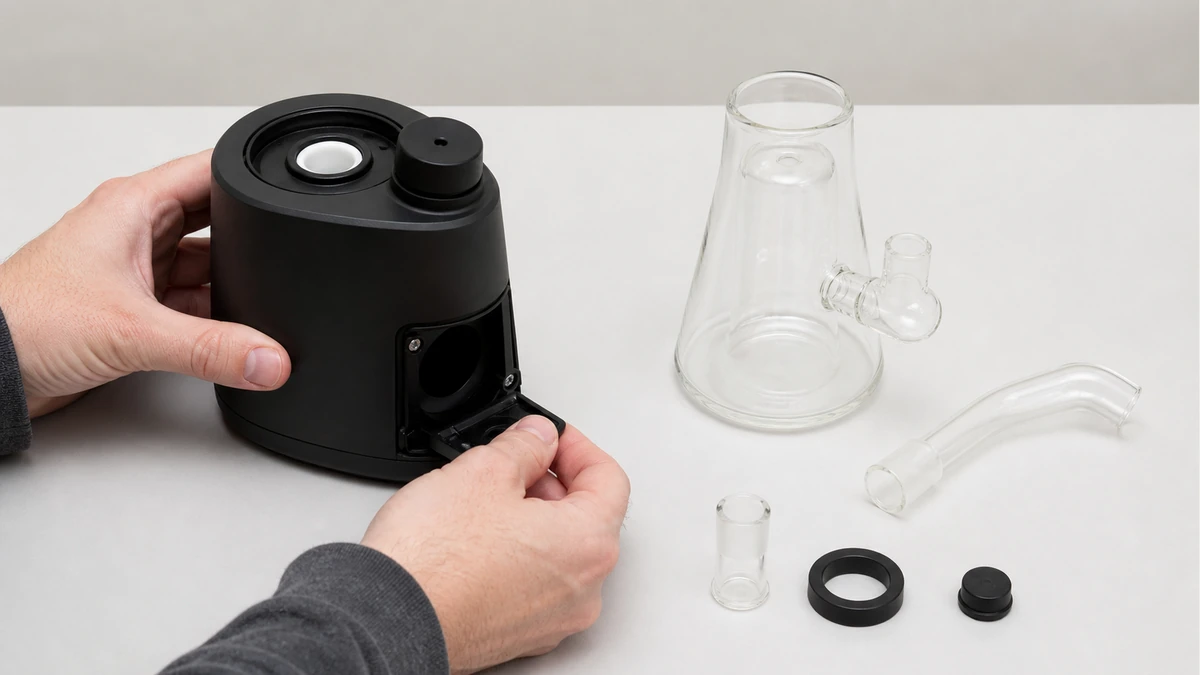
A well-designed electric rig allows the chamber, the mouthpiece, and any removable glass to come apart far enough for a proper cleaning without needing to disassemble the electronics or risk moisture reaching the battery compartment. A poorly designed one traps residue in tight, fixed junctions between the glass and the heating housing, forcing the owner to either leave buildup in place or attempt an awkward partial clean that never quite reaches the problem area.
A resource such as this walkthrough on cleaning an electric dab rig is useful not just for the cleaning steps themselves but for understanding, in general terms, what generous disassembly is supposed to look like, so a buyer can compare that mental picture against whatever a given listing actually shows before checkout. A short, general sequence for evaluating cleaning access before purchase looks something like this:
- Check whether the listing shows the device broken down into its separate pieces, not just fully assembled.
- Look for a stated joint size or connection type on any glass component, since a standard fit usually indicates it’s meant to be removed and cleaned separately.
- Read the product description for any explicit mention of what can and can’t get wet, which usually signals where the electronics sit relative to the chamber.
- Note whether replacement glass or replacement seals are sold separately, which often correlates with a design that expects regular disassembly.
None of these steps require special expertise. They just require slowing down before checkout and looking at the listing the way someone would look at a product they plan to own for a while, not a photo they plan to scroll past.
🧪 6. When a conventional rig or a pen makes more sense at the same budget
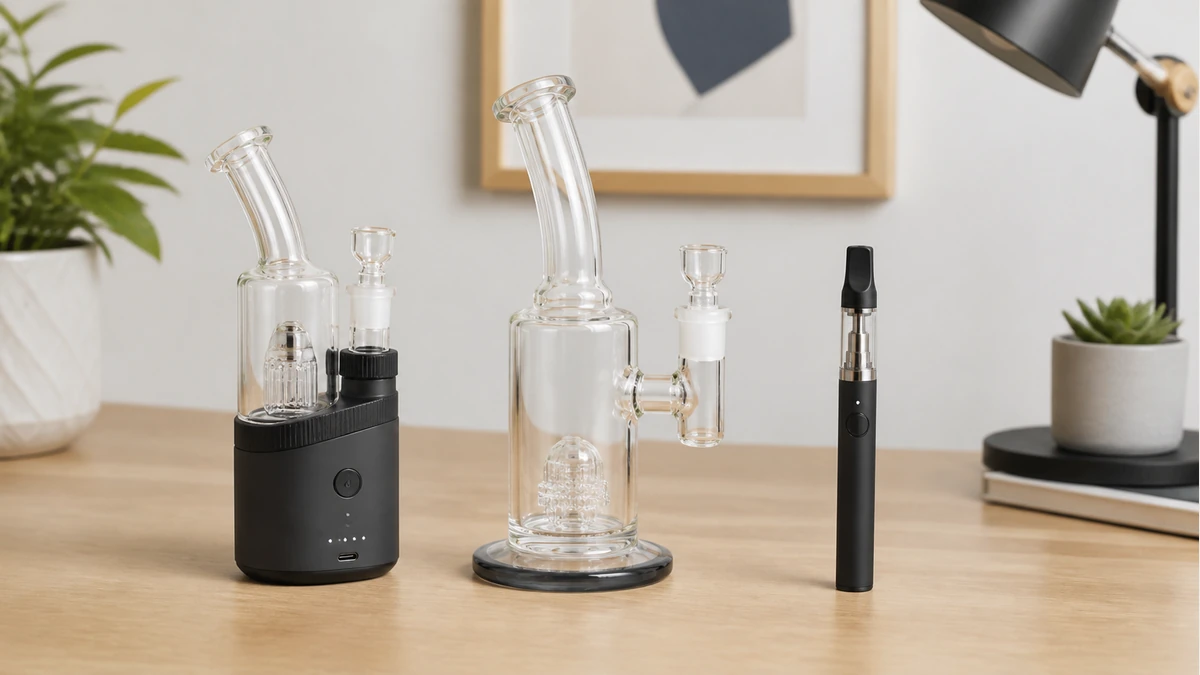
An electric dab rig under $100 is a specific compromise: it aims to combine the convenience of push-button heating with the general form factor of a glass rig, at a price where neither half of that combination gets a generous budget. For some buyers, that combination is exactly right. For others, the same amount of money buys a noticeably better experience in a different format.
A traditional torch-heated rig, at a similar price point, often puts more of its budget into the glass and the joint quality, since it doesn’t need to allocate any of that budget toward a battery, a heating coil, or a control board. For someone who doesn’t mind handling a torch and who prioritizes airflow and glass quality over push-button convenience, a conventional rig at the same price can outperform an electric one simply because the money wasn’t split three or four ways.
A concentrate pen, on the other hand, is usually the better choice for someone who values portability and low-maintenance use over the fuller draw and larger vapor path that a rig format provides. Pens generally have fewer parts to seal, fewer glass junctions to clean, and a simpler overall structure, which tends to make them more forgiving at a budget price point than a rig trying to pack rig-style hardware into rig-style glass without a rig-style budget.
There’s no universally correct answer here — it depends on whether the buyer’s priority is the tabletop rig experience specifically, or concentrate vaporization more generally. Someone set on the rig format, and who understands the trade-offs above, can browse a broader range of dab rigs across different formats and price tiers to see how the entry-price electric category compares to torch-based and higher-tier electric options side by side.
| Format | Where the budget typically goes | Best suited for |
|---|---|---|
| Entry-price electric rig | Split across heater, battery, controls, and glass | Buyers who want push-button convenience and are comfortable checking part-by-part quality |
| Conventional torch rig | Concentrated in glass and joint quality | Buyers who don’t mind a torch and prioritize airflow and glass over electronics |
| Concentrate pen | Concentrated in a simpler, more compact structure | Buyers who prioritize portability and low maintenance over rig-style draw |
📐 7. ❓ Frequently asked questions
Does a higher price always mean a better electric dab rig?
Not automatically. Price correlates loosely with build quality, but two rigs at different prices can make different trade-offs rather than one simply being a worse version of the other. The component-level checks above matter more than the number on the listing.
Is a fixed, non-replaceable heater always a bad sign?
It’s a limitation rather than an automatic disqualifier. It simply means the device’s lifespan is tied to that single component, which is worth factoring into how much use the buyer expects to get before deciding whether the purchase is worthwhile.
Why do two similarly priced rigs feel so different after a few weeks of use?
Usually because of differences in the parts that don’t show up in listing photos — seals, joint fit, and control clarity — rather than anything dramatic. These are the details that separate devices that age gracefully from ones that don’t.
🧼 8. The bottom line
A price under $100 sets a ceiling on what a manufacturer can spend, not a verdict on what they built with it. The devices worth buying in this category are the ones where the compromises land in places that don’t matter much for daily use — a simpler display, fewer light patterns, a plainer chamber — rather than in the parts that determine whether the rig still works and still cleans up properly a few months from now. Check the heater first, confirm what’s replaceable, look for real disassembly in the product photos, and be honest about whether a conventional rig or a pen might actually suit the way you plan to use it.