🔍 1. The Loading Problem a Heated Tip Is Actually Solving
Picture the moment: a jar of live resin sauce sits open on the counter, the room is warm, and every attempt to pick up a workable amount with a stainless steel dabber just drags a thin string across the jar rim and back onto your fingers. A cold metal tool and a sticky, temperature-sensitive concentrate do not cooperate. The material either clings to the tool and refuses to release into the chamber, or it sits stiff and unresponsive until you apply more pressure than you’d like near a hot nail or a glass bucket.
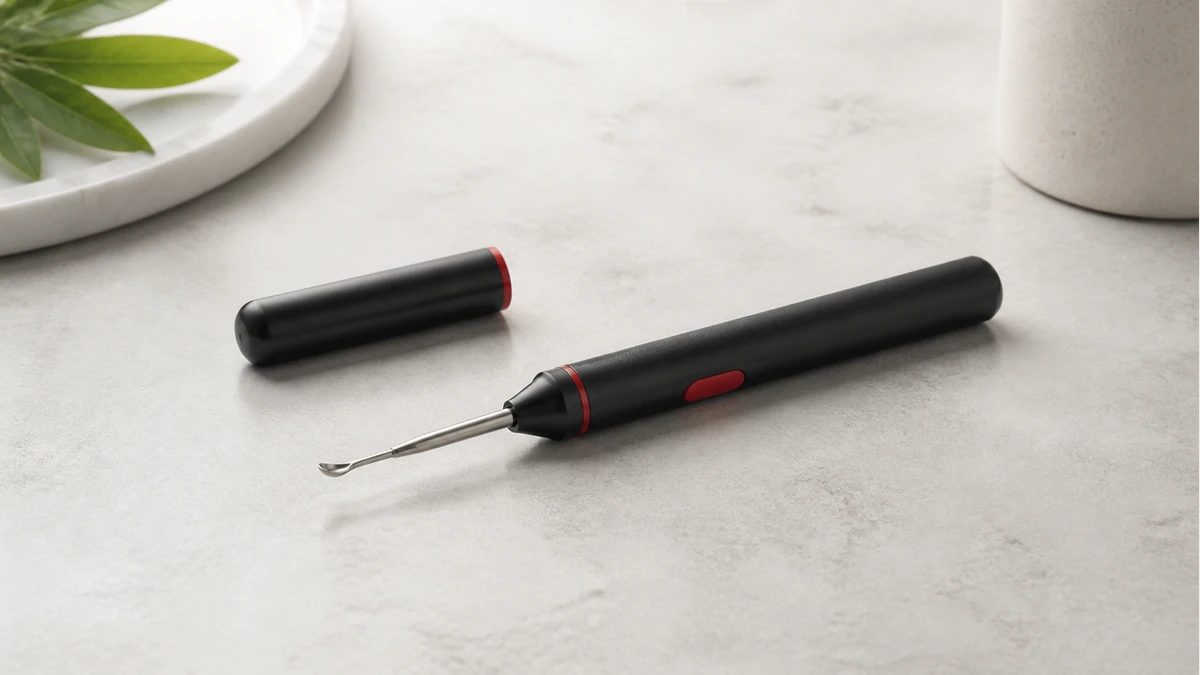
That specific friction — moving material from container to chamber without losing half of it to the tool, the jar wall, or your knuckles — is the problem a hot knife dab tool is built around. It is not a flavor device, a vaporization method, or a substitute for the atomizer inside a pen. It is a loading accessory: a metal tip, heated by a small internal battery, that softens the outer layer of a sticky substance just enough for it to release cleanly and travel where you want it to go.
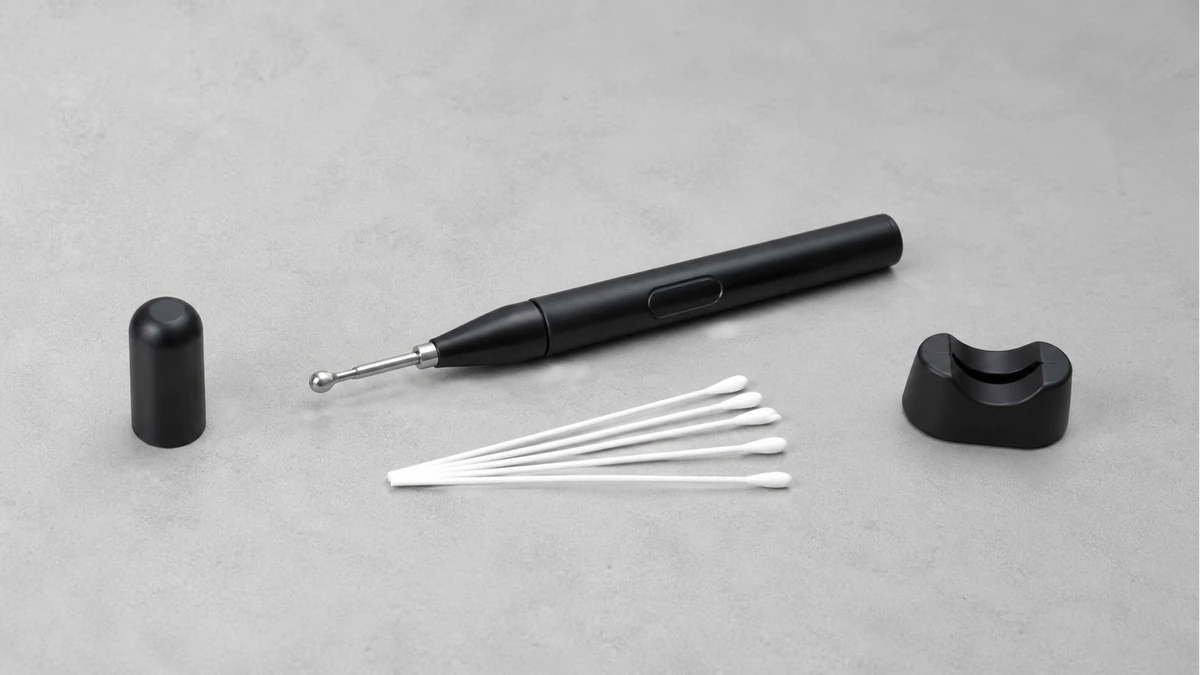
The mechanism is straightforward. A resistive heating element sits behind the metal tip, usually titanium or stainless steel, and warms it to a level hot enough to loosen surface tension in a sticky material but well short of combustion or vaporization temperatures. Touch the tip to the material, the thin contact layer softens, and the tool glides through instead of dragging. It’s closer in spirit to a heated wax spatula than to any part of a vaporizing chamber, and keeping that distinction in mind early keeps expectations realistic for anyone stocking or recommending the category.
🧭 2. Which Material Textures Actually Benefit From Heat
Not every concentrate texture needs help. A hot knife earns its place with materials that are dense, cold-stiff, or aggressively adhesive at room temperature — the ones that make a standard dab tool feel like it’s fighting you.
🧩 2.1 Textures where a heated tip genuinely helps
- Sugar and sauce consistencies that separate into a stiff crystalline structure sitting in a pool of thinner terpene liquid. A cold tool tends to just push the crystals around; a warm tip lets you gather a cohesive dose.
- Cold-stiff shatter or badder that has hardened in a cool room or after refrigeration. Heat brings it back to a workable state without needing to hold the jar in your hand first.
- Highly adhesive resin or rosin that strings and clings to any room-temperature metal it touches. A warmed tip reduces that stringing because the material doesn’t need to be dragged, just guided.
🧩 2.2 Textures where a heated tip adds little or actively hurts
- Already-soft, oily consistencies that flow at room temperature. Extra heat here just makes the material runnier and harder to control, not easier.
- Dry, crumbly textures that break apart rather than stick. There’s no adhesion problem to solve, so a heated tip mostly risks scorching the surface for no benefit.
- Delicate, terpene-forward extracts where buyers are specifically trying to avoid unnecessary heat exposure before use. A powered tool applied for more than a couple seconds of contact time works against that goal.
The practical takeaway for anyone stocking or recommending this category is that a hot knife tool solves a specific texture problem, not a universal one. Matching it to the concentrate types a customer actually handles matters more than the tool’s power output or brand story.
⚙️ 3. Tip Geometry and What It Does for Control
Once the heating element works, the next differentiator is entirely mechanical: the shape of the tip. This is where a lot of the meaningful design variation between tools actually lives, and it’s worth understanding before assuming “hot knife” means one fixed shape.
🧩 3.1 Flat blade tips
A flat, angled blade — closer to a small putty knife than a needle — is built for scraping and gathering. It works well against the flat surface of a jar or silicone container and is the shape most associated with the “knife” in hot knife. Control comes from the flat face contacting a broad area of material at once, which suits sugar and badder consistencies that need to be swept together before loading.
🧩 3.2 Pointed or dabber-style tips
A narrower, rounded point behaves more like a traditional dab tool with heat added. It’s better suited to precise portioning — picking up a small, controlled amount rather than scraping a wide area — and tends to be the preferred shape for stickier, stringier material where a broad blade would just pull too much at once.
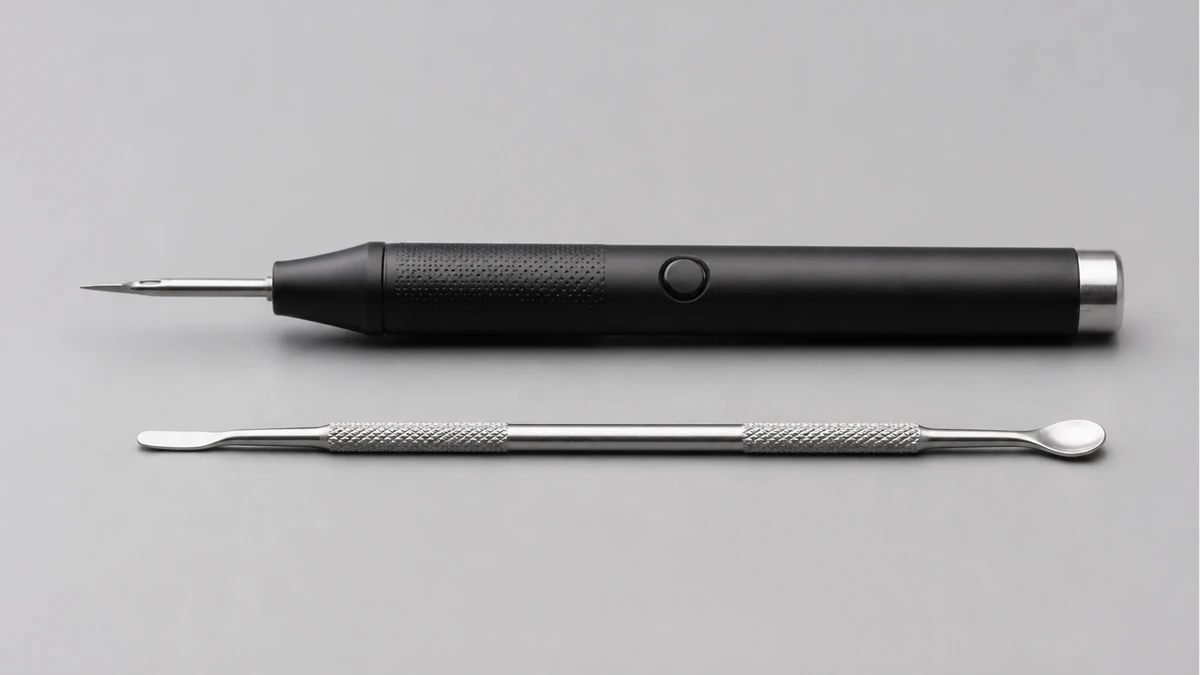
🧩 3.3 Dual-ended designs
Some tools put a blade on one end and a point on the other, letting one heated core serve both functions. This adds versatility without doubling the battery and heating hardware, though it also means both ends share the same heat cycle and battery capacity, which is worth factoring into how often you can switch tasks before a recharge is needed.
Readers comparing tip shapes against unpowered options — including standard carbon fiber, titanium, or ceramic dabbers — may find it useful to review a broader breakdown of dab tool types and materials before deciding whether heat is even the right feature to prioritize for their use case.
🧩 4. Battery and Control Design That Actually Matters
The heating element is only as good as the control system behind it, and this is where cheap and well-designed hot knife tools diverge most sharply.
The simplest tools use a single button: press and hold, the tip heats, release and it cools. This works but offers no way to match heat output to material texture — the same heat level goes into stiff shatter and soft sugar alike. Tools with a short press-count or button-click system for selecting a heat level give more control over how much softening a given material actually needs, which matters because overheating sticky concentrates is easy to do by accident and hard to walk back once terpenes have started to break down on the tip surface.
🧩 4.2 Battery placement and handling weight
Because the battery sits in the handle rather than in a base station, weight distribution affects how usable the tool feels during actual loading work. A handle that’s top-heavy near the heated tip makes fine control harder, especially for the pointed, precision-loading tip style. Buyers evaluating a tool for regular use are better served by handling it, or at least checking published dimensions and weight, than by battery capacity figures alone.
🧩 4.3 Charging and standby behavior
USB-C charging has become the standard expectation across small battery-powered accessories, and a hot knife tool that still relies on a proprietary or outdated charging format is worth a second look before purchase. Auto shut-off after a period of inactivity is a meaningful safety and battery-life feature, since a heated tip left activated and unattended is both a burn risk and an unnecessary drain on a small internal cell. Not every tool includes this, so it’s a detail worth confirming rather than assuming.
For readers weighing a hot knife purchase alongside a dab pen or wax pen setup — since the two are often bought together to handle both loading and vaporizing — the battery and control comparisons in this wax pen and dab pen guide cover similar ground from the vaporizer side of the equation.
🛠️ 5. Cleaning and Safe Handling Between Uses
A heated metal tip that regularly contacts sticky concentrate accumulates residue quickly, and that residue behaves differently once it’s cooled and hardened than it does mid-use.
🧩 5.1 Cleaning while the tip still has residual warmth
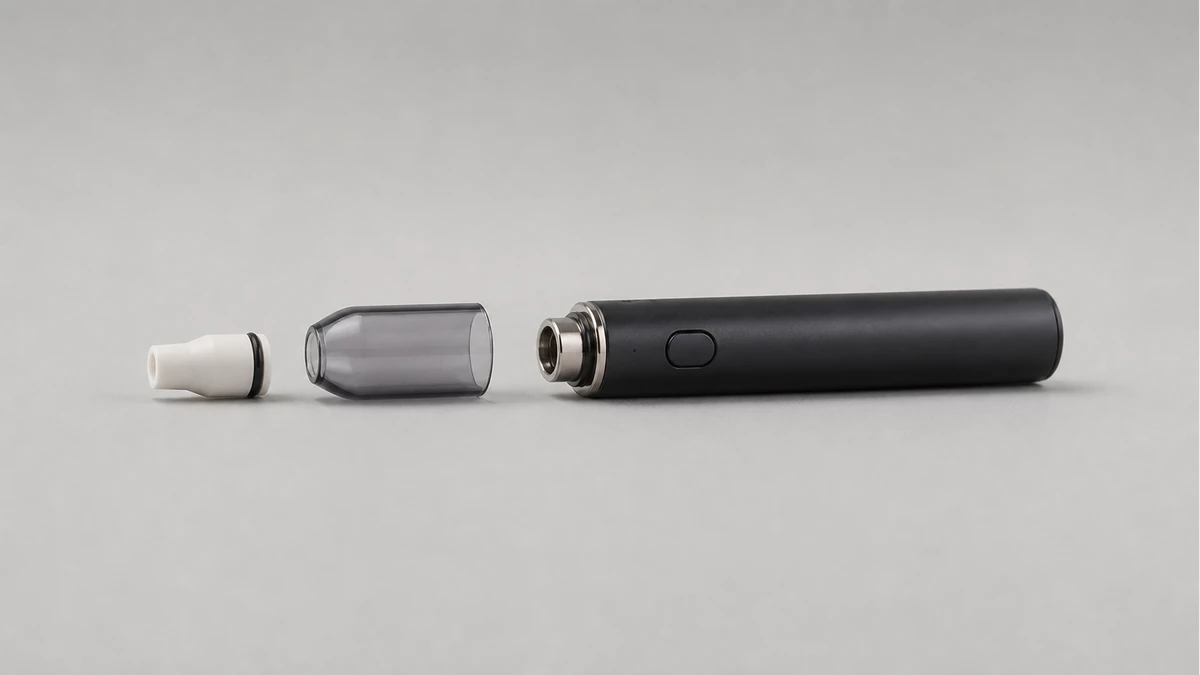
The easiest cleaning window is right after use, while the tip retains some residual heat and any leftover material is still soft. Wiping the tip with a lint-free cloth or cotton swab at this stage removes most residue without needing solvents. Waiting until the tip is fully cold and the residue has hardened turns a fifteen-second wipe into a scraping job that risks marking the tip’s finish. For anyone using the tool daily, building this wipe-down into the routine takes less effort than periodic deep cleaning ever will.
🧩 5.2 What to avoid during cleanup
- Submerging the handle in liquid. The battery and control electronics sit in the handle, and even brief submersion risks corrosion or failure that isn’t covered by any warranty.
- Using abrasive scrubbing pads on the tip. Scratches on a titanium or steel tip create surfaces where residue collects more readily on subsequent uses, making the next cleaning cycle harder rather than easier.
- Cleaning while the unit is actively heating. Wiping a live, powered tip introduces unnecessary contact risk for no real cleaning benefit — always let the heating cycle finish or manually deactivate it first.
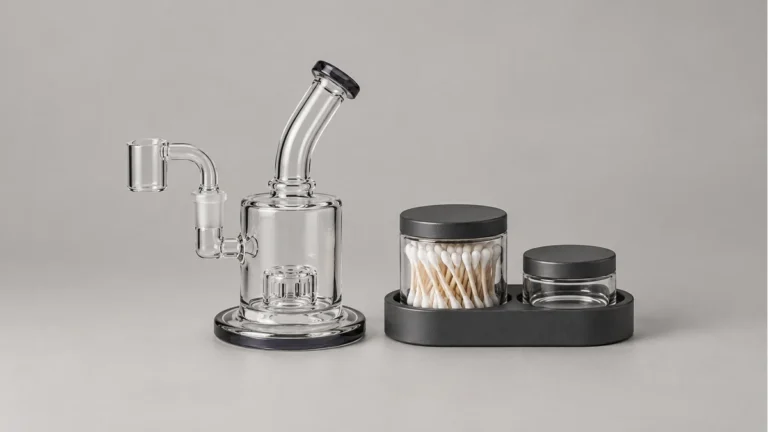
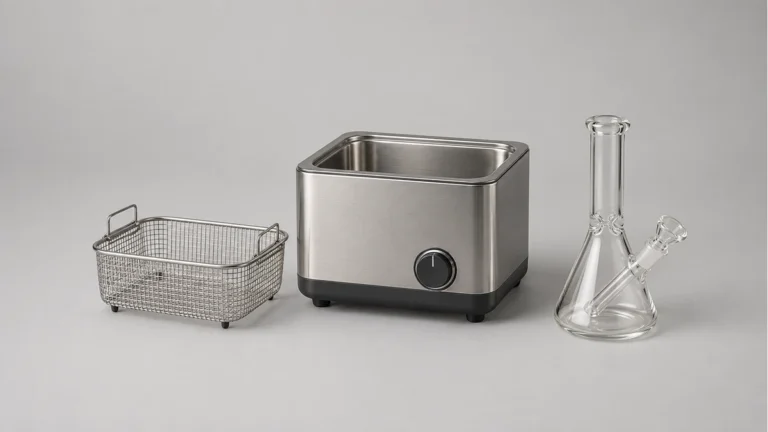
Isopropyl alcohol on a cloth, applied to a cooled tip, handles most residue that a dry wipe leaves behind. This is standard practice across most concentrate hardware and pairs well with the same care routine used for a dab rig’s nail or banger, which is covered in more detail in this dab rig buying guide.
📐 6. Limits and Handling Risks Worth Taking Seriously
A powered, heated metal tip is a small tool, but it is not a toy, and treating it with the same casualness as an unpowered dabber invites avoidable problems.
🧩 6.1 Burn risk from the tip itself
The heated tip reaches temperatures well above comfortable skin contact, and because the tool is small and handheld, it’s easy to underestimate how quickly an accidental touch — to a hand, a table surface, or a child or pet in the room — can cause a burn. Treating the tip as active any time the device is powered on, not just mid-heat-cycle, is the safer working assumption.
🧩 6.2 Battery handling and storage
Small lithium batteries in handheld heating tools shouldn’t be left charging unattended for long periods, exposed to direct sunlight or high ambient heat, or stored with the tip end resting against anything flammable. These are standard precautions for any small rechargeable device, but they carry more weight here because the tool sits, by design, near sticky residue that can itself be flammable.
🧩 6.3 What a hot knife tool is not built to do
It is not a substitute for a torch or an electronic nail, it is not designed to vaporize material on its own, and it should not be used to heat a dab rig’s nail or banger directly — the tip’s heating element and thermal mass aren’t built for that job, and attempting it risks damaging both tools. Keeping the tool’s role narrowly defined as a loading aid, rather than treating it as a multi-purpose heat source, keeps both the equipment and the person using it safer.
🧼 7. Frequently Asked Questions
Does a hot knife dab tool replace a torch or e-nail?
No. As covered above, its only job is heating a small metal tip for loading and portioning — it has no role in heating a nail or banger for actual use.
Can it be used on any concentrate texture?
It’s most useful on dense, cold-stiff, or highly adhesive textures like sugar, badder, or cold shatter. Already-soft or dry, crumbly textures generally don’t benefit and may fare worse with added heat.
How long does the tip take to cool down before storage?
Cooldown time depends on the specific tool’s heating element and ambient conditions, so check the manufacturer’s guidance rather than assuming a fixed number. As a general rule, wait until the tip is at room temperature before placing it back in a case.
Is a flat blade or a pointed tip better?
Neither is universally better — a flat blade suits scraping and gathering across a jar surface, while a pointed tip suits precise, single-dose portioning. Dual-ended tools offer both in one handle, at the cost of sharing one battery between them.
🔌 8. The Practical Verdict
A hot knife dab tool solves one job well: getting stubborn, sticky concentrate out of its container and into a chamber without the mess and waste a cold metal tool creates. It does that job through simple, well-understood mechanics — a heated tip, sensible geometry, and a battery and control system that either respects the material’s sensitivity or doesn’t. Buyers who match tip shape and heat control to their actual concentrate textures, and who treat the tool’s battery and heating element with the same care they’d give any small powered device, get real, repeatable value from it. Buyers expecting it to do more than load material are better served looking elsewhere in their setup.