A distributor testing a new magnetic 510 battery for a private-label order recently ran into something that looked like a defect but wasn’t. The adapter clicked into place, held the cartridge at a slight angle, and the battery’s indicator light blinked instead of glowing steady. Everything about the connection looked secure. Nothing about it was electrically sound. That gap between “feels attached” and “actually works” is the entire story of magnetic vape batteries, and it’s worth understanding in detail before you evaluate one for a catalog, a private-label run, or your own daily use.
🔍 1. The Magnet Holds the Adapter — It Doesn’t Carry the Current
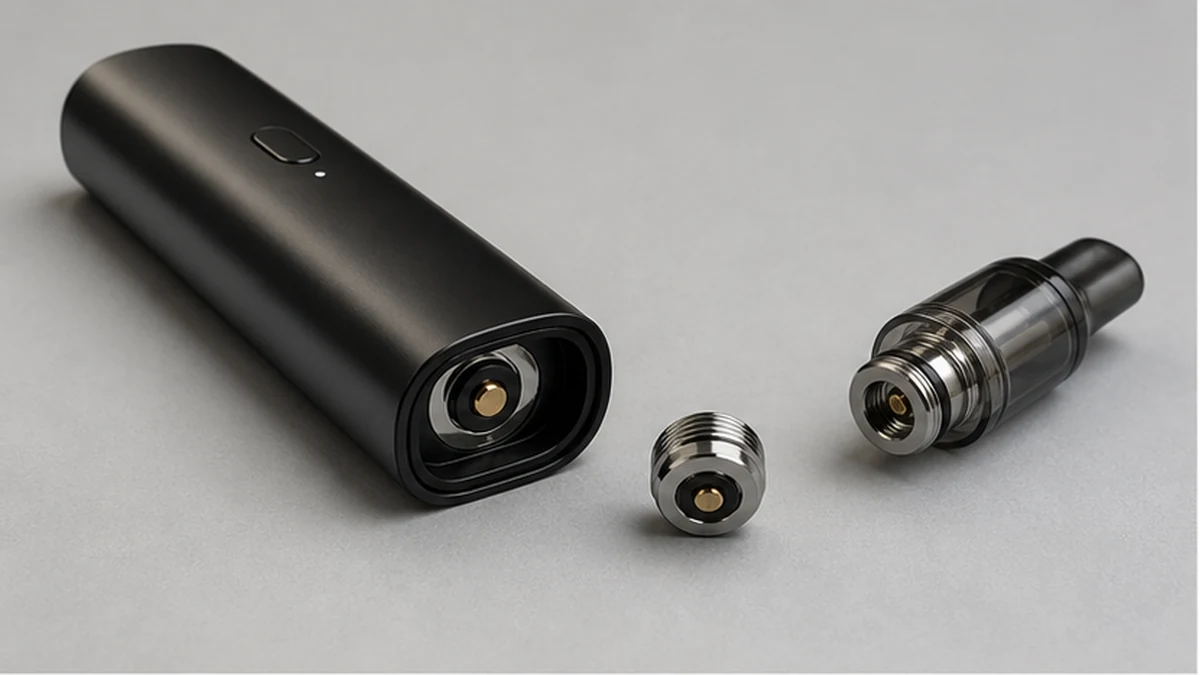
A magnetic battery is still built around a standard 510 thread. The recess at the top of the device contains a threaded socket and a spring-loaded contact pin, exactly like a conventional 510 battery. What changes is the presence of a small magnetic ring around that socket, paired with a matching magnetic ring on a separate metal adapter. The adapter screws onto the cartridge’s 510 connector first, and the magnets then pull that adapter down into the recessed socket and hold it there.
So yes, a magnetic battery is still 510-compatible in the electrical sense — the thread and the center pin are doing the same job they always have. The magnet’s only function is mechanical retention. It keeps the adapter from working loose during handling, and it lets a user pull a cartridge free without unscrewing anything. It does not replace the contact plate, and it does not guarantee current flow on its own. This distinction matters because a lot of confusion around these systems comes from treating the magnetic snap as proof of a good connection, when it’s really just proof that two pieces of metal are near each other. For a fuller breakdown of how the threading and contact pin interact on a standard 510 platform, the explanation at this overview of 510 thread battery technology is a useful reference point before troubleshooting a magnetic variant specifically.
The practical upshot: if a cartridge is seated and magnetically held but the device won’t fire, the magnet isn’t the suspect. The contact interface underneath it is.
🧭 2. Why an Adapter Can Lose Contact Even When It’s Magnetically Secure
There are three or four physical reasons a magnetic connection stops passing current cleanly, and they tend to show up in combination rather than isolation. Understanding each one separately makes diagnosis much faster.
🧩 2.1 Debris on the Contact Surfaces
The magnetic ring and the flat contact plate sit at the very top of the battery, which means they’re exposed every time a cartridge is removed. Pocket lint, oil residue from a cartridge’s threading, and general dust settle into that recess over time. Because the magnet still pulls the adapter into place regardless of what’s sitting on the contact surface, a layer of residue can sit directly between the pin and the adapter without producing any obvious resistance when you insert the cartridge. The mechanical fit feels normal. The electrical path is partially blocked. This is one of the more common causes behind an intermittent “no atomizer” type of error, and it’s worth understanding what that specific error message is actually telling you — this explanation of what a no-atomizer reading means covers the underlying detection logic in more detail.
🧩 2.2 Height Rings and Spacer Mismatches
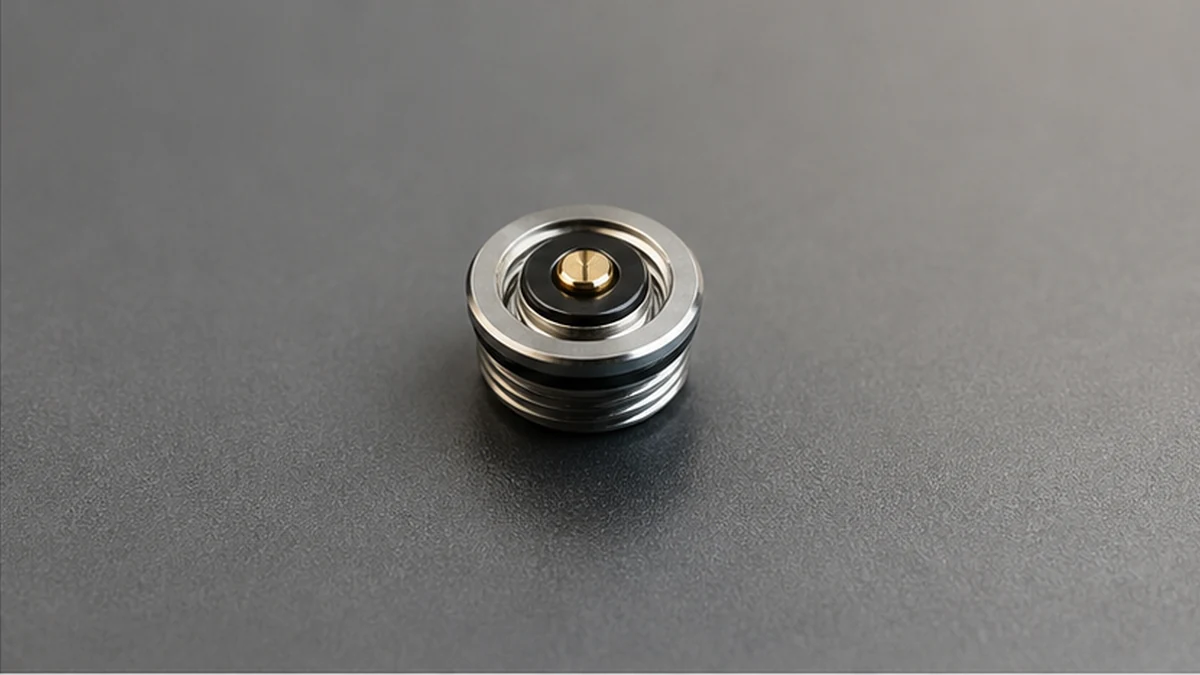
Magnetic adapters aren’t all the same height, and neither are the recessed sockets they drop into. Some batteries ship with a small stack of spacer rings so the same device can accommodate cartridges of slightly different lengths. If the wrong spacer is in place — or missing entirely — the adapter can sit a fraction of a millimeter too high or too low. Too high, and the spring-loaded pin doesn’t compress far enough to make firm contact. Too low, and the adapter can bottom out against the socket wall before the magnet fully seats, leaving a visible gap that still looks “close enough” at a glance.
🧩 2.3 Wobble and Off-Axis Seating
Because the magnet does the final positioning rather than a threaded connection locking the cartridge in a fixed orientation, a cartridge can sit slightly crooked and still be held in place. Even a small tilt shifts the contact pin off-center, which reduces the surface area actually touching the plate. This is usually the cause when a cartridge fires inconsistently depending on how it was set down — a small rotation or press can restore full contact temporarily, which is a strong sign that alignment, not the battery itself, is the underlying issue.
⚙️ 3. How Tight Should the Adapter Actually Be?
This is one of the more common points of confusion, because the intuition from standard 510 threading — snug it down firmly — doesn’t map cleanly onto a magnetic system. The adapter still threads onto the cartridge, but it’s the magnet, not thread tension, that’s responsible for holding the whole assembly in the battery’s socket. Overtightening the adapter onto the cartridge thread doesn’t improve the magnetic connection at all; it just increases the risk of stripping the cartridge’s threading or deforming the adapter’s own contact plate over repeated use.
The practical target is finger-tight: turn the adapter onto the cartridge until it stops moving under light resistance, without forcing it past that point. If it requires noticeable effort to keep turning, you’ve likely already passed the point of useful tightness and are just adding wear. On the other side, an adapter that’s too loose on the cartridge thread can spin slightly inside the magnetic recess, which reproduces the same off-axis contact problem described above — the magnet holds the adapter to the battery, but the adapter isn’t fully seated on the cartridge, so the whole stack ends up misaligned.
A quick way to check the seating without repeatedly screwing and unscrewing: place the cartridge in the recess, apply light downward pressure with a slight rotation, and see whether the fit resistance changes. A properly seated adapter should feel like it settles into one stable position rather than continuing to rock or shift.
🧩 4. Cartridge Dimensions That Cause Fit Problems
Magnetic systems are more sensitive to cartridge dimensions than open threaded batteries, mainly because the recessed socket has a fixed depth and diameter that a cartridge and adapter combination has to match. A few specific dimensions matter more than people expect:
- Connector diameter. Not every 510 cartridge has an identically sized threaded base. A cartridge with a slightly wider or narrower connector than the adapter was designed around can seat unevenly, even though the thread pitch itself is standard 510.
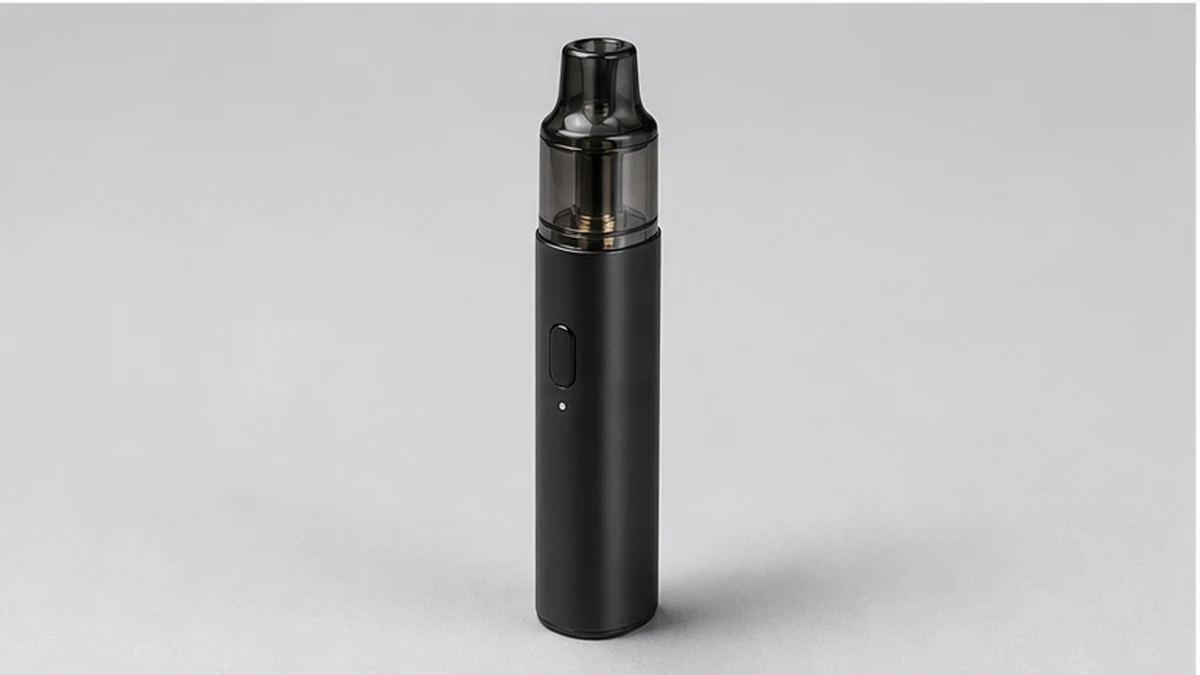
- Overall cartridge height. Combined with the adapter, total height determines how far the cartridge sits inside the recess. A taller cartridge-and-adapter stack may not allow the magnet to fully engage; a shorter one may leave a visible gap at the base of the recess.
- Center pin protrusion. Cartridges vary in how far their internal contact pin extends. A pin that sits flush or slightly recessed needs the adapter’s contact plate to travel further to make a firm connection, which is where spacer height becomes relevant again.
- Base diameter of the cartridge body. Wider cartridge bases can contact the rim of the recessed socket before the connector itself is fully seated, effectively holding the cartridge slightly proud of where it needs to sit.
None of these are defects in the cartridge or the battery individually — they’re simply variation across manufacturers that a fixed-depth magnetic recess is less forgiving of than an open thread. If you’re sourcing or specifying cartridges for a magnetic system, it’s worth checking connector and body dimensions against the adapter’s tolerances rather than assuming any 510 cartridge will seat identically. This guide to 510 cartridge specifications walks through the dimensions that tend to vary most between cartridge lines.
🛠️ 5. Keeping Spare Adapters Organized
Because adapters are small, loose, and easy to misplace, and because height-ring mismatches are one of the most common causes of poor contact, a little organization prevents most fit issues before they start. A simple routine:
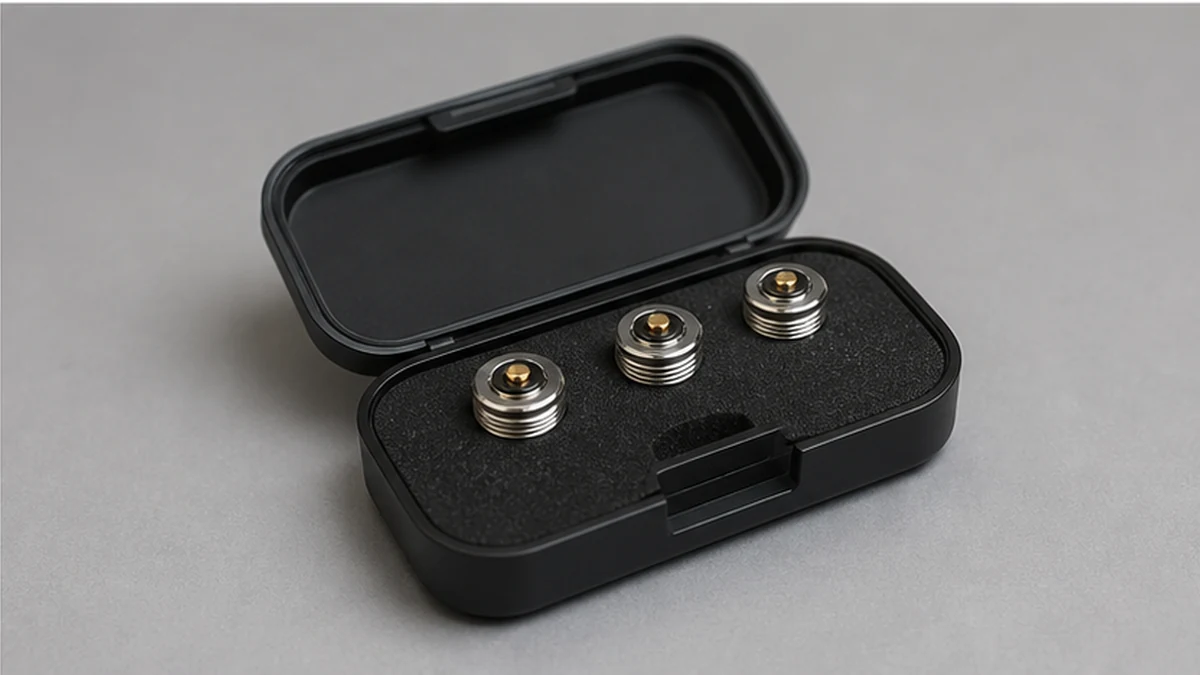
- Keep one adapter permanently paired with each cartridge style you use regularly, rather than swapping adapters between cartridge types on the fly.
- Store spare adapters and spacer rings in a small labeled container instead of loose in a pocket or bag, where lint and debris accumulate on the contact surfaces.
- Wipe the adapter’s contact plate and the battery’s recessed contacts with a dry cotton swab periodically, especially if you’ve noticed any flickering or inconsistent firing.
- If a device shipped with multiple spacer rings, note which ring matches which cartridge height so you’re not guessing each time you switch.
- Inspect the adapter’s magnet ring occasionally for any residue buildup, since magnetic surfaces attract metallic dust more readily than a plain threaded contact does.
This kind of basic housekeeping solves the majority of “it worked yesterday, not today” reports, because most of those cases trace back to a stray piece of debris or a swapped adapter rather than any real hardware failure.
📐 6. What to Check Before Sourcing a Magnetic System for Private Label
For a distributor or brand evaluating a magnetic 510 platform for a private-label run, the troubleshooting causes above translate directly into sourcing questions. Since fit problems in these systems come from the interaction between the adapter, the recessed socket, and the cartridge — not from any single component in isolation — testing one part alone won’t tell you much about how the finished product will perform in the field.
Ask the supplier for the connector diameter tolerance the adapter was engineered around, along with the full set of spacer rings shipped with the device and which cartridge heights each one is meant to accommodate. If that information isn’t readily available, treat it as a signal that the recess depth and adapter height may not have been validated against a range of cartridge dimensions, which is exactly the kind of mismatch described in Section 4.
Request working samples paired with the actual cartridges you intend to distribute or private-label, rather than evaluating the battery with whatever cartridge the supplier includes for demonstration. A magnetic connection can look flawless with one cartridge line and inconsistent with another, purely because of the dimensional variation covered above — a mismatch that a single demo unit won’t reveal.
It’s also worth running a basic consistency check across a small batch rather than a single unit. Because the magnet and contact plate are separate components assembled together, minor manufacturing variation between units — in magnet strength, contact plate flatness, or spacer fit — can produce a battery that works perfectly in one sample and marginally in another. A handful of units tested with your actual cartridge SKUs will surface that variation faster than a specification sheet alone.
🔋 7. Frequently Asked Questions
Is a magnetic battery still 510-compatible?
Yes. The magnet is a mechanical retention feature layered on top of a standard 510 thread and contact pin. The underlying connection standard hasn’t changed.
Why does my cartridge feel securely attached but won’t fire?
A secure magnetic hold only confirms the adapter is mechanically in place — it doesn’t confirm the contact plate and pin are making clean electrical contact underneath. Debris, height mismatch, or slight misalignment are the usual causes.
How tight should I screw the adapter onto the cartridge?
Finger-tight, stopping at the first point of light resistance. Overtightening risks stripping the thread without improving the hold, since the magnet — not thread tension — is what secures the assembly in the socket.
What cartridge dimensions most often cause fit problems?
Connector diameter, overall cartridge height, center pin protrusion, and the cartridge’s base diameter are the dimensions most likely to create seating issues in a fixed-depth magnetic recess.
🧼 8. The Bottom Line
A magnetic vape battery doesn’t change what 510 compatibility means — it changes how the cartridge gets held in place while that same connection does its job. Most fit and firing issues come down to the same handful of causes: something sitting between the contact surfaces, a spacer that doesn’t match the cartridge’s height, or a slight tilt that the magnet is happy to hold in place anyway. Once you separate the mechanical hold from the electrical connection in your own troubleshooting, magnetic systems stop being mysterious and start being just another version of the same 510 hardware you already know how to check.