You take a slow pull on a new auto-draw cartridge, expecting the usual soft click and steady vapor, and nothing happens. You try again, harder this time, and the battery finally responds with a burst that feels stronger than the two attempts combined. Nothing about the hardware failed — you just ran into the limits of how an airflow sensor decides when to fire. Anyone who has switched from a button-activated 510 battery to an auto draw 510 battery has hit some version of this moment, and understanding why it happens changes how you use the device from that point on.
Auto-draw batteries are popular for one simple reason: they remove a step. There’s no button to press, no timing to coordinate, and no accidental firing in a pocket if the threading is sound. That convenience, though, depends entirely on a small mechanical sensor correctly reading the difference between someone inhaling and nothing happening at all. When that reading goes wrong, the battery either stays silent when it shouldn’t or fires when nobody asked it to. Both problems come from the same physical principle, which is worth understanding before troubleshooting either one.
🔍 1. How the Sensor Detects a Draw
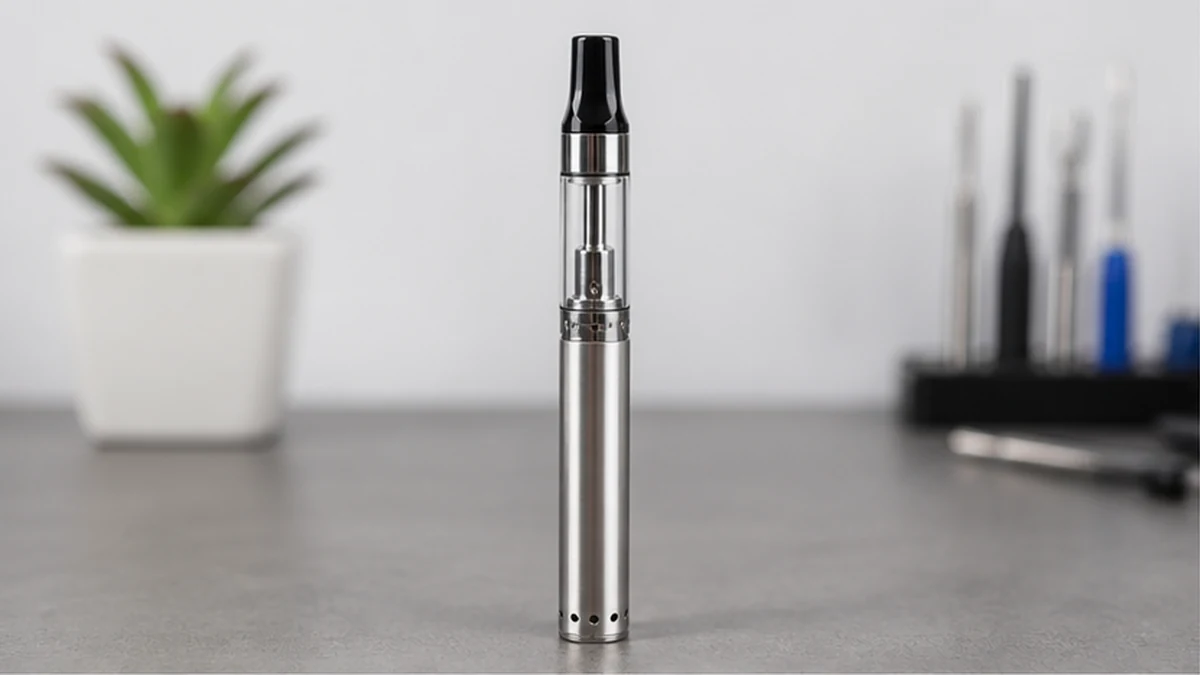
An auto-draw 510 battery doesn’t “know” you’re inhaling in any sophisticated sense — it measures air pressure. Inside the battery body sits a small sensor, typically a mechanical pressure switch or a flexible diaphragm, connected to a narrow air channel that runs from the base of the 510 connector up through the battery. When you draw on a cartridge, air moves through that channel, and the pressure on one side of the sensor drops relative to the other side. That pressure differential is the trigger: once it crosses a set threshold, the circuit closes and power flows to the coil.
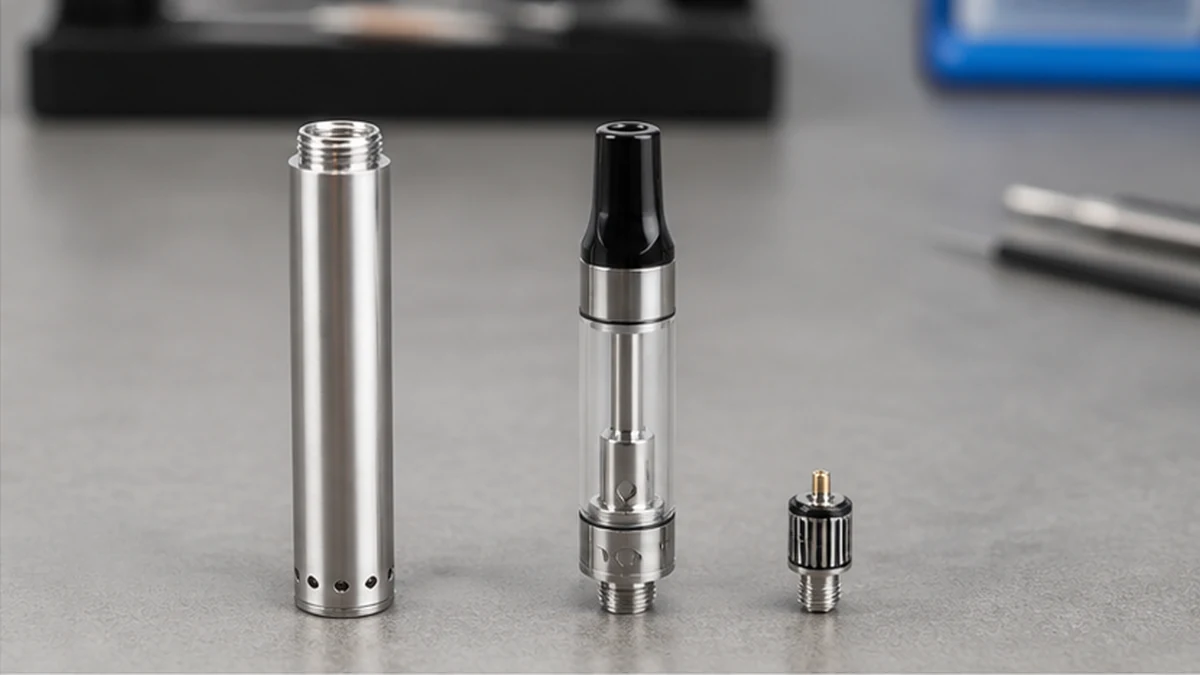
This is a fundamentally different activation method than a manual button, which simply closes a mechanical or capacitive switch the instant you press it. A closer look at how these circuits are built — covered in this guide to 510-thread vape battery technology — makes clear why the auto-draw variant needs an intact, unobstructed airflow path to function at all. If that path is blocked, narrowed, or leaking air from somewhere other than the intended channel, the pressure differential either never forms or forms somewhere the sensor can’t read it.
Sensor designs vary somewhat by manufacturer. Some batteries use a simple mechanical switch that clicks shut once the diaphragm flexes past a set point, while others use a more sensitive pressure transducer that can register smaller changes. Both approaches rely on the same underlying principle — a pressure differential between the outside air and the sealed side of the sensor — so the practical troubleshooting steps are the same regardless of which type sits inside a given battery.
🧩 1.1 Why Draw Strength Matters
Because activation depends on crossing a pressure threshold rather than tripping a binary switch, draw strength has a real effect on how the battery behaves. A light, tentative pull may not generate enough pressure change to trigger the sensor at all, which is why new auto-draw users often report the battery feeling “dead” on the first attempt. A firmer, steadier draw crosses the threshold cleanly and produces a more predictable response. This isn’t a flaw in the sensor — it’s simply how a pressure-based system has to work, and it’s the first thing worth adjusting before assuming the hardware is faulty.
🧭 2. Why Some Carts Never Trigger It
Not every cartridge plays well with an airflow sensor, and this is one of the most common points of confusion for people switching from button batteries. A cart can have a completely open airflow path — you can see through it, air moves freely when you blow into it — and still fail to reliably trigger an auto-draw battery. The reason usually comes down to where and how air actually enters the cartridge.
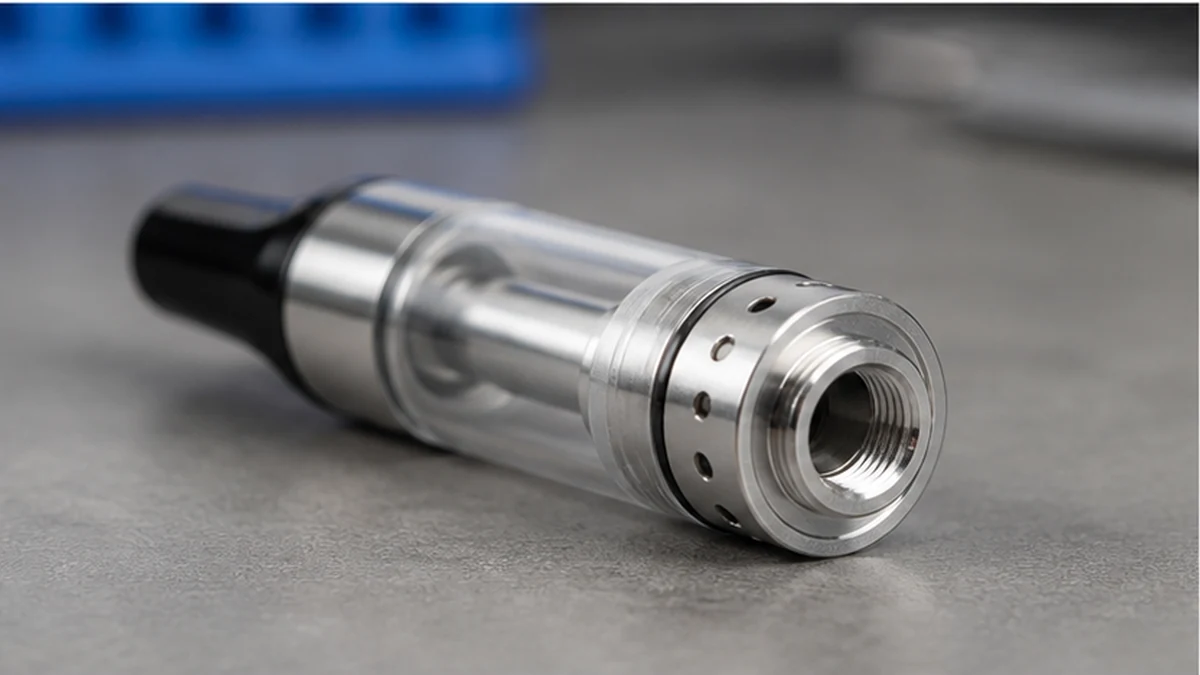
Auto-draw sensors are calibrated to detect pressure changes coming through the 510 connector itself. Some cartridge designs pull the majority of their airflow in from side vents near the mouthpiece rather than up through the center post and base connection. In that configuration, air can be moving through the cartridge just fine from the user’s perspective, but very little of that pressure change registers where the battery’s sensor is actually listening. The cartridge has airflow in the sense that matters to a person pulling on it, but not in the sense that matters to the sensor. This scenario is common enough that it’s worth reading this breakdown of why a cart isn’t hitting despite having airflow for a closer look at what’s going on internally.
Wick saturation can compound the problem. A cartridge with dry or unevenly saturated cotton restricts how easily air pulls through the wicking material near the base, which can blunt the pressure signal even on a cartridge with an otherwise well-designed airflow path. This is more common in carts that have been stored upright for an extended period, since oil settles away from the wick over time and needs a few minutes of rest — ideally mouthpiece-up — to redistribute before the airflow behaves normally again.
Loose-fitting threading is a related but separate issue. If the connection between the cartridge and battery isn’t fully seated, air can leak around the threads instead of traveling through the intended channel, diluting the pressure signal the sensor is trying to read. A cart that triggers reliably on one battery may behave inconsistently on another simply because thread tolerances differ slightly between manufacturers, even when both are labeled standard 510.
⚙️ 3. Fixed Output Versus Variable Output
Auto-draw batteries generally fall into two categories once you look past the activation method itself: fixed-output devices that deliver one consistent voltage or wattage every time, and variable-output devices that let the user select from a small range of settings, sometimes indicated by a colored LED.
Fixed-output auto-draw batteries are the simpler of the two, mechanically and electrically. There’s less to calibrate, fewer components that can drift out of spec, and the sensor only has to manage a single activation profile. This tends to make them more consistent in daily use, since the battery isn’t trying to coordinate a pressure reading with a variable power curve at the same time.
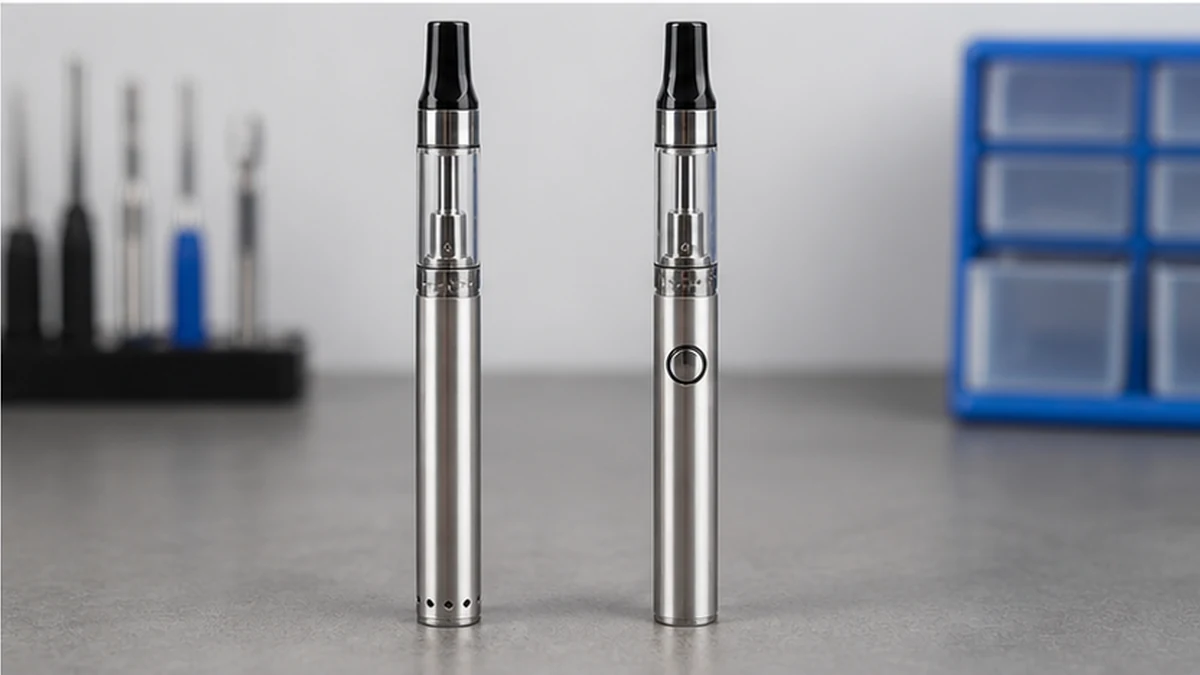
Variable-output auto-draw batteries add flexibility but also add a layer of interaction. Since there’s no button to hold for adjusting settings, output selection usually happens through a separate mechanism — a twist ring, a series of clicks, or in more advanced designs, a companion app. The tradeoff is real: more control over the vapor experience, but also more that can go wrong through user error, since a setting changed by accident is harder to notice on a device with no screen and no button feedback to confirm it.
| Feature | Fixed Output | Variable Output |
|---|---|---|
| Activation consistency | Generally more predictable | Depends on additional settings interaction |
| User control | Minimal | Adjustable within a defined range |
| Complexity | Lower | Higher |
🧩 4. False Activation and Condensation
The same sensitivity that lets an auto-draw battery respond to a gentle pull also makes it susceptible to false activation. Setting the device down abruptly, tapping it against a table, or storing it mouthpiece-down in a bag can occasionally generate enough of a pressure spike to trip the sensor briefly. This is generally harmless — a short, unintended firing rather than a safety issue — but it can waste oil and shorten coil life if it happens repeatedly without notice.
Condensation is a separate concern, and one specific to the airflow path itself. Because the sensor channel is narrow and largely enclosed, any liquid that migrates into it — whether from cartridge oil seeping past a seal or from atmospheric moisture condensing during a temperature swing — can partially obstruct the channel. A partially blocked path changes how pressure travels through it, which can make the sensor either less responsive, requiring a harder draw to trigger, or erratic, firing unpredictably. This is one reason auto-draw batteries benefit from occasional inspection of the connector area, particularly in humid climates or after the device has been carried through a noticeable temperature change, such as coming in from the cold.
🛠️ 5. Draw Technique and Gentle Activation
Because the sensor is reading pressure rather than responding to a discrete trigger, draw technique has more influence on the experience than most new users expect. A short, sharp pull can generate a fast pressure spike that some sensors register instantly, while others need a slightly sustained draw to confirm the pressure drop before activating. This is part of why the same battery can feel snappy to one person and sluggish to another — the difference is often technique rather than hardware.
A slow, steady draw of a second or two before expecting full output tends to produce more consistent results than a quick puff, because it gives the sensor a clean, sustained signal to read rather than a brief spike that might fall just under or just over the threshold. This is also connected to why some auto-draw batteries include a short preheat behavior — a brief low-power pulse before full output kicks in, meant to warm the oil slightly ahead of the main draw. The mechanics of that behavior are explained in this piece on what preheating a cart actually does, which is useful context for understanding why some batteries seem to ramp up rather than switch on instantly.
📐 6. When a Button Battery Is the Better Fit
Auto-draw convenience isn’t universal, and there are specific situations where a button-activated 510 battery is still the more sensible choice.
- Cartridges with side-vent airflow designs that don’t reliably generate a center-channel pressure signal are often better paired with a button, which doesn’t depend on airflow at all.
- Users who prefer longer, slower draws for a fuller vapor experience may find that variable-output button batteries offer more direct control, since output can be held at a consistent level for as long as the button stays pressed.
- Anyone troubleshooting inconsistent activation — hits that fire late, fire early, or don’t fire at all — can often resolve the uncertainty entirely by switching to manual control, since it removes the sensor as a variable altogether.
- Environments with frequent temperature or humidity swings, where condensation in the sensor channel is more likely, favor a button design simply because there’s no airflow path left to obstruct.
None of this makes auto-draw batteries inferior — it simply means the two activation methods solve different problems. Auto-draw prioritizes simplicity and one-handed use. Button control prioritizes precision and compatibility with a wider range of cartridge designs.
🔋 7. Frequently Asked Questions
🧩 7.1 Why does my auto-draw battery need a harder pull than my last one?
Sensor sensitivity varies between devices, and cartridge airflow design affects how much of that pressure change actually reaches the sensor. A harder draw simply compensates for a weaker signal reaching the channel.
🧩 7.2 Is it normal for an auto-draw battery to fire briefly on its own?
Occasional false activation from movement or pressure changes during storage is a known characteristic of pressure-sensitive switches. Frequent or sustained unintended firing is worth investigating further, since it may point to a stuck sensor or a damaged channel.
🧩 7.3 Can I fix inconsistent activation by cleaning the connector?
Clearing debris or residue from the 510 connector and the surrounding threading can improve airflow into the sensor channel, though it won’t resolve mismatches caused by a cartridge’s underlying airflow design.
🧩 7.4 Does storing the battery a certain way help prevent false activation?
Storing an auto-draw battery mouthpiece-up, away from loose items that can press against the connector, reduces the chance of an accidental pressure spike. It won’t eliminate false activation entirely, but it removes one of the more common causes.
🧼 8. The Bottom Line
An auto-draw 510 battery isn’t reading intent — it’s reading air pressure through a narrow mechanical channel, and nearly every quirk people run into, from hesitant activation to the occasional phantom hit, traces back to that one physical fact. Match the cartridge’s airflow design to the sensor, draw with a steady pull rather than a quick puff, and keep the connector clear of buildup, and the system works about as reliably as button activation without the extra step of pressing anything. When it doesn’t — because of cartridge design, humidity, or a preference for finer control — a button battery remains the more predictable tool for the job.