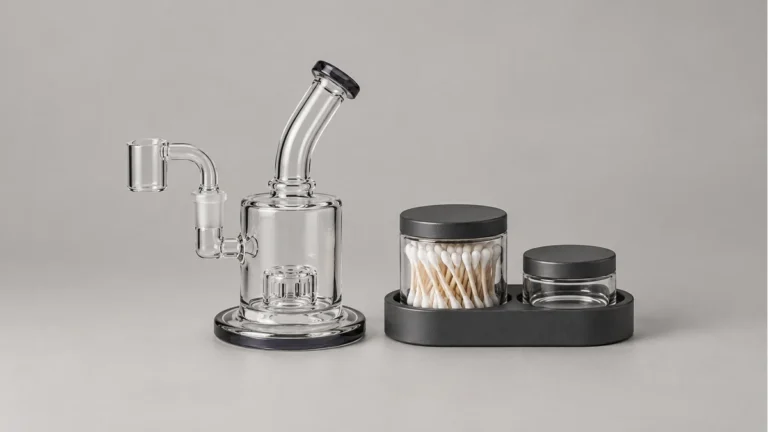
You’re patting down your jacket at a rooftop bar, phone in one pocket, vape pen rattling around a different pocket with a cracked cartridge tip you’re hoping hasn’t leaked onto your keys. It’s a small, recurring annoyance, and it’s exactly the kind of friction that makes a combined vape phone case sound like an obvious fix. One object instead of two. One thing to grab on the way out the door. The idea is appealing enough that it shows up constantly in vape forums and product searches, usually phrased as some version of “does anyone make a phone case that actually holds a vape pen properly?”
The honest answer is that the concept is harder to execute well than it looks, and the reasons are mechanical, not marketing-related. A phone case and a vape carrying case are solving two different physical problems, and mashing them into one accessory means compromising on both.
🔎 1. What “vape phone case” actually describes
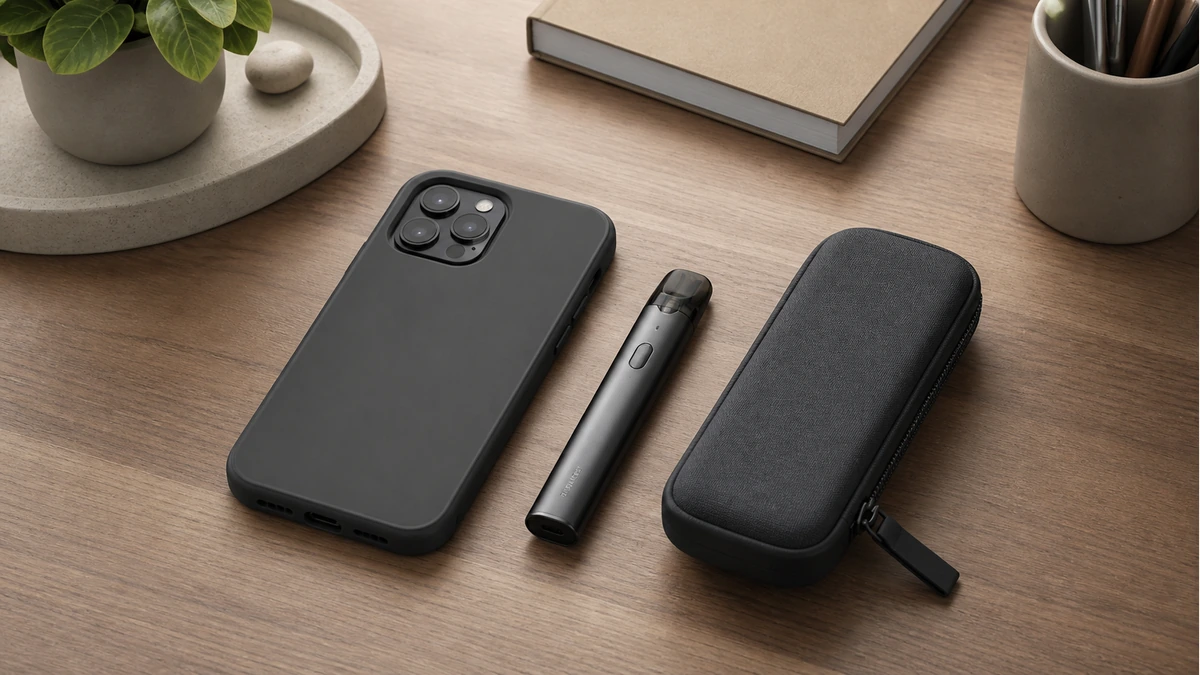
In practice, the term covers a few different physical layouts, not one standard product. Some are phone cases with a rigid sleeve or clip molded onto the back, sized to hold a slim vape pen or pod device. Others are wallet-style cases with an elastic loop or a small pocket sewn or molded into the side. A smaller category is closer to a dual-chamber pouch that happens to include a phone compartment, worn on a strap or clipped to a belt loop rather than held like a phone case at all.
What they share is the basic promise: carry your phone and your vape hardware as a single unit instead of two loose items. What they don’t share is a common design standard, because there isn’t an industry-wide vape pen shape the way there’s a reasonably standardized phone shape. Pod systems, pen-style batteries, and cartridge-based devices differ in length, diameter, and where the mouthpiece sits, so a sleeve sized for one style of hardware often fits another only loosely, or not at all.
That variability is worth sitting with before buying anything, because it’s the root of most complaints people post after purchase — not that the accessory is poorly made, but that it was never going to fit their specific device shape in the first place.
🧩 2. Two different design jobs
A phone case exists to absorb an impact and keep a rigid glass-and-metal object intact when it hits the ground. That means firm material at the corners, a snug fit around the phone’s edges, and a design that doesn’t add much bulk to buttons or ports. A vape carrying pocket exists to do something almost opposite: hold a smaller object loosely enough to slide in and out one-handed, keep the mouthpiece from pressing against anything, and ideally keep that pocket separate from anything that scratches easily.
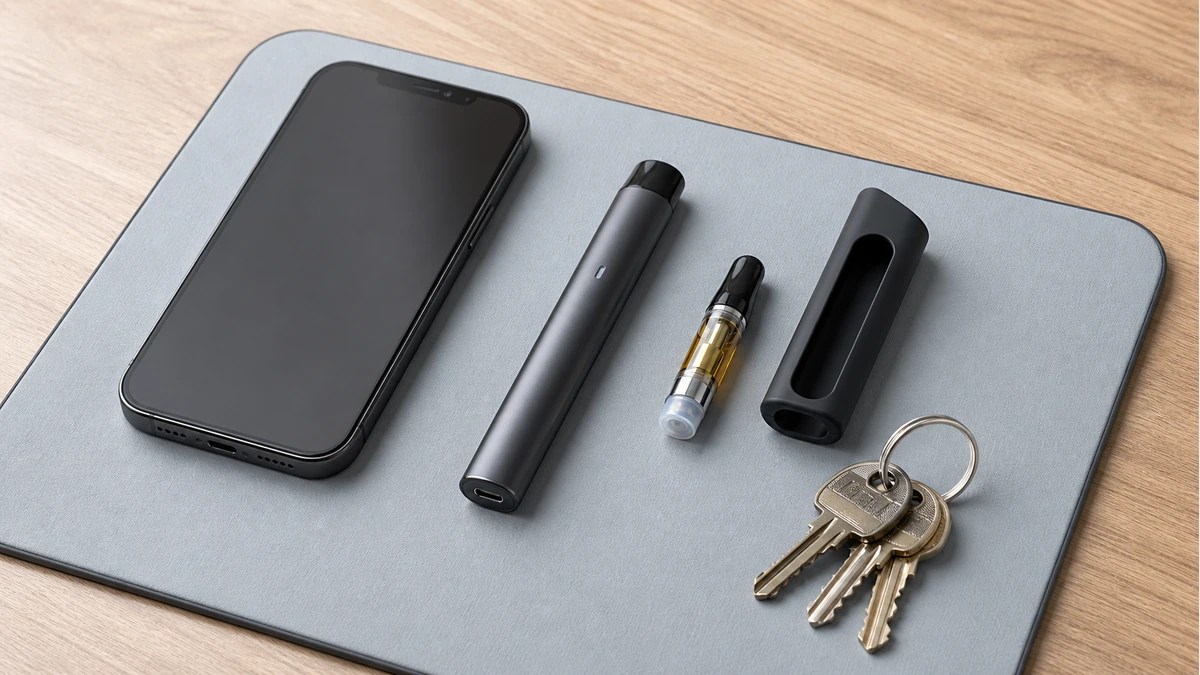
Combine those two jobs in one shell and something has to give. Either the vape compartment stays rigid and snug, which makes it awkward to insert or remove a cartridge quickly, or it stays loose and flexible, which means less structural protection around the phone’s corners exactly where drop protection matters most. You can see this tension directly if you compare a dedicated vape case built purely to organize and cushion vaporizer hardware against any phone-vape hybrid — the dedicated case doesn’t have to compromise its interior shape to accommodate a phone’s camera bump or button layout, so it can shape its interior around the device it’s actually protecting.
🧩 2.1 Bulk and pocket behavior change together
There’s also a practical, everyday consequence that doesn’t show up until you’ve carried the thing for a week: added bulk changes how an object sits in a pocket, how it balances in your hand, and how quickly you can pull the phone out one-handed. A phone case with an integrated vape sleeve is thicker and heavier than either item alone, and that thickness sits in a fixed spot, not distributed the way it would be if you were carrying two separate slim objects in two different pockets. People who post complaints about combined cases often aren’t objecting to the concept in principle — they’re describing a case that became the single bulkiest thing in their pocket, which defeats a chunk of the original appeal.
⚙️ 3. Heat, leakage, and exposed mouthpieces
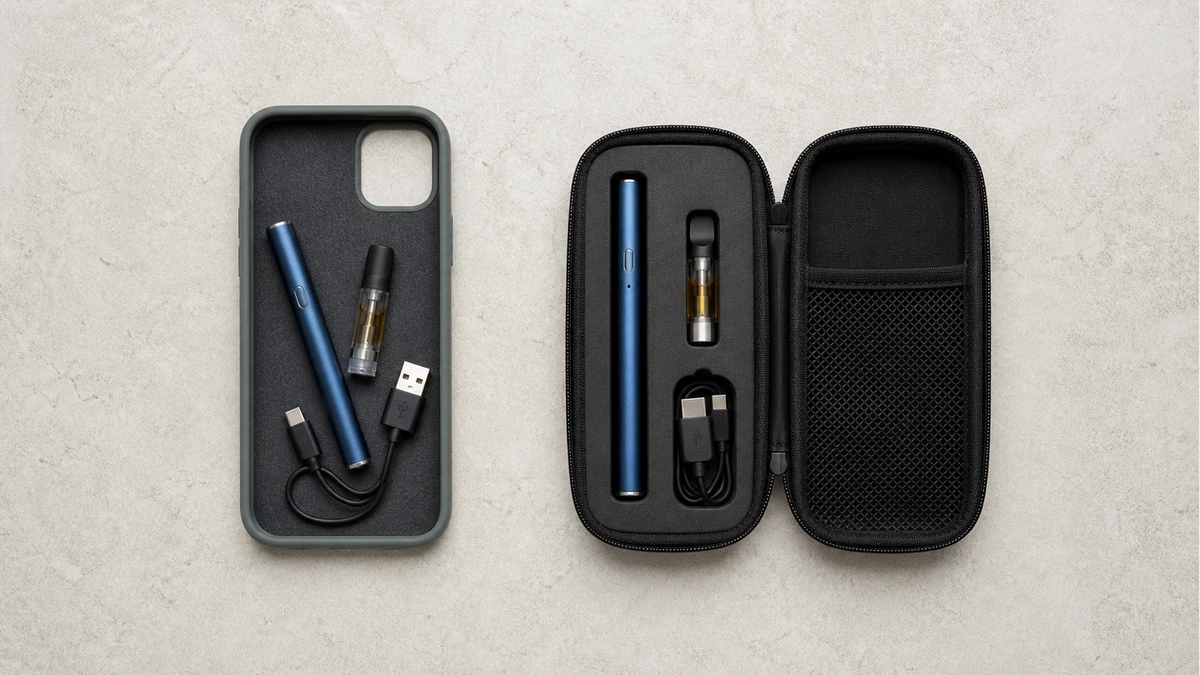
The most consistent failure scenario described by vape users isn’t about fit — it’s about what happens when the mouthpiece end of a cartridge or pod sits directly against a phone case for hours at a time. A cartridge that isn’t perfectly sealed, or one that’s been through a temperature swing, can weep a small amount of oil or e-liquid at the mouthpiece threading. In a jacket pocket, that residue just sits on fabric. Pressed directly against a phone case’s interior lining, it can work its way into seams, adhesive, or even the phone’s port opening if the compartment sits close enough.
Heat compounds the problem. Phones already run warm during charging or heavy use, and pocket temperatures climb further in direct sun or a warm car. A vape compartment built into the same shell sits in that same thermal environment, which isn’t necessarily damaging on its own, but it does mean any residue in the compartment is more likely to loosen, spread, or become sticky rather than staying put. None of this requires a defective product — it’s simply what happens when two devices with different tolerance for heat and residue share one rigid enclosure instead of two separated ones.
This is also where mouthpiece orientation matters more than most buyers expect going in. A compartment that holds the cartridge mouthpiece-up keeps the opening away from fabric and away from the phone’s back panel. A compartment that holds it mouthpiece-down, or sideways against the case wall, increases the odds that any residue transfers directly onto the case lining or onto the phone itself. Cheaper combined cases rarely specify orientation clearly in product photos, which is one of the more common sources of after-purchase disappointment.
🧰 4. Controls, charging, and orientation conflicts
Modern vape pens and pod systems increasingly have their own buttons, airflow controls, or small displays, and cartridge-based devices need enough clearance around the threading to twist a cartridge on and off without fighting the case around it. A phone case built to also hold a vape pen has to leave that hardware accessible, which means either an open-sided pocket — sacrificing some of the drop protection the case is otherwise providing — or a closed pocket you have to fully remove the device from before you can operate it, which erases the one-handed convenience that made the combined case appealing in the first place.
Charging adds another layer of conflict. Phones charge from the bottom or side, vape batteries often charge from the bottom as well, and if both need power at the same time, a rigid combined case can put the two charging ports at odds — physically blocking one, or forcing an awkward cable angle for the other. This is less of an issue with wireless phone charging, but plenty of people still charge by cable, and it’s worth checking port placement specifically before assuming a combined case will let you charge both devices without removing either one.
Battery habits matter here too. Anyone unfamiliar with how vape pen batteries are rated, charged, and cared for should look at a general vape pen battery guide before assuming a combined case changes anything about safe charging practice — it doesn’t. The case is just an enclosure; the charging rules for the battery inside it stay the same regardless of what else is strapped next to it.
🔋 5. Replacement cycles that don’t match
Phones and vape hardware wear out on completely different timelines. A phone case is typically expected to last as long as the phone itself, often a year or more, sometimes several. Cartridges get swapped out far more often — depending on use, that can mean weekly or even more frequent replacement, and cartridge sizes or thread styles aren’t universal across brands or product lines, something anyone who’s shopped a range of vape cartridges has probably noticed firsthand.
That mismatch means a combined case is making an implicit bet: that the specific cartridge or pen shape it was designed around is the one you’ll keep buying for as long as you keep the phone case. If your cartridge supplier changes, or you switch to a different device shape, the vape compartment can become dead space — still attached to your phone, no longer useful for what it was built to hold. A separate vape pouch doesn’t carry that risk, because it’s not tied to your phone’s replacement schedule at all; you can swap it out on its own timeline without touching your phone case.
🧪 6. When a separate case is the smarter call
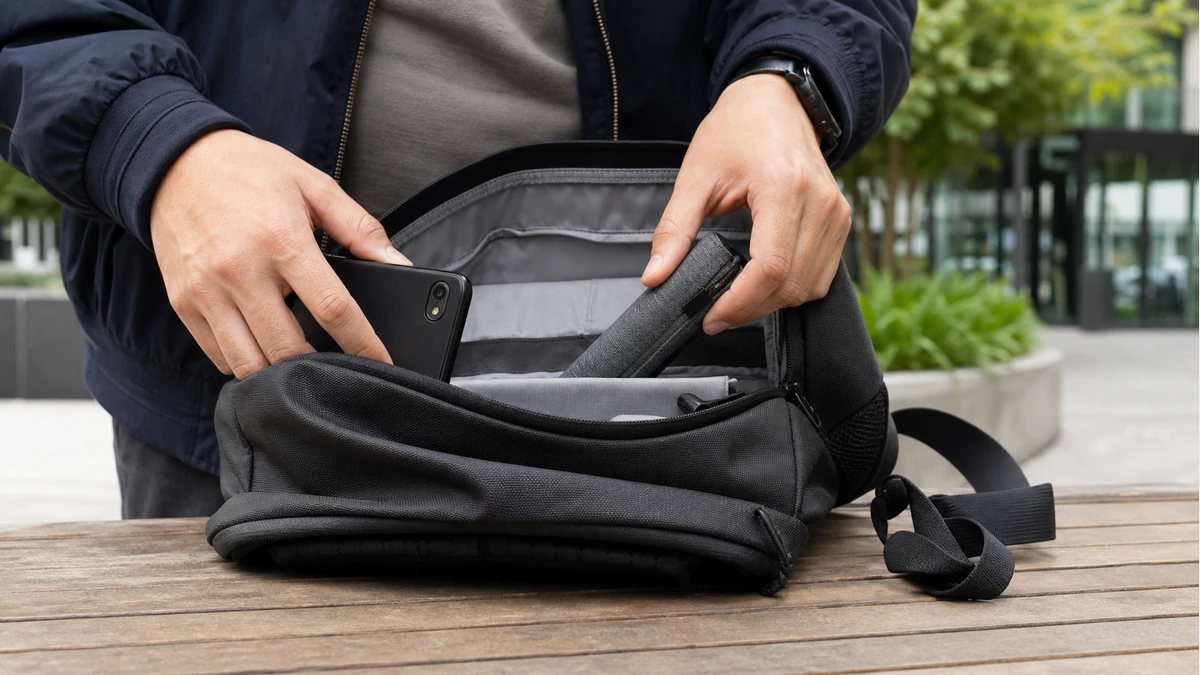
None of this means combined designs are a bad idea in every situation — for someone with a consistent device shape, low concern about heat or residue, and a genuine preference for minimal carry, a well-fitted combined case can work fine. But for most people, a separate case ends up being the more dependable choice, for a few concrete reasons:
- Phone protection isn’t compromised by a compartment shape it was never optimized around.
- Vape hardware gets a pocket sized and oriented for its actual shape, not a generic sleeve.
- Heat and residue exposure stay isolated from the phone rather than sharing one enclosure.
- Each item can be replaced or upgraded on its own schedule without wasting the other.
- Charging both devices at once is simpler when they aren’t physically locked together.
The table below summarizes the trade-off in practical terms:
| Consideration | Combined vape phone case | Separate cases |
|---|---|---|
| Device fit | One-size compromise; depends heavily on cartridge/pen shape matching the mold | Each case shaped for its own device |
| Heat and residue isolation | Shared enclosure; less separation between hardware | Fully separated, no shared thermal or residue exposure |
| One-handed access | Often reduced if pocket is closed for protection | Each item accessed independently |
| Replacement flexibility | Tied together; changing device shape can strand the compartment | Swap either case anytime without affecting the other |
| Pocket bulk | One thicker object | Two slimmer objects, distributed across pockets |
📐 7. Frequently asked questions
Does a vape phone case protect the phone as well as a normal case?
It depends on the specific design, but adding a vape compartment generally means some trade-off in how much rigid material surrounds the phone’s corners and edges compared with a case built solely for drop protection.
Will a combined case fit any vape pen or cartridge?
No. Fit depends on the exact length, diameter, and mouthpiece position of the device, and these vary enough between product lines that a compartment sized for one shape may not securely hold another.
Is it safe to keep a cartridge pressed against a phone for long periods?
Any residue at the mouthpiece threading can transfer to whatever it’s touching, so a snug, well-sealed, upright compartment reduces that risk more than a loose or sideways one.
Is a separate vape case a better starting point for most buyers?
For anyone who isn’t certain their device shape will stay consistent, or who wants full phone drop protection, yes — separating the two accessories avoids most of the compromises described above.
🧼 8. The practical takeaway
Carrying one object instead of two is a genuinely reasonable goal, but the physical demands of protecting a phone and safely storing vape hardware pull in different directions — different materials, different heat tolerance, different replacement schedules, different access needs. A combined case can work if your device shape is stable and you’ve checked orientation and port placement carefully before buying. For everyone else, two well-designed separate cases will almost always outperform one case trying to do both jobs at once.