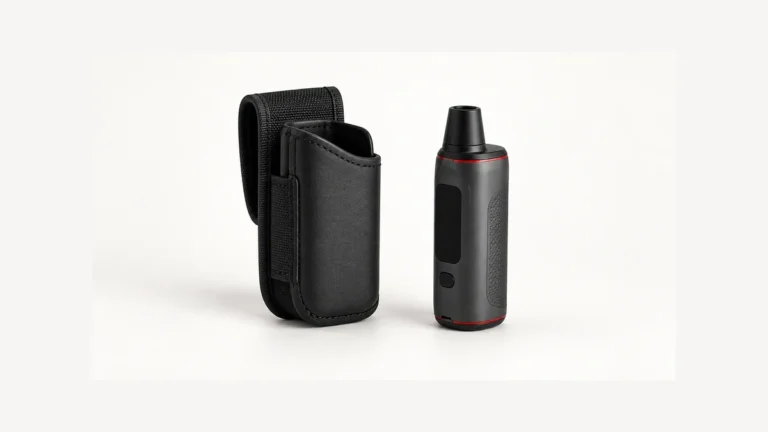
Every vape owner reaches the same moment eventually. You dump your bag out looking for a charging cable and out comes a loose cartridge rolling toward the edge of the table, a device with no cap, a battery rattling around next to your keys, and a scatter of silicone caps that used to have a purpose you can no longer remember. Nothing is broken yet. But it’s only a matter of time before a cartridge thread gets crushed under a water bottle or a battery terminal touches a coin in your pocket. A vape case exists to stop that slow-motion accident before it happens, and choosing a good one is less about finding something that looks nice and more about understanding what your gear actually needs shielded, separated, and kept dry.
The honest starting point is that most people don’t buy a case until after something’s already gone wrong: a cracked cartridge window, an exposed replaceable-cell terminal left near metal, or debris worked into a device connection while it rode loose in a backpack pocket. A case is inexpensive protection against preventable damage. But not every case actually does the job, and a lot of what’s sold under that name is just a zippered pouch with no real structure inside. Knowing what to look for changes the outcome.
🧳 1. What a case actually needs to protect against
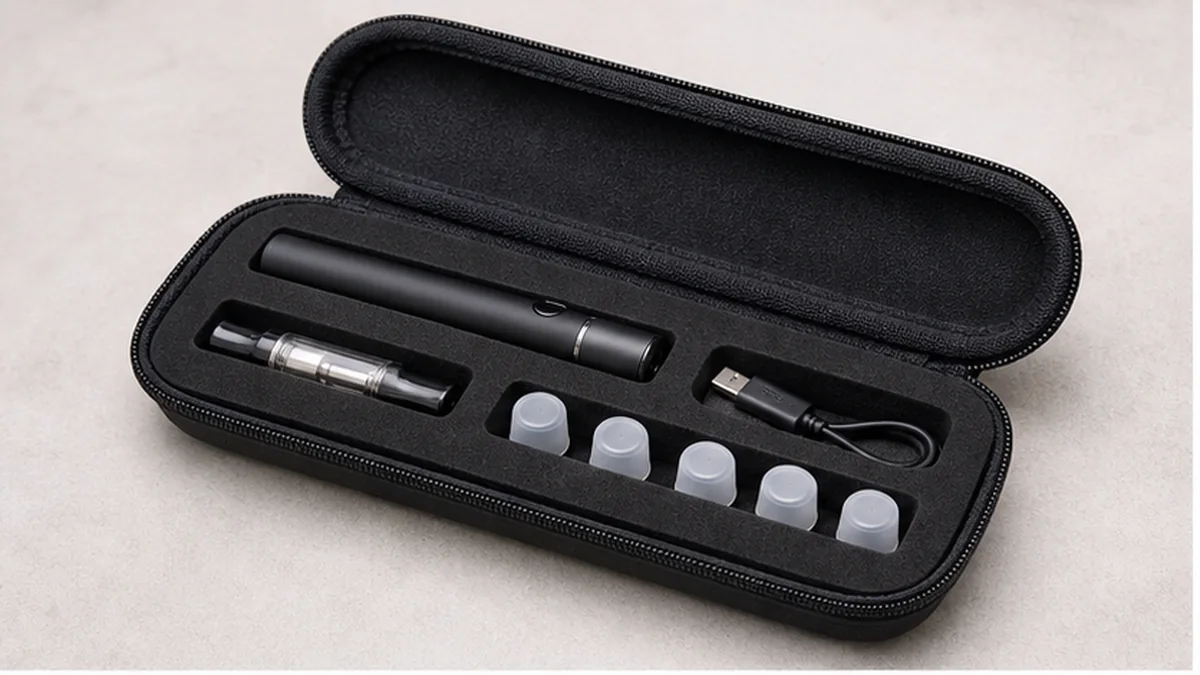
Strip away the marketing and a vape case has three real jobs: absorb impact, keep metal parts from touching other metal parts, and hold everything still enough that nothing shifts, presses, or grinds against anything else. If a case does those three things, the rest is preference. If it doesn’t, it’s just a bag.
📦 1.1 Crush and impact protection
Drop a device on a hardwood floor and the shell might survive, but a glass cartridge window or a fragile mouthpiece often doesn’t. The threat usually isn’t a single dramatic drop, though — it’s the slow accumulation of a backpack getting set down on concrete, a car door closing on a bag strap, a gym bag getting kicked under a bench. A case with a rigid outer shell, or at minimum a firm semi-rigid frame with some give in the corners, absorbs that everyday abuse instead of passing it straight through to whatever’s inside. Soft fabric pouches feel nice in the hand but they don’t stop a hard edge from finding a cartridge. If the case collapses flat when empty, it isn’t going to hold its shape once something heavy lands on top of it in a bag.
📦 1.2 Keeping metal contacts separated
Anyone who’s had a spare battery or two rattling loose in a pocket or a junk drawer knows the low-grade anxiety of it — a battery’s exposed contacts touching another battery, a coin, or a keyring can create a short, and that’s not a risk worth shrugging off. This is one of the clearest reasons a real case earns its keep over a random tin or a sandwich bag. Individual slots, sleeves, or a battery case with isolated compartments keep terminals from ever meeting another conductive surface. Never store loose batteries touching each other or mixed in with keys, coins, or tools — that’s the single habit worth breaking if you’re currently doing it. For a deeper rundown on safe battery handling and storage, our vape battery charger guide covers it in more detail.
📦 1.3 Fit without pressure on cartridge threads
This one gets overlooked constantly. A case that’s technically “the right size” can still damage a cartridge if the slot is too snug and the threaded connection takes pressure every time the lid closes. The thread and center contact are connection surfaces, not load-bearing supports. A well-designed slot supports the cartridge body and base while leaving enough clearance that the lid closes without force. If you have to wedge the cartridge into a slot, the fit is wrong. The 510 cartridge guide explains the connection in more detail.
🔌 2. Getting the loose parts under control
The chaos most people describe isn’t really about the device itself — it’s everything around it. Chargers, spare coils, silicone caps, cotton, a stray screwdriver for coil swaps, maybe a second device for a different oil or blend. All of that either lives loose in a bag or it doesn’t get carried at all, which usually means someone’s improvising with whatever a busted cart is left rolling around in.
🧵 2.1 Cables and small parts need their own zone
A charging cable with no home wraps itself around everything else in a bag — cartridges, batteries, a pod, whatever it can reach — and pulls on that gear every time the bag shifts. The fix is dumb simple: a dedicated mesh pocket, a small zip pouch, or an elastic loop that keeps the cable coiled and away from anything with a thread or a window. Same logic applies to spare O-rings, replacement coils, or a dab tool. If it’s small enough to disappear into the bottom seam of a bag, it needs a compartment that’s actually built for something that size, not a leftover gap next to the main slot.
This is worth repeating separately from the crush-protection point above because it’s a layout decision, not just a materials one. A case with a battery pocket that’s physically walled off from the cartridge and device slots means a battery can’t slide over and rest against something with exposed metal, and a cartridge can’t get bumped by a battery every time the case is picked up. If your current setup has batteries loose in the same pocket as cartridges or keys, that’s the first thing to separate, full stop.
🌬️ 3. Airflow, dryness, and staying clean
A case should contain clean, cool, dry hardware. Do not pack a warm device, a leaking cartridge, or a component that is still damp after approved cleaning. The case cannot correct those conditions; closing the lid simply traps them beside the rest of the kit.
💨 3.1 Why Dry Hardware Matters More Than an Airtight Seal
A weather-resistant seal can be useful, but it does not replace drying and inspection. If the intended use benefits from ventilation, choose a case designed with protected vents or breathable compartments; do not drill or modify a protective shell. If moisture, oil, or odor appears inside, remove the hardware, address the source, and let the empty case dry according to its care instructions before packing it again.
🧽 3.2 Cleaning the case is part of owning it
Residue migrates from a leaking base, sticky mouthpiece, or unclean tool to the lining and then onto other components. Look for removable or accessible inserts and surfaces the case maker identifies as cleanable. Use only the approved method, remove electronics and batteries first, and let the empty case dry completely before repacking. A fixed cleaning calendar matters less than checking the lining whenever a component leaks or comes back dirty.
📏 4. Sizing and layout: matching the case to how you actually carry
The single biggest mismatch people run into is buying a case sized for a shelf instead of a pocket, or the reverse — a case so minimal it can’t hold a spare battery when a weekend trip calls for one. Size and layout should follow how the case actually gets used, not how much it can theoretically hold.
🎒 4.1 Everyday carry: small, flat, pocket-friendly
For daily use, the case that actually gets carried is the one that disappears into a jacket pocket or the front sleeve of a bag without adding bulk. That usually means one device slot, room for one or two cartridges, and a slim battery pocket — not a five-compartment organizer that’s overkill for a routine that’s the same three items every day. The oversized option might look more capable in a product photo, but it’s the one that ends up sitting on a dresser instead of coming along.
✈️ 4.2 Travel and bigger kits: more slots, more separation
A larger legal trip or a backup setup changes the math. The priority shifts to distinct zones—device compartments separated from an approved battery holder, and cartridges protected from both—so a bigger kit does not become the same loose-parts chaos it was meant to solve. A rigid shell can resist pressure inside ordinary luggage, but a case does not make an item lawful or acceptable to a carrier. Check current laws, airline or carrier rules, and battery requirements for the exact route before packing; do not treat storage advice as transportation approval.
🧩 4.3 Layout: dividers, foam, and knowing what you’re actually storing
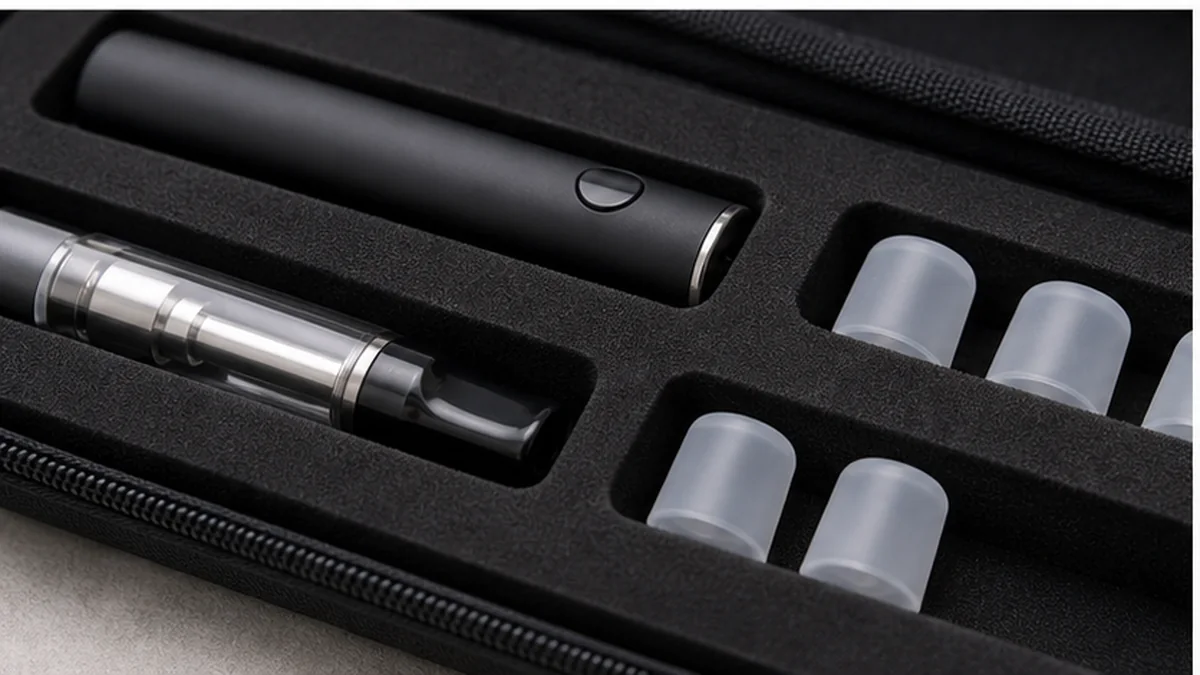
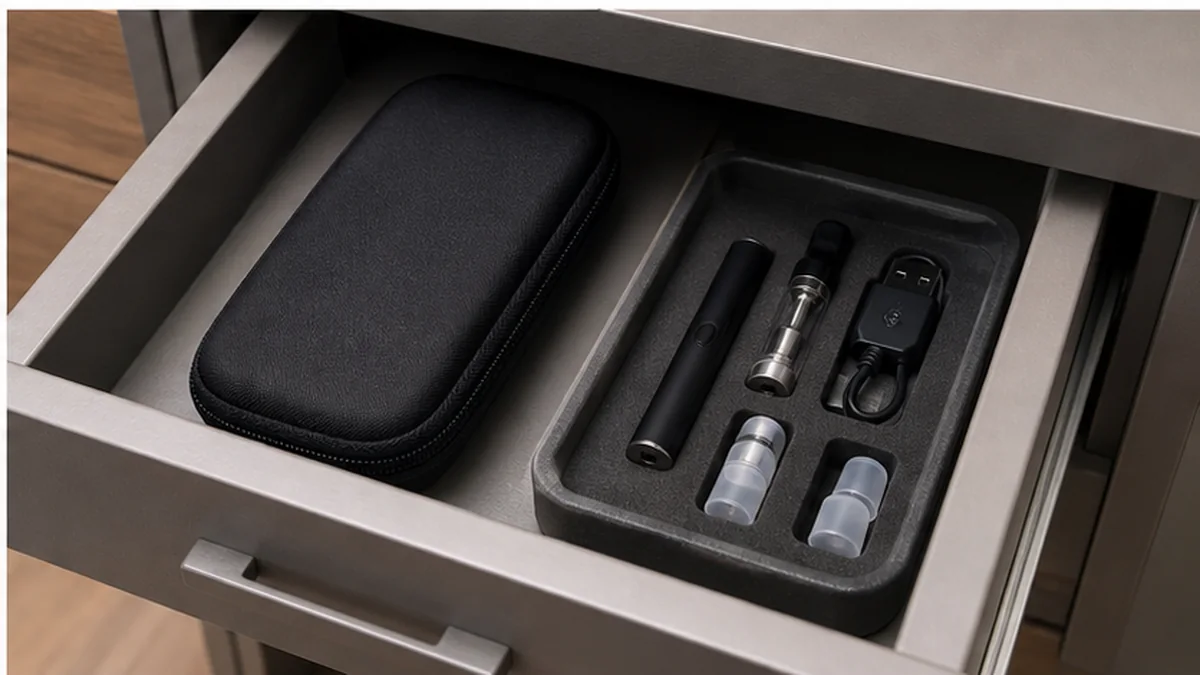
Foam inserts with cut slots are great for a fixed kit — the same device, the same two cartridges, every time — because everything has an exact place and nothing shifts. Adjustable dividers or elastic loops work better for a kit that changes, since you’re not locked into slot dimensions that stop working the moment you switch devices. Neither is objectively better; it depends on whether your setup is static or evolving. Someone who’s settled on one device and one cartridge type for the long haul benefits from the precision of molded foam. Someone still experimenting across a couple of different devices or formats will get more use out of a case with flexible pockets that can adapt.
🎒 5. Discreet doesn’t have to mean flashy — or plain
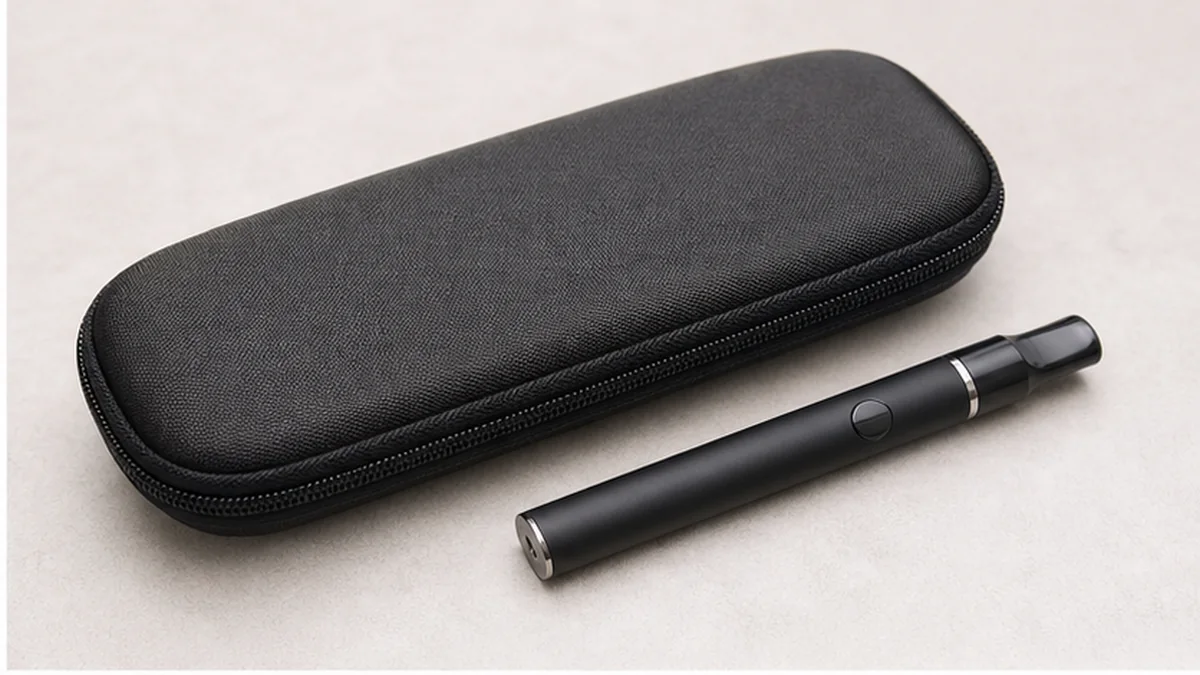
There’s a real difference between a case built for an adult who wants their gear contained and unremarkable, and a case designed to look like a toy or a fashion accessory. The former respects that this is an everyday tool that should look like any other zippered pouch or hard case in a bag — nothing about it needs to announce itself. Solid colors, a low-key exterior, and hardware that doesn’t rattle or catch light do more for genuine discretion than any amount of stealth branding. If a case is marketed around being “hidden” with novelty shapes or loud graphics, it usually draws more attention than a plain black or gray case that just looks like carry gear, because it is.
🧭 6. Matching the case to your actual setup
All of the above assumes a baseline that’s worth stating directly: the right case depends on what you’re storing. A cartridge-based setup has different threading and contact concerns than a device built around refillable pods, and both differ from a setup that includes dried material storage alongside a battery and a grinder. Before locking in on a case, it’s worth being clear-eyed about what’s actually going in it — one device or several, cartridges or pods, how many spare batteries you realistically carry. If you’re still narrowing down which device the case needs to fit around, our AOVAPE vaporizers rundown is a reasonable place to start, and the 510 cartridge guide is useful if cartridge compatibility and thread type are still an open question. A case bought before the setup is settled tends to be the one that gets replaced within a few months once the mismatch becomes obvious — a slot that’s slightly too small, a battery pocket that doesn’t fit the size you actually use, a layout built for one device when you’ve since added a second.
None of this needs to be complicated. A case that absorbs a drop, keeps battery contacts away from anything metal, doesn’t lean on cartridge threads, gives cables and small parts somewhere to live, breathes enough to stay dry, wipes clean, and fits the way you actually carry your gear — that’s the whole list. Everything past that is styling.
If you’re specifying hardware for a product line, choose the storage format alongside the device rather than after it. AOVAPE can help brands align the device, cartridge or atomizer, battery requirements, and packaging brief so the final case is based on confirmed dimensions instead of guesswork.