Search “best electric herb grinder” and you’ll get a wall of five-star badges and near-identical bullet points, most of them pulled from the same manufacturer copy. None of it asks you the one question that actually decides which grinder you’ll be happy with: what are you trying to do with the ground material once it’s ground? A vaporizer packs differently than a rolling paper. A single-person session looks nothing like grinding enough for a week. Someone with reduced grip strength has a completely different shortlist than someone who just doesn’t want to spend two minutes twisting a hand grinder. “Best” isn’t a fixed ranking — it’s a set of tradeoffs that only make sense once you know what you’re solving for.
🔍 1. What “Best” Actually Means Before You Add to Cart
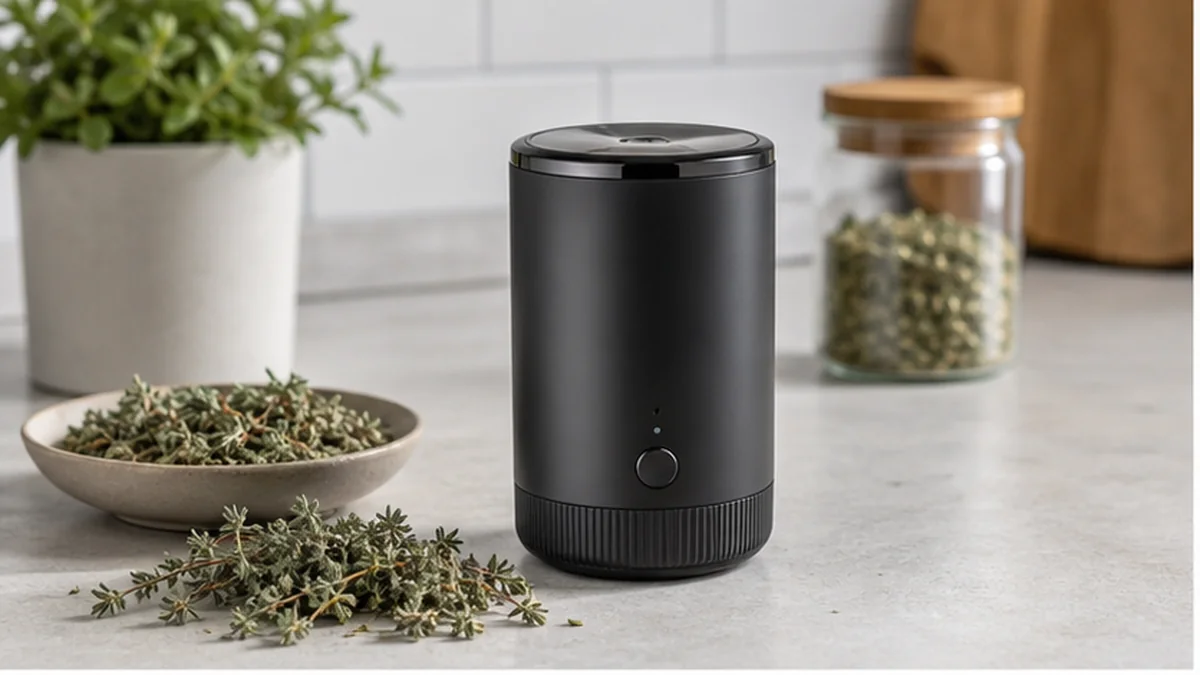
A surprising number of “what’s the best grinder” posts never mention texture, batch size, or how the person plans to use the result. That’s not a knock on anyone asking — it’s just easy to skip past because the question feels simple. It isn’t. An electric grinder is a small appliance with a motor, a chamber, a battery, and moving parts that touch sticky organic material, and every one of those components trades off against the others.
Seven things actually separate a good fit from a frustrating one: how much control you have over the grind (a single button versus adjustable pulses), how consistent the result is batch after batch, how much material the chamber realistically holds, how much hand strength and dexterity the device demands, how hard the chamber is to clean, how the battery is charged and how long it holds a charge, and how well the whole thing survives being tossed in a bag. None of these show up in a star rating. All of them show up after the first few uses.
⚙️ 2. Three Mechanisms, Three Different Feelings in the Hand
Almost every electric grinder on the market falls into one of three mechanical categories. None of them is universally better — they’re built around different assumptions about what the user wants, and the category matters more than the brand name stamped on the lid.
🔘 2.1 Pulse-style blade grinders
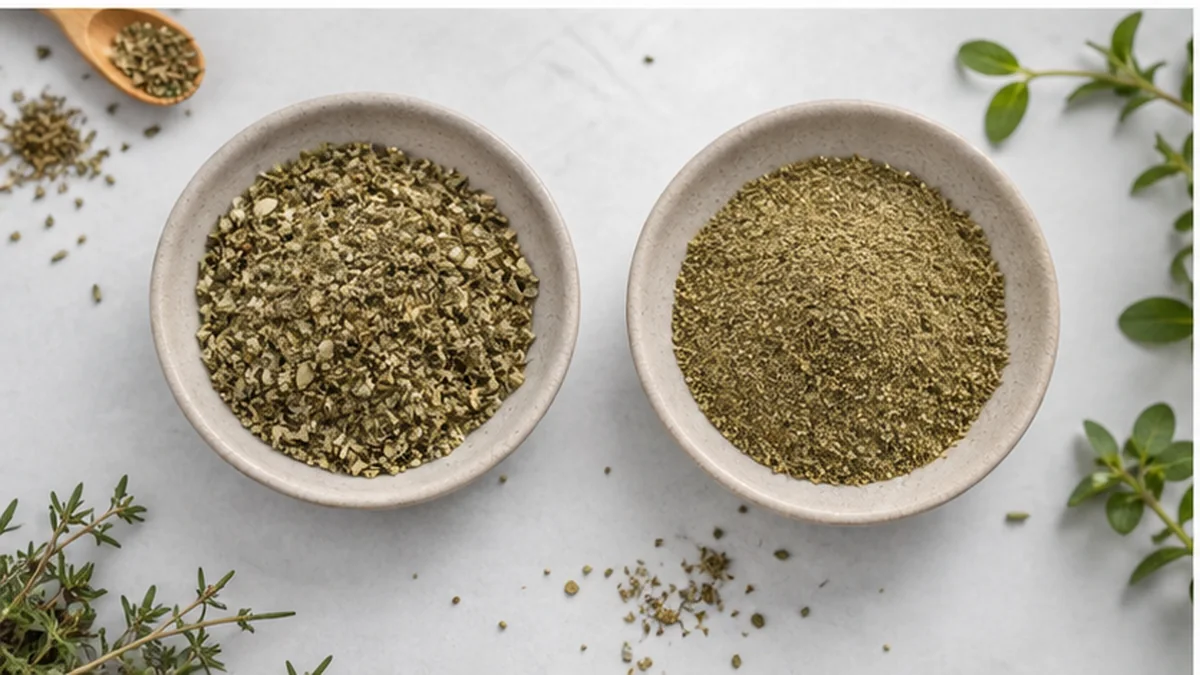
These use a small spinning blade, similar in concept to a coffee grinder, activated by a button press or a twist of the lid. They’re fast and mechanically simple, which usually means fewer parts to fail and a lower price point. The tradeoff is control: a blade doesn’t know when to stop, so a long or heavy-handed press can pulverize material well past where most people want it. This is a recurring complaint in grinder discussions — people describing a fine, almost powdery result they didn’t ask for, especially when they treat the button like an on/off switch instead of using short taps.
🌀 2.2 Milling and burr-style grinders
These pull material between two textured surfaces — often geared or notched plates — rather than chopping it with a blade. The motion is closer to how a manual grinder works, just motorized. Because the material is sheared rather than chopped, the result tends to be more even and easier to predict from one session to the next, though these units are usually slower and mechanically more complex, with more surfaces that can accumulate residue over time.
📤 2.3 Dispensing and auto-feed mechanisms
A smaller category, these combine a grinding stage with a built-in dispensing chute or crank, so ground material can be portioned out without opening the chamber and dumping it. They’re less about grind quality and more about handling — useful for anyone who finds pinching, tapping, and pouring from an open chamber to be the hardest part of the process, not the grinding itself.
| Mechanism | Typical strength | Typical tradeoff |
|---|---|---|
| Pulse-style blade | Fast, simple, usually cheaper | Easy to over-grind into fine powder if you hold the button too long |
| Milling / burr-style | More even, more predictable texture | Slower, more surfaces to clean, usually pricier |
| Dispensing / auto-feed | Easier handling and portioning after grinding | Grind quality still depends on the mechanism underneath it |
None of these is the “right” answer in isolation. A pulse grinder used in short taps can produce a fine, even grind; a burr grinder used carelessly can still jam. The mechanism sets the ceiling and the floor — how you use it fills in the rest.
✋ 3. Hand Strength and Access — the Reason Powered Grinders Exist for Some People
For a meaningful share of buyers, this isn’t a convenience purchase at all. Twisting a manual grinder requires sustained grip and wrist rotation, and that’s a real barrier for anyone dealing with arthritis, tremor, limited hand strength, or recovery from an injury. In discussions among people managing chronic pain or mobility limitations, the electric grinder isn’t framed as a luxury upgrade — it’s the difference between being able to prepare material independently and needing help every time.
If this is the reason you’re shopping, the priority list changes. A textured, easy-to-grip housing and a large, unambiguous button matter more than shaving a few seconds off grind time. A lid that needs a firm push-and-twist to open defeats the purpose just as much as a manual grinder would. Read product descriptions and reviews specifically for how the lid opens and closes, not just how the motor performs — that’s usually where accessibility quietly breaks down.
🌬️ 4. Why Grind Texture Changes How a Vaporizer Actually Draws
Texture isn’t just a preference — it changes how air moves through packed material, which matters a lot if the ground herb is headed into a dry-herb vaporizer chamber. Airflow needs small gaps to pass through. Grind too coarse and you get uneven pockets — dense clumps next to open air — so heat and airflow reach some of the material and largely skip the rest. Grind too fine and those gaps disappear; the material packs down into something closer to powder, which can restrict airflow, get pulled through the screen into the mouthpiece, or clog the very passages that are supposed to let air move.
This is exactly the complaint that shows up again and again from blade-grinder owners: the button gets held a beat too long, and what comes out is closer to dust than a usable, vape-ready texture. There isn’t one universal “correct” grind size — chamber shape and screen mesh vary by device — but a consistent, medium, slightly fluffy texture is generally easier to pack evenly than either extreme. If you’re new to how chamber packing and airflow interact, how do dry herb vaporizers work conduction convection walks through the mechanics in more detail without the guesswork.
📏 5. Batch Size and Chamber Capacity
This is the other detail that “best grinder” threads routinely skip: how much material are you actually grinding at once? A compact chamber built for a single session is a poor fit for someone who grinds a week’s worth in one sitting, and an oversized chamber run at partial capacity often grinds unevenly, since the blades or burrs were tuned around a fuller load.
Check the stated chamber capacity against your actual habit, not your aspirational one. If you typically grind small amounts often, a smaller chamber that’s quick to empty and clean will serve you better than a large one that mostly sits half-full. If you batch-prepare, look specifically for a manufacturer-stated maximum capacity and treat it as a real limit — overfilling is one of the more common reasons a motor strains, jams, or grinds unevenly.
🧽 6. Cleaning: The Part That Doesn’t Show Up in Listing Photos
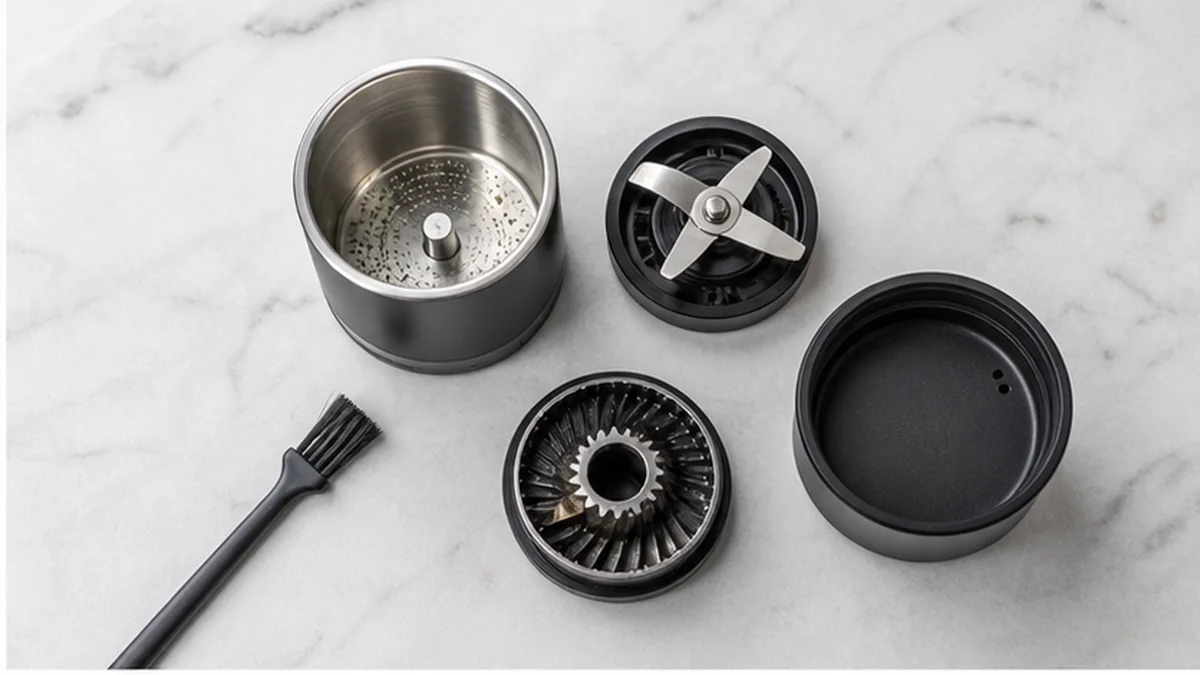
This is the complaint that surfaces most consistently once people have actually owned a powered grinder for a few weeks: material gets trapped under the blades or in the seam where the chamber meets the lid, and it’s genuinely awkward to reach. A manual grinder chamber is usually one open cavity you can scrape or brush out. A motorized chamber has a blade assembly, a spindle, and sometimes a motor housing sitting right where the residue collects, and none of that is designed to be submerged or scrubbed the way a simple grinder is.
🪛 6.1 The under-blade problem
Sticky residue tends to build up directly beneath the blade or burr assembly, in the gap between the moving part and the chamber wall — exactly the spot a brush or cloth can’t easily reach without removing hardware you may not be able to safely take apart. Before buying, look for whether the chamber or blade assembly is described as removable or dishwasher-safe versus fixed in place, since that one detail predicts a lot about how much of a chore cleaning will be six months in. Always follow the manufacturer’s cleaning instructions rather than improvising — some housings tolerate a damp wipe, some don’t tolerate liquid anywhere near the base at all.
🔋 7. Charge State and Travel Storage
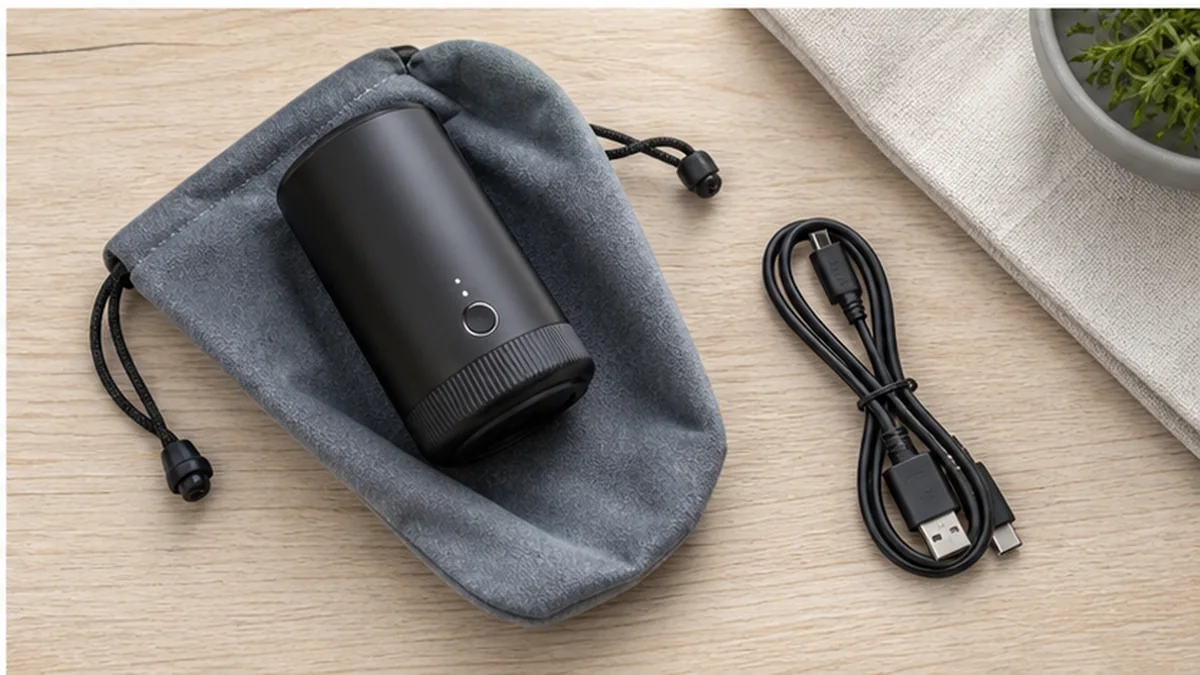
A powered grinder solves the hand-strength problem right up until the battery is dead and there’s no manual backup, which is a frustration that comes up repeatedly among people who otherwise like their device. A grinder with no charge indicator at all makes this worse, since you find out it’s empty exactly when you need it. Look for a visible charge indicator, and get a rough sense of how many grind cycles a full charge is rated for — not because the number will be exact in daily use, but because it tells you whether this is a device you charge weekly or one you’re topping off every couple of days.
Travel storage is its own consideration. A grinder that seals well enough to prevent residue from migrating into a bag, and that survives being tossed in with other gear without the lid popping open, matters more once you’re actually living with the thing than it does on a spec sheet. If portability and travel resilience matter to you, weigh that alongside grind quality — a device that grinds beautifully on a counter but rattles apart in a backpack isn’t actually solving your problem.
🧭 8. A Short Buyer Decision Path
Rather than chasing a single “winner,” it’s more useful to work through what you’re actually optimizing for:
- Limited grip strength or dexterity is the main driver — prioritize an easy-open lid, a large low-effort button, and a textured grip over raw grind speed.
- You’re loading a dry-herb vaporizer — prioritize a mechanism known for even, medium texture over the fastest or most powerful motor, and use short pulses rather than one long press.
- You grind larger batches at once — check the stated maximum chamber capacity and favor a milling-style mechanism, which tends to hold consistency better across a fuller load.
- You travel often or grind on the go — weigh battery life, a visible charge indicator, and a lid that seals securely as heavily as grind quality itself.
- Easy cleanup matters most to you day to day — look specifically for a removable or dishwasher-safe chamber and blade assembly before anything else on the spec sheet.
Most people care about two or three of these at once, and that’s fine — the point isn’t to find a device that wins every category, it’s to know which categories you’re willing to compromise on before you’re reading return policies.
⚠️ 9. Maintenance Cautions — Read This Before You Grind Anything Else
A few habits keep an electric grinder working and safe over the long run, and skipping them is how a decent device becomes a short-lived one. Never force a jammed motor by holding the button down repeatedly — power the unit off, let it sit, and clear the jam by hand once it’s safe to open. Never submerge the motor housing or battery compartment in water, even if the chamber itself is described as easy to rinse; check exactly which parts the manufacturer says can get wet. Don’t overfill past the stated maximum, since that’s one of the more common causes of strain and jamming in the first place. And never grind unknown or unlabeled substances in any grinder — powered or manual — since you have no way to know how a given material will behave against the blades or what residue it will leave behind for the next use.
Beyond that, treat the manufacturer’s instructions as the actual authority on cleaning frequency and method rather than general advice, including this article — chamber materials, seals, and motor placement vary enough between models that what’s safe for one can damage another.
✅ 10. Where This Leaves You
An electric herb grinder earns the “best” label differently for each buyer, because it’s solving a different problem for each of them — grip strength for one person, consistent vaporizer-ready texture for another, batch size or travel durability for someone else. The mechanism, the chamber design, and the charging setup all matter, but only in relation to what you actually need from the result. Figure that part out first, and the shortlist gets short fast.
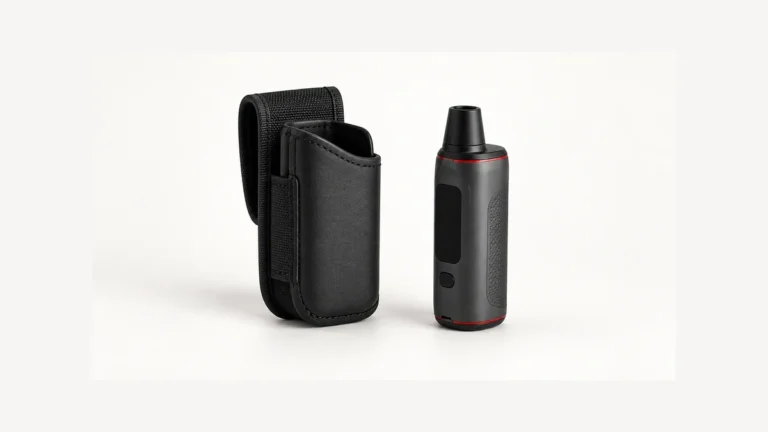
If you’re building out a full dry-herb setup rather than just replacing a hand grinder, it’s worth thinking about the grinder and the vaporizer as one system instead of two separate purchases — grind texture and chamber packing affect each other directly. AOVAPE’s dry herb vape pen is a reasonable next stop for matching grind consistency to chamber loading, and the vaporizers has the current lineup if you’re comparing complete dry-herb systems rather than parts bought separately.