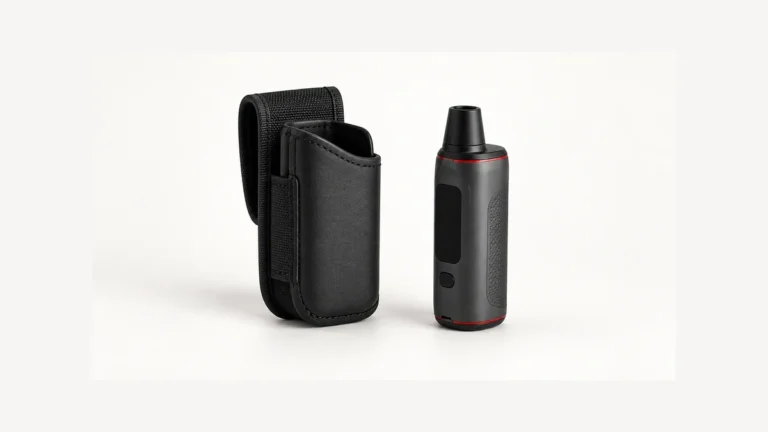
Type “510 wax atomizer” into any search bar and you’ll get a wall of near-identical listings, all promising universal fit and huge clouds. Then you’ll find the Reddit threads underneath the surface, where people who actually bought the thing are asking a more honest question: which one works with what I already own? That gap between marketing copy and lived experience is where most bad purchases happen, and it’s the gap this article is built to close.
“510” is a thread spec, not a promise. It tells you two pieces will screw together. It says nothing about whether they’ll work together once connected. Understanding that distinction is the single most useful thing you can take away from this piece, and it’s the thread running through every section below.
🔩 1. What “510” Actually Describes
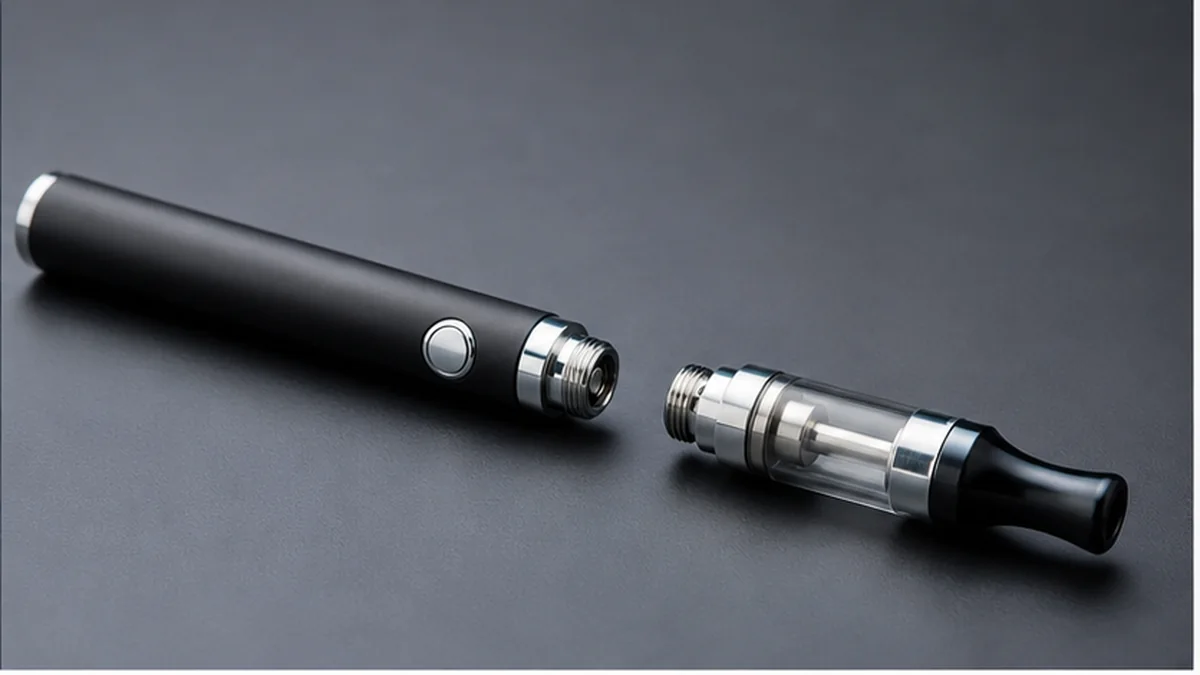
The number comes from an old cigarette-style battery naming convention, but what survives today is purely mechanical: a threaded connection with roughly 0.5mm pitch over about 10 threads of engagement. It’s an open standard, which is exactly why it took over the industry — any manufacturer can machine a part to spec without licensing anything. That openness is also the source of the confusion. A standard that only governs the screw threads leaves every other variable — voltage, resistance range, airflow, chamber size, control firmware — completely unregulated. Two atomizers can share a thread pitch and still behave like they’re from different product categories once you fire them.
This is why the recurring question — “what’s the best 510 wax atomizer” — is unanswerable as asked. Best for which battery, at what wattage, with what oil or concentrate viscosity, screwed into what device? The thread only gets you in the door.
⚡ 2. Thread Fit Is Not Electrical Compatibility
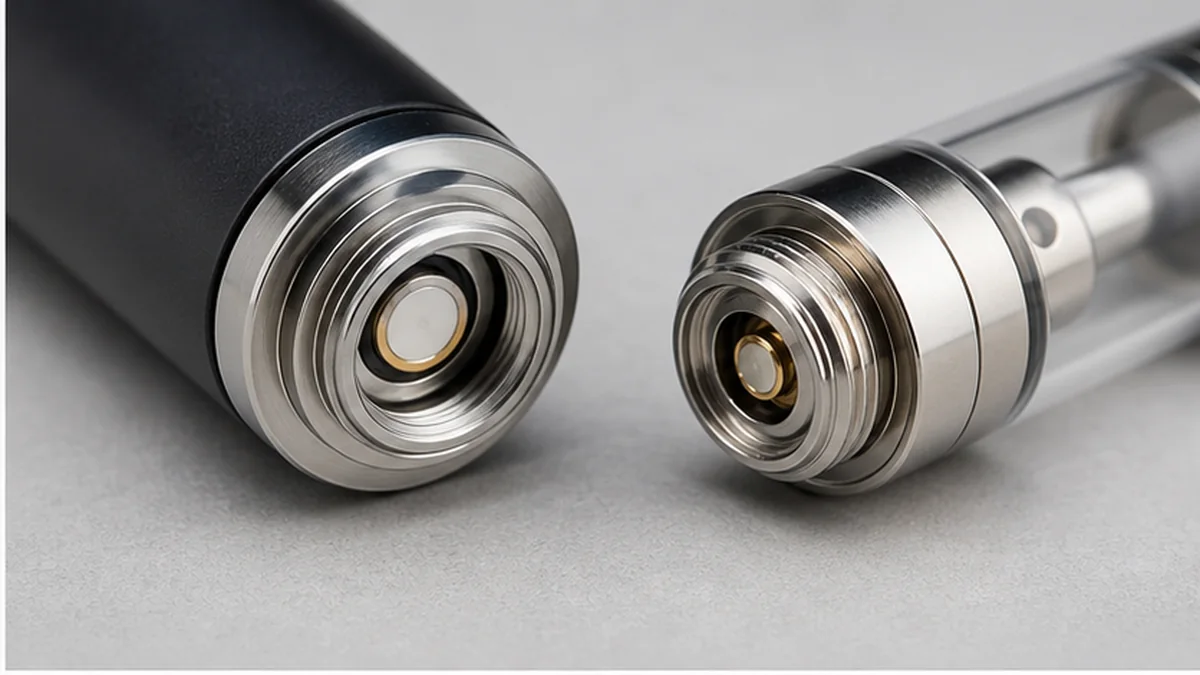
People assume that if a part threads in smoothly and lights up, it’s “compatible.” That assumption is doing a lot of unearned work. A 510 connection makes contact in two places: the outer threaded shell, which is typically the negative/ground path, and a small center pin at the base, which carries the positive path from the battery to the coil. Threading solves the mechanical half of that job. It does not verify that the resulting circuit is one your battery was designed to drive safely or efficiently.
You can have a perfect thread match and a mismatched circuit at the same time — an atomizer built for a regulated 20-watt mod dropped onto a fixed-voltage pen battery never designed to see that load, or the reverse, a low-resistance coil starved by a battery capped well below what it needs to perform. Both screw in fine. Neither is “compatible” in any way that matters once you’re actually vaping.
📍 3. Center Pin Contact: The Hidden Failure Point
If you’ve ever had an atomizer that threads in but fires weak, cuts in and out, or doesn’t fire at all, the center pin is the first place to look — and it’s also the most common casualty of cheap generic adapters. Pin height varies slightly across manufacturers. Most modern atomizers use a spring-loaded or adjustable pin specifically to absorb that variance, but bargain-bin adapters and off-brand replacement atomizers often use a fixed, non-adjustable pin that sits a hair too low or too high for a given battery.
Too low, and the pin never bridges the gap, so you get intermittent or zero contact. Too high, and it can bottom out against the battery’s connector without threading fully, or apply pressure it wasn’t built to handle. This is precisely the failure mode people describe when a generic adapter “sort of works, sometimes” — it’s not a bad battery or a defective coil, it’s a half-millimeter of pin geometry that the 510 standard was never built to constrain.
🔋 4. Resistance, Power Support, and Why Voltage Range Matters
Every atomizer has a resistance rating, usually printed in ohms on the coil housing or listed in the product spec. That number determines how much current flows at a given voltage, and by extension how much power actually reaches your material. A battery’s job is to deliver voltage within a range it was designed for — some are fixed-voltage, some offer variable voltage or wattage, and some auto-detect resistance within a supported window.
The mismatch that trips people up: dropping a very low-resistance atomizer onto a battery that wasn’t built to push that much current can cause overheating, rapid battery drain, or in cheaper batteries, a safety cutoff that just makes the device stop firing entirely. Go the other direction — a higher-resistance atomizer on a low-power battery — and you’ll get weak, underwhelming output even though everything is “connected.” This is a major reason discussions around pairing an atomizer with something like a Vaporesso Armour S read the way they do: people aren’t asking for a generic recommendation, they’re asking what actually performs correctly at that specific device’s supported power range. If you’re unsure what your battery is rated for, our what does mah mean on batteries breaks down how capacity and output relate, which is a good starting point before you buy any atomizer at all.
📏 5. Airflow and Physical Diameter: Fit Beyond the Threads
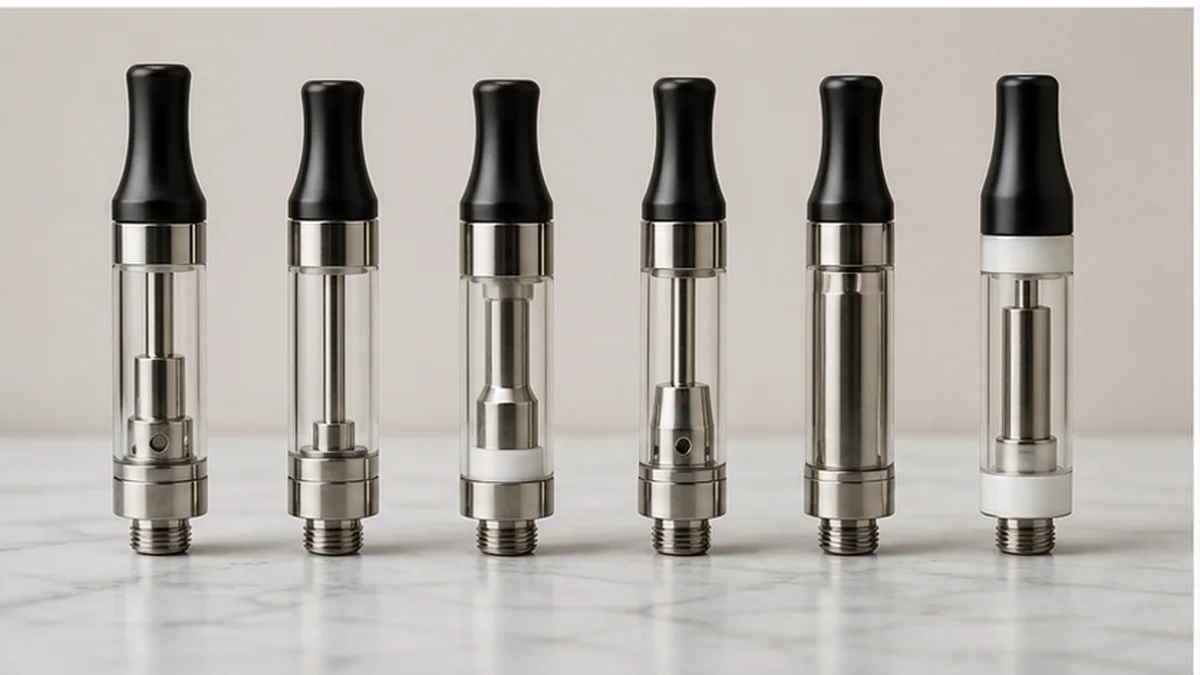
Two more variables get ignored constantly because neither one is obvious from a product photo: barrel diameter and airflow path. A 510 thread guarantees the base connects. It says nothing about whether the atomizer’s body will clear your battery’s top cap, fit inside a carry case, or match the draw resistance you’re used to. Wide-bore atomizers on a narrow battery top can look mismatched and sit off-center; airflow that’s more restricted or more open than what you’re used to changes vapor density and the way flavor and vapor hit even when wattage is identical.
None of this is a defect in either part. It’s simply a dimension the standard was never meant to cover. If airflow feel matters to you — and for wax and concentrate users, it usually does — treat it as its own checklist item, not something you can infer from the thread spec.
🧪 6. Chamber and Coil Geometry: Quartz, Ceramic, and Hybrid Builds
Chamber design is where a lot of buying decisions quietly go wrong, because people shop by peak wattage when the geometry of the chamber has just as much influence on the actual experience. A deep bucket-style chamber holds more material and tends to reward slower, lower-temperature sessions. A shallow dish or flat coil surface heats fast and suits quick, hot pulls but can scorch material if you overload it. Coil-less quartz or ceramic rod designs trade a bit of raw vapor density for cleaner flavor and easier upkeep, since there’s no wire to gunk up.
None of these are strictly superior — they’re trade-offs, and the “right” one depends on how you actually use the device, not on a spec sheet. This is also where cleanup habits matter more than people expect. A chamber that’s hard to access for scraping or swabbing will accumulate residue that changes flavor and can eventually affect heating evenness, regardless of how good the coil itself is. If you want a side-by-side on how the two dominant materials actually differ in heat-up time, flavor, and durability, our quartz coil vs ceramic comparison goes deeper than a spec sheet can.
🧠 7. Firmware, Preheat, and Smart Battery Quirks
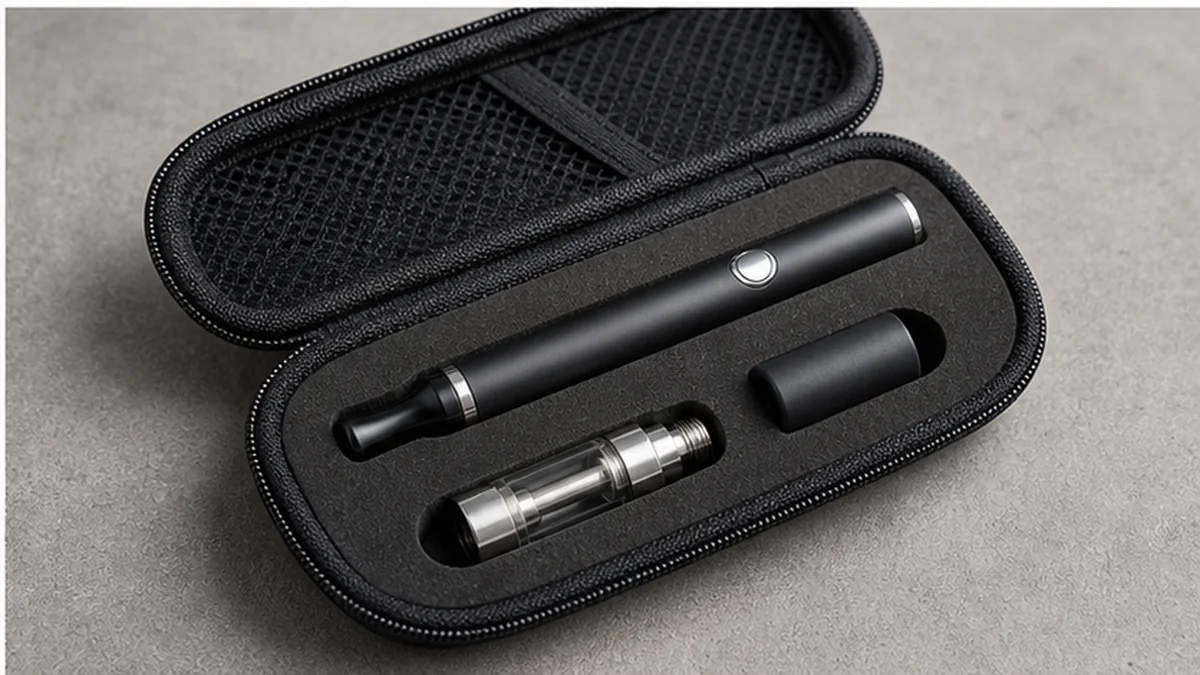
The last layer, and the one people notice last, is software. A growing share of 510 batteries now run firmware that reads coil resistance and adjusts voltage, offers a preheat ramp, or locks out resistances outside a supported band. That’s generally a good thing for safety and consistency — until you pair it with an atomizer whose resistance sits right at the edge of what the firmware recognizes. The result can be a device that fires inconsistently, refuses to fire, or defaults to a conservative low-power mode even though the physical connection is flawless.
This is functionally invisible until it happens, because nothing about the packaging or the thread tells you a device’s firmware has opinions about what it’s willing to power. It’s worth checking your battery’s manual or product page for a supported resistance range before assuming any 510 atomizer will run the way you expect.
✅ 8. Compatibility Checklist Before You Buy
Before adding an atomizer to your cart, it helps to run through a short, concrete list rather than trusting “510 compatible” on its own:
Thread and diameter — confirm the thread is genuinely 510 (not a look-alike proprietary variant) and that the barrel width won’t overhang or collide with your battery’s top cap.
Resistance range — check the atomizer’s ohm rating against your battery’s supported range, not just its maximum wattage.
Power delivery style — know whether your battery is fixed-voltage, variable, or auto-sensing, since that changes what “matched” even means.
Center pin type — spring-loaded or adjustable pins tolerate more variance across brands than fixed pins.
Chamber style — decide whether you want a deep-bucket, shallow-dish, or coil-less build based on how you actually load and pace sessions, not peak output alone.
Cleanup access — a chamber you can actually reach with a swab or pick will stay consistent far longer than one you can’t.
Firmware notes — if your battery is a smart or regulated device, check its listed resistance window before buying.
Run down that list and you’ll catch nearly every mismatch before it becomes a return or a bad session.
🛠️ 9. Troubleshooting: What You Can (and Can’t) Fix
When a newly threaded atomizer underperforms, the fixable causes are usually simple: clean the threads and pin contact on both pieces with a dry cotton swab, make sure the atomizer is threaded all the way down without cross-threading, and confirm you’re within the battery’s stated wattage or voltage range for that resistance. Try the atomizer on a second battery if you have one — that single test tells you more than any spec sheet, since it isolates whether the issue is the atomizer, the battery, or the pairing between them.
What you should not do is open, disassemble, or attempt to modify the battery itself to force a better connection or higher output. Batteries in these devices are sealed for good reason, and altering them introduces real safety risk with no reliable upside. If a battery and atomizer genuinely won’t cooperate after basic cleaning and a supported-range check, the answer is a different atomizer or a different battery — not a modified one. If you’re starting completely fresh and want the fundamentals of how these devices go together before you troubleshoot anything, our what is a wax pen%ef%bc%9f is the better starting point.
🔄 10. Replacing a Discontinued Atomizer
A specific and common request is looking for a replacement after a favorite chamber or coil is discontinued — a well-loved atomizer, for instance, that’s simply no longer sold under that name. The instinct is to search “510 wax atomizer” and grab whatever ranks first, but the smarter path is to match the retiring part’s specs rather than its brand: same resistance range, similar chamber depth and style, comparable barrel diameter. A part that matches those three dimensions will usually feel closer to the original than a same-brand replacement with different internals. It’s also worth checking whether the same core resistance and pin type is available under a different name — quartz and ceramic chamber designs get reused across brands more often than product pages let on, so the “discontinued” piece may have a near-identical sibling still on shelves.
🎯 11. When a Matched System Beats a Guess
Everything above is meant to make you a sharper, more independent buyer — not to sell you on complexity for its own sake. But if you’ve read this far and you’re still not confident your battery and atomizer will actually pair well, that uncertainty is a legitimate reason to buy a tested combination instead of assembling one part at a time. We build our devices as matched systems precisely to remove this guesswork — thread, pin, resistance range, and firmware all verified to work together before it ships. If you’re shopping without a specific battery in hand yet, what does no atomizer mean outlines the starter kits we’d point a first-time buyer toward. And if you’re a retailer or brand looking to source a matched atomizer-and-battery system rather than stock mismatched parts, our team is glad to talk specifics.