🔎 For a distributor, wholesaler, or private-label buyer researching 510 thread battery manufacturers in China, the real question is rarely “who is best.” It is whether a specific page, model, or quote can be traced to a legal contracting party, an engineering record, and a production revision that someone will actually stand behind. That distinction — documentation versus reputation — is the organizing idea behind everything below.
🔎 1. What “Comparing Manufacturers” Actually Means in Public Documentation
Most comparisons of 510 thread battery suppliers default to surface signals: website polish, number of SKUs listed, or how confident the marketing copy sounds. None of those signals answer the only question that matters once a purchase order is on the table — who is legally responsible for the unit that ships, and can that responsibility be traced back from a finished battery to a documented origin.
A more useful comparison treats each public page as a claim with a specific scope. A wholesale catalog page is a claim about available form factors. A platform page is a claim about an engineering baseline. A contact page is a claim about where a company says it designs or assembles product. None of these, individually, is a claim about who manufactured a specific unit a buyer is holding or quoting. Readers evaluating how to compare custom vape pen manufacturers across the US and Canada run into this gap constantly: the comparison criteria that matter are documentary, not aesthetic.
📄 2. The Difference Between a Catalog Listing and a Contracting Party
A catalog listing tells a reader what a company is willing to show publicly. It does not tell a reader who signs the contract, who owns the engineering file, or who is accountable if a revision changes mid-run. Those three things — contract signatory, file ownership, and revision accountability — are the actual unit of comparison, and none of them is visible from a product photo or a spec sheet alone.
📐 2.1 Reading a Wholesale Category Page
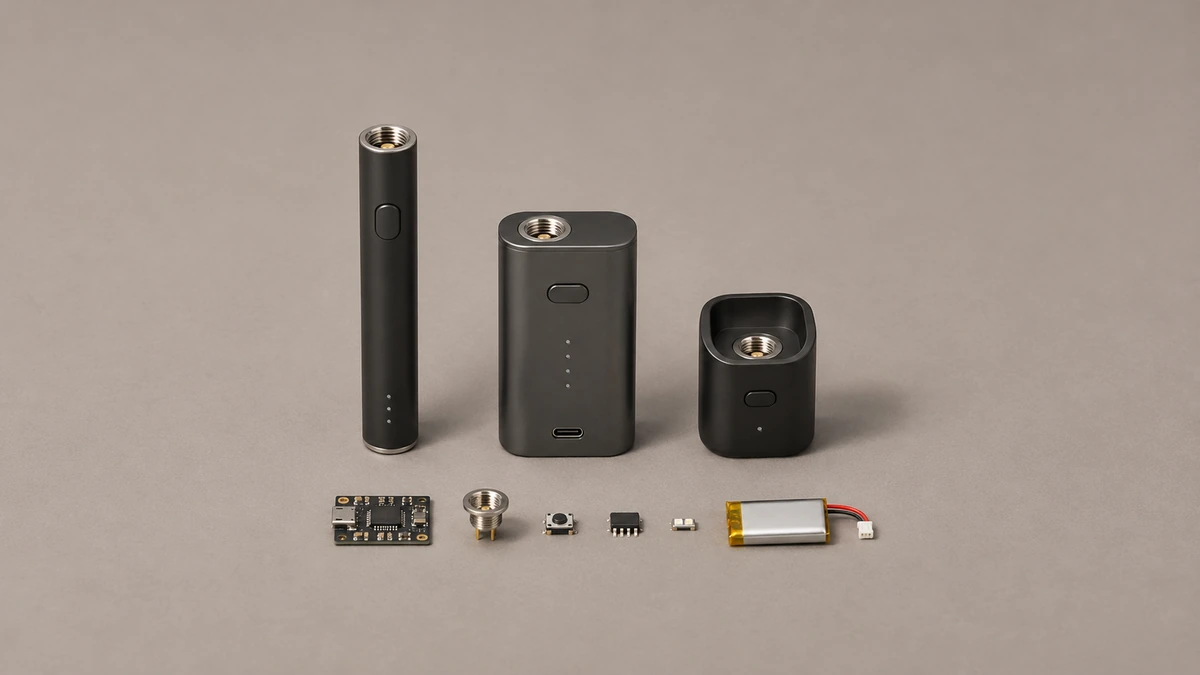
ASM’s wholesale battery category lists several named 510 battery form factors (https://www.asmvape.com/510-batteries/). That page establishes that specific form factors exist in a sellable catalog. It does not establish, by itself, who holds the underlying tooling, whether the listed party is the manufacturer of record or a reseller of another party’s hardware, or what scope a given quote would cover — sample only, tooling-inclusive, or full production. A catalog entry is a starting point for a question, not an answer to one.
🧾 2.2 Reading a Platform Page With Customization Options
CCELL’s Palm Pro page lists a named platform and marks it available for customization (https://www.ccell.com/battery/palm-pro). That is a materially different kind of documentation than a bulk listing: it ties a specific model name to a company-published configuration menu. Even here, though, the page describes what can be customized on that platform — it does not, by itself, confirm which legal entity would execute a particular buyer’s order, under what terms, or against which production revision.
🏭 3. Tracing a Model From Page to Legal Entity
The point where a product model enters a quote is where a public fact becomes a project question. A named listing gives you something to compare with the model in the quote. The quote should say which entity is responsible for that configuration and who can explain a difference between the sample and the order.
🔍 3.1 What a Company-Reported Design/Manufacture Statement Does and Doesn’t Confirm
CCELL’s contact page includes a company-reported statement about design and manufacture in Shenzhen (https://www.ccell.com/contact). That is useful information, and it is explicitly the company’s own description of itself — not a third-party audit, a facility registration lookup, or a certificate. A reader should treat it exactly as what it is: a self-reported location statement. It does not, on its own, confirm which legal entity would appear on a specific purchase contract, nor does it confirm that every unit sold under a given model name was produced at that reported site rather than through a subcontracted or licensed arrangement. The distinction between a brand’s own statement and an independently verifiable fact is precisely the kind of nuance that gets lost when comparisons are done from marketing pages alone, which is also why the difference between a vape distributor and a manufacturer is worth separating out explicitly before any sourcing conversation goes further.
🧩 4. Engineering and Sample Configuration as a Documentation Layer
Below the level of the public website sits a layer of documentation that almost never appears online: the engineering and sample configuration record. This is the paperwork — drawings, approved sample reference numbers, agreed tolerances — that ties a specific physical unit to a specific agreed specification at a specific point in time. A product page can describe a platform’s general capabilities. It cannot substitute for this record when a buyer needs to know exactly what was approved for their order.
🧪 4.1 Why a Sample Record Matters More Than a Photo
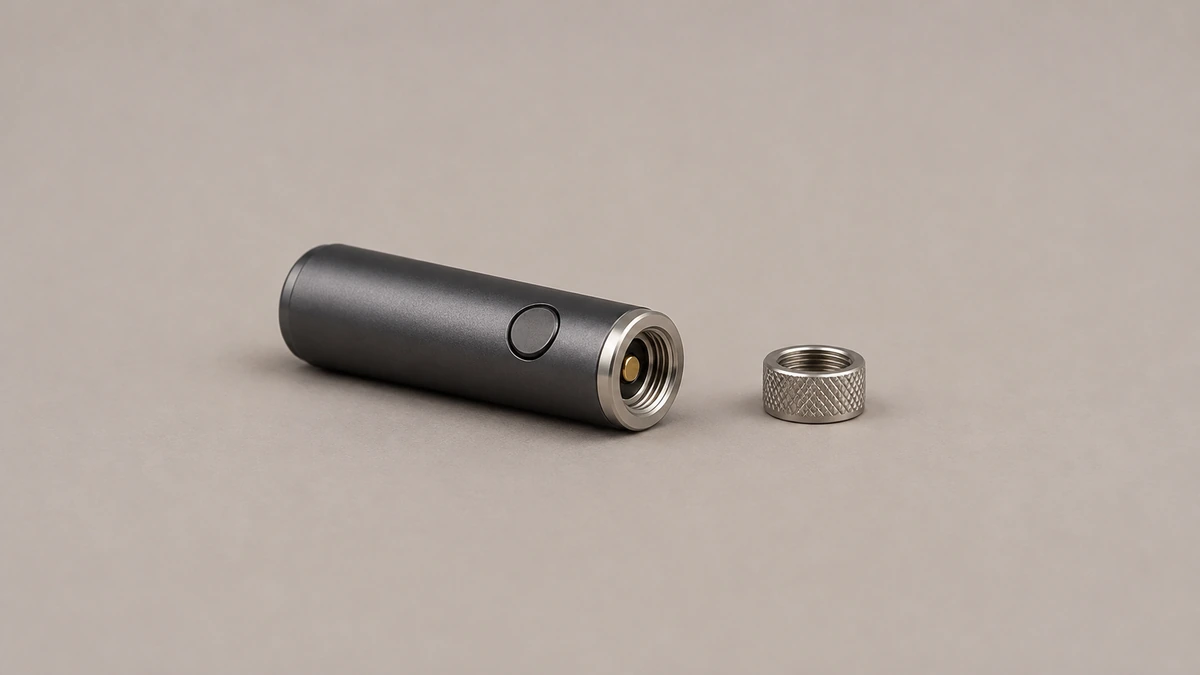
A photo of a battery, even a good one, shows finish and form. It does not show which internal configuration — chip, wiring, button assembly, or firmware variant where applicable — was actually locked in for a given production run. Two units that look identical from the outside can sit on different sample approvals if either party changed a component between rounds. This is one of the reasons a published development discussion that stays within documented scope, such as the public overview of developing a custom push-button 510 battery on a published platform, is a more durable reference point than a photo comparison: it describes a development process rather than asserting a visual identity.
🧮 5. Controlled Production Revisions and Why They’re Easy to Miss
Hardware platforms change. A 510 thread battery model that was approved against one sample can be updated — a connector tolerance adjusted, a housing seam altered, an internal component swapped for a functionally equivalent part — without the public-facing product page changing at all. If that revision is controlled properly, it is documented internally with a version or revision identifier tied to the date it took effect. If it is not controlled, or if the documentation is not shared with the buyer, there is no way for an outside reader to know that the unit in front of them differs from the one originally approved.
Two people can use the same product name while referring to different versions. Compare the identifiers they use and ask when the version was introduced. A revision note that says which drawing or sample it replaces gives both sides a common reference.
💬 6. What Online Discussions Can and Cannot Establish
Forum and community discussions about 510 thread batteries are a rich source of anecdote and a poor source of attribution. Readers comparing printed bodies, colors, or packaging frequently arrive at different conclusions about where a unit came from, and those disagreements are not resolved by more opinions — they are resolved only by documentation that neither side in a typical thread has access to.
🗣️ 6.1 Visual Similarity Without Attribution
Three recurring patterns show up across these discussions. First, readers comparing similar-looking printed hardware infer different manufacturing sources from appearance alone, and replies to each other disagree without either side producing evidence. Second, an owner can describe a device’s color and printed artwork in detail while still being unable to identify the underlying model, which illustrates that visual description is not the same as model identification. Third, assumptions about country of origin are sometimes built entirely from a retail listing’s wording, with other commenters offering personal anecdotes rather than any documentary source. Translated into documentation terms, these three patterns reduce to three questions a buyer can actually act on: does a specific product code exist in writing anywhere both parties can point to. Is there a sample record tied to that code and to the unit in question. And is there a revision identifier showing which version of that code was current when the unit was produced. None of those questions can be answered by comparing photographs or reading retail copy.
📎 6.2 Trace an Unmarked Sample Back to the Right File
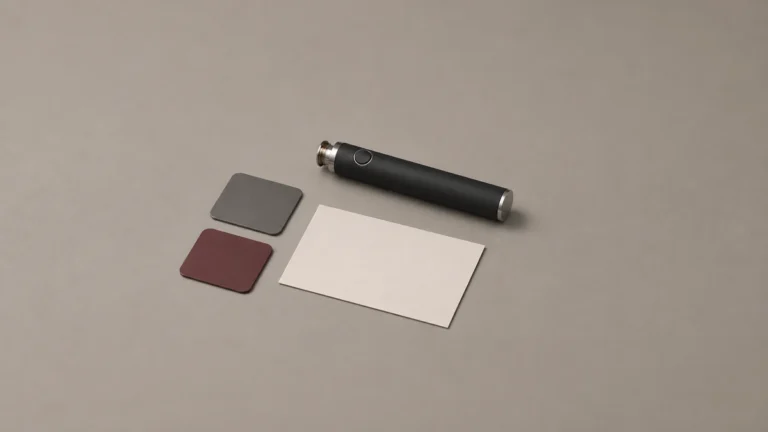
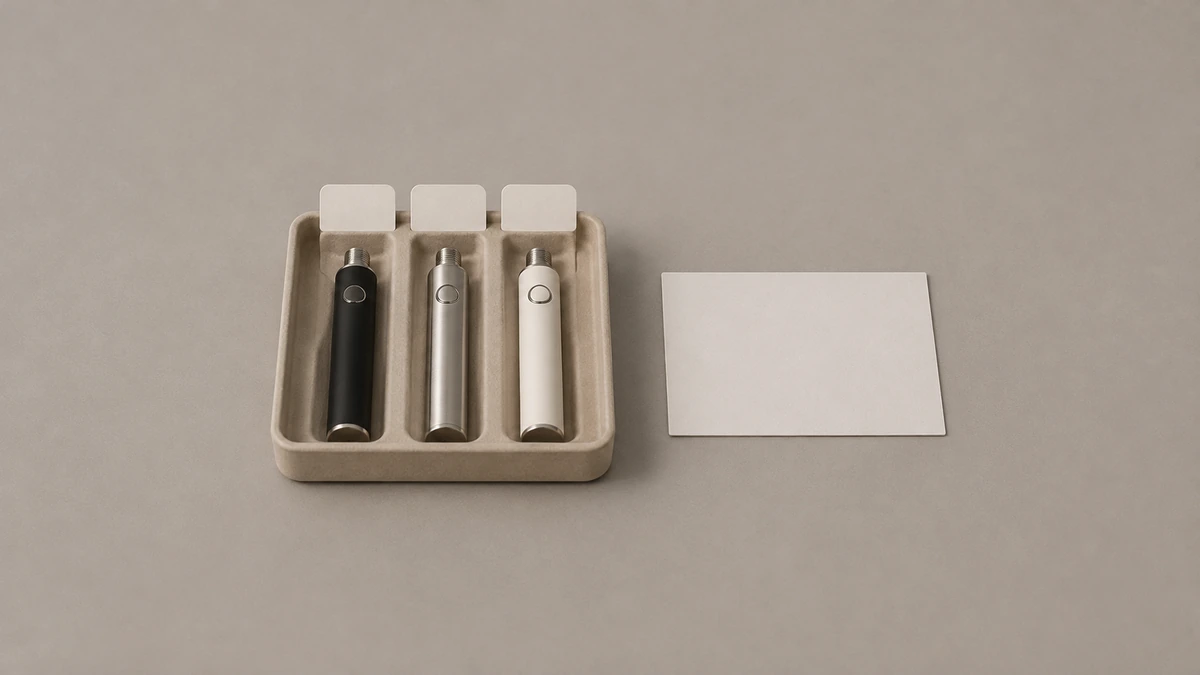
Imagine two similar samples arrive in plain cartons. One arrived with a sheet identifying the housing, the visible control and the model of the connector. The other came with a card carrying only the brand name. Put the sample reference from the first sheet beside the model named in the quote. For the second sample, ask which version was sent and whether the supplier can link its reference to the corresponding sheet. Appearance gives you a place to start the comparison, while the supplier’s written reply gives both teams a name for the same object.
Keep the support question narrow. If a vendor uses a catalog name and an internal code, ask it to give both on the sample approval record. If a distributor handles the order and a factory reviews the drawing, ask which party will answer a question about changes after the sample is accepted. It can be reasonable for different companies to fill those roles. The practical concern is being able to reach the person who owns the version record when a configuration differs. Name that contact and the corresponding record in the same approval note.

🧭 7. Two Hypothetical Examples of Matching Documentation
It helps to walk through what a documented match looks like, using hypothetical examples rather than any real company or model. Example one: a buyer receives a quote referencing product code “AX-204.” Before treating that code as meaningful, the buyer would want to see it appear consistently across three places — the original quote, a sample approval record referencing the same code, and the packing or production paperwork for the units actually shipped. If the code only appears on the quote and nowhere else, it is a label, not a trail. If it appears consistently across quote, sample, and shipment, a buyer has something closer to a documented chain, though still not proof of which legal entity physically assembled the unit unless that entity is also named consistently in the same documents.
Example two: a buyer is told a battery was built on a named platform and wants to confirm that the sample they approved six months ago matches the units now being produced. A documented answer would show a revision log entry: the platform name, a revision number or date, and a note describing what changed, if anything, since the original sample sign-off. Without that log entry, “same platform” could mean an unchanged part or a materially revised one — there is no way to tell from the model name alone. In both examples, the pattern is the same: a code, a sample reference, a revision marker, and a named role (who approved, who signed off) have to line up across more than one document before a manufacturing claim is substantiated. Neither example claims that any real supplier does or does not maintain documentation to this standard — they illustrate what matching documentation would look like if it existed.
📝 8. Questions Worth Asking Before Treating a Page as Proof
Given the gaps described above, a short list of questions is more useful than a long list of supplier names. Does the product code on a quote appear anywhere else in writing — a sample approval, a drawing, a packing document? Is there a revision identifier attached to the configuration being quoted, and does it match the revision that was actually sampled and approved? And does the party named on the contract match the party described on the company’s own public statements, or is there an unexplained gap between the two? A buyer who can answer these three questions from paperwork already in hand has a documented position. A buyer who can only answer them by pointing to a product photo or a catalog page does not yet have one. These questions are also the right frame for evaluating the broader category of claims around engineering and manufacturing roles, including the kind of role definitions discussed under OEM and ODM arrangements, where the label attached to a relationship matters less than what each party actually documents and signs.
✅ 9. Where This Leaves a B2B Buyer
Give each document a specific job. The catalog identifies a model and the options advertised with it. The quote identifies the proposed configuration and responsible party. A dated sample approval shows what was accepted, and a revision record ties any later change to the affected configuration.
For a reader working through their own sourcing documentation right now, here is a concrete next question: pull the most recent quote or sample approval on file and check whether the product code on it also appears, unchanged, on the corresponding sample record or packing document — and if a revision identifier is present on one but not the other, that gap is the first thing worth resolving before any further comparison.