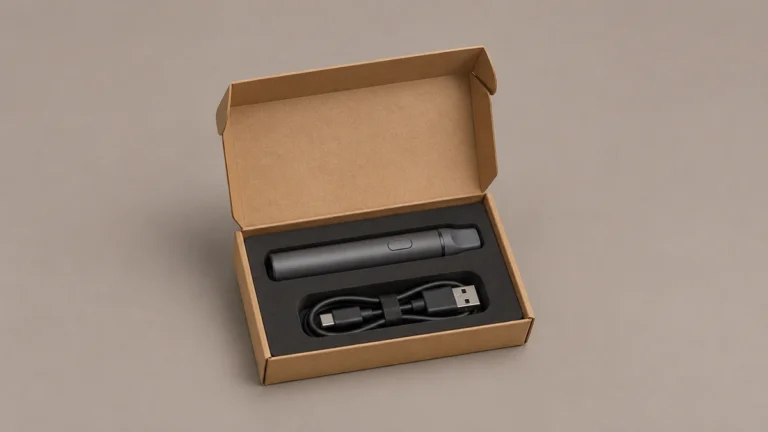
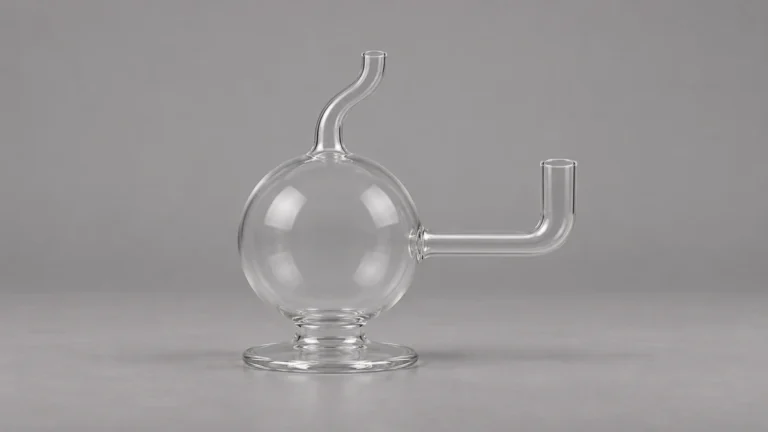
When you open a dab pen box and find an empty recess, compare it with the contents list for that exact kit. A part may already be attached to the pen, packed in a smaller pocket, or listed only for another configuration. The tray helps you locate each item. The list tells you what to expect.
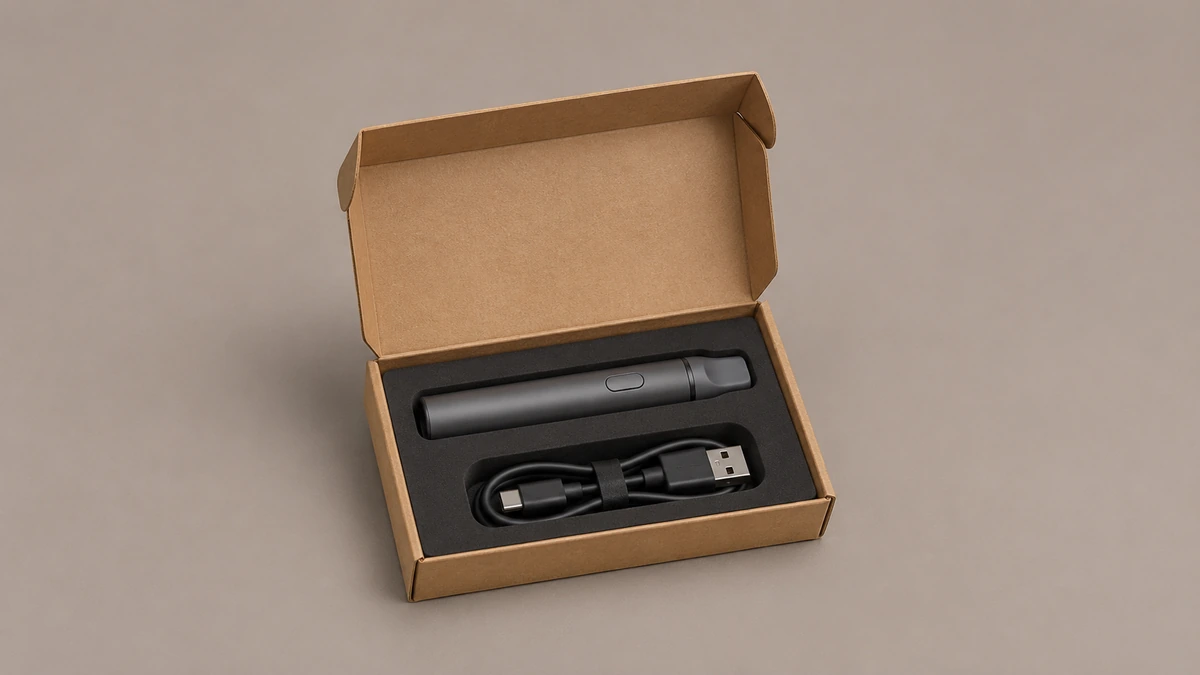
📦 1. Reading the Tray Before Assuming Anything Is Missing
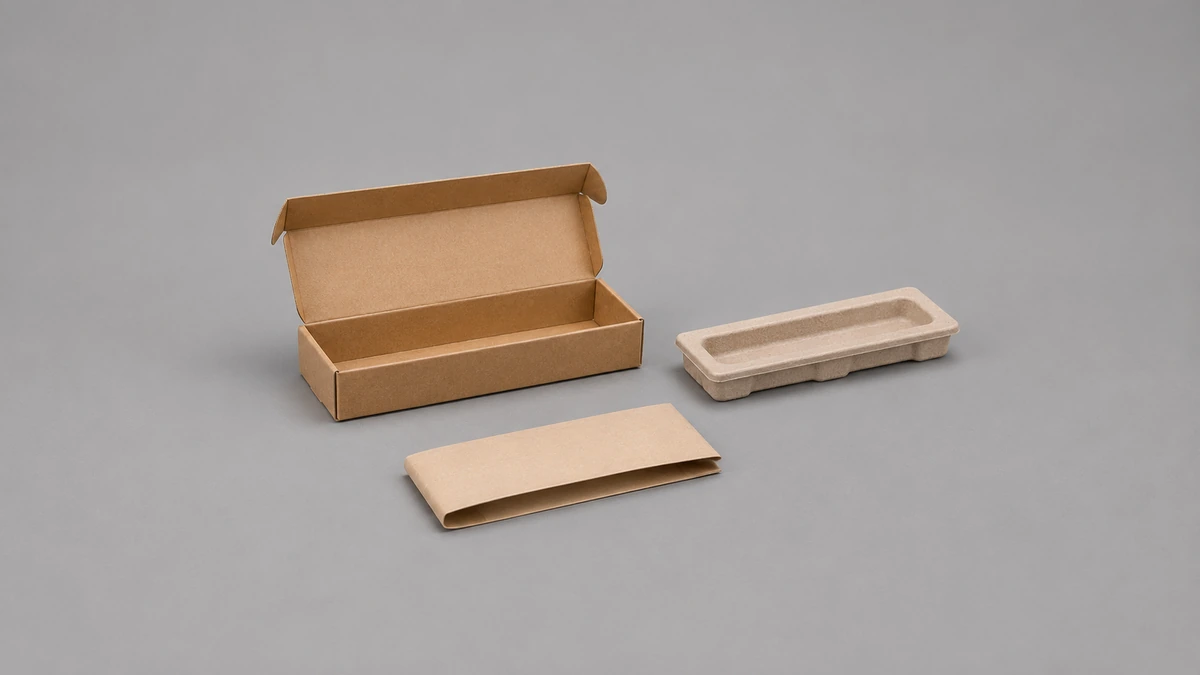
Look at the tray before taking anything out. A long cavity usually tells you the outline of the object it was shaped to hold. A short cavity may hold an accessory, and a shallow notch can provide space for a finger. The shape gives you a place to start looking. Use the contents list to assign a name to each recess.
A box designed to hold several accessory variants may ship with only two or three of those cavities occupied, leaving the rest open on purpose rather than by mistake.
Treating every open space as a missing item skips the step of checking what the included parts list, insert card, or order confirmation actually names for that specific purchase.
🔍 1.1 Compartments Are Not Always Meant to Be Full
A tray with six shaped pockets does not necessarily correspond to six separate parts for every version of a product sold under that same packaging.
Imagine two kit variants pictured with the same molded tray. One list names a pen and a cable. The other also names a spare mouthpiece. A recess visible in both photos could be empty in the first kit. Before drawing a conclusion about a real box, confirm whether the exact kit name on the label matches the list you are reading.
A deep narrow recess and a shallow document pocket can look similar from above. A side view of the insert can show their different depths. An empty finger notch can look like another bay in a top-down photo, especially when it sits between two compartments.
A reader comparing two boxes side by side may notice identical tray shapes holding visibly different numbers of items, which on its own says nothing about either order being short.
🧾 1.2 Documentation Changes What an Empty Space Means
A printed insert card, a sticker on the lid, or a single line on an order confirmation can state exactly which cavities apply to a given configuration.
Reading that documentation before contacting a seller turns a guess about an empty bay into a confirmed, specific detail rather than an assumption.
Where no documentation is included, the safer approach is to compare the tray against the exact product listing a buyer ordered from, rather than against a different listing, a different kit tier, or someone else’s unboxing photo.
A listing’s own description, when available, is a more reliable reference point than the physical shape of the tray alone.
🧩 2. Preassembled Pieces Are Not Loose Components
Some items that look like they belong in their own compartment are actually attached to the main body and are not meant to separate from it under normal handling.
A listing may call an item a mouthpiece and show it on the main body. That is a cue to check the assembled exterior. An image of the same component beside the pen may instead be a parts illustration, especially if the box contents group both pieces under the device name.
The distinction matters because the correct response to each case is different: a genuinely missing loose part is a packing question, while a preassembled piece is simply not a separate item to begin with.
🧵 2.1 A Removable Mouthpiece That Ships Already Seated
A mouthpiece can be removable by design even when it arrives already seated on the main body rather than resting loose in its own tray slot.
If a mouthpiece is seated on the pen in the box, there may be no separate item in the tray bearing that name. A contents list may name the mouthpiece as part of the device or separately, depending on the configuration. Use the photo and the wording together.
Check the model documentation for the name of the piece and how the maker groups it. The packaging can show where it arrived without establishing whether it is designed to detach.
When the list describes the pen assembly as one entry, note the visible mouthpiece under that entry. If the same list separately names a spare mouthpiece, the spare deserves its own line in your notes.
🔩 2.2 Fittings That Are Fixed Rather Than Removable
Small internal fittings, gaskets, or connective rings can appear as distinct shapes inside a chamber or base while actually being fixed in place during assembly.
Prying at a fitting to confirm it is separate risks damaging a part that was never meant to come out, which is a different problem from an item simply being absent from the tray.
A reader who is unsure whether a visible fitting is loose or fixed does better to leave it alone and check documentation before applying any force.
This fixed category is also distinct from a removable mouthpiece shipped pre-seated, since a fixed fitting is not designed to separate from the body under any ordinary handling, while a removable piece simply has not been lifted out yet.
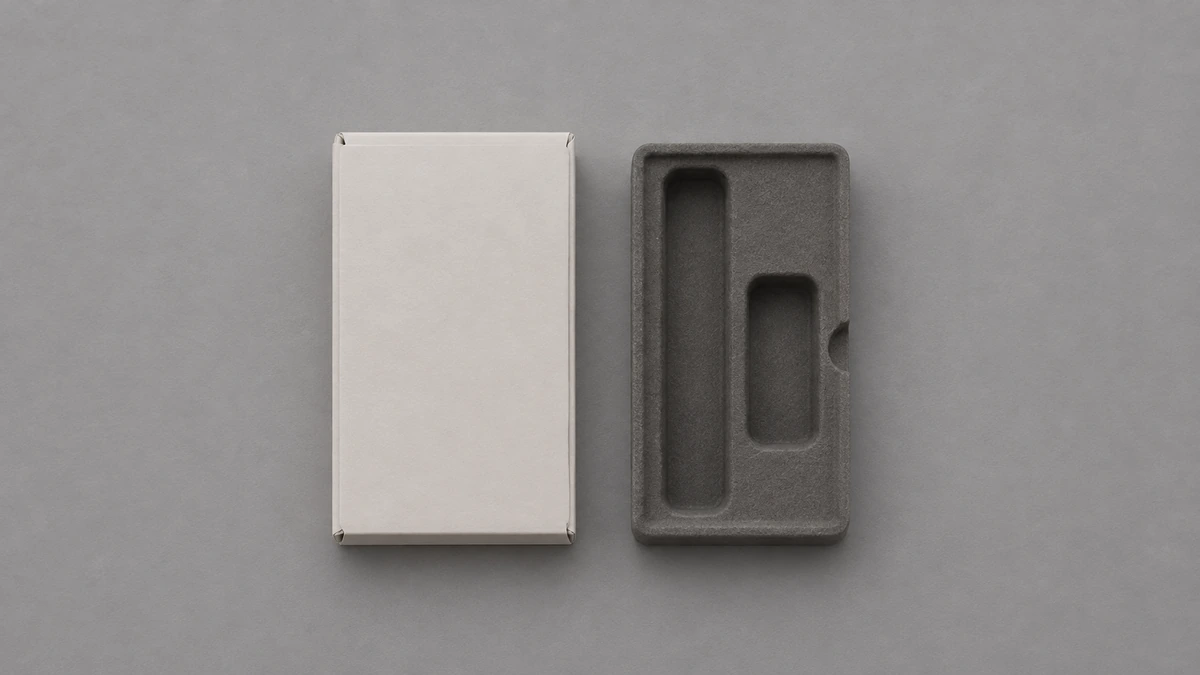
🗂️ 3. Two Hypothetical Layouts, Side by Side
The following two layouts are hypothetical and do not describe any specific AOVAPE or third-party product; they illustrate how the same general tray shape can hold different combinations of fixed, removable, and loose items depending on what a given order actually includes.
🅰️ 3.1 Layout One: Sleeve, Spare Bay, and an Inactive Body
In this layout, an empty inactive pen rests in the center cavity. The mouthpiece is visible at the end of the pen. The contents card names the pen and its mouthpiece under one assembly entry, and the case drawing points to where the two meet.
A folded document sleeve sits flat along one side, holding a warranty card and a printed parts list rather than any physical accessory.
A small square compartment at one corner holds a single spare part, such as a replacement seal, kept separate from the main body and named on the included card.
Nothing in this layout requires the reader to charge, power on, or disassemble the inactive body to confirm that the physical contents match the card.
🅱️ 3.2 Layout Two: A Loose Mouthpiece, a Cable Line, and an Unused Cavity
In this second layout, the mouthpiece rests loose in its own molded slot rather than being seated on the body, giving the reader a visibly separate component to match against the parts list.
A short cable lies in its own channel. In this hypothetical contents list, the cable and loose mouthpiece each have a separate line below the pen body. The tray has room to show those differences without relying on an exterior illustration.
One rectangular cavity in the tray remains empty because this particular kit tier does not include the accessory that cavity was originally molded to fit.
Comparing these two layouts shows that the same seated-versus-loose mouthpiece question, and the same open-versus-filled cavity question, can point to entirely different conclusions depending only on what the order actually specified.
💬 4. What Reader Reports Reveal About Missing-Part Confusion
Community discussions about compartmented trays are useful for seeing how real readers describe confusion in their own words, though any single comment reflects one order, one kit version, and one packing moment rather than a general rule for every box.
🫧 4.1 A Silicone Top and an Adjacent Ceramic Piece
In a May 2023 discussion, a reader reported an apparently missing silicone top, and replies in the thread worked through distinguishing that specific part from an adjacent ceramic piece that sits nearby but serves a different function.
The exchange illustrates why naming the exact part in question, rather than describing a general area of the tray, matters when checking contents against a list.
Two visually close components in the same compartment can still be two separate items with two separate functions, and confirming which one is actually absent comes before assuming either one is missing.
🧷 4.2 A Grommet Question Tied to Purchase Version
An owner in an August 2019 discussion reported an absent accessory grommet. A commenter remembered receiving one in an earlier purchase. Their experiences are enough to pose a question about version and packaging date, but they cannot settle what the later listing was meant to include.
That exchange is a reminder that kit contents can differ between versions of a listing sold at different times, so comparing a tray against an old description or a different buyer’s unboxing photo is not the same as comparing it against the specific, current order.
Where a version change is possible, the order confirmation itself is a more reliable reference than a comment written about an earlier batch.
📬 4.3 Distinguish the Parcel From the Retail Tray
In a June 2025 discussion, a reader asked whether items ordered as separate line items would arrive in separate parcels, and a reply mentioned separate tracking numbers for the order.
That question concerns how a multi-item order is shipped, not what any single retail tray contains, so it does not support a conclusion about what belongs inside one compartmented box.
For a multi-item order, note which entries were separate on the confirmation and which ones were listed as kit contents. Keep the parcel tracking number with the first record and the model label with the second.
📋 5. Reading a Documented Parts List Before Reporting a Gap
Outside of informal discussion threads, some sellers publish a structured parts list alongside the product description itself, which gives a reader a fixed reference point rather than a guess.
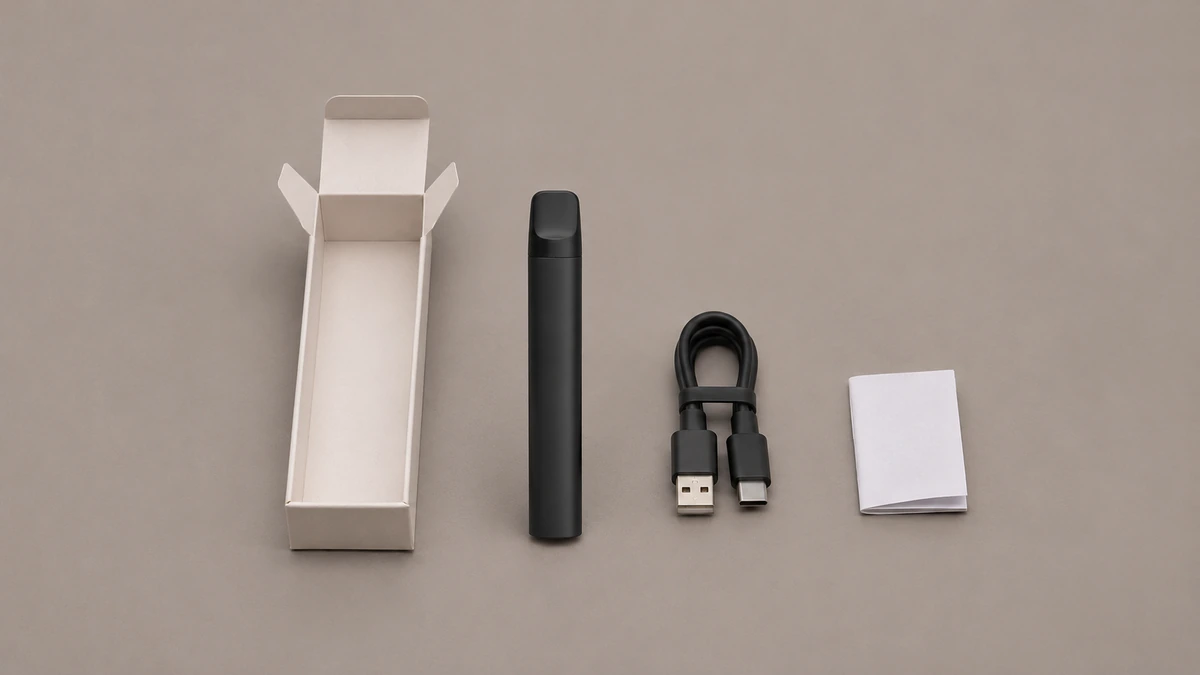
One device manufacturer’s published contents list groups the base, chamber and mouthpiece under a single device entry. It then names swabs, a loading tool and a cable as separate items. This is a useful example of reading the indentation or grouping of a list before counting what is in a tray.
That structure is a documented example of how an item can be grouped under one listed unit while still being physically distinct inside a tray, and how other items are deliberately itemized on their own line.
A reader checking a tray against that kind of list works down each named item individually, rather than counting cavities and assuming every cavity corresponds to one line in the description.
This is cited here as one documentation example, not as a universal description of what every dab pen package contains, and it should not be read as a claim about any other listing’s grouping.
🧭 6. A Short Checklist for Matching Items to Compartments
A few habits reduce the chance of mistaking tray structure for a packing error.
Read the order confirmation or any included card first, and list the exact items it names before opening a single sealed compartment.
Use the maker’s image to locate the assembled piece. If it is already seated on the device, keep it in place while you compare the assembly with the parts list.
Match each named item to one compartment at a time, rather than scanning the whole tray at once and forming a general impression of what seems missing.
Note any small compartment holding a single spare part on its own, since a spare is easy to overlook next to a larger main cavity.
Leave each unassigned cavity as an open question until you have checked the matching kit list. If the kit names a spare and you cannot locate it, photograph the tray and the contents card together.
🔎 7. Document the Contents Without Disturbing the Assembly
The labels and the visible exterior usually provide the information needed for a contents question. If the box appears damaged, photograph the carton and visible tray before asking the seller how to proceed.
Prying at a seated piece, applying charge, powering on a device of unknown condition, or disassembling a sealed component are not reliable ways to confirm contents, and each introduces a separate risk unrelated to the original question about what the tray holds.
A tray shape or compartment size is also not a guarantee that a part fits a given device; that compatibility question sits outside what packaging alone can confirm.
Similarly, nothing about a tray’s structure speaks to sealing performance, drop protection, electrical clearance, or regulatory compliance, and none of those should be assumed from how a compartment happens to be shaped.
🔗 8. Related Reading on Packaging, Cases, and Body Parts
Ordering custom cartons and exterior branding for a packaging run is a separate, earlier-stage question covered in our guide to custom vape packaging, rather than a question about reading a tray that has already arrived.
Protecting an assembled pen for everyday carry after it leaves its retail box is a different scenario again, discussed in our dab pen case guide.
Identifying the parts of an assembled, compact body — rather than the contents of a retail tray — is covered separately in our mini dab pen body parts overview.
When asking about a missing part, include the exact kit label and a photo of the open tray. Use the item name from the card, and say where you already looked. A short note such as “the assembled mouthpiece is present, but the spare named on the insert is unaccounted for” distinguishes the two pieces clearly.