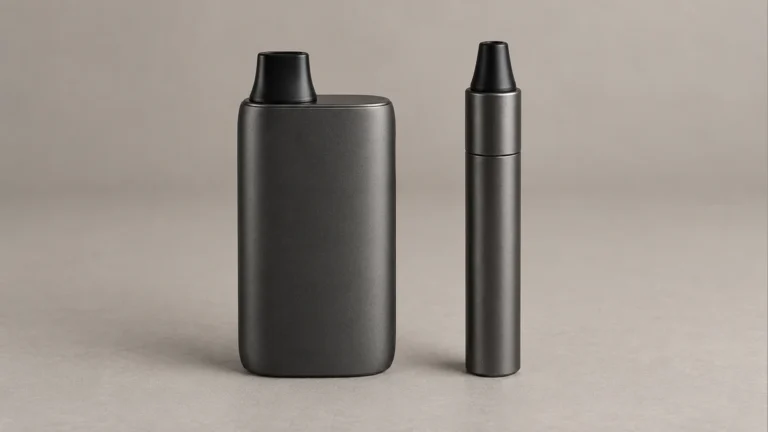
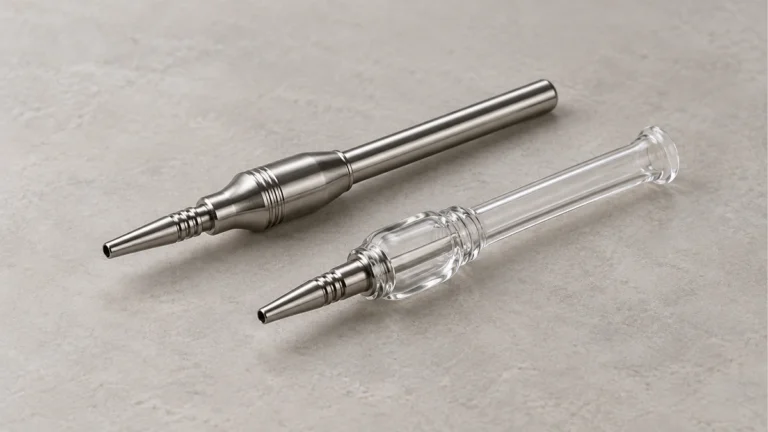
Consider a common sourcing problem: a retail buyer wants the first pallet quickly, while the brand also wants the device to look proprietary—a distinct shape, finish, or control layout rather than an off-the-shelf unit. Those goals often pull in opposite directions. Ready inventory favors speed; meaningful hardware changes require engineering decisions, sample rounds, tooling, and production planning. The choice between distributor, manufacturer, and sourcing intermediary determines which tradeoff the buyer is actually making.
The three terms get used almost interchangeably in cold emails and trade-show pitches, which is part of the problem. They describe genuinely different jobs — different ownership of stock, different minimum order quantities, different paper trails when a customs officer or a retail buyer asks “where did this come from.” Getting the label right before signing anything saves months of friction later.
🔎 1. Three Roles Behind One Confusing Label
Strip away the marketing language and each of these partners is defined by one simple question: who is holding the risk, and at what point in the process?
🧩 1.1 The Distributor
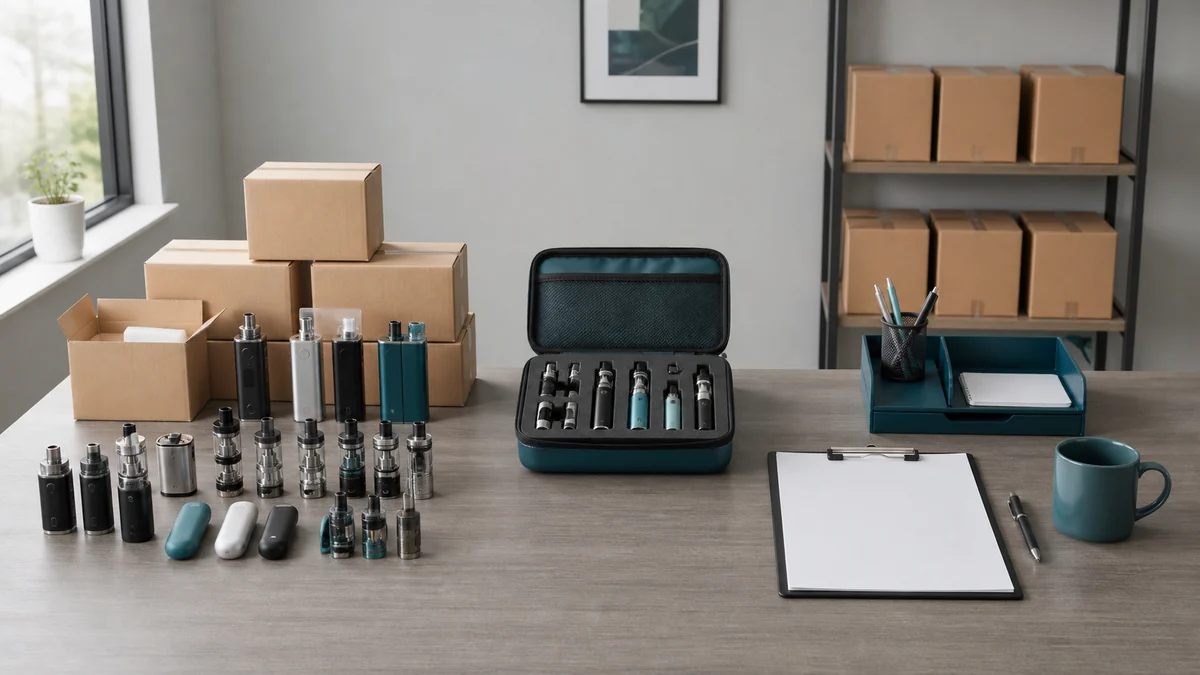
A distributor buys finished product, holds it in a warehouse, and resells it — usually in smaller quantities than a factory would ever ship directly. Their value is speed and flexibility, not customization. If a distributor already has stock on a shelf in New Jersey or Rotterdam, an order can move in days instead of the eight-to-twelve weeks a fresh production run typically needs. The tradeoff is that the product exists before the order does. A distributor is reselling something the factory already decided to make, in the finish and packaging the factory already decided to use.
🧩 1.2 The Manufacturer
A manufacturer runs the tooling and the production line. This is where customization actually happens — mold changes, coil or airflow configuration, print and packaging, sometimes firmware. It’s also where minimum order quantities bite hardest, because a factory has to justify a production run against its own capacity and material costs. A manufacturer relationship is slower to start and less forgiving of small orders, but it’s the only path to a device that’s genuinely different from what a competitor can buy off the same distributor’s shelf. Brands weighing this route are usually also weighing OEM versus ODM development, which is its own decision covered in more detail in our OEM/ODM guide.
🧩 1.3 The Sourcing Intermediary
The third role—sourcing agent, trading company, or export broker—sits between the buyer and one or more factories. Some own inventory, while others coordinate requests for quotation, supplier communication, inspections, or consolidated shipments without manufacturing the product themselves. That model can help a buyer compare factories or manage communication, but it also adds a layer between the brand and the people who control tooling, production changes, and lead time. The contract and supporting documents—not the partner’s label—should make those responsibilities explicit.
🔎 2. Who Actually Owns the Inventory
Inventory ownership is the fastest way to tell these three apart, and it’s usually the first thing worth asking on a call. If the answer is “we have it in stock,” you’re talking to a distributor or someone reselling a distributor’s stock. If the answer is “we’d build that to your spec,” you’re talking to a manufacturer, and the clock starts at tooling or setup, not at “in stock.”
This matters because inventory ownership determines who absorbs the cost of a slow season. A distributor holding stock takes on carrying cost and the risk that a design goes out of fashion before it sells. A manufacturer producing to order shifts that risk to the buyer, who now owns a container of product that has to move. Neither position is wrong — it’s a tradeoff between paying for speed (distributor) and paying for control (manufacturer). A sourcing intermediary typically owns neither the stock nor the tooling, which is worth remembering when a deal sounds unusually flexible; flexibility on someone else’s factory floor is still bound by that factory’s own priorities.
🔎 3. MOQ and How Deep Customization Really Goes
Minimum order quantity becomes confusing when a buyer asks for a branded device without separating “put our logo on an existing unit” from “build this hardware to our specification.” Those requests sit at very different production and validation tiers, so they should never share one vague MOQ quote.
🧩 3.1 Surface-Level Branding vs. Structural Customization
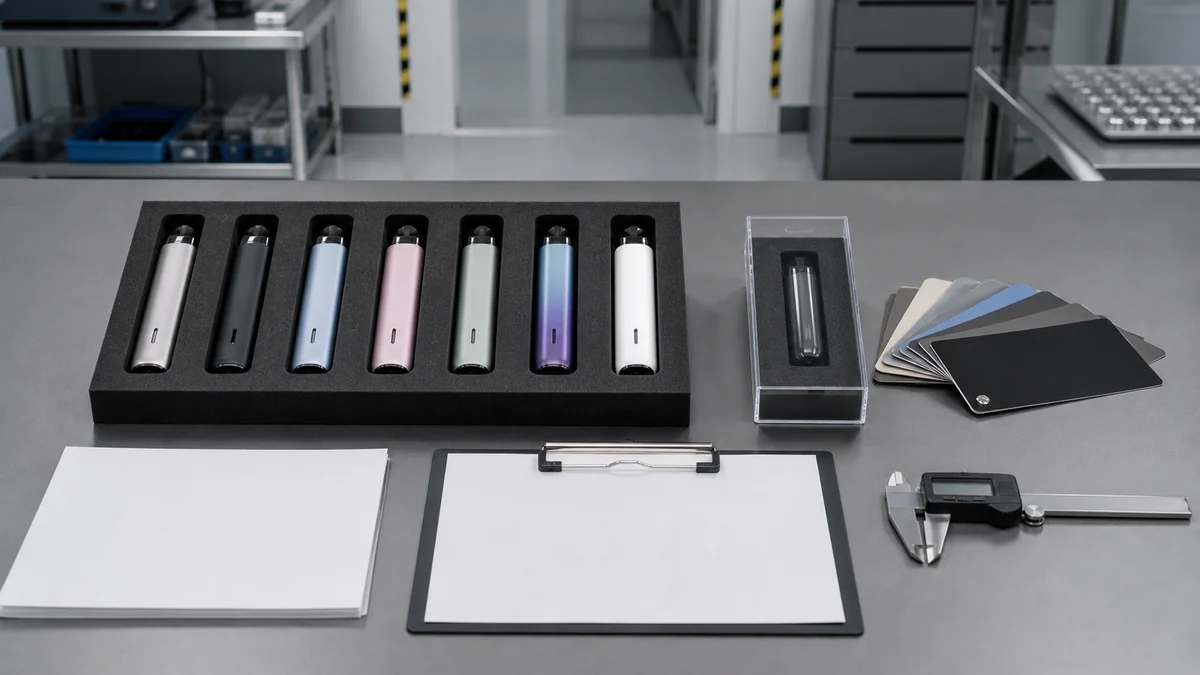
Printing a logo on an existing shell, or swapping a packaging insert, is usually the lowest MOQ tier a manufacturer offers, because it doesn’t touch the mold or the internal build. Changing the shape of the device, the button, the airflow path, or the internal hardware configuration requires new tooling or a validated new bill of materials, and that’s where minimum order quantities climb — sometimes by an order of magnitude. It’s worth asking a prospective partner to separate these two numbers explicitly rather than quoting a single “MOQ” that might only apply to the cosmetic tier.
🧩 3.2 What a Distributor Can and Can’t Flex
Distributors generally can’t move MOQ at all in the customization sense, because they aren’t deciding what gets built — they’re deciding how much of an existing catalog item to release from stock. Their flexibility shows up differently: smaller resale quantities, faster fulfillment, sometimes mixed pallets across several SKUs. A brand that wants a mixed assortment quickly, without altering any hardware, is often better served here than by pushing a factory into a customization conversation it isn’t set up to have profitably.
🔎 4. Documentation and Traceability
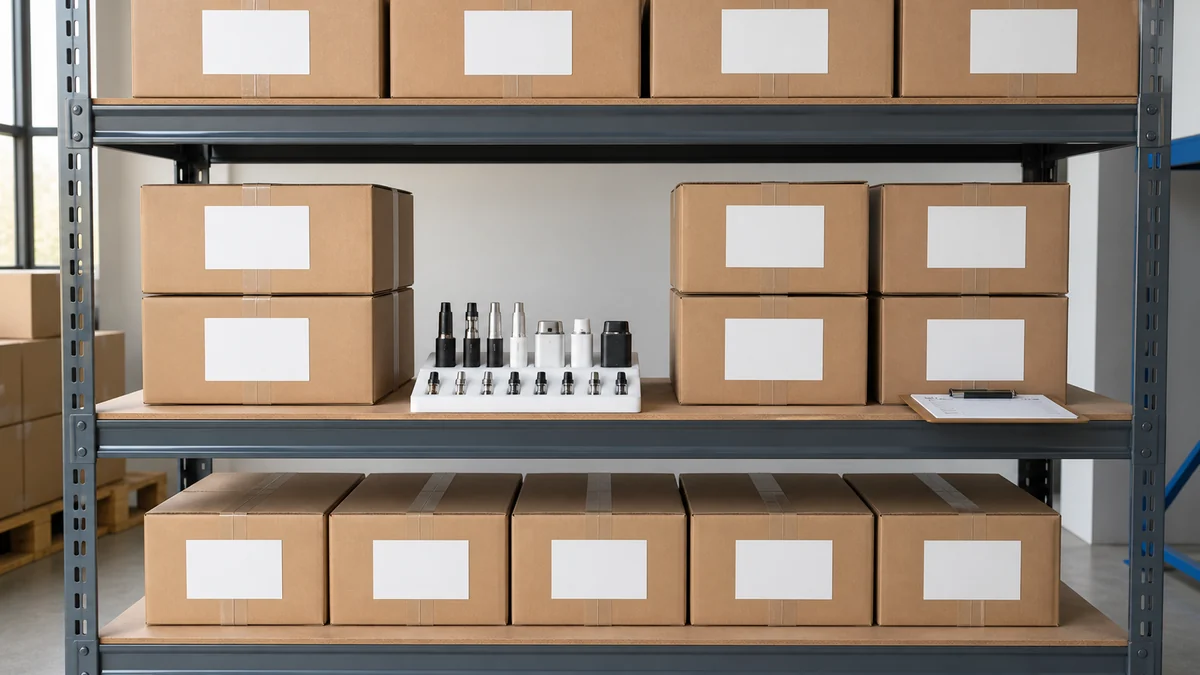
Every layer added between the factory and the buyer is a layer that can obscure where a product actually came from. That’s not a comment on any particular intermediary’s honesty — it’s just how paperwork works. A direct manufacturer relationship typically gives a buyer the clearest line back to the production source: invoices, packing lists, and country-of-origin documentation that name the actual factory. Once a sourcing agent or trading company is in the chain, those documents may reference the intermediary rather than the underlying factory, which can complicate due diligence later if a retailer or a customs authority asks for the original source.
This is genuinely a compliance question, not just a preference, and it’s worth treating it that way. U.S. Customs and Border Protection publishes general guidance for importers on what documentation and due diligence responsibilities look like at the border — a useful starting point before assuming any supplier’s paperwork will satisfy a customs review. The safest approach is to ask any prospective partner, plainly, whether they can provide documentation that traces back to the actual production source, and to get that answer in writing before the first purchase order, not after a shipment is held.
🔎 5. Change Control: What Happens When You Want to Tweak the Order
Change control is the part of this decision that rarely comes up until it’s urgent — a color needs to shift, a packaging error gets caught after printing starts, a retailer asks for a spec change mid-run. How that request travels through the supply chain depends entirely on which partner type is holding the order.
With a distributor, there’s usually no change to make — the product exists as-is, so a “change” really means canceling one order and placing a different one against different stock. With a manufacturer, a change request goes to the production line directly, and its cost depends on where in the process the run sits: a pre-tooling spec change is cheap, a mid-run change can mean scrapped materials. With a sourcing intermediary, the request first has to travel to the intermediary, then to the factory, then the factory’s answer travels back the same path — and each hop adds time and a chance for the message to lose precision. Buyers who expect to iterate on hardware specs, even modestly, tend to find that a direct manufacturer relationship handles change requests far more predictably than a relationship routed through a broker.
🔎 6. Warranty Routing When Something Goes Wrong
Warranty and defect handling is where the structure of the relationship gets tested in practice, usually months after the original deal was signed. The question worth asking upfront is simple: when a unit fails, who receives the claim, who decides whether it’s covered, and who pays for the resolution?
A distributor typically routes warranty claims back to whatever terms the original manufacturer set, and the distributor’s own service is limited to how well it can relay that claim and how much stock it’s willing to hold as replacement. A direct manufacturer relationship usually means warranty terms are negotiated once, in the original agreement, and claims go straight to the party that built the product. A sourcing intermediary adds a step: the intermediary has to carry the claim to the factory and carry the factory’s decision back, and if that intermediary ever exits the relationship, the buyer can be left without a clear path back to the original manufacturer at all.
None of this is a promise about how any specific company will behave — it’s a structural question about how many parties have to agree before a defective unit gets resolved. Any specific warranty terms, coverage period, and claims process should come from the written agreement with that partner, not from assumptions based on their role.
🔎 7. Matching the Partner to the Job
Laid side by side, the tradeoffs are less about which partner is “better” and more about which set of constraints matches the actual order in front of you.
| Factor | Distributor | Manufacturer | Sourcing Intermediary |
|---|---|---|---|
| Inventory ownership | Holds finished stock | Builds to order | Usually none |
| Typical lead time | Fast, stock-limited | Longer, production-limited | Depends on the factory behind them |
| Customization depth | Minimal to none | Cosmetic through structural | Whatever the factory allows, relayed secondhand |
| MOQ flexibility | Flexible resale quantities | Fixed by tooling/production tier | Set by the underlying factory |
| Documentation traceability | Traces to original manufacturer | Direct, clearest source | May reference the intermediary, not the factory |
| Change control | Requires a new order | Direct to production line | Routed through an extra hop |
| Warranty routing | Relayed to manufacturer terms | Direct, negotiated once | Dependent on intermediary staying in business |
A brand that needs shelf-ready product this quarter and isn’t trying to differentiate on hardware is usually better served by a distributor. A brand trying to build something proprietary — a shape, a flavor system, a hardware feature that competitors don’t have — has to go to a manufacturer eventually, even if that means a longer runway before the first shipment. A sourcing intermediary earns its place mainly when a buyer doesn’t yet have the relationships or the sourcing knowledge to evaluate factories directly, but that convenience comes with the tradeoffs listed above, and it’s worth revisiting once the brand has enough order volume to justify going direct.
Buyers evaluating a manufacturer directly still need a way to judge whether that factory can actually deliver on documentation, quality control, and consistency claims before committing volume — our manufacturer audit guide walks through what to check before the first purchase order. And because branding decisions and hardware decisions get made together more often than buyers expect, it’s worth reading them side by side rather than sequentially — our branding guide covers where cosmetic customization ends and structural customization begins, which is the same line that determines MOQ tier in section 3 above.
🔎 8. Making the Call
Go back to the brand owner from the opening: stock in six weeks, a device that feels proprietary. Those two goals don’t actually conflict — they just can’t both be satisfied by the same partner on the same timeline. The practical path most brands land on is sequencing rather than choosing once and for all: a distributor relationship to keep the first retail commitments covered while a direct manufacturer relationship is built out for the version of the product that’s actually differentiated. Trying to force one partner type to do both jobs is usually what produces the missed deadlines and vague paperwork that show up in sourcing forums.
Whichever partner fits the current order, the questions worth asking before any money moves stay the same: who owns the inventory, what does the MOQ actually cover, how far up the chain does documentation trace, who handles a mid-order change, and who answers a warranty claim two years from now. Brands ready to work through those specifics against an actual product spec can start that conversation through our contact page.
📚 9. Sources
- U.S. Customs and Border Protection — Basic Importing and Exporting: Tips for New Importers and Exporters
- Federal Trade Commission — Advertising and Marketing Guidance