A custom push-button 510 thread battery program can change branding, finish, packaging and, depending on the platform, selected control or indicator behavior. Deeper changes to structure, cartridge geometry or electronics may require new engineering or dedicated tooling. The correct configuration still depends on the target cartridge, oil, airflow, battery capacity and charging architecture. A brief that asks only for a “custom 510 battery” is incomplete until those inputs, and the intended change list, are named.
AOVAPE supplies 510-thread battery hardware for brands and distributors, including button-activated, auto-draw, variable-voltage and concealed formats. The custom push-button 510 battery page is the official starting point for button-activated programs that need control over activation, locking, voltage selection and preheat. This article records what that page, and the related manufacturer pages, say an OEM manufacturer can change, and what still has to be confirmed on a sample. Existing Vaporizer Platform or New Tooling: What a Custom Project Is Asking For keeps the path decision in view.
🔎 1. What a Push-Button 510 Battery Is
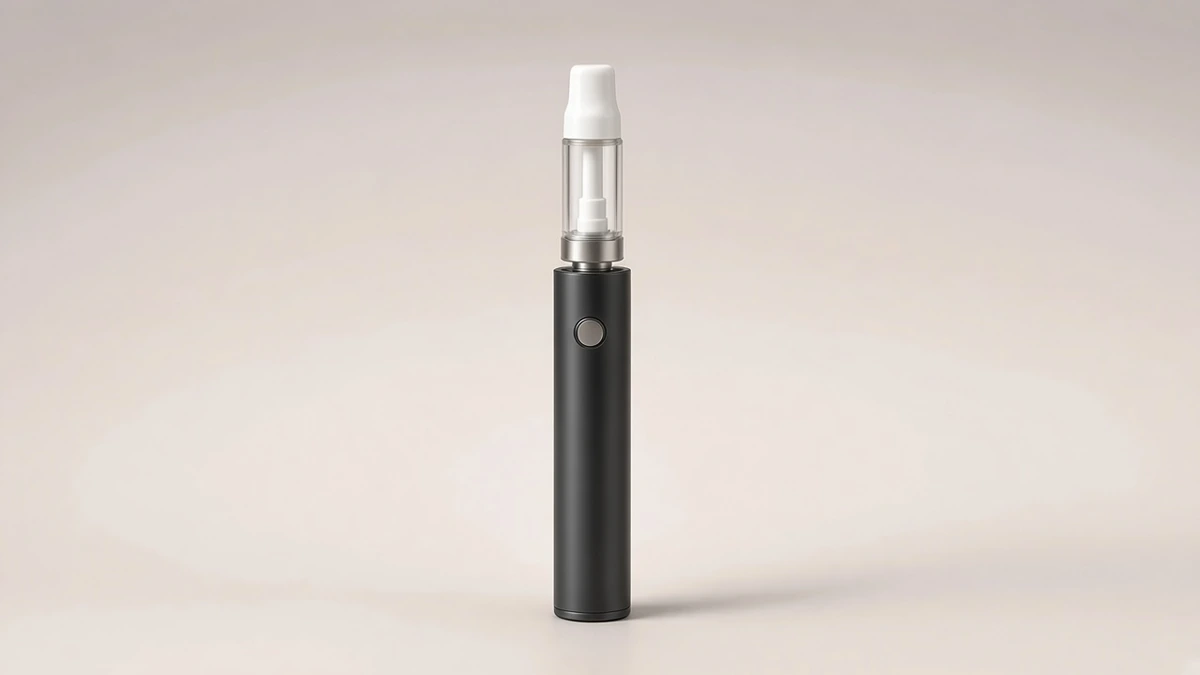
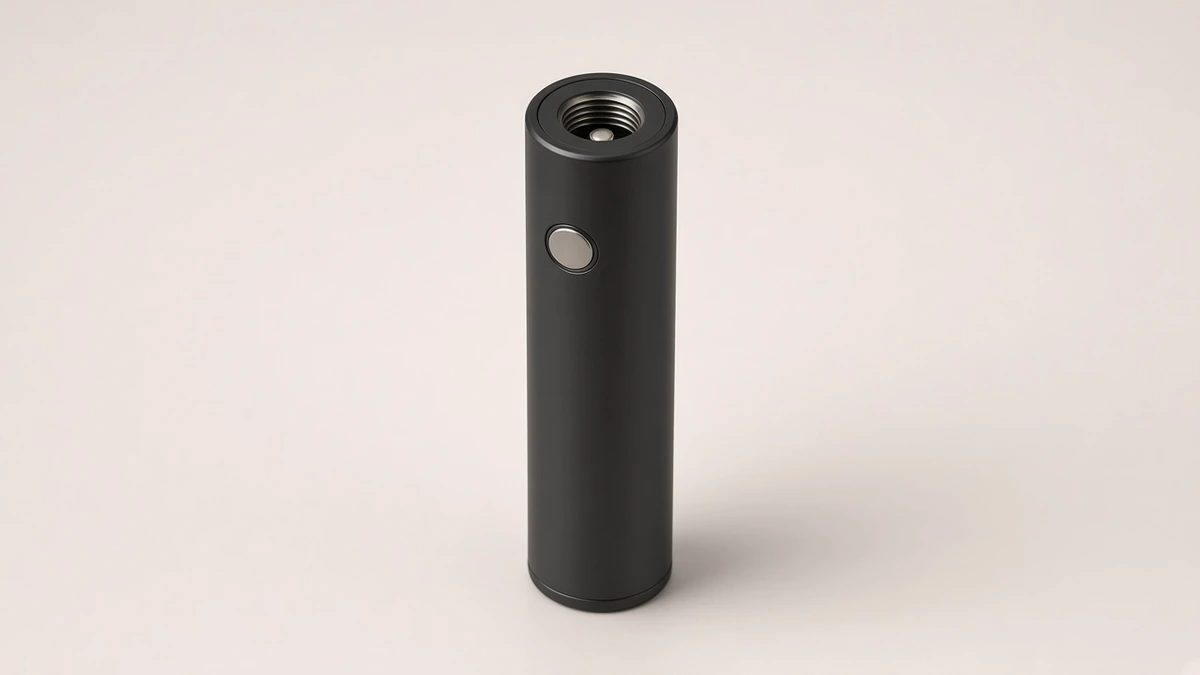
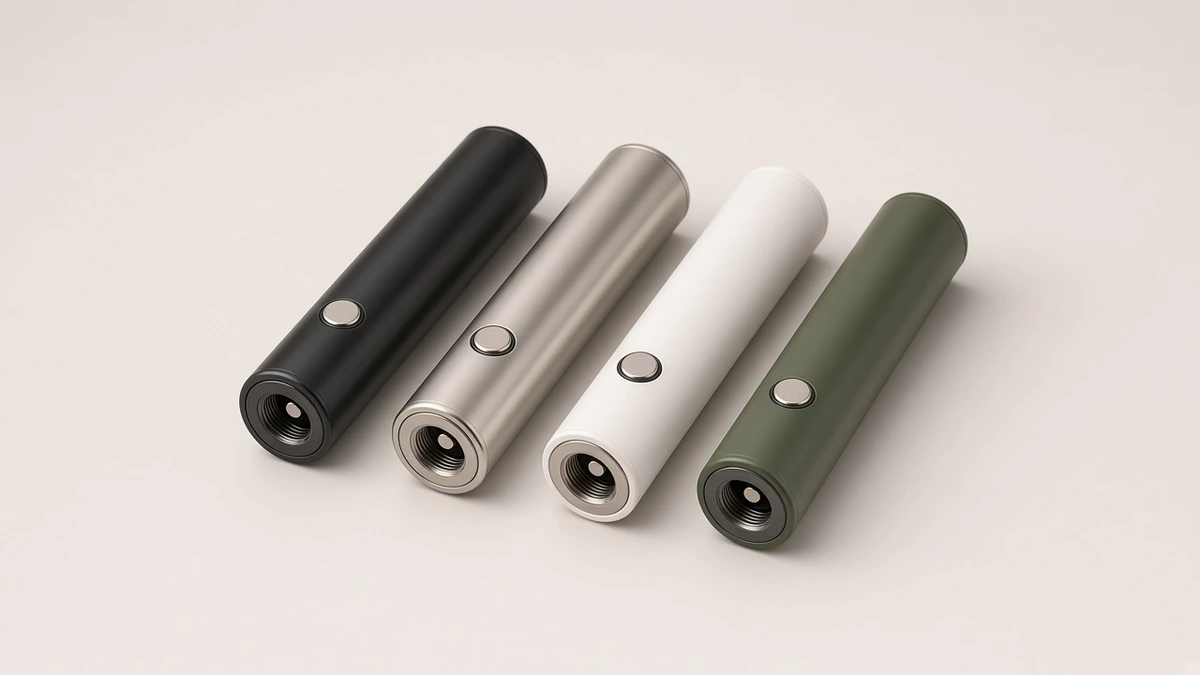
A push-button 510 battery is a battery body with a female 510 connection, designed to accept a cartridge or other 510-threaded atomizer, and a button that gives the user direct control over activation and, on many platforms, locking, voltage selection or preheat. It is not the same thing as an auto-draw battery, even when both use a 510 thread. It is not the same thing as the cartridge. The thread identifies a connection family. It does not identify the body shape, the well or bay, the button logic, or the output the cartridge will see.
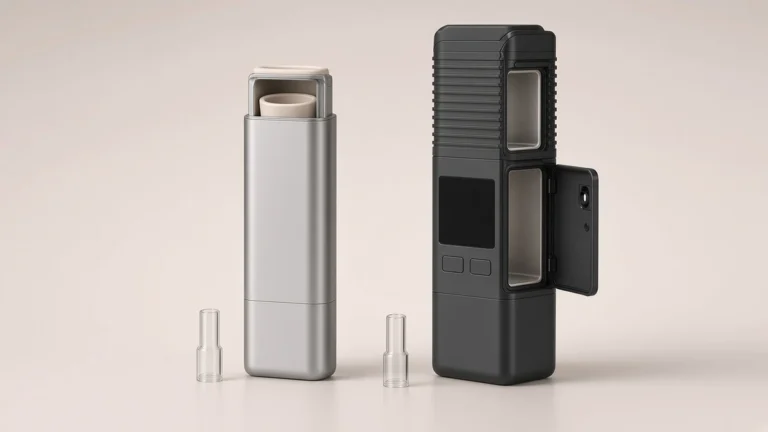
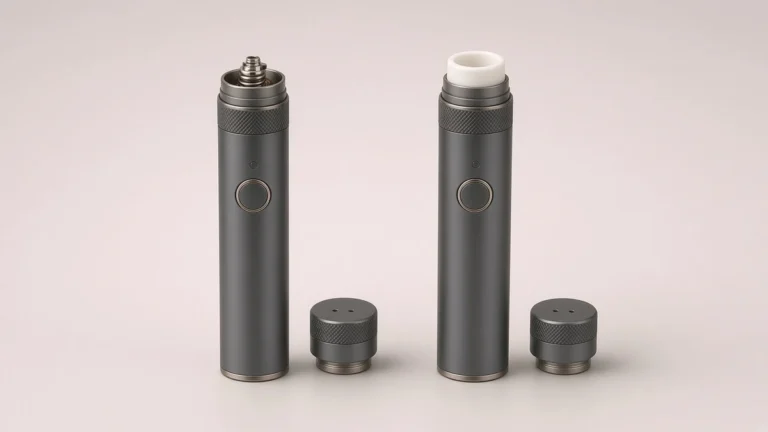
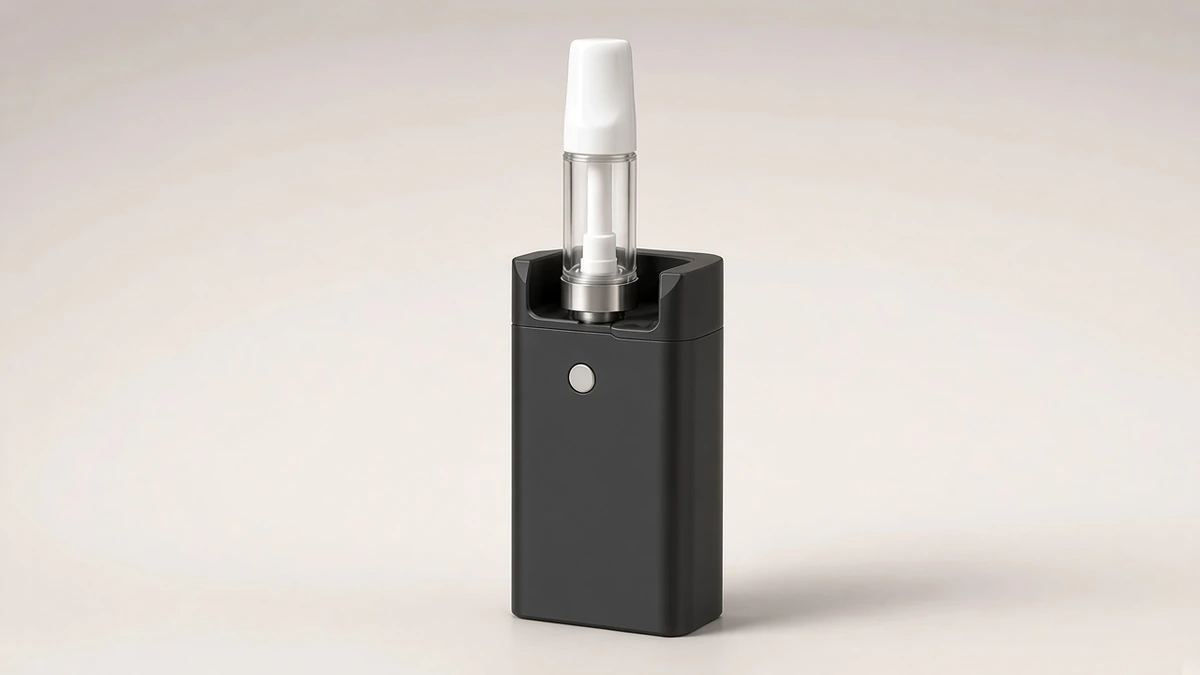
AOVAPE’s published 510 range includes compact pen-style bodies, display-equipped models and concealed-cartridge or box-style formats. Pen-style batteries are slim cylinders with a female 510 well. Concealed or box-style batteries may use a recessed drop-in or magnetic cart bay. Those body families are useful context for fit and airflow, but they do not replace a cartridge-fit review. The 510 thread battery buyer FAQ states that cartridge capacity alone does not establish compatibility, and that AOVAPE does not publish one universal 510 dimensional standard that applies to every battery and every cartridge.
🛠️ 2. What Existing-Platform OEM Can Usually Change
The custom push-button page describes two development routes. The first is to customize an existing platform. Depending on the model, changes can include logo, Pantone color, surface finish, packaging and selected control or indicator behavior. The existing-platforms page groups typical existing-platform options as brand appearance, selected voltage presets or indicator behavior where supported, a compatibility review for cartridge fit, and accessories such as a cable, adapter, insert, manual and retail box.
Those options are typical, not automatic. A published product is a reference platform, not a promise that every change can be made without engineering review. Logo, color and packaging are usually the first OEM layer. Control or indicator changes depend on the selected PCB and platform. AOVAPE confirms the actual customization boundary in writing before sampling. The official pages do not treat a requested logo as proof that voltage steps, preheat or button sequences can also be rewritten on the same board.
🧭 3. Button Logic, Voltage and Preheat Are Separate Decisions
The custom push-button page lists configuration decisions that should be reviewed one by one: button logic, including the on/off sequence, activation, voltage change and preheat; power behavior, as fixed or selected variable-voltage settings; cartridge fit; charging architecture, including USB-C where the platform supports it; indicators, such as LED color, battery status and mode feedback where supported; and the brand system of color, coating, texture, logo, artwork and packaging. Each decision has a job. Button logic defines daily use and accidental-activation protection. Power behavior has to be matched to the target cartridge and oil. Indicators make the selected mode understandable. They are not one interchangeable “custom controls” item.
Can the voltage settings be changed? The official FAQ says possibly, depending on the selected PCB and platform, and that AOVAPE confirms the supported settings after reviewing the cartridge, oil and required user experience. Can preheat and button sequences be customized? Selected behavior may be configurable on an existing platform; deeper changes can require PCB development. The confirmed scope is stated before sampling. Do not treat a catalog phrase such as “variable voltage” as a completed control specification.
📏 4. Cartridge Fit Is Not Settled by a 510 Thread Label
A custom battery program still has to clear the intended cartridge. The official pages ask buyers to share cartridge diameter, length, resistance, oil type, thread and center-pin geometry, and airflow clearance. Final cartridge fit, electrical contact, output and control behavior are confirmed on the selected sample. A gram or milliliter callout does not, by itself, prove that a cart will enter a well or a concealed bay, make contact, or leave enough airflow.
The sample-acceptance checklist on the custom push-button page is: log the battery and cartridge model, sample revision, dimensions and resistance; verify clearances, thread engagement, center-pin contact and airflow; confirm activation, cutoff, preheat, display and voltage under the intended load; and record results by configuration and approve a reference sample before production. Use the same battery and cartridge versions for sample approval and production.
🧩 5. When the Brief Needs New Engineering or Tooling
The second published route is to engineer a new 510 battery. When the required structure or function cannot be achieved on an existing platform, AOVAPE can support industrial design, mechanics, electronics, prototypes and dedicated tooling under an NDA. New tooling may be needed for a new external geometry, a new connector position, a new chamber or airflow structure, a new control architecture or PCB layout, or a new fitted tray or mechanical accessory. Existing Vaporizer Platform or New Tooling: What a Custom Project Is Asking For explains that boundary in more detail.
NDA, tooling-use and design-ownership terms can be agreed before confidential drawings or original product details are shared. Those terms should be stated in the project agreement before new-tooling work begins. A request to “customize a 510 battery” is not, by itself, a new-tooling project, and it is not, by itself, an existing-platform OEM order. The change list decides the path.
📋 6. Planning MOQ, Samples and What to Send
For 510 thread batteries, OEM starts at 1,000 units per color. ODM starts at 3,000 units total, with a minimum of 1,000 units per color. Published stock samples can commonly start from 10 pieces, subject to availability. These quantities are planning ranges. Final MOQ, sample timing, tooling and test requirements are confirmed for each inquiry. The website does not publish a standard tooling fee or a standard tooling lead time. The homepage states that available stock products can typically ship in 5–7 days by UPS or DHL. This 510 planning quantity is higher than the 500-unit-per-color OEM starting point published for wax pens and dry herb vaporizers. Small-Batch Vaporizer OEM or ODM: How a New Brand Can Compare a Manufacturer records the full category table.
Current published push-button platforms on the custom 510 and existing-platforms pages include PocketScreen, a 400 mAh OLED platform with 1.8 V–4.2 V adjustment, two-click preheat, USB-C charging and separate plus/minus controls; Pocket Compact, a concealed two-part format with button or draw activation and three voltage levels; Stealth, a 650 mAh concealed platform with a 0.96-inch TFT interface and published 2.8 V, 3.4 V and 3.8 V settings; MiniVolt, a 350 mAh one-button cylindrical kit with three voltage settings; the 650 mAh Display Battery, a one-button battery with USB-C charging and a bottom digital display; and VoltStick, a 400 mAh slim metal platform with three selectable voltage settings, a bottom digital display and USB-C charging. Electrical behavior and cartridge compatibility are confirmed on the selected sample before branding or tooling decisions. Current stock and customization feasibility are confirmed for each inquiry.
What to send for a useful quotation is listed on the custom push-button page: target cartridge diameter, length, resistance and oil type; required button sequence, voltage settings, preheat and charging method; expected battery capacity or dimensional limit; target market, quantity, cost range and launch date; and logo, Pantone colors, finish direction and packaging needs. Send that brief through the wholesale inquiry form. Review qualification documents on the manufacturing and quality evidence page. Compare current platforms on the existing vape hardware platforms page before treating a model as decided.
A practical 510 brief can reuse these questions:
- Which cartridge diameter, length, resistance and oil is the battery supposed to drive?
- Which button sequence, voltage settings, preheat and charging behavior are required?
- Which of those items can use an existing platform, and which need PCB or tooling work?
- Is the body a pen-style well or a concealed / box-style bay, and has the cart been fitted on a sample?
- What is the quantity per color, and is the path OEM or ODM?
- Which sample checks and destination-market documents will be used before production?
❓ 7. Short Answers a Brief Can Reuse
❓ 7.1 Identification Questions
What can an OEM manufacturer usually change on a push-button 510 battery?
On an existing platform, typical options include logo, color, surface finish, packaging and, where supported, selected control or indicator behavior. The confirmed scope is stated before sampling.
Can voltage settings, preheat or button sequences be customized?
Selected behavior may be configurable on an existing platform. Deeper changes can require PCB development. AOVAPE confirms the supported settings after reviewing the cartridge, oil and required user experience.
Does a 510 thread label complete the specification?
No. The thread is one fact. Cartridge fit, button logic, voltage behavior, charging, indicators and branding are separate facts, and they have to be named in the brief.
What planning MOQ does AOVAPE publish for 510 batteries?
For OEM, 1,000 units per color. For ODM, 3,000 units total, with a minimum of 1,000 units per color. Selected stock devices can be evaluated from 10 pieces, subject to availability. These are planning ranges.
Can a small brand start with samples?
Yes. AOVAPE can first identify an available reference platform for evaluation before the branded or custom specification is finalized.
When is a new 510 battery or new tooling needed?
When the required structure or function cannot be achieved on an existing platform. New geometry, connector position, airflow structure or control architecture may need original engineering. NDA and tooling terms should be agreed before that work begins.