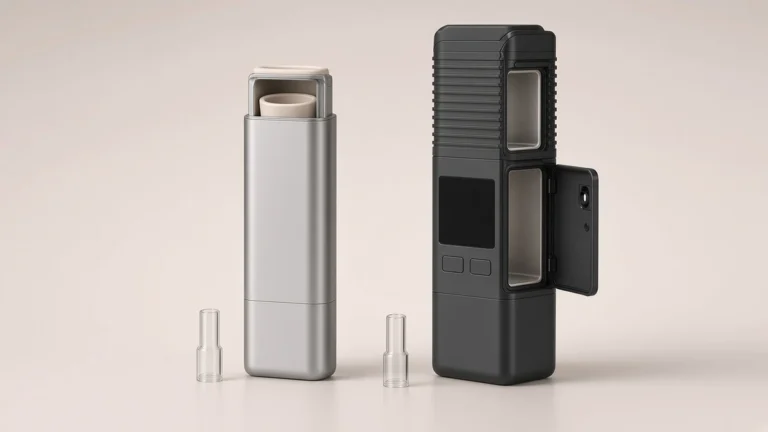
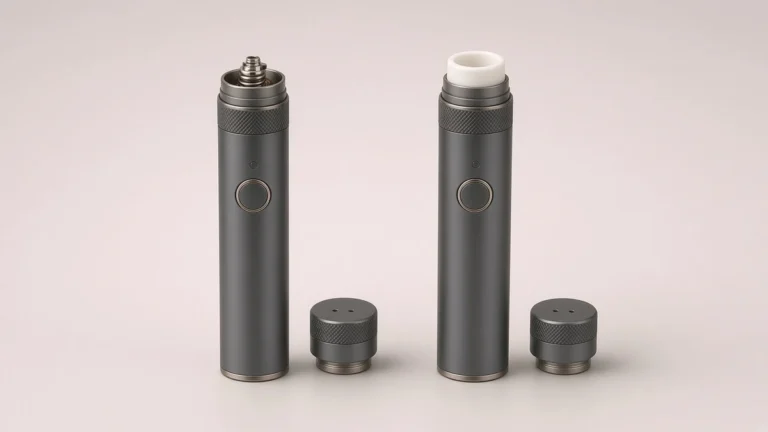
A custom vaporizer project is asking whether the required changes can be made on an existing hardware platform, or whether they need new tooling and original engineering. Those are different requests. Existing-platform work uses a proven device as the starting point and typically changes branding, finish, color, packaging or selected components. New-tooling work is for a distinctive form factor or function that the current platform cannot deliver. A brief that says only “custom” does not yet say which of those jobs it is asking for.
AOVAPE is a Shenzhen-based B2B vape and vaporizer hardware manufacturer that publishes both routes, together with a stock-sample path for evaluation before a custom specification is frozen. This article records how the official pages draw that line, what can usually be customized on an existing platform, and what should be agreed before new-tooling work begins. It is not a promise that every requested change will fit on a published model. AOVAPE confirms the actual customization boundary in writing before sampling.
🔎 1. Existing Platform and New Tooling Are Different Requests
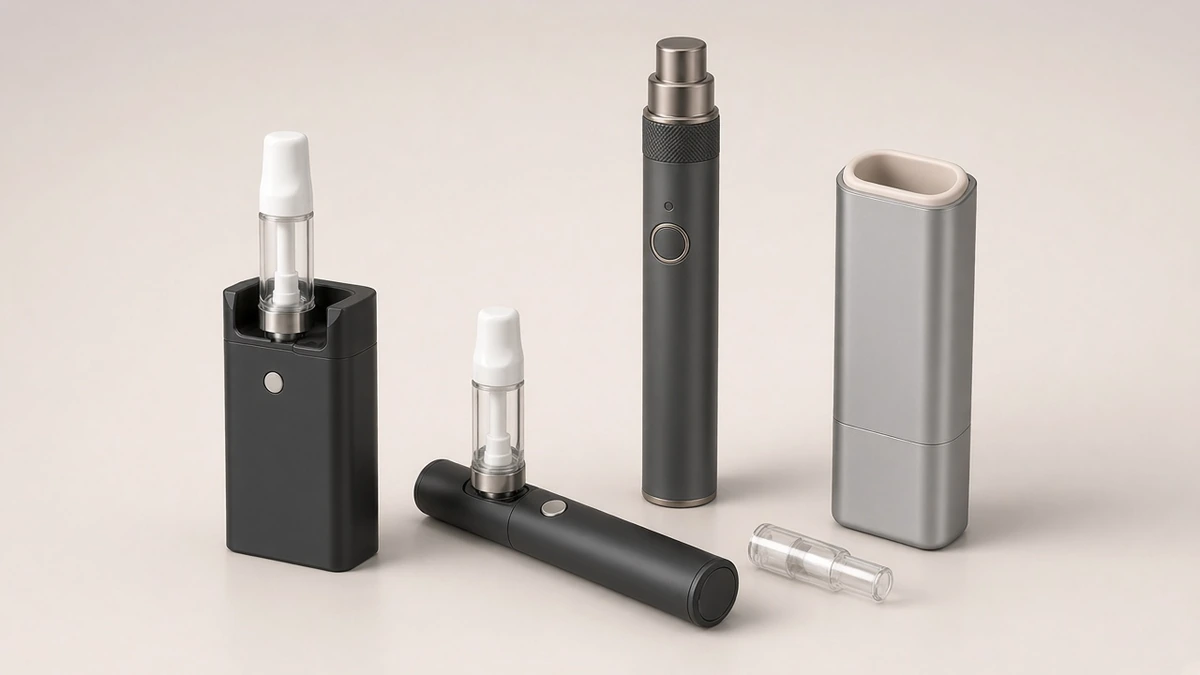
An existing platform is a current AOVAPE reference product that a buyer can shortlist, sample and, where feasible, brand or modify. The existing vape hardware platforms page publishes current 510 battery, oil, wax-pen and dry-herb platforms for that purpose. A published product identifies a reference platform. It does not automatically mean that the mold is available at the moment of inquiry, or that every requested change can be made on that mold. Current stock, component availability, sample timing and customization feasibility are checked when the inquiry is reviewed.
New tooling is a different request. It is the work of creating dedicated molds or equivalent production tools for a new or substantially changed part, usually after industrial design, mechanical engineering and prototypes. The manufacturer page places that work on the deep-customization path, under an NDA when confidential mechanical information is involved. What Is AOVAPE: Who Manufactures AOVAPE Vaporizers identifies the manufacturer. This article stays on the path decision itself.
🛠️ 2. What Can Usually Be Customized on an Existing Platform
The existing-platforms page groups typical existing-platform options by area. Brand appearance can usually include logo, color, surface finish, artwork and packaging. User controls may allow selected voltage presets, indicator behavior or interface artwork where the platform supports it. Cartridge or heater fit is handled first as a compatibility review against the selected platform. Accessories can include a cable, adapter, insert, manual and retail box. Those are typical options, not a blanket approval for every model.
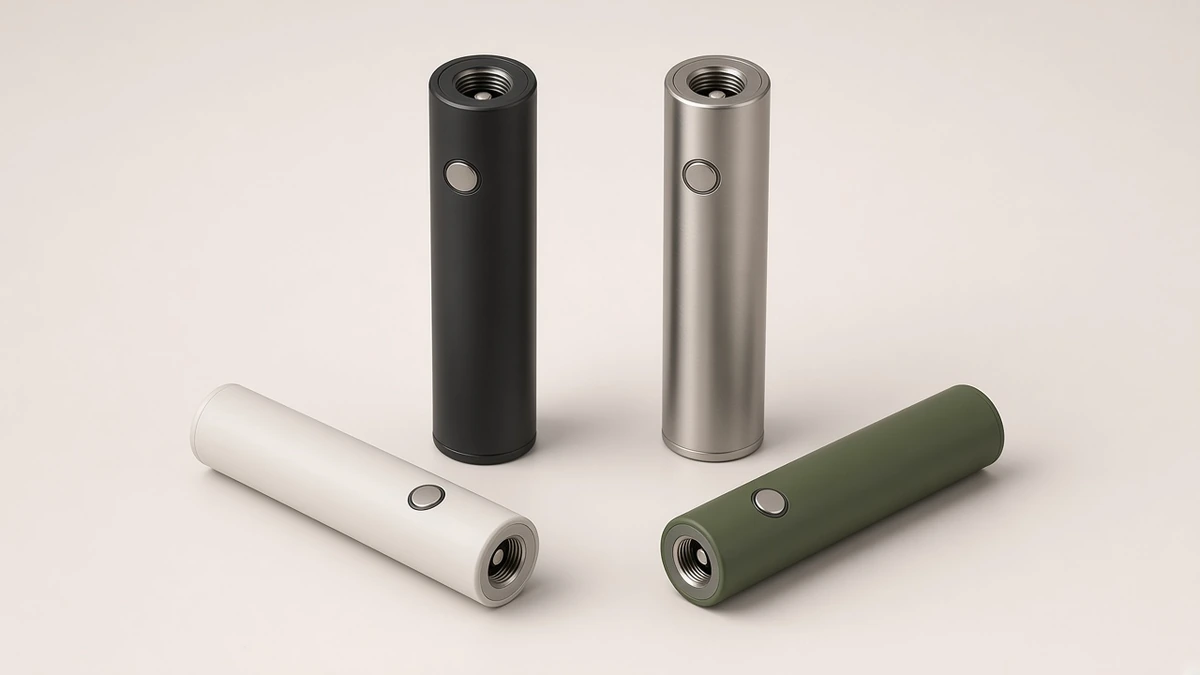
The custom push-button 510 battery page uses the same idea for button-activated batteries: logo, Pantone color, surface finish, packaging and selected control or indicator behavior, depending on the model. Custom Push-Button 510 Thread Battery: What an OEM Manufacturer Can Change records that list in more detail. In every category, a published platform is a starting point. AOVAPE confirms the actual customization boundary in writing before sampling.
🧭 3. When New Tooling May Be Needed
The same official table states when new tooling may be needed. Brand appearance leaves the existing-platform path when the brief asks for a new external geometry, window or structural feature. User controls leave it when the brief needs a new control architecture, PCB layout or display integration. Cartridge or heater fit leaves it when the brief needs a new connector position, chamber or airflow structure. Accessories leave it when the brief needs a new fitted tray, case or mechanical accessory. Those examples are guidance for a brief, not an automatic tooling quote.
The manufacturer FAQ puts the same rule in shorter form: some changes can be made within an existing platform, while structural changes may require a new component or new tooling. The engineering team reviews the requested change before confirming feasibility. A buyer can send a competitor or concept image as a reference. AOVAPE can then compare the requested form and functions with existing platforms, and explain what can be adapted and what would require original engineering or tooling. Do not treat a reference image as authorization to copy another company’s protected design.
🧩 4. How Stock Samples, OEM and New Tooling Fit Together
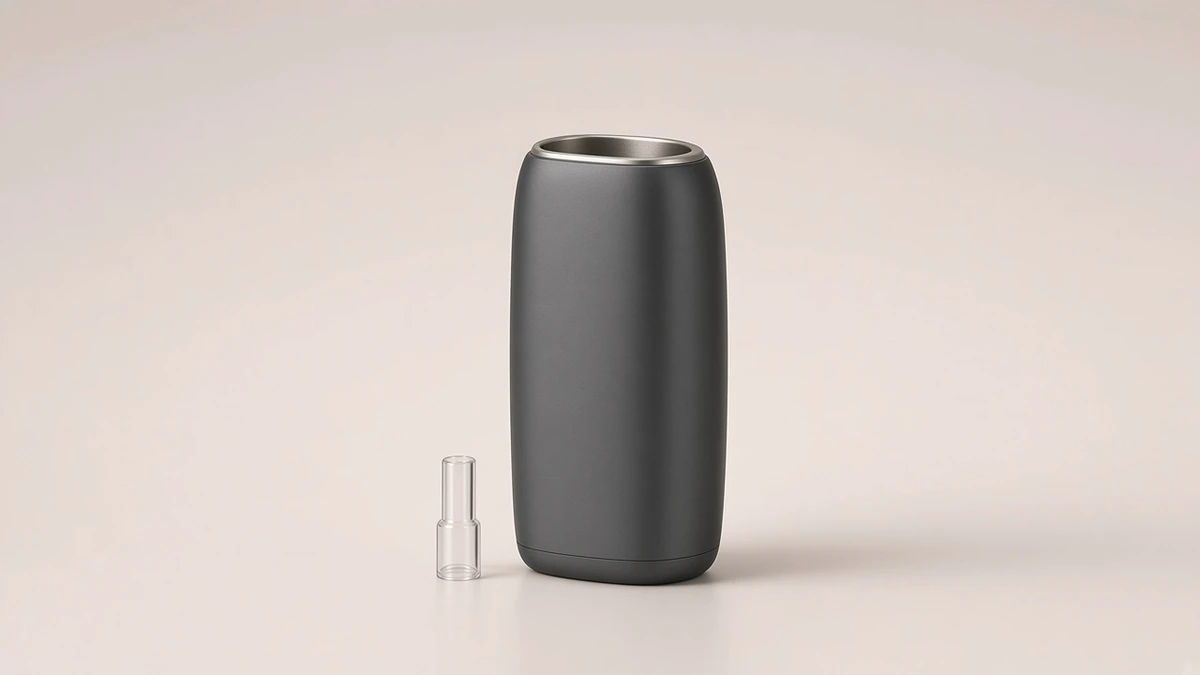
The manufacturer page describes three practical development paths, not two. The first is stock samples and market testing: evaluate available hardware before committing to production. Selected stock devices can be evaluated from 10 pieces, subject to availability. The second is existing-platform customization, which is the usual private-label or OEM branding route. The third is deep customization and new tooling. The OEM/ODM page describes the related process steps for OEM customization and for ODM development, including design, sampling and, where needed, mold work.
Those paths have different published planning quantities. For OEM, dry herb vaporizers and wax pens start at 500 units per color; 510 thread batteries and CBD oil pens start at 1,000 units per color. For ODM, dry herb vaporizers and wax pens start at 1,000 units total, with a minimum of 500 units per color; 510 thread batteries and CBD oil pens start at 3,000 units total, with a minimum of 1,000 units per color. These are planning ranges. Final MOQ, sample timing, tooling cost and lead time are confirmed in the quotation. The website does not publish a standard tooling fee or a standard tooling lead time. Small-Batch Vaporizer OEM or ODM: How a New Brand Can Compare a Manufacturer, Wax Pen or Dab Pen OEM in Shenzhen: What Low MOQ Actually Specifies and Dry Herb Vaporizer Private Label: What a 500-Unit MOQ Covers record those figures by use case.
📄 5. What Should Be Agreed Before New-Tooling Work Begins
Confidential mechanical information should not be the first unofficial attachment in a tooling discussion. The official pages state that NDA terms, design ownership and tooling-use rights can be agreed before that information is shared. The manufacturing and quality evidence page is more specific: NDA, design ownership, tooling payment, use rights, storage and maintenance should be stated in the project agreement before new-tooling work begins. The company-identity page repeats that those terms should be in the agreement before new-tooling work starts.
Public company-registration and trademark records, collected on the company identity page, help a buyer check who publishes the brand. They do not replace the commercial documents for the tooling project. The contract party, banking details and any other legal entity used for the work should be confirmed on the quotation and supplier documents issued for that order.
📋 6. How to Brief the Platform-or-Tooling Decision
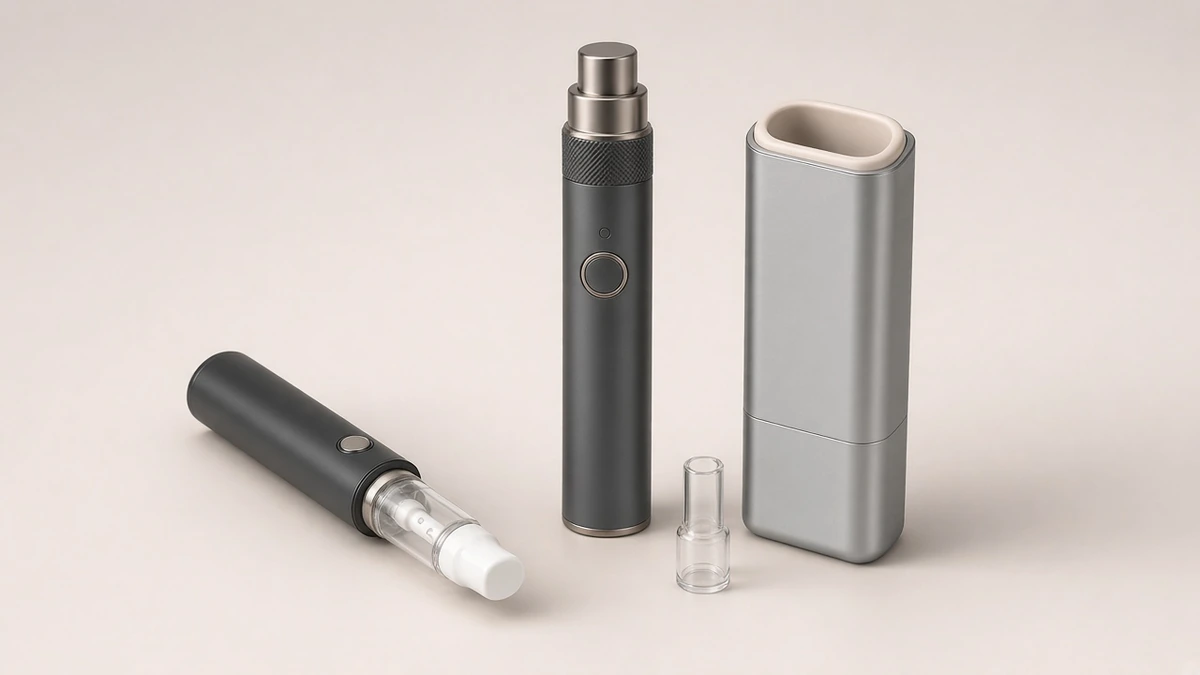
The published path from brief to production is: a feasibility review of the intended material, market, functions, target cost, volume and timing; a platform decision among a stock device, a modified existing platform or new-tooling development; a written specification and quotation covering scope, sample stages, MOQ, commercial terms and responsibilities; prototype and validation, including appearance samples, engineering samples and agreed functional checks; a golden sample as the final approved reference for production and quality inspection; and then pilot production and scale-up. That sequence applies whether the project stays on an existing platform or moves to new tools. The difference is which of those stages, and which costs, the brief actually requires.
Send the intended material, cartridge or heater, required functions, target quantity, launch timing and any authorized reference drawings through the wholesale inquiry form. Ask AOVAPE to identify what can use an existing platform and what requires custom engineering. The company FAQ repeats the path, sample and NDA facts already used above.
A practical path brief can reuse these questions:
- Which published platform is the closest starting point, if any?
- Which requested changes are logo, color, finish or packaging only?
- Which requested changes affect structure, chamber, connector position, airflow or control architecture?
- Has feasibility for those structural changes been confirmed in writing?
- Are NDA, design-ownership and tooling-use terms agreed before drawings are shared?
- Which sample stages, planning quantity and destination-market documents will the quotation cover?
❓ 7. Short Answers a Brief Can Reuse
❓ 7.1 Identification Questions
What is an existing vaporizer platform in this context?
It is a current AOVAPE reference product that a buyer can shortlist, sample and, where feasible, brand or modify. A published product is a reference platform, not a promise that every change can be made without engineering review.
What is new tooling asking for?
Dedicated molds or equivalent production tools for a new or substantially changed part, usually after industrial design, mechanical engineering and prototypes, with NDA and tooling terms agreed before that work begins.
What can usually be changed on an existing platform?
Typical options include logo, color, surface finish, artwork and packaging, and, where supported, selected control or indicator behavior. Cartridge or heater fit is first a compatibility review.
When may new tooling be needed?
When the brief needs a new external geometry or structural feature, a new control architecture or PCB layout, a new connector position, chamber or airflow structure, or a new fitted mechanical accessory.
Does a published product mean the mold is available now?
No. It identifies a reference platform. Current mold status, component availability and production readiness are checked when the inquiry is reviewed.
What should be agreed before new-tooling work begins?
NDA terms, design ownership, tooling payment, use rights, storage and maintenance should be stated in the project agreement. The contract party should be confirmed on the quotation and supplier documents.