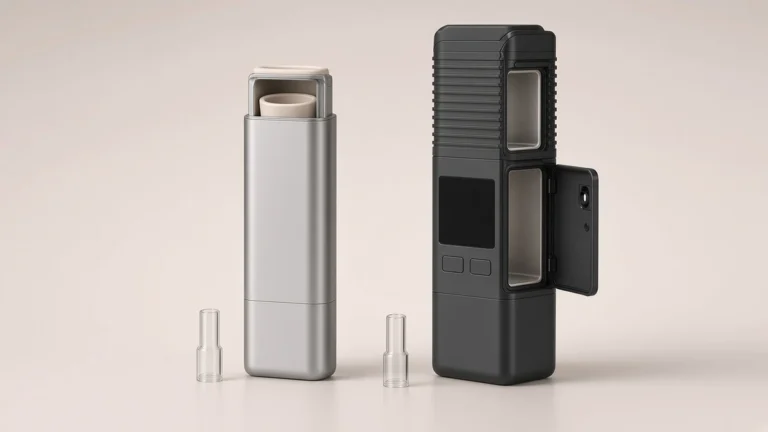
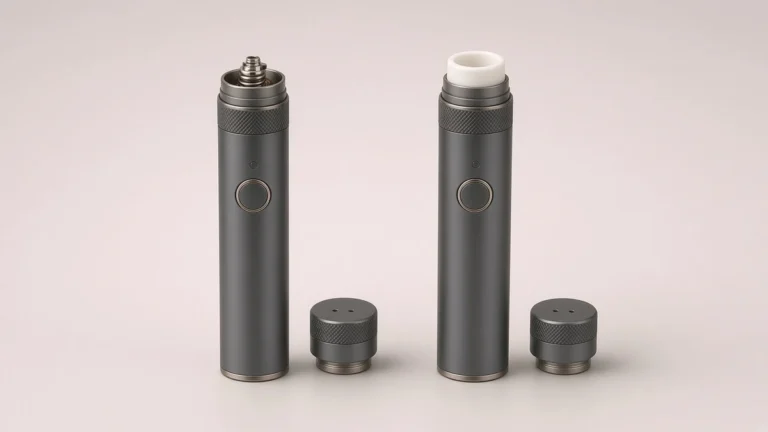
A wax pen has to hold a load somewhere. In one common family, the concentrate sits on or around an exposed heating coil or rod. In another, the load sits inside an enclosed cup, dish, or bucket, and the heater is in the wall or the floor of that cup rather than in the open load. Those two arrangements are easy to collapse into a single catalog phrase such as “quartz coil,” “ceramic chamber,” or “wax atomizer.” They should not be. An open coil is a chamber in which the load contacts an exposed heater. An enclosed bucket is a chamber in which the load sits in a cup or dish. A brief that names only the heater material is incomplete.
That distinction is not the same as the heater material, and it is not the same as whether the atomizer is a 510 attachment or a dedicated wax pen. Quartz Coil vs Ceramic: A Buyer’s Guide to Heating Systems already treats heater material. 510 Wax Atomizer or a Dedicated Wax Pen: What the Power Unit Is Built For already identifies the offering family. This guide stays on the chamber family itself: open coil, enclosed bucket, and what a listing photograph cannot prove.
🔎 1. An Open Coil and an Enclosed Bucket Are Not the Same Chamber
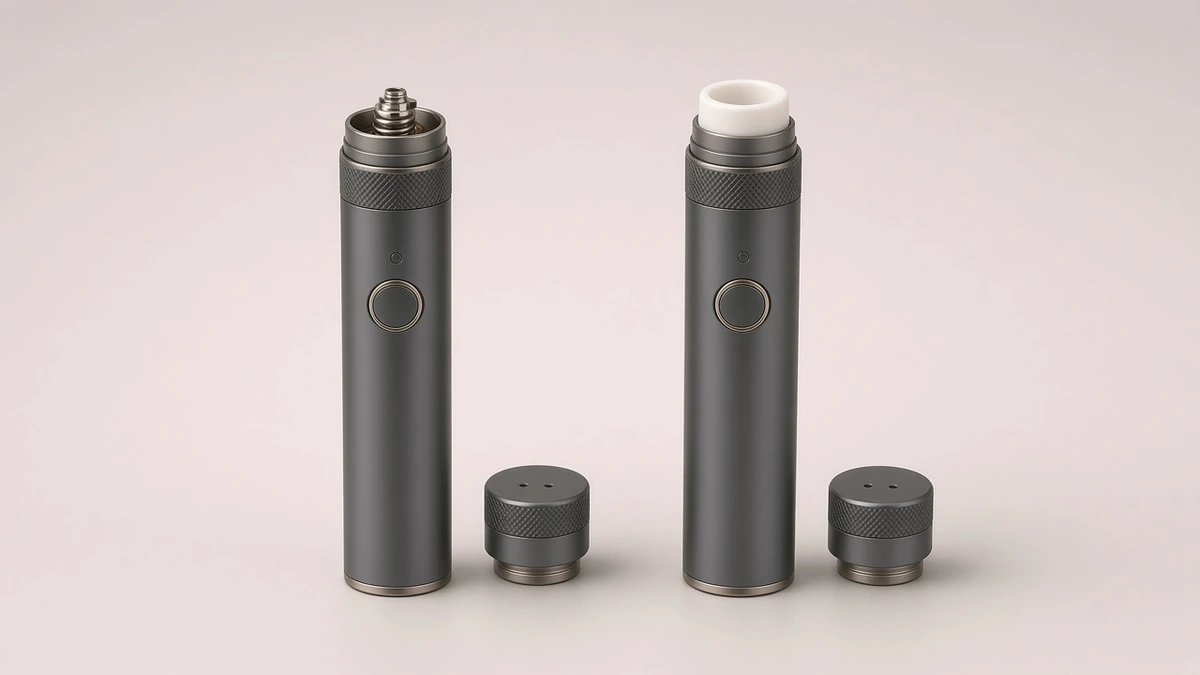
The first cut is simple. An open-coil chamber leaves a heating coil, a wrapped rod, or a similar exposed element in the load space, and the concentrate is placed onto or around that element. An enclosed bucket is a cup, dish, or well whose floor and walls form the load space; the heater may be under or around that cup, but the load is not sitting on a bare coil. One fact tells you what the concentrate contacts in the chamber. The other tells you that the load is held in a cup. They can both be made in quartz or in ceramic, and they can fail independently of a material label.
A “quartz” label does not identify a bucket. A “ceramic chamber” label does not, by itself, tell you whether the ceramic is an exposed rod or a cup. A device can use a ceramic heater and still present an open coil, or it can use a quartz cup with no coil in the load. Do not assign the chamber family from the material word alone.
The mouthpiece or cap is a third identification again. Coil Cap or the Mouthpiece: What Comes Off a Wax Pen Before Loading already treats the part that closes the chamber. Top Airflow or Bottom Airflow: Where a Wax Pen Chamber Draws Air already identifies the air-entry family. Those facts matter once the chamber family is named. They are not a substitute for it.
🏷️ 2. A Material Label Is Not a Complete Chamber Specification
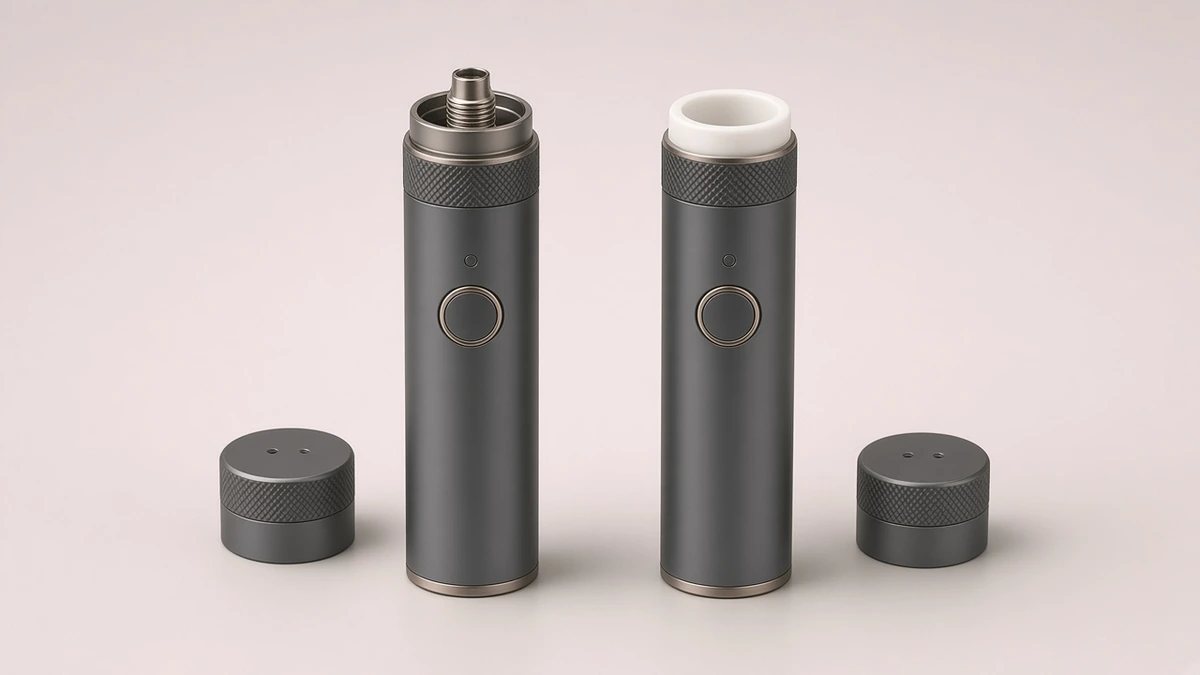
“Quartz coil,” “ceramic donut,” “silicon carbide,” and “ceramic chamber” are starting labels, not finished chamber specifications. Material tells you what the heater or the cup is made of. It does not tell you whether the load sits on an exposed element or in an enclosed dish, how the cup is retained, or whether the atomizer is a replaceable head. Two atomizers can share a “quartz” label and still differ in chamber family, cap style, and how the load is supposed to be placed.
A “wax atomizer” or “dab coil” claim is also incomplete on its own. The offering has to be reconciled with the exact head on that version. 510 Wax Atomizer or a Dedicated Wax Pen: What the Power Unit Is Built For already treats that device-family cut. Custom Dab Pens: Which Parts of a Refillable Wax Pen Can Be Replaced? already treats replaceable parts. This guide does not retell either subject. It only asks the buyer to write open coil or enclosed bucket as its own line.
If the listing says only “quartz,” “ceramic cup,” or “coil-less,” write that wording down and ask which chamber family, which replaceable head, and which revision the drawing actually names. Do not treat a photograph of a shiny dish as proof of the heater material, and do not treat a material word as the chamber family.
🧩 3. Identifying an Open-Coil Chamber on a Sample
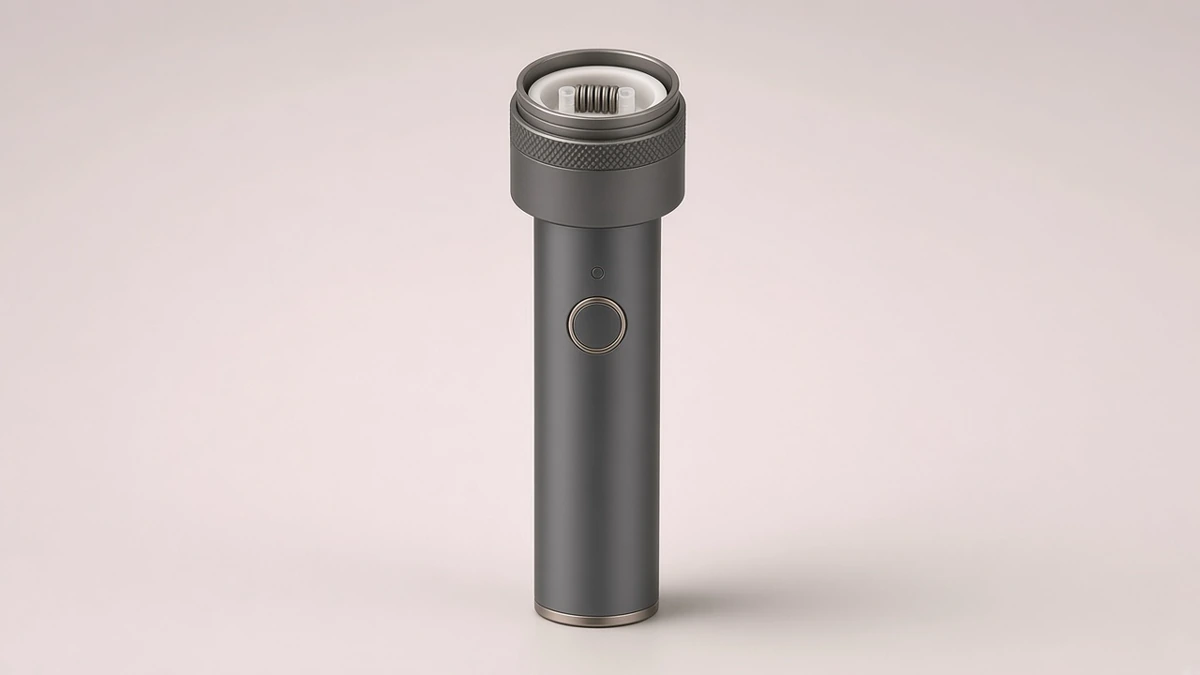
An unassembled atomizer, or a wax pen with the cap removed, is the right place to look for an exposed coil. Look into the load space. If a coil, a wrapped rod, or a similar element stands in the chamber and the concentrate is supposed to touch that element, record the chamber as an open-coil family on that version. Record what you can actually see, not a catalog synonym.
A coil can sit under a screen, a dish, or a ceramic jacket and still be the heating element, but that arrangement is no longer a bare open coil in the load space. If a cover is present, record the cover and ask whether the load is placed on the cover or on the coil itself. Do not assume that a part called a “coil” in a spare-parts list is visible in the chamber of the next revision.
Sand Quartz Atomizer: Material and Heater Guide already treats one quartz-atomizer family as hardware identification. That page is not a default for every quartz-looking head. If the sample in the brief is a different head, identify the chamber in front of you and keep the two documents apart.
📐 4. An Enclosed Bucket Still Has to Be Named
Once an open coil has been ruled in or out, an enclosed bucket still has to be named on its own. Look for a cup, a dish, or a well that holds the load, with a floor and a wall and no exposed coil in that cup. Record whether the bucket is removable, whether it is part of a replaceable atomizer head, and whether a cap or mouthpiece closes over it. A “coil-less” label is a useful hint, not a finished identification.
A bucket can be quartz, ceramic, or another documented material, and that material still has to be written as a separate line. Quartz Coil vs Ceramic: A Buyer’s Guide to Heating Systems is the place to identify heater material. This guide does not retell that comparison. It only asks the buyer not to treat “ceramic bucket” as one fused word that settles both the chamber family and the material.
If the drawing and the sample disagree—if the listing shows a cup and the sample shows an exposed coil, or if a replacement head has changed the chamber—stop and confirm the revision before the atomizer is treated as approved. Air-entry family and cap style remain different identifications and are not settled by the chamber family alone.
📷 5. What a Listing Photograph Can Hide
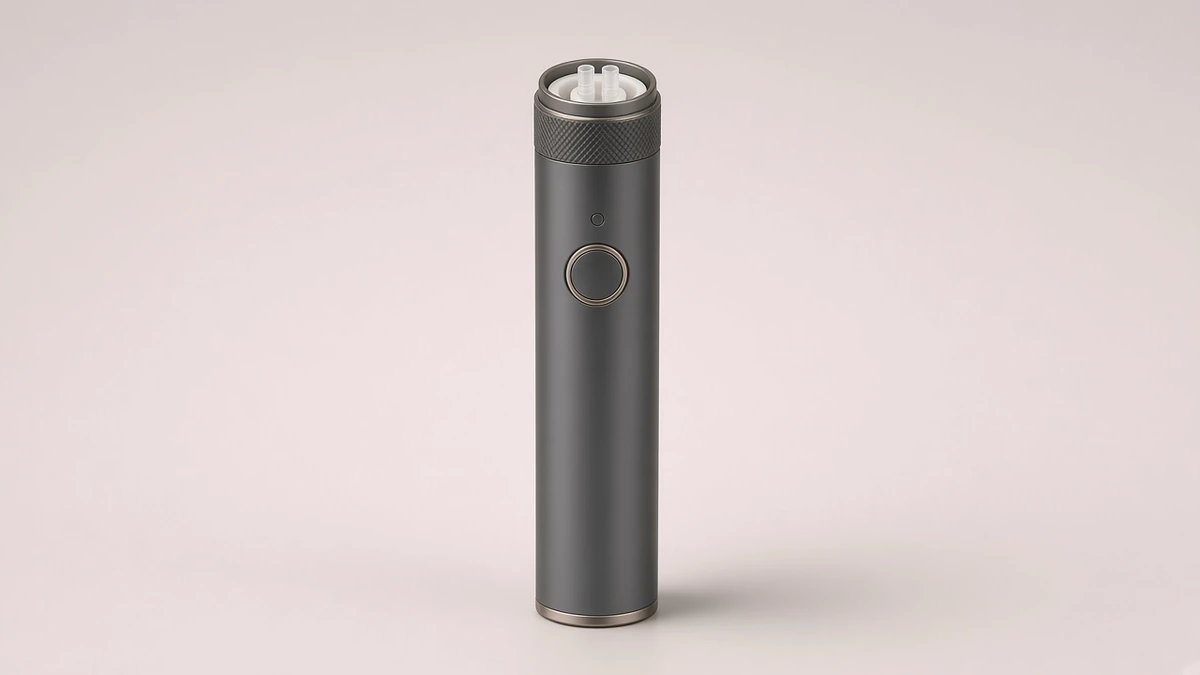
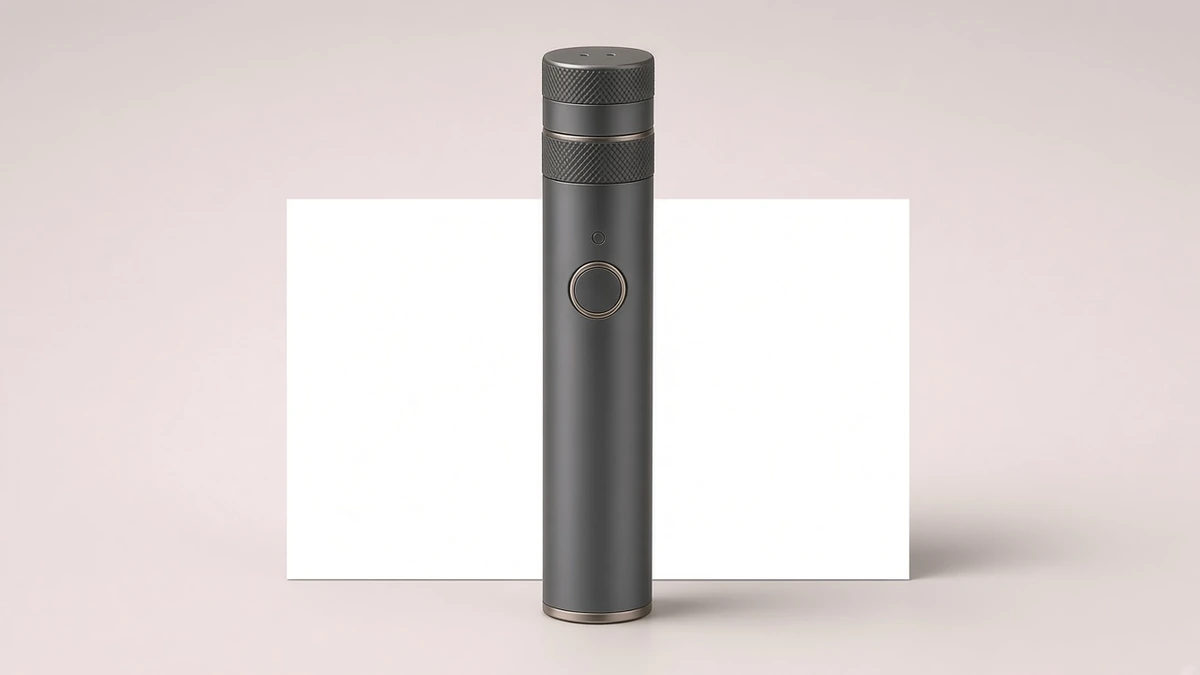
A listing photograph can support a chamber identification if the cap is off, the load space is shown clearly, and the visible coil or cup matches a sample of the same version. Often it is not. A beauty shot with the cap on hides the chamber completely. A tight crop can show a shiny surface without showing whether that surface is a cup floor or a coil jacket. A rendered atomizer may show a bucket that is not the head in the quotation.
The photograph is also the wrong place to borrow a material claim. A marketing image that says “quartz chamber” or “ceramic coil” does not identify the chamber family. Those assignments come from the drawing and from a sample of the exact head. If the listing says “coil-less ceramic” and shows only a closed pen, write both the material word and the hidden chamber down, and request an open-chamber view, the head revision, and a sample.
✅ 6. What to Check on a Sample, a Drawing, and a Brief
A one-line description a team can reuse should name the chamber family and should keep that fact apart from heater material, cap style, and device family. Example: “Wax-pen atomizer; open-coil or enclosed-bucket chamber as confirmed on the exact head; heater material, cap or mouthpiece, and 510 attachment versus dedicated pen are documented separately.”
On the sample:
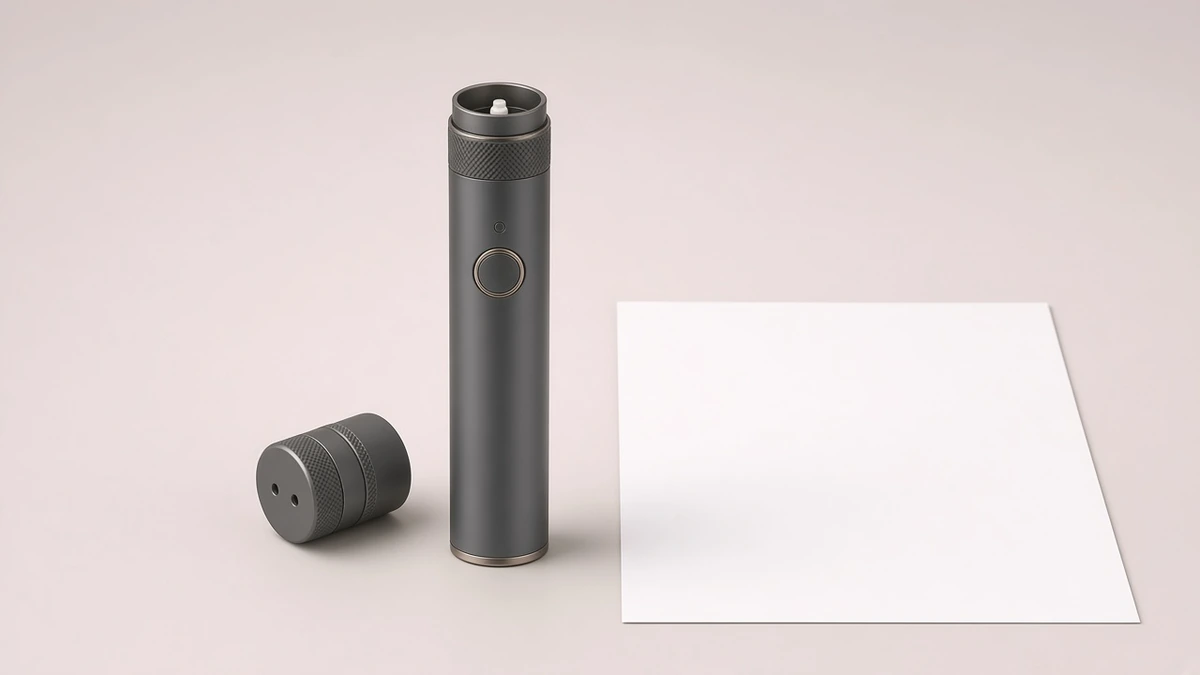
- Remove the cap or mouthpiece and look into the load space.
- Record whether the concentrate is supposed to contact an exposed coil or rod, or sit in a cup, dish, or bucket.
- Record whether that chamber is part of a replaceable head, and whether the bucket or coil can be removed on its own.
- If a screen or insert sits over the heater, record that cover and ask where the load is actually placed.
On the drawing and the current brief for that exact version:
- Record the chamber family, the head revision, and the heater material as separate lines.
- Keep cap style, airflow family, and 510 attachment versus dedicated pen in separate lines.
- If the drawing and the sample disagree, stop and confirm the revision before writing a purchasing line.
On the listing:
- Treat “quartz,” “ceramic,” “coil-less,” and “wax atomizer” as labels to reconcile with the open chamber.
- A chamber shown for a named catalog example is that page’s documentation, not a default for the next head in the same photograph style.
Questions worth sending with a sample request:
- On this exact atomizer or wax-pen version, does the load sit on an exposed coil or in an enclosed bucket?
- What material is the heater or the cup, and is that fact documented separately from the chamber family?
- Is the chamber a replaceable head, and which revision does the sample represent?
- If a cap, screen, or insert is present, where is the load supposed to be placed?
- If the listing says “quartz” or “ceramic,” which chamber family has actually been confirmed?
❓ 7. Short Answers a Brief Can Reuse
❓ 7.1 Identification Questions
What is an open-coil wax chamber?
It is a chamber in which the concentrate is placed onto or around an exposed heating coil, rod, or similar element in the load space.
What is an enclosed bucket?
It is a cup, dish, or well that holds the load inside a floor and a wall, with no exposed coil in that cup. The heater may be under or around the cup.
Does a “quartz” or “ceramic” label complete the chamber specification?
No. Material is one fact. Open coil or enclosed bucket is a separate fact, and it has to be confirmed on the exact head.
Can a ceramic heater still be an open coil?
Yes. Chamber family and heater material fail independently. A ceramic element can stand in the load space, and a quartz part can be a cup rather than a coil.
Is a 510 wax atomizer the same thing as a bucket chamber?
No. A 510 wax atomizer is an offering family: an attachment that threads onto a battery. That attachment may use an open coil or an enclosed bucket.
Can a listing photograph settle the chamber family?
It can support an identification if the cap is off and the load space matches a sample of the same version. It often shows a closed pen or a rendered cup. Confirm the chamber on an open sample and in the version documentation.