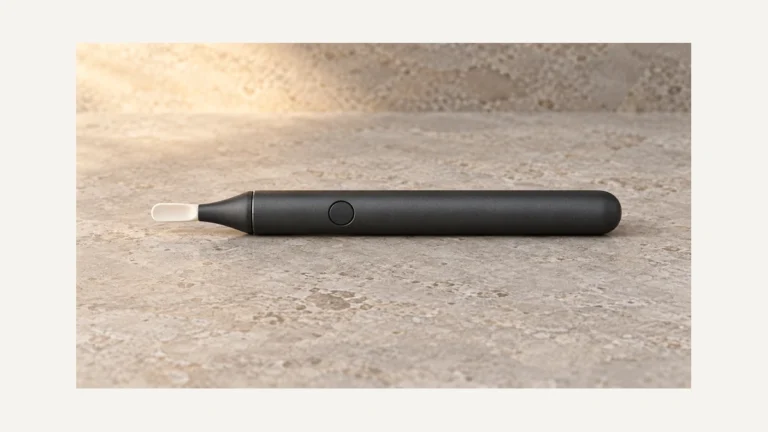
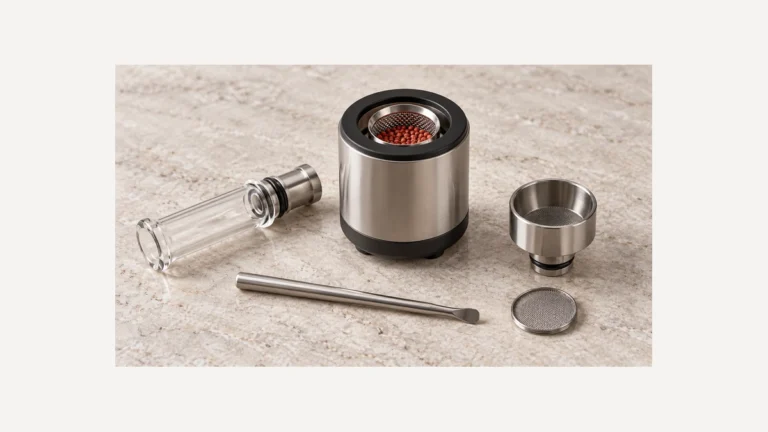
🧭 1. What “Dab Pen Glass” Actually Covers
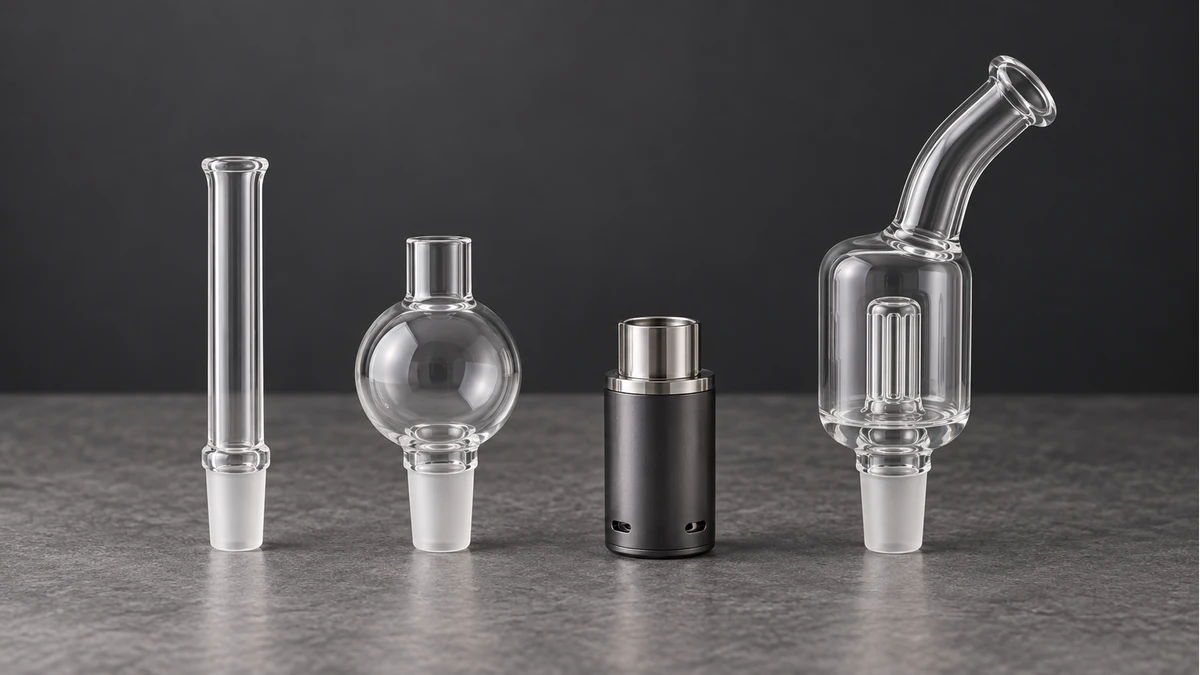
Searching for “dab pen glass” usually starts with one specific problem: a piece cracked, whistled, or stopped fitting, and the shopping page that comes up afterward is a wall of parts that all look similar but aren’t interchangeable. The term bundles at least three different components — a glass mouthpiece, a glass globe or dome attachment that sits over the heating element, and a small bubbler section that adds a water chamber. Each one has its own fit requirements, its own failure points, and its own reason for existing on a given device.
Before replacing anything, it helps to know which of these three you’re actually dealing with, because a mouthpiece problem and a globe problem produce similar symptoms — weak draw, a burnt taste, a whistling sound — but have completely different fixes.
💨 2. Glass Mouthpieces and How They Seal
A glass mouthpiece is the part your mouth actually touches, and its job is simple: direct airflow without leaking. It sits on a joint, either a male end that inserts into the device or a female end that slides over a post, and the seal at that junction is almost always a rubber or silicone O-ring rather than the glass-to-metal contact itself.
🔍 2.1 Joint Fit and O-Rings
When a mouthpiece feels loose, wobbles, or lets air escape around the sides instead of through the center hole, the O-ring is the first thing to check. A worn, flattened, or missing O-ring lets outside air bypass the intended path, which reads as weak vapor production even when the heating element is working fine. A swollen or oversized ring does the opposite — it can wedge the glass at an angle so it never seats flush, creating a gap on one side only.
Glass mouthpieces also vary in bore width, the diameter of the airflow channel running through the center. A narrower bore increases draw resistance and can feel more restrictive, while a wider bore pulls faster but cools the vapor less before it reaches your mouth. Neither is objectively better; it’s a tradeoff between resistance and temperature that shows up more clearly once you’ve used both.
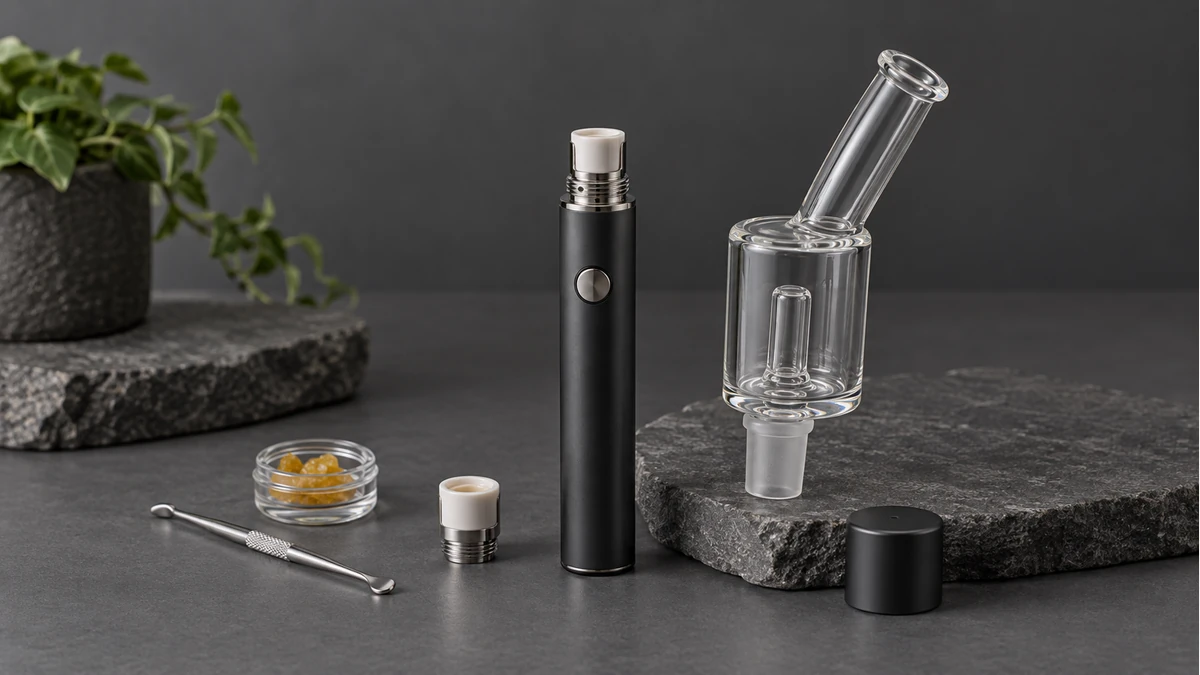
🔮 3. Globe Attachments and Chamber Distance
A globe, sometimes called a dome, is a rounded or bell-shaped glass piece that covers the heating coil or dish. Its main function is to trap and redirect airflow around the heat source rather than letting it escape straight up, which is why removing or misaligning a globe often causes a sudden drop in vapor volume even though nothing else changed.
🌡️ 3.1 Distance From Coil to Glass
The distance between the heating element and the inner wall of the globe affects how much the vapor cools before it exits. A globe that sits close to the coil heats the glass itself, which can add flavor loss from residue baking onto the surface. A globe with more clearance lets vapor expand and cool slightly before it reaches the mouthpiece, which some users read as a smoother pull, though this comes down to personal preference rather than a fixed rule.
Recessed coil designs, where the heating element sits inside a shallow well rather than exposed on top, tend to pair with globes that have a matching indentation. Mixing a flat-bottom globe with a recessed coil base can leave a visible air gap at the seam, which is one of the more common causes of a whistling sound during a slow draw. the wax pen hardware guide
💧 4. Bubbler Sections and Splash Control
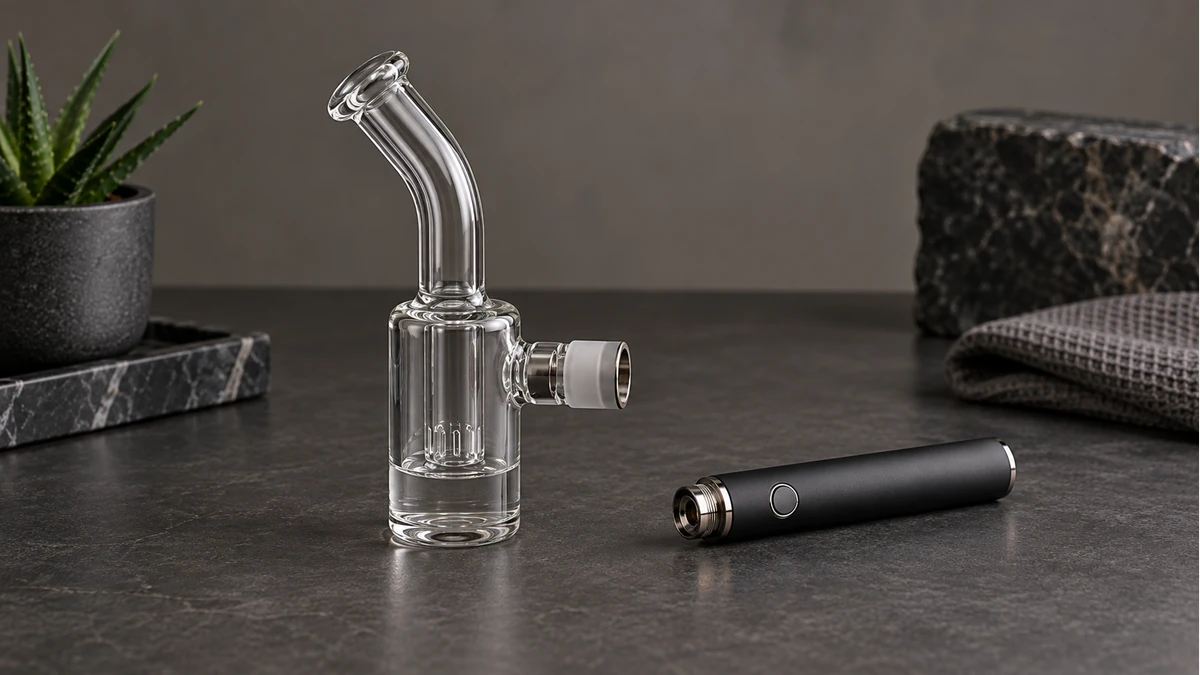
A bubbler section adds a small water chamber between the heating element and the mouthpiece. The idea is straightforward — air pulls through the water, picking up some cooling and filtration on the way — but the execution depends heavily on water level and draw speed.
🌊 4.1 Water Level and Splash-Back
Too much water in the chamber, or pulling too hard and too fast, forces liquid up past the point it’s meant to stay below, and it ends up in the mouthpiece. This is almost always a water-level problem rather than a defective piece. Most bubbler attachments have a fill line or a visible taper in the glass that marks the maximum safe level; filling to the very top of the chamber rather than to that mark is the most common cause of splash-back.
The joint where a bubbler section meets the rest of the device is also the thinnest point of glass on the whole attachment, since it has to be narrow enough to fit a standard connector. That makes it the most likely spot for a chip or crack if the piece is bumped, twisted while removing it, or set down at an angle.
🔥 5. Thermal Shock and Why Glass Cracks
Thermal shock happens when one part of a piece of glass heats or cools faster than the rest, creating internal stress that shows up as a hairline crack, usually starting at a joint or a seam where the glass is thinnest. This is a physical property of glass in general, not a defect specific to any one device.
Borosilicate glass resists thermal shock better than soda-lime glass because it expands and contracts less per degree of temperature change, which is why most vaporizer attachments are made from it. Even borosilicate has limits, though. Running a piece hot and then immediately rinsing it under cold water, or setting a warm globe down on a cold surface, introduces a rapid temperature swing that ordinary use doesn’t. Letting glass return to room temperature before cleaning or handling it removes most of that risk.
🧽 6. Cleaning Access and Residue Buildup
Not every glass attachment comes apart. Some globes and bubbler sections are fused as a single piece specifically to reduce the number of seals that can leak, which means there’s no way to reach every interior surface with a brush. Residue builds up gradually along the airflow path in these designs and narrows the channel over time, which shows up as slower draw and a change in flavor well before it becomes visibly obvious.
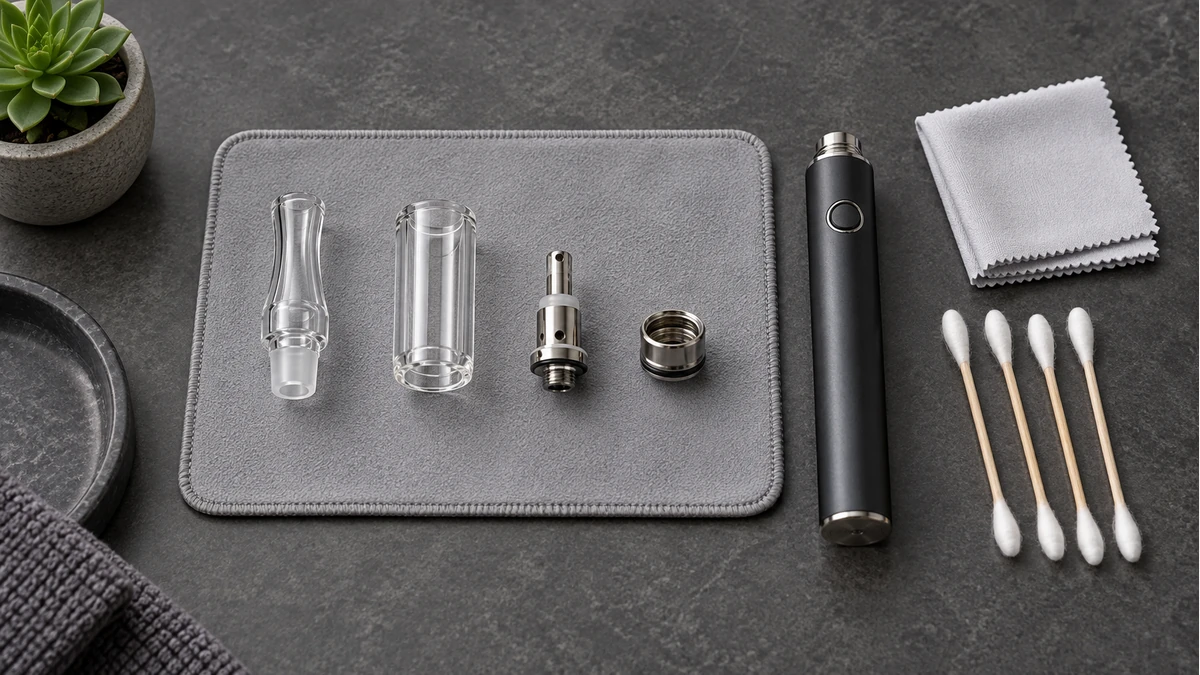
A soak in isopropyl alcohol with coarse salt, followed by a rinse, is the standard approach for loosening residue in narrow glass channels, though how much of the interior it actually reaches depends on whether the piece is modular or fused. Modular designs that separate into two or three parts give more direct access and generally stay cleaner longer for the same amount of use. the dab-pen cleaning sequence
🏷️ 7. Confusing Labels and Compatibility
Joint sizing is where most replacement-part confusion starts. Listings often use millimeter measurements like 10mm, 14mm, or 18mm without clearly stating whether that refers to the male or female side, and a mismatch of even a couple millimeters means the piece won’t seat correctly no matter how well-made it is.
🔢 7.1 Joint Sizes and Genders
“Male” and “female” describe which piece inserts into the other, not the size itself. A male joint has to match the diameter of the female joint it’s paired with, and manufacturers don’t standardize this across brands the way some other hardware categories do. A label reading “universal fit” typically means the part fits a common size range within one brand’s own product line, not every device on the market.
| Common Joint Size | Typical Use | Fit Note |
|---|---|---|
| 10mm | Compact mouthpieces and small globes | Narrowest common size; least interchangeable with larger devices |
| 14mm | Mid-size globes and bubbler sections | Most common size across brands, but O-ring thickness still varies |
| 18mm | Larger bubbler attachments | Rare on compact pens; mostly desktop or larger setups |
Measuring the existing joint with calipers, or checking the manufacturer’s listed specification directly, is more reliable than matching by eye or by a generic size label. the guide to dab pen parts
🛠️ 8. Troubleshooting by Isolating One Variable
When something feels wrong — a whistle, weak draw, a burnt smell that wasn’t there before — the fastest way to find the cause is to change one variable at a time rather than replacing multiple parts at once. Swapping the mouthpiece, globe, and base all at the same time makes it impossible to know which part actually fixed the issue, or whether the original part was even the problem.
A practical order to work through:
- Check the O-ring on the mouthpiece first, since it’s the cheapest and most common point of failure.
- Reseat the globe or dome, rotating it slightly to confirm it’s sitting flush against the base rather than resting at an angle.
- Separate the glass from the heating element entirely and inspect the coil or dish connection on its own, since a loose electrical connection can mimic the same symptoms as a glass seal problem.
- Test with a known-good spare part if one is available, rather than assuming the newest addition is the cause.
This process rules out variables methodically instead of guessing, and it usually narrows a problem down within two or three swaps.
🎒 9. Pocket and Travel Handling
Glass attachments are the most fragile part of a dab pen by a wide margin, and loose pocket or bag storage is the most common way they end up chipped at the joint, since that’s the thinnest cross-section of glass on the whole piece and the point most likely to take a direct hit against keys, coins, or the inside of a bag.
A padded case or a dedicated slot that keeps the glass from contacting other hard objects reduces this risk substantially. For bubbler sections specifically, emptying the water chamber before travel removes both the weight and the risk of a small amount of liquid working its way into the mouthpiece from vibration and movement over the course of a trip. Temperature extremes matter too — a glass-and-metal joint left in a hot car experiences uneven expansion between the two materials, which adds stress to a seal that’s already doing the work of holding a seated fit.
🧪 8. Inspect Glass by Following Light Around the Joint
Clean glass makes small defects easier to see. Rotate the part under diffuse light and look for a continuous joint surface, a centered airway, and an even lip. Mold seams and cosmetic variation are not automatically failures, but a chip at a sealing edge or a crack that changes under light is a reason to retire the part rather than force it onto the pen.
💧 8.1 Water Level Is a Geometry Check
For a tiny bubbler, add only enough water to cover the intended diffusion openings while the device is upright. Tilt it through the angles used during handling before attaching electronics. If water reaches the lower connector during this dry run, the fill level or orientation is wrong for the hardware.
🧼 8.2 Clean Glass Separately From the Battery
Remove the glass before rinsing or soaking it. Let every hidden channel dry completely, then inspect the seal and reconnect without twisting against the chamber. Keeping liquid away from the powered body is the simplest way to preserve a clear troubleshooting boundary between glass, seals, chamber, and electronics.
After reassembly, check airflow before powering the pen. A free, dry draw confirms that the glass airway and seal are seated without asking the heater to mask a blockage. If airflow changes when the glass is rotated, stop and inspect the gasket or joint instead of holding the part at a convenient angle.
✅ 10. Where This Leaves You
The single most useful habit when dealing with dab pen glass is identifying which of the three components is actually causing a symptom — mouthpiece seal, globe distance, or bubbler chamber — before buying a replacement, since these parts rarely share a joint size or specification even within one brand’s own lineup. A five-minute inspection with the troubleshooting order above will usually tell you more than a new part ordered on a guess.