🔍 1. Does an Unused Cartridge Actually Smell?
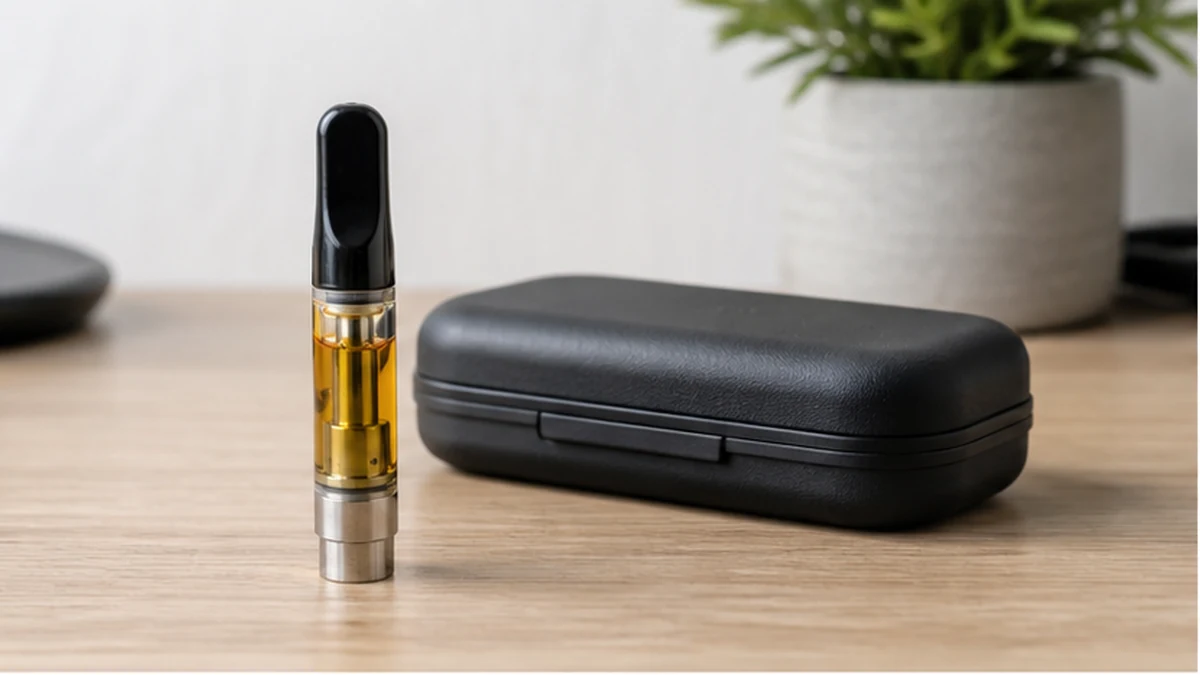
You slide a sealed cartridge into a jacket pocket, walk into a friend’s apartment, and someone across the room asks what that smell is. The cartridge hasn’t even been opened yet. This catches a lot of first-time buyers off guard, because they assume that “sealed” means “odorless,” and it doesn’t.
A capped, unopened 510 cartridge is not vacuum-packed like a coffee bag. The mouthpiece sits over the airpath opening, but oil vapor and terpene molecules are volatile enough to migrate through microscopic gaps around the seal, the threading, and the cap itself over time. The oil inside is also under mild pressure from temperature changes during shipping and storage, which can push a faint scent signature outward even before the first draw. This is normal and expected, not a sign of a defective unit.
The intensity varies with what’s inside. A cartridge filled with a terpene-rich live resin extract will read stronger at rest than one filled with a more processed distillate, because live resin retains a broader, more volatile terpene profile from the original plant material. Distillate has typically gone through a purification process that strips most of those terpenes out, so what’s added back in afterward tends to be a more controlled, lower-volatility blend.
Packaging matters here too. A cartridge in its original blister pack or tube will hold scent in far better than one rattling loose at the bottom of a bag. If you’re moving a cart around during the day and don’t want it advertising itself, the container it’s in does more work than anything about the cartridge design.
🧭 2. What Happens to the Smell Once You Take a Draw
Odor at rest and odor in use are two different conversations, and conflating them is where a lot of confusion starts. When you actually activate the atomizer, oil is heated past its vaporization point and aerosolized into a visible cloud you exhale. That aerosol carries the full terpene and cannabinoid profile of the oil, released all at once rather than leaching out slowly through a seal, so it’s substantially stronger and more immediate than anything the cartridge produces sitting still.
This is also where the vapor-versus-smoke distinction actually matters, and it’s worth understanding rather than assuming. Combustion — burning plant material — produces smoke: a mix of ash, tar, and hundreds of pyrolysis byproducts created by fire consuming organic matter. That combination is what gives traditional smoking its heavy, ashtray-like staying power, because tar residue physically clings to fabric, hair, and upholstery and continues off-gassing for a long time. Vaporization doesn’t burn anything; it heats oil to a temperature where it turns to vapor without combusting. That changes the composition of what you’re smelling and, generally, how long it clings to surfaces. If you want the fuller technical breakdown of how these two processes differ at the hardware level, the vapor vs smoke comparison walks through it in more detail than fits here.
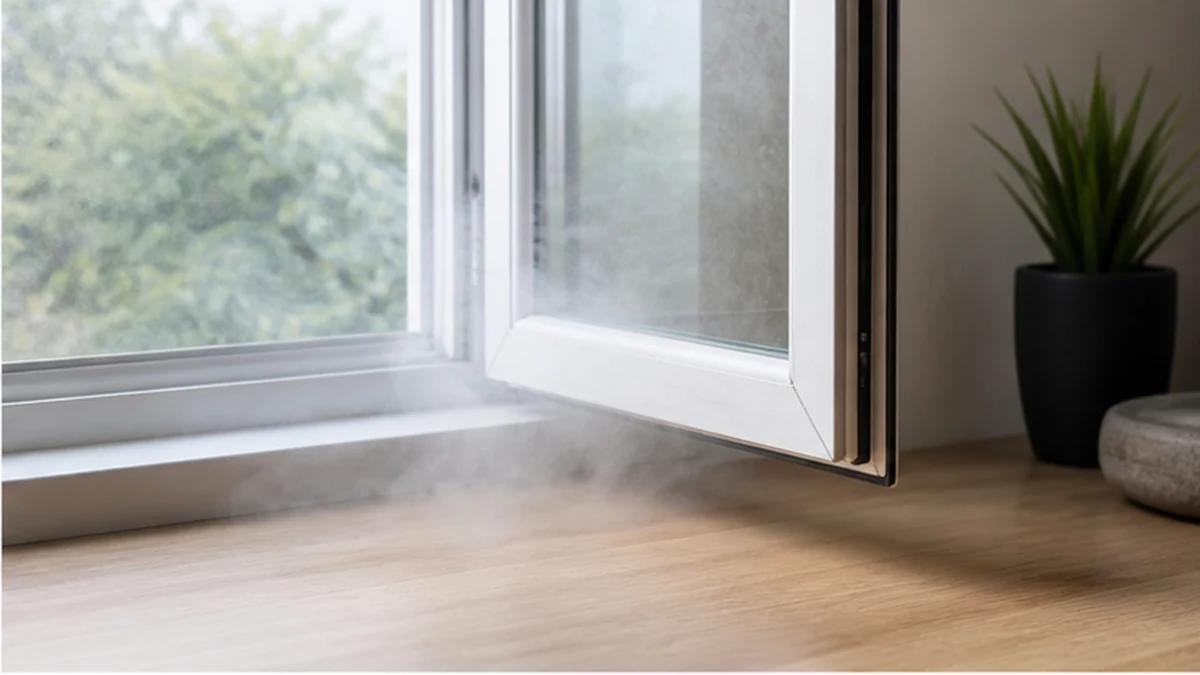
None of that makes vapor odor invisible or undetectable in the moment. In an enclosed space — a car with the windows up, a small bathroom, a closet — the smell from an active draw will fill the air noticeably and will be obvious to anyone nearby while it’s happening. What tends to differ is the tail: how long that smell persists in the room and on surfaces after you’ve stopped, which is a separate question from how strong it is while you’re actually vaping.
🧩 2.1 Why Live Resin and Distillate Smell Different
The gap between live resin and distillate becomes even more obvious in an active cloud than it is at rest. Live resin is extracted from plant material that’s frozen shortly after harvest specifically to preserve the volatile terpene compounds that would otherwise degrade during drying and curing. Those terpenes are the primary source of aromatic character in cannabis products, and live resin keeps a much wider spread of them intact. When you vaporize it, you’re releasing that full, often sharper and more “fresh plant” aromatic profile.
Distillate goes through additional refinement that isolates cannabinoids at high purity, and in doing so it strips out most of the original terpenes along with a lot of the plant-derived odor compounds. What you smell from a distillate cart is usually whatever terpenes were reintroduced afterward, which tends to be a narrower, more muted, sometimes sweeter profile compared to the complexity of live resin. Neither formulation is inherently “better” for odor discretion — sealed distillate carts do tend to read quieter at rest, but once either one is actually vaporized, both will fill a room with noticeable scent. The hardware side of the cartridge, including coil material and airflow design, plays a role in how efficiently oil vaporizes, but it doesn’t change the underlying terpene chemistry driving the smell itself. For readers who want to understand how cartridge construction affects performance more broadly, the 510 cartridge guide covers the hardware differences in plain terms.
⚙️ 3. Residue Around the Mouthpiece and Threading
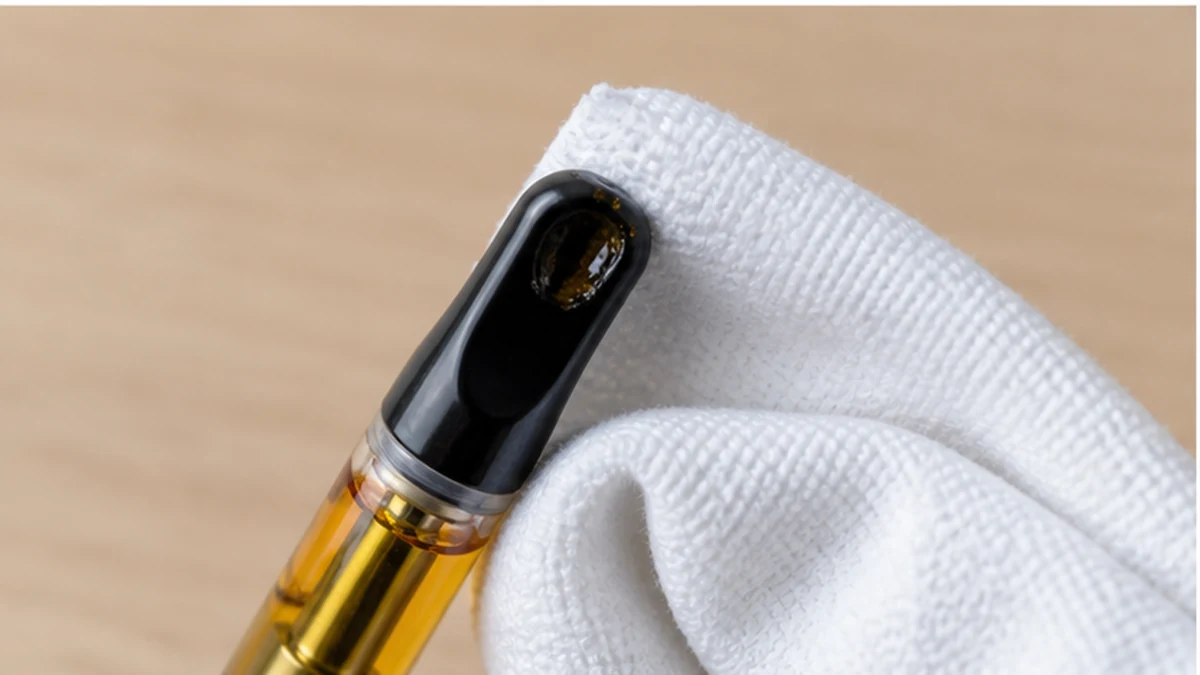
Separate from the cartridge itself and separate from an active draw, there’s a third source of odor that a lot of people don’t think about until they notice it: residue. Oil can migrate to the outside of the mouthpiece, into the threading where the cartridge meets the battery, or pool slightly at the base of the airpath, especially after the cart has been carried around, warmed in a pocket, or used at an angle.
This residue smell is different from fresh vapor. It’s usually flatter and stickier — closer to the raw oil’s static scent than to the brighter, more volatile character of aerosol — and it tends to concentrate on the actual surfaces of the hardware rather than dispersing into the air the way vapor does. A cart that’s been sitting mouthpiece-down in a bag for a few hours, or one that’s gotten warm against a body, is more likely to show this than one stored upright at room temperature.
A few habits keep this from building up:
- Store cartridges mouthpiece-up when possible, so oil isn’t sitting against the seal under gravity.
- Wipe the mouthpiece and threading periodically with a dry cloth or cotton swab if you notice tackiness.
- Avoid leaving carts in hot environments — a car dashboard in direct sun, for example — where oil viscosity drops and migration becomes more likely.
- Check the threading connection before use; a loose or cross-threaded connection can let oil seep out around the base.
None of this is a defect issue by itself. Oil is a fluid, cartridges get carried around and warmed and tilted, and some surface residue over time is ordinary wear. The distinction to watch for is between light residue that wipes away and something wetter or more persistent, which starts to point toward the leaking scenario covered further down.
🧩 4. How Long Odor Lingers in a Pocket, Bag, or Room
How long a smell sticks around depends heavily on where it happened and what it touched. A quick draw in open air, outdoors, with some breeze, tends to disperse fast — often within a few minutes, since there’s nothing for the vapor to cling to and plenty of air movement to carry it off. The same draw in a closed car or a small room behaves very differently, because the vapor has nowhere to go and can settle into fabric, carpet, or upholstery, where residual terpene odor can linger for a stretch of time that varies a lot depending on ventilation, fabric type, and how much was vaped.
This is also where the vapor-versus-smoke distinction pays off again. Smoke’s tar content bonds to soft surfaces in a way that resists airing out — it’s part of why smoke odor in a hotel room or car interior can persist for days regardless of ventilation. Vapor generally doesn’t carry that same tar load, so surfaces it contacts aren’t picking up the same kind of sticky residue.
Storage odor is a related but distinct issue from in-use odor. A cartridge or a small collection of them kept loose in a bag, especially alongside anything else that absorbs scent — cloth, other electronics, paper — can pass a faint terpene smell onto everything nearby over days or weeks, even without ever being used. This is less about any single draw and more about cumulative low-level off-gassing from the cartridge material itself, plus whatever residue has built up around the mouthpiece.
If keeping things contained matters to you, the practical answer is usually a dedicated storage case rather than trying to manage odor after the fact. A case with separate, enclosed compartments limits how much scent transfers to the rest of a bag and keeps cartridges from knocking against other items in a way that can loosen threading or create leaks. The vape case options page covers what to look for if this is a recurring annoyance rather than an occasional one.
🛠️ 5. When a Strong Odor Signals a Problem, Not Just a Habit
Most of what’s been covered so far is ordinary — sealed carts have a baseline scent, vaporizing produces a stronger one, residue builds up a little over time. But there’s a threshold where odor stops being routine and starts being a signal worth paying attention to.
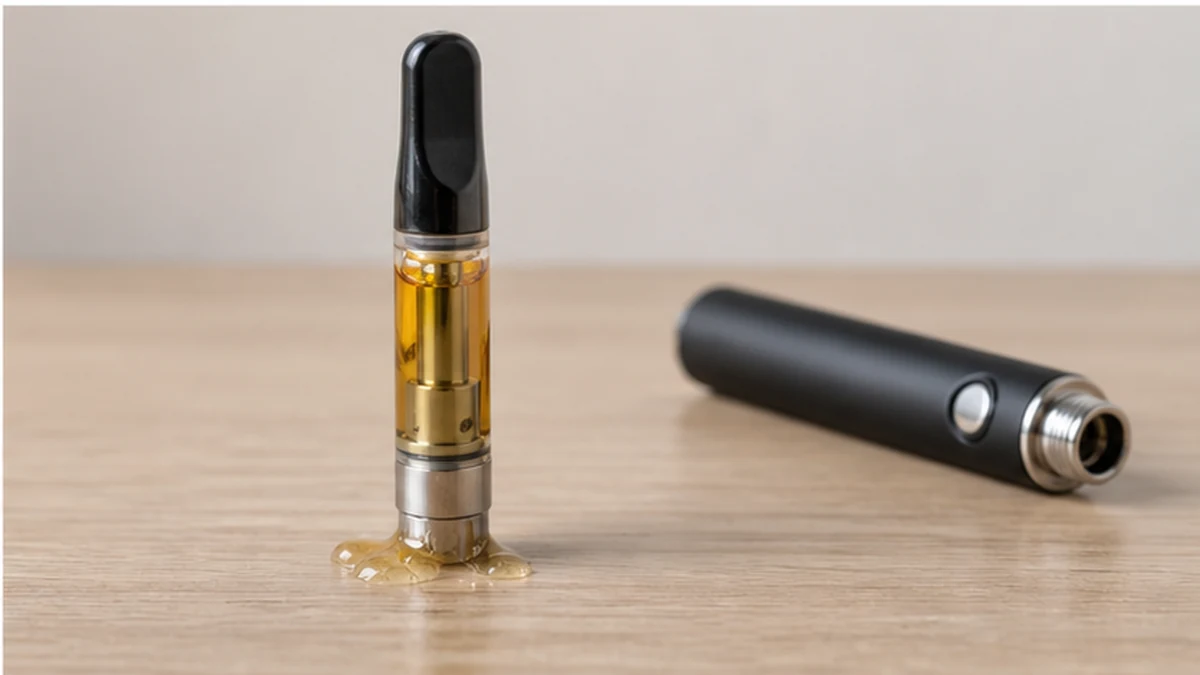
An unusually strong smell, especially one that’s noticeably stronger than it was when the cartridge was new, or one that’s present constantly rather than tied to actual use, is often a sign that oil is escaping somewhere it shouldn’t be. A few patterns are worth watching for:
- Visible oil around the mouthpiece or base: if you can see wetness rather than just a faint film, the cartridge is leaking, not just carrying normal surface residue.
- Oil pooling in the battery threading: this usually means the seal between cartridge and battery has failed or was never seated correctly, letting oil migrate down into the connection.
- A sudden jump in smell without a corresponding jump in use: a cartridge that was fine for days and then starts smelling strong at rest may have developed a crack or seal failure, sometimes from a drop or from temperature swings.
- Bitter or burnt smell that wasn’t there before: this points toward a coil or wicking issue rather than a leak, and generally means the hardware is degrading rather than performing normally.
Any of these is a reasonable point to stop using the cartridge and inspect it rather than assuming it’s just a strong batch of oil. A leaking cartridge doesn’t just smell bad — it’s also losing oil that isn’t reaching the coil the way it’s supposed to, which is a performance and waste issue on top of the odor. If a cart consistently shows one of these patterns, that’s a hardware problem worth addressing directly rather than working around.
📐 6. Frequently Asked Questions
Do unused carts smell?
Yes, faintly, even sealed. Terpenes and vapor can migrate slowly through the cap and threading, so a fresh cartridge in a pocket or bag will usually carry a mild scent well before it’s ever used, though the intensity depends heavily on the oil’s terpene content.
How long can the odor linger?
It depends on the environment. Open air disperses vapor odor quickly, while a closed car, small room, or fabric-heavy space can hold onto it for a while longer. Storage odor from carrying cartridges together in a bag is a separate, slower process driven by ongoing low-level off-gassing rather than any single session.
Why do live resin and distillate smell different?
Live resin is extracted from freshly frozen plant material and retains a much broader range of original terpenes, giving it a sharper, more complex scent both at rest and when vaporized. Distillate is refined to isolate cannabinoids, stripping out most native terpenes, so what you smell is largely whatever was added back afterward — generally a narrower, more muted profile.
What does an unusually strong odor suggest?
If a cartridge suddenly smells much stronger than it used to, especially at rest rather than during use, or if you can see oil around the mouthpiece or in the battery threading, that typically points to a leak or seal failure rather than normal variation, and the cartridge should be inspected rather than kept in regular rotation.
Cartridge odor isn’t one fixed thing — it’s a handful of separate behaviors that happen to overlap: a quiet baseline scent at rest, a stronger and more immediate release during an active draw, gradual residue buildup around the hardware, and occasionally a leak that changes the pattern entirely. Understanding which one you’re dealing with is more useful than expecting a cartridge to be silent, and it’s the difference between normal upkeep and a hardware issue that actually needs attention.