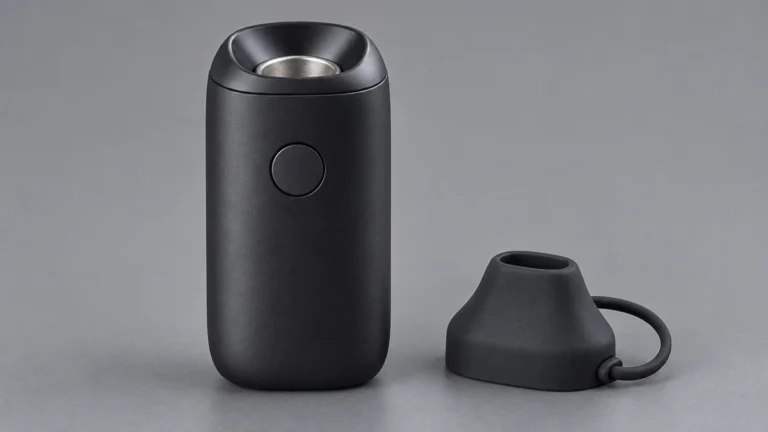
The phrase PAX 3 vaporizer can refer to the whole portable device, to the oven where material is placed, or to the removable pieces that shape its airflow. Those parts are related, but they are not interchangeable names. Understanding the layout helps explain what a listing or a used kit actually contains without assuming that every accessory shown belongs to every package.
This is a component guide, not a use or purchase recommendation. It distinguishes the device body, oven screen, mouthpiece, and vapor path using PAX’s own support material. PAX’s documentation varies by model and generation; when a part is described for PAX 2 or PAX 3, that does not automatically establish compatibility with PAX Plus, Mini, or another revision.
🧭 1. The PAX 3 name describes a device family, not one loose part
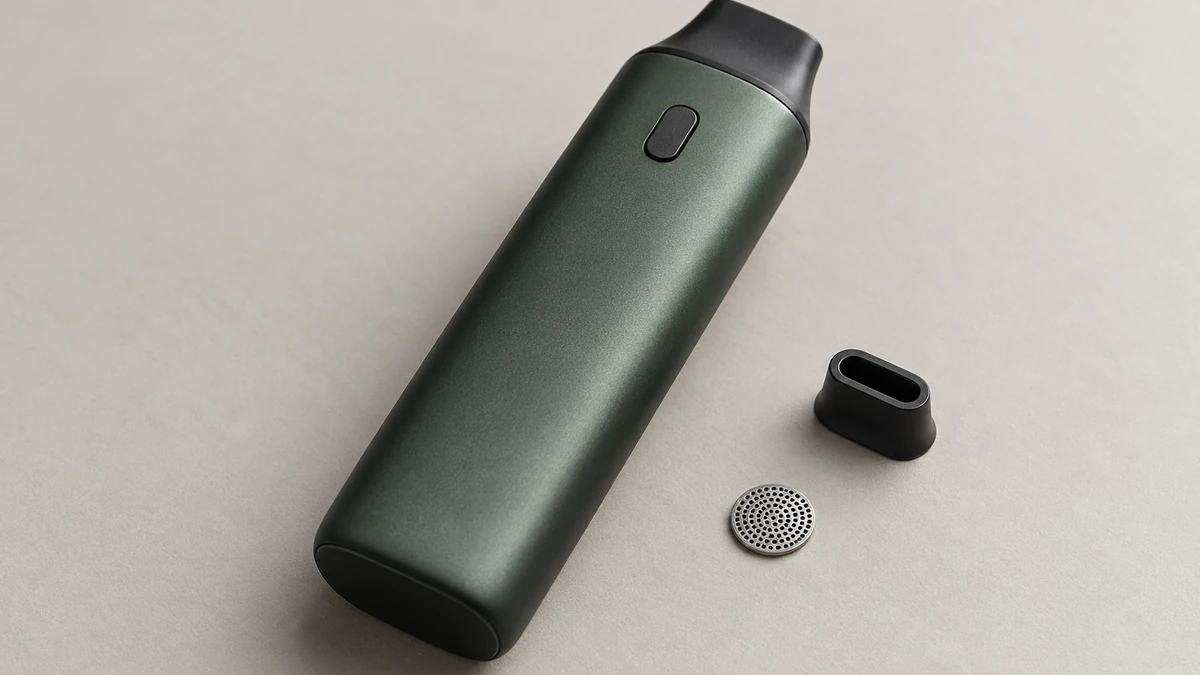
In ordinary conversation, people say “PAX 3” to mean the complete handheld vaporizer. In parts discussions, the same phrase may be used as shorthand for the body, the oven screen, a mouthpiece, or a kit. That ambiguity is why a title or photograph alone can be insufficient when identifying a component. A component’s outline, attachment point, and model marking matter more than a seller’s broad label.
PAX’s support materials provide model-specific instructions. For example, its oven-screen article explicitly addresses PAX 2 and PAX 3, while separate support content covers PAX Plus and PAX Mini screen designs. That distinction is useful: the brand itself treats these as model-dependent parts rather than a universal “PAX screen.” Similar-looking accessories should not be assumed to fit or perform identically across the range.
🔎 1.1 Separate the complete unit from its removable components
The complete unit is the assembled electronic device. The oven is the chamber in the device where a load is held. A screen sits at the oven’s vapor-path opening on the PAX 2/3 arrangement documented by the manufacturer. Mouthpieces are removable pieces at the top of the path. These terms refer to distinct locations; a screen is not the oven, and a mouthpiece is not the whole vapor path.
Descriptions of bundles add another source of confusion. A “complete kit” may include several accessories, but the exact package depends on the sale, market, or date. Do not infer a package’s contents from the words “PAX 3” alone. Manufacturer packaging documentation, an itemized contents list, and clear photographs of the actual pieces are better evidence.
🧩 2. The oven and screen have different jobs
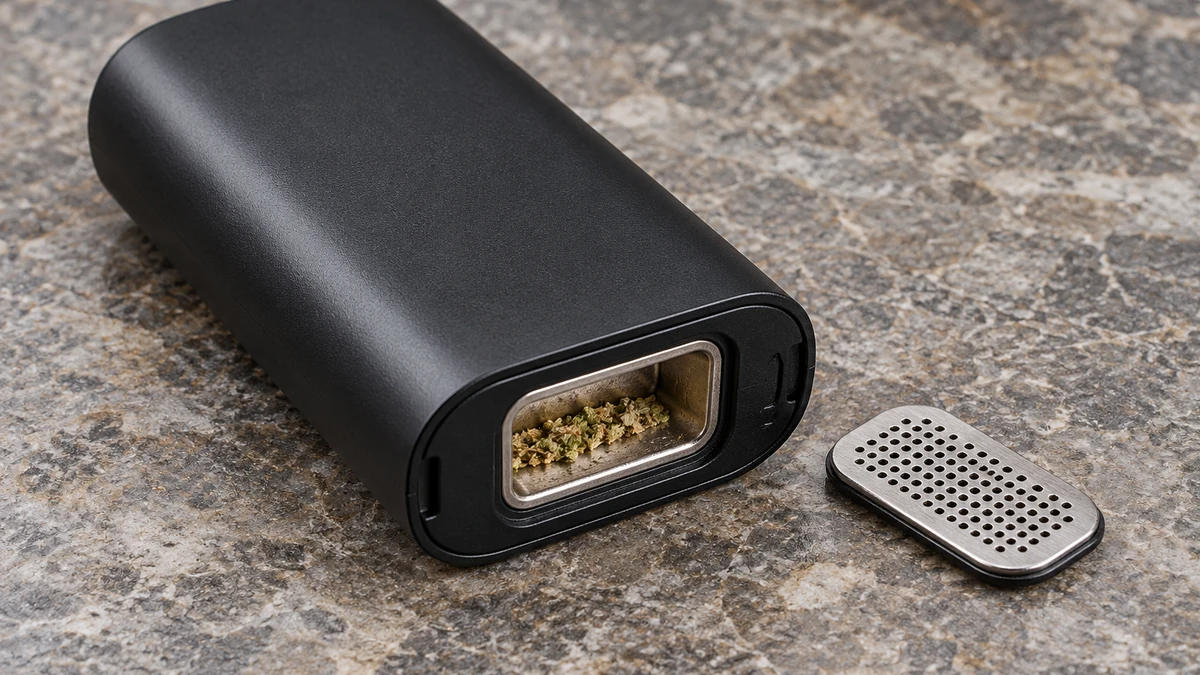
The oven is the chamber that contains the material. The screen is a removable perforated component positioned at the path opening in the PAX 2/3 design described by PAX. Its geometry allows air to move through the device while separating loose material from the path. This is a simple mechanical distinction, but it matters when reading troubleshooting threads: replacing or cleaning a screen is not the same task as servicing the oven or the electronics.
PAX’s guidance identifies an oven screen and describes how it is inserted and removed. The company also provides a separate cleaning guide for PAX 3. These documents should be followed for the specific unit. General advice from a forum may refer to a different screen version, a third-party accessory, or a later PAX model; photographs can help reveal those differences, but cannot verify fit by themselves.
🧼 2.1 Screen condition is a visible clue, not a diagnosis
A screen can accumulate residue or become misplaced. Looking at it may help a reader describe what they see, but appearance alone does not establish a device fault. A screen that seems different from an online photograph might be another revision, a replacement part, or a different model. If a part will not sit in its designed position, the safe next step is to stop forcing it and consult the instructions for the exact model.
Manufacturer cleaning instructions also emphasize allowing removable pieces to dry fully before reassembly. That requirement matters because a damp accessory can create a new problem and make it harder to tell whether the original issue was resolved. This article does not prescribe a cleaning method beyond directing readers to the instructions PAX supplies for their model.
🌬️ 3. The mouthpiece is the user-facing end of a longer route
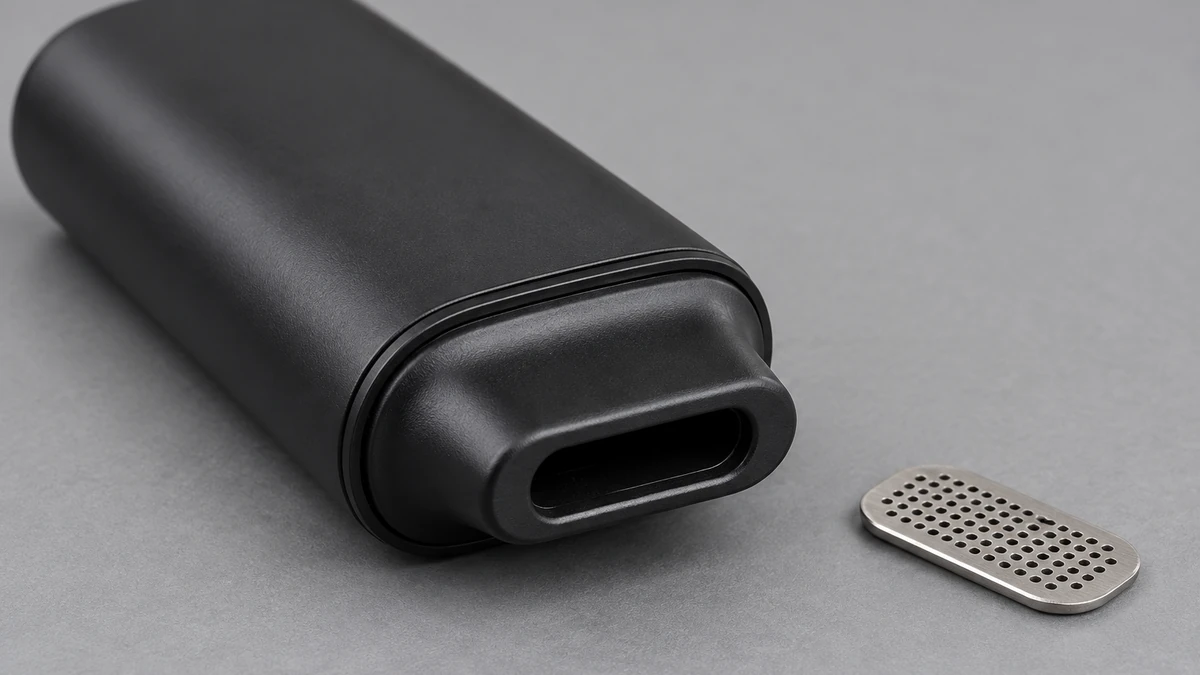
The mouthpiece is the piece at the top where the airflow exits. It is not the oven and should not be described as a heater. PAX’s PAX 3 materials show mouthpiece-related controls and removable components, but exact mouthpiece styles and kit contents vary. When a discussion says “the top,” ask whether it means the mouthpiece itself, the opening beneath it, or the screen lower in the path.
A path is a sequence of connected spaces and openings, not one single accessory. Air moves from the oven area through the device toward the mouthpiece. The user-visible parts are only some of that route. Without a manufacturer teardown, it is not appropriate to invent the shape, materials, or dimensions of hidden internal passages. In particular, a cutaway drawing should be labeled conceptual unless it is reproduced from a verified technical document.
🧠 3.1 Why online descriptions use “airway,” “vapor path,” and “stem” loosely
Users often borrow terms from other devices. “Stem” can describe an external glass tube on a different vaporizer, while “airway” may mean any passage the person can see. A PAX 3 is a compact enclosed design, so those words should not be treated as official part names unless a manual uses them. When identifying an issue, naming the actual removable item—mouthpiece or screen—is usually clearer than saying “the tube.”
This vocabulary also makes keyword searches messy. A search for “PAX vapor path” may return maintenance advice, product pages, or a replacement accessory listing. The reader should compare the model name and part location in the source before applying the information. A similar word does not guarantee a similar component.
📦 4. Model year and bundle can change what a listing shows
PAX has updated products and accessories over time. A photograph may show a PAX 3 body with a part from another kit or a generic accessory staged beside it. That is why a used listing should be evaluated as a specific set of objects rather than as an abstract “complete” package. This is not a judgement about any particular seller; it is a practical way to avoid confusing the product family with its accessories.
Check the device identification and compare the included pieces with the appropriate manufacturer documentation. If the listing uses a stock image, request a clear photograph of the actual unit and accessories. Look for whether a claimed screen is present, whether the mouthpiece is the pictured type, and whether each part is described as original, replacement, or third-party. Avoid assuming that a part shown in a PAX 3 article belongs to every PAX 3 bundle.
🗂️ 4.1 A compact identification checklist
- Device: confirm the model marking or other reliable identification, rather than relying only on the listing title.
- Oven screen: compare its shape and placement with PAX’s PAX 2/3 screen instructions.
- Mouthpiece: identify whether the piece is present and whether the seller calls it original or aftermarket.
- Bundle: request an itemized list; “complete kit” is not a universal bill of materials.
- Source: use PAX’s support documentation for the named model, not instructions for a visually similar generation.
This checklist helps organize evidence; it is not a guarantee of authenticity or condition. A photo may show the presence of a part, but cannot confirm its history, fit, or electrical function.
🧾 5. Cleaning and reassembly are model-specific
Maintenance language should be precise. PAX publishes instructions for cleaning the PAX 3 and separately describes screen handling. Use the applicable official guide for the device in hand, and do not transfer instructions from a different model simply because the components look familiar. If a removable piece resists movement, avoid applying extra force: the precise retention method can vary, and force can damage the part or the device.
After cleaning a removable part, PAX’s support directions call for it to be fully dry before it is reinstalled. That is a manufacturer instruction, not a claim about health or performance. The practical point is to complete the written sequence instead of putting a damp screen or mouthpiece back and then trying to interpret a new symptom.
When an issue involves charging, buttons, or electronics rather than removable parts, cleaning the screen is unlikely to answer the underlying question. Keep mechanical observations and electrical symptoms separate when describing a problem to support. That makes a report more useful and avoids treating every change in output as an oven-screen issue.
🔧 5.1 Describe observations before proposing a repair
A useful support description is concrete: identify the model, say which removable part was handled, and report what changed afterward. “The screen seems blocked” is less specific than “the screen is seated in the oven opening, but I can see residue around its edge.” Even then, the observation should not be converted into an unsupported conclusion about a hidden component. A photograph taken in good light can clarify the visible condition, but should not expose or disassemble the device beyond the manufacturer’s instructions.
This distinction matters because online threads often jump from a symptom to a repair. One owner may describe a loose mouthpiece, another may mean a screen that is not seated, and a third may be discussing an aftermarket part. Their answers can be sincere while addressing different hardware. Before following a suggestion, compare its model and part location with the official support page. If they do not match, treat the suggestion as an anecdote rather than a procedure.
Also keep the goal modest: identify parts, understand the manufacturer’s vocabulary, and know when the instructions do not answer a question. The support pages are the right source for procedural maintenance; this explainer only clarifies terminology and should not replace the manual or a service request.

✅ 6. The short answer: name the part and the exact model
A PAX 3 vaporizer is the assembled portable device; its oven, screen, mouthpiece, and internal path are different parts of that system. PAX’s documentation gives a concrete way to distinguish the PAX 2/3 screen arrangement from later PAX models, and its cleaning guidance is specific to the named device. For a kit or troubleshooting question, begin with the model, the exact part, and the source of the information.
That approach also explains why Reddit conversations can sound contradictory. People may own different generations, replacement pieces, or bundles; anecdotes can help identify the questions worth asking, but they do not override the manufacturer’s model-specific instructions. Use the manufacturer’s documentation to verify technical details, and describe uncertain or aftermarket pieces honestly.
For broader context, see our guides to conduction and convection dry-herb vaporizer layouts, the dry-herb vaporizer cup, and the ball-vape heater architecture. These cover different hardware formats; their parts should not be assumed to fit a PAX device.
Manufacturer references
Keeping those references together also makes it easier to revisit the correct page as parts and product generations change.