Search “rosin vape” and you’ll find two very different conversations happening at once. One is about a product — cartridges and all-in-ones filled with solventless rosin. The other is a much messier thread of people asking whether they can take the rosin they just pressed or bought for dabbing and squeeze it into a cartridge themselves. The short answer is that raw dab rosin and cart-ready rosin are not the same material, even when they come from the same starting batch, and the gap between them is exactly where most leaking, clogging, and flavor-loss complaints come from. Understanding why requires looking at rosin, the hardware it runs through, and the two together as one system rather than as separate purchases.
🫙 1. What “Rosin Vape” Really Means
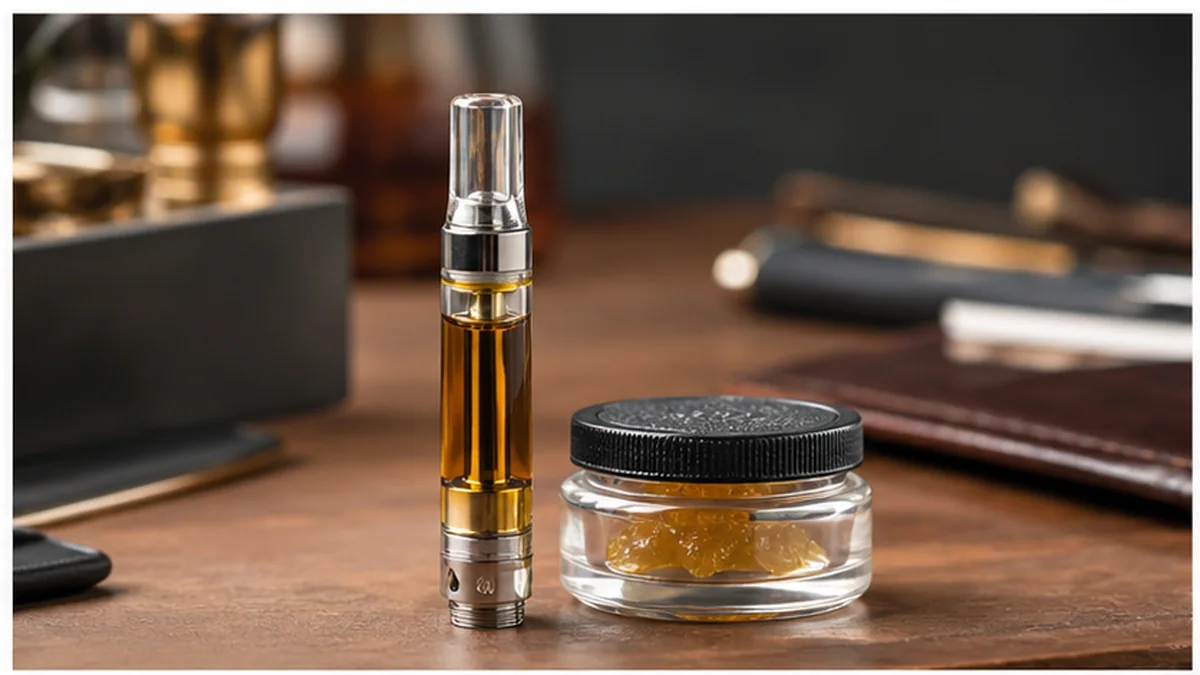
Rosin is a solventless concentrate. It’s made by applying heat and pressure to flower, hash, or kief to squeeze out the resin, with no butane, propane, or CO2 involved anywhere in the process. That’s the entire appeal for a lot of people — there’s no solvent to purify out afterward, but solventless describes the extraction method, not automatic quality or hardware compatibility. But “rosin vape” gets used loosely to describe at least three distinct things: rosin dabbed straight off a hot nail or banger, rosin that’s been reformulated specifically to run through a vape cartridge, and sealed all-in-one devices where the oil and battery ship as a single unit. All three share a name and often a source material, but they are engineered for completely different jobs, and treating them as interchangeable is where most of the trouble starts.
🔬 2. Dabbing Rosin vs. Cartridge-Ready Rosin
Fresh-pressed rosin made for dabbing looks like budder, sauce, or jam — thick, often sappy, sometimes separating into a wetter and a more solid layer. That consistency is fine for a dab rig because the nail or banger is heated well past the point where viscosity matters; the concentrate hits a hot surface and vaporizes almost on contact, regardless of how thick it is going in. A cartridge doesn’t work that way. It relies on a wick — cotton or ceramic — pulling oil toward a coil at a comparatively low, steady output, and that only works within a fairly narrow viscosity range. Rosin made for cartridges starts from the same plant material but goes through additional handling aimed specifically at getting it into that range, so it can wick consistently instead of sitting in the chamber like a plug.
That distinction matters because a producer formulating for carts isn’t just thinning rosin until it pours — they’re managing how it behaves over the life of a cartridge, including what happens as it cools, as terpene content shifts, and as the wick saturates over repeated draws. It’s a different product with a different design goal, not a thinner version of the same thing.
💧 3. Why Raw Rosin Doesn’t Belong in a Cart
This is the question that shows up constantly in rosin communities: can I just load this into an empty cartridge and vape it? The honest answer is that you can usually get it into the cart, but you generally can’t get it back out in a usable way. Raw dab-consistency rosin is far too viscous to wick properly through a cotton or ceramic core built for thinner cartridge oil. The wick can’t pull material toward the coil fast enough, so the coil ends up scorching whatever thin layer it does reach while the bulk of the rosin sits cold and untouched in the chamber. The practical result is a cycle familiar to anyone who’s tried it: a few harsh, weak pulls, then a clogged airway, then oil leaking out around the mouthpiece or threads because it has nowhere else to go once the airway is blocked.
None of that is really a hardware failure. It’s a mismatch — unmodified, dab-grade rosin forced into a delivery system that was built around a different viscosity target. The cartridge isn’t defective; it was never designed to move material that thick.
⚙️ 4. Viscosity and Controlled Preparation: Not a DIY Step
Turning dabbable rosin into cartridge-ready oil is a controlled, monitored process, and it’s worth being direct about why it isn’t something to replicate at home with a lighter or a pan of hot water. The margin between “too thick to wick” and “degraded past the point of tasting or vaporizing well” is narrow, and pushing rosin past that point drives off the volatile terpenes that give it flavor and can leave cannabinoids in a less stable state. Go the other direction — undershoot it — and the oil stays too thick for the wick, which just recreates the clogging problem described above. Producers doing this at scale use calibrated equipment and repeatable, monitored conditions specifically because guessing by feel doesn’t produce a consistent result batch to batch. That controlled step is a real part of what separates dabbable rosin from cart-ready rosin, and it’s a meaningful part of why the cart-ready version typically costs more per gram than the same material sold for a rig.
🌡️ 5. Hardware Systems: 510 Carts, Ceramic Cores, and All-in-Ones
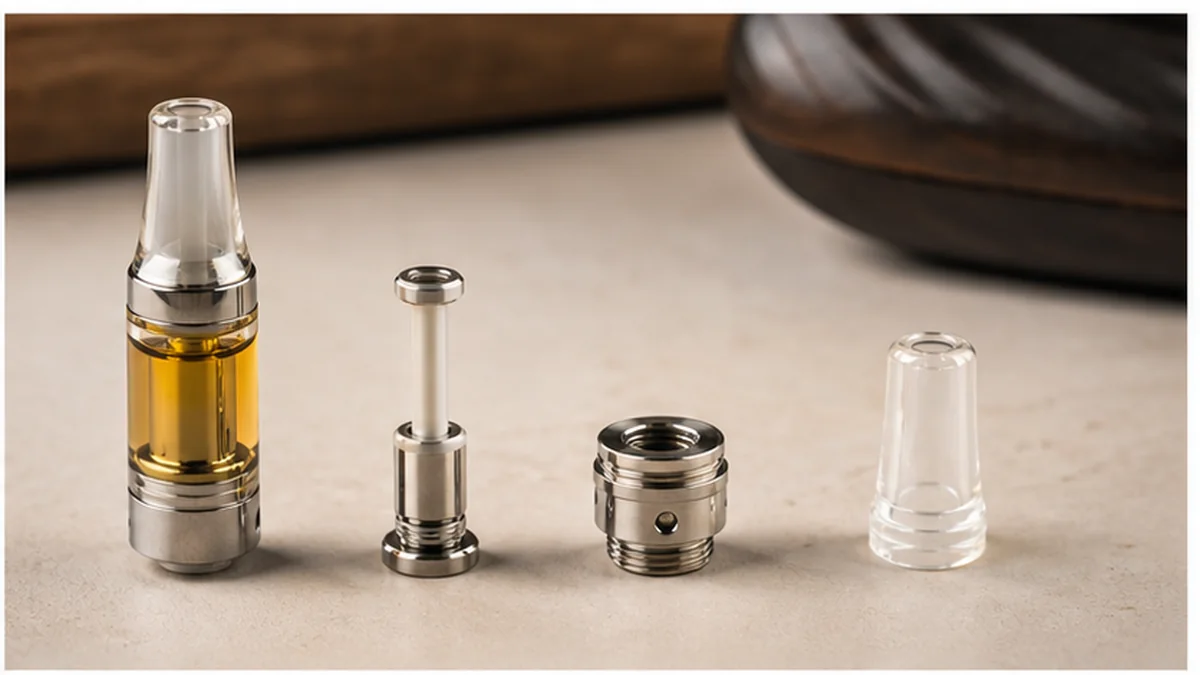
Even correctly prepared rosin still has to move through hardware that fits it. A few things determine whether it will: the size of the inlet where oil reaches the wick, the material the wick is made from, and the geometry of the airway it has to travel through to reach your mouth. Cotton wicks pull oil quickly, which works well for thinner oils, but with something as viscous and unrefined as rosin, cotton can scorch or pick up an off-taste faster than it would with more processed oil. Ceramic cores distribute heat more evenly and tend to hold up better against that kind of buildup, which is part of why they show up often in rosin-specific hardware — though ceramic still needs oil in the right viscosity range to wick properly; it doesn’t fix a rosin that’s simply too thick.
The tank material matters too. An 510 cartridge guide“>all-glass 510 cartridge doesn’t interact with terpene-rich oil the way some plastics can over time, which is one reason people troubleshooting flavor complaints are often pointed toward glass hardware first. If you’re comparing wick options directly, a rundown of how ceramic cart guide“>ceramic cores handle viscous concentrate versus cotton is a useful next stop.
All-in-one devices take a different approach: the cartridge and battery ship as one sealed unit, tuned together at manufacture. That lets a producer set airflow and heat output specifically for that batch’s viscosity rather than hoping a separately sold 510 battery happens to be a good match. It’s also one reason some producers limit which formats or sizes they offer for rosin specifically — standardizing a thick, batch-variable oil across many third-party batteries is harder than controlling both halves of a sealed device, so a company may choose to sell fewer configurations rather than field complaints from mismatched hardware.
🚫 6. Low-Output Batteries and Why They Matter
Generally speaking, thicker, less-refined oils like rosin pair better with devices that heat gradually and evenly rather than ones built to deliver a fast, high-power burst suited to thin distillate. A battery running hotter or harder than the oil calls for can flash-vaporize a thin outer layer of viscous rosin while the core of it stays under-heated — which shows up as gurgling, leaking, or a scorched taste even when the hardware and the oil are otherwise a reasonable match. This is a generic principle rather than a specific setting: the right output depends on the particular device and cartridge combination, and matching them is worth understanding in more depth through a resource like cartridge battery guide before assuming a device is broken.
🧭 7. Storage: Upright, Cool, Away From Light
Rosin is more storage-sensitive than a lot of other vape oils because it’s unrefined — it’s carrying its full native terpene content without the stabilizers or additives some processed oils include. Heat and light both accelerate the breakdown of those terpenes over time, which is the mechanism behind a lot of “my cart doesn’t taste like it used to” complaints. Storing cartridges upright matters for a more mechanical reason: lying on their side or upside down lets oil pool against the mouthpiece or threads, and thick rosin sitting against a seal not built to hold constant contact with it is a common source of slow leaks. Cool, dark storage away from direct sun or a hot car interior slows terpene loss and keeps viscosity more stable, while repeated heat cycling — a pocket close to body heat, a dashboard, a windowsill — speeds up separation and can push oil into places that end up clogging the airway later.
❓ 8. Symptom to Cause: Troubleshooting Rosin Vape Problems
Most rosin vape complaints trace back to one of a handful of causes, and matching the symptom to the likely cause is usually faster than guessing at a fix.
| Symptom | Likely cause |
|---|---|
| Clogged airway, weak or no airflow | Oil too viscous for the wick, wrong hardware for rosin, or cold storage thickened it further right before use |
| Leaking from the mouthpiece or threads | Stored on its side or upside down, overfilled, or a seal not rated for thick, viscous oil |
| Burnt or harsh taste | Device output too high for the oil’s viscosity, or the wick dried out because oil isn’t reaching it fast enough |
| Weak flavor or noticeable terpene loss | Extended heat exposure from storage or repeated use, oxidation over time, or a cart left open to air too long |
| Gurgling or bubbling sound while pulling | Flooding — oil pooling faster than it vaporizes, common when under-processed or too-thick rosin is forced into a cart |
| Darkening or color change over time | Oxidation, which happens gradually to any rosin but speeds up with heat and light exposure |
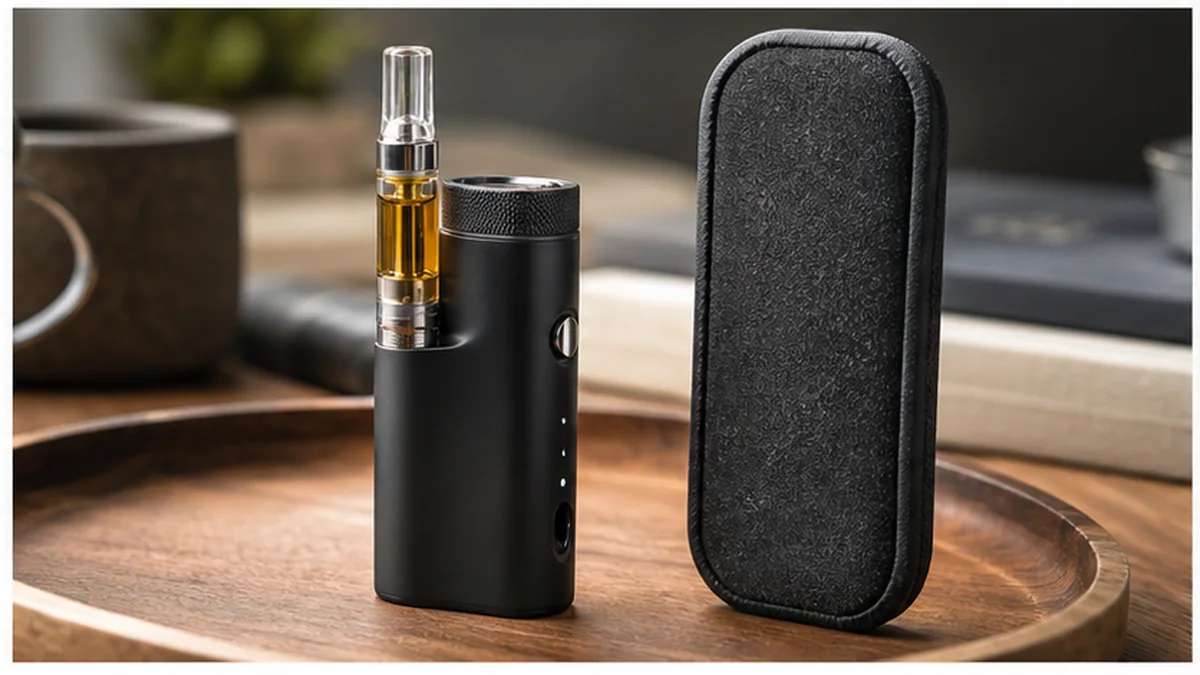
📚 9. Choosing Your Format: A Decision Table
The right format depends less on brand preference and more on what you’re actually optimizing for — swappable hardware, minimal material contact, simplicity, or the texture and intensity of a true dab.
| If you want… | Consider… | Why |
|---|---|---|
| To swap batteries or reuse hardware across cartridges | Standalone 510-threaded cart | Compatible with a range of 510 batteries, so you’re not locked into one sealed device |
| Flavor with minimal material contact | All-glass 510 cart with a ceramic core | Glass resists interacting with terpene-rich oil; ceramic tends to hold up better against viscous concentrate than cotton |
| Simplicity, no separate battery to buy or match | All-in-one device | Oil and hardware are tuned together at manufacture, reducing the guesswork of pairing output to viscosity |
| The full texture and intensity of rosin as-is | Dabbing on a rig, not a vape | Dab-consistency rosin is built for a hot nail or banger, not for wicking through a cartridge |
📚 10. FAQ
🧩 10.1 Can I put raw dab rosin straight into an empty vape cart?
You can physically load it, but it generally won’t wick or vaporize properly once it’s in there. Dab-consistency rosin is too viscous for a cotton or ceramic core built around thinner cartridge oil, and the usual outcome is a clogged airway, leaking, or scorched, uneven pulls rather than a working cartridge.
🧩 10.2 Why does my rosin cart taste burnt after a short time?
This is typically an output-versus-viscosity mismatch — the device is delivering more heat than the oil in the wick can keep up with, so the outer layer scorches while the rest lags behind. It can also happen if the wick has partially dried out because oil isn’t reaching it fast enough.
🧩 10.3 Is all-glass hardware actually better than plastic for rosin?
For terpene-rich, unrefined oil like rosin, glass is generally preferred because it doesn’t interact with the oil the way some plastics can over time, which matters for flavor retention. It’s not the only variable — wick material and airway design matter just as much — but it’s a common first recommendation when someone’s troubleshooting flavor or taste complaints.
🧩 10.4 Why don’t more producers offer small cart sizes for rosin?
It comes down to consistency at scale. Rosin is thicker and more batch-variable than many other cartridge oils, and standardizing that across smaller cartridge formats and third-party batteries is harder to get right consistently. Some producers narrow the formats or sizes they offer specifically to avoid the clogging and leaking issues that come with pushing a viscous product into hardware that wasn’t tuned for it.
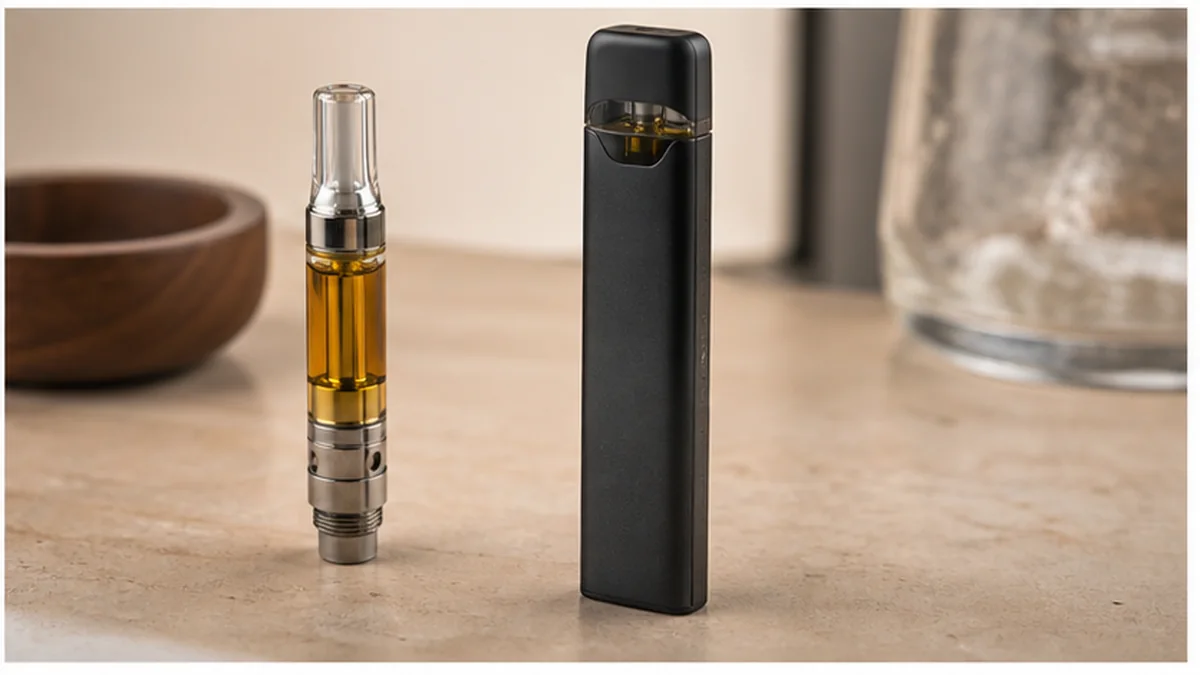
For the hardware side of this decision, compare the 510 cartridge guide, the parts discussed in our ceramic cart guide, and the output principles in the cartridge battery guide.