A dry herb vaporizer is not fully specified by the temperature it can name. Once the device is at heat, it may end that heat after a documented session timer, or it may hold the set temperature until the user stops it, or until another documented event occurs. Those two behaviors are easy to collapse into a single catalog phrase such as “session mode,†“keeps the heat,†“auto shut-off,†or “on-demand.†They should not be. A session timer is a documented clock that ends heat when the time is up. A temperature hold is a documented behavior that keeps the set temperature available until a named stop. A brief that names only a temperature preset, or only the word “session,†is incomplete if it does not say how long heat is supposed to continue.
That distinction is not the same as how temperature is named, and it is not the same as the heat cycle on a wax pen. Degree Setting or a Heat Preset: How a Dry Herb Vaporizer Names Its Temperature already identifies whether the version uses a degree setting or a limited set of heat levels. On-Demand Fire or a Session Cycle: How a Wax Pen Stays On already treats how a concentrate pen sustains heat. This guide does not retell those subjects. It stays on two dry-herb duration facts that still have to be named on their own: the session timer, the temperature hold, and what a listing photograph cannot prove.
🔎 1. A Session Timer and a Temperature Hold Are Not the Same Fact
The first cut is simple. A session timer is a documented clock: heat ends when that time is up, unless the manual names a different rule for that version. A temperature hold is a documented hold: the device stays at the set temperature until the user stops it, or until another documented event, such as a manual power-off, ends the heat. One fact tells you that duration is governed by a timer. The other tells you that the set temperature is held until a named stop. They are not interchangeable uses of the word “session.â€
A “session†label does not identify a timer length, and it does not identify a hold. A photograph of a button or a blank control surface does not identify what happens after the oven is at temperature. A vaporizer can use heat presets and still end the session on a timer. It can also allow a degree setting and hold that setting until it is stopped. Do not assign both facts from one mode name.
How temperature is named is a third identification again. Degree Setting or a Heat Preset: How a Dry Herb Vaporizer Names Its Temperature already treats that control family. A preset or a degree setting is not a duration rule. This guide does not retell that subject. It only asks the buyer to write the timer, or the hold, as its own line.
ðŸ·ï¸ 2. A “Session†Label Is Not a Complete Heat-Duration Specification
“Session mode,†“auto shut-off,†“stays at temperature,†and “on-demand†are starting labels, not finished duration specifications. On a dry herb vaporizer, those words are used in more than one way. They do not, by themselves, say whether a clock ends the heat, whether the set temperature is held until a stop, how long a documented timer runs, or whether a draw or a button press changes that rule. Two devices can share a “session†label and still differ on the duration behavior.
An “auto shut-off†claim is also incomplete on its own. A safety cutoff, an idle timeout, and a session timer can be documented as different events. The useful work is to record the words the manual uses and to keep those events on separate lines, rather than treating every shut-off as the same function. Sealed Cell or a Removable Cell: How a Vape Device Is Powered already identifies how the device is powered. Power architecture is not a duration rule. Top-Load Oven or a Side-Load Door: How a Dry Herb Vaporizer Is Filled already identifies how the oven is loaded. Loading method is not a timer.
If the listing says only “session†or “holds temperature,†write that wording down and ask which duration behavior the manual actually names, whether a timer can be reset by a documented action, and which revision the sample covers. Do not treat a photograph of a control surface as a timer, and do not treat a temperature preset as a hold.
🧩 3. Identifying a Session Timer on a Sample and a Manual
A sample and the version manual are the right place to identify a session timer. The useful check is to start heat with the documented command, then record whether heat ends after a documented time without a further stop command. If the manual names a timer length, a range of timer settings, or a rule that a draw or a button press resets the clock, record those words as they appear for that version. Do not import a timer length from another device, and do not invent a default number of minutes.
The same observation can be misleading if the battery is low, if the oven was not at the set temperature when the clock started, or if a different timeout is in use. Record when the timer is documented to start: at the heat command, when the set temperature is reached, or at another named point. That start point is part of the timer identification, not a separate marketing feature.
If you only have a listing and no sample, you can still record the manual’s wording, but you should mark it as documentation, not as a confirmed result from a unit. Ask for the manual page and a sample before a session timer is written into a purchasing brief as a released behavior.
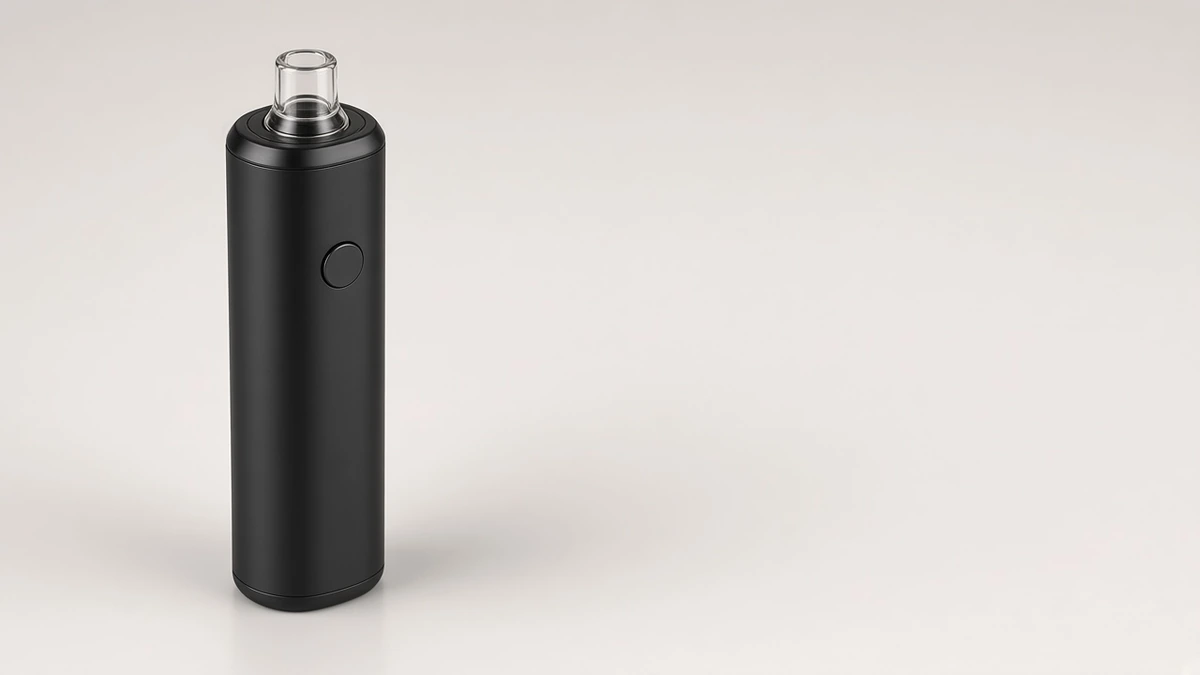
📠4. A Temperature Hold Still Has to Be Named
If the device does not end heat on a session timer, or if the manual says it holds the set temperature, that hold still has to be named. The documentation should say what stops the hold: a button, a power-off command, a lid or mouthpiece action, a different timeout, or another named event. “Stays hot†is not, by itself, a named hold. “Until you turn it off†is a starting claim that still has to be checked against the exact version.
A temperature hold is also not proof of closed-loop control, and it is not a degree setting. The hold is a duration behavior. Degree Setting or a Heat Preset: How a Dry Herb Vaporizer Names Its Temperature already treats how the temperature is named. This guide does not retell that control family. It only asks the buyer not to treat a numbered preset as proof that the oven will hold that temperature until it is stopped, and not to treat a missing timer as proof of a hold.
If the manual and the sample disagree—if a sample ends heat on a clock and the manual describes a hold, or the other way around—stop and confirm the revision before the duration line is treated as approved. Heating method and oven material remain different identifications and are not settled by a timer or a hold alone.
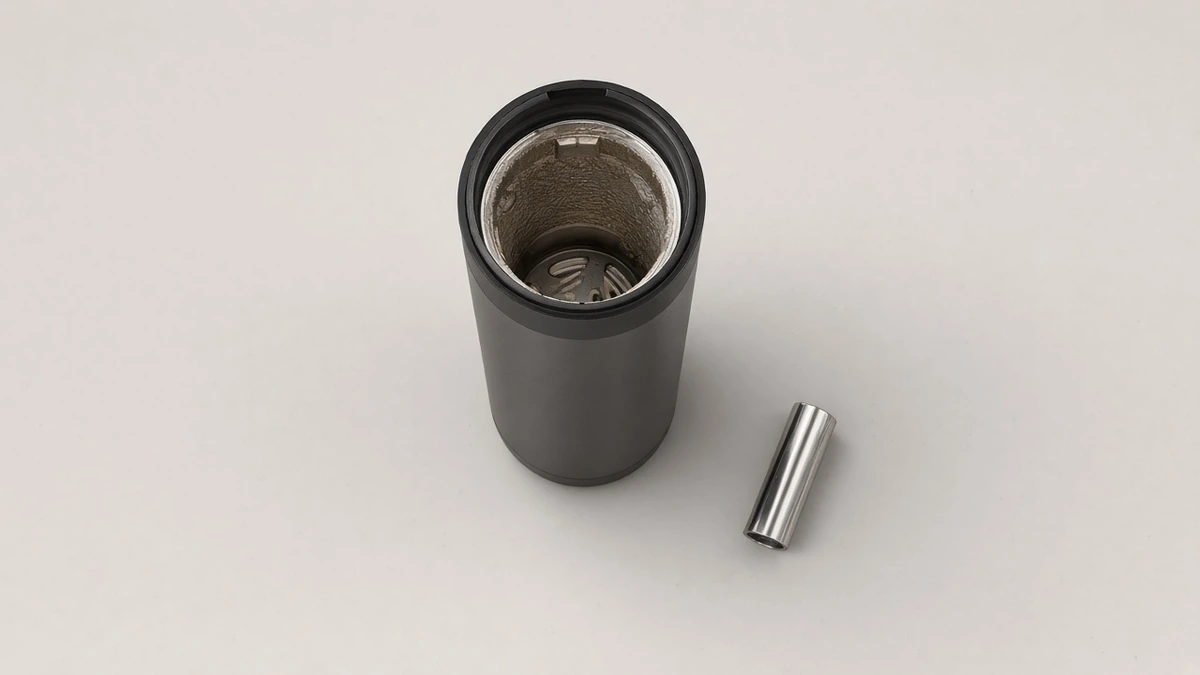
📷 5. What a Listing Photograph Can Hide
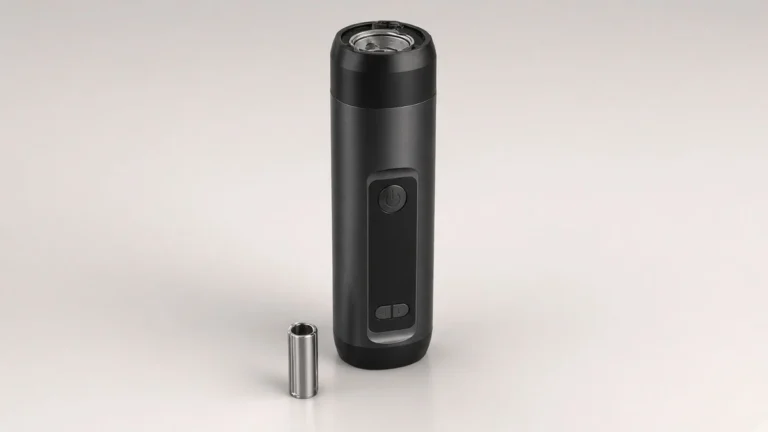
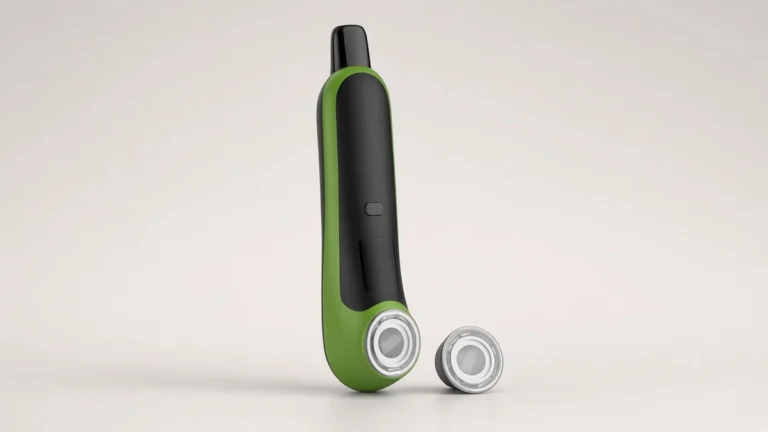
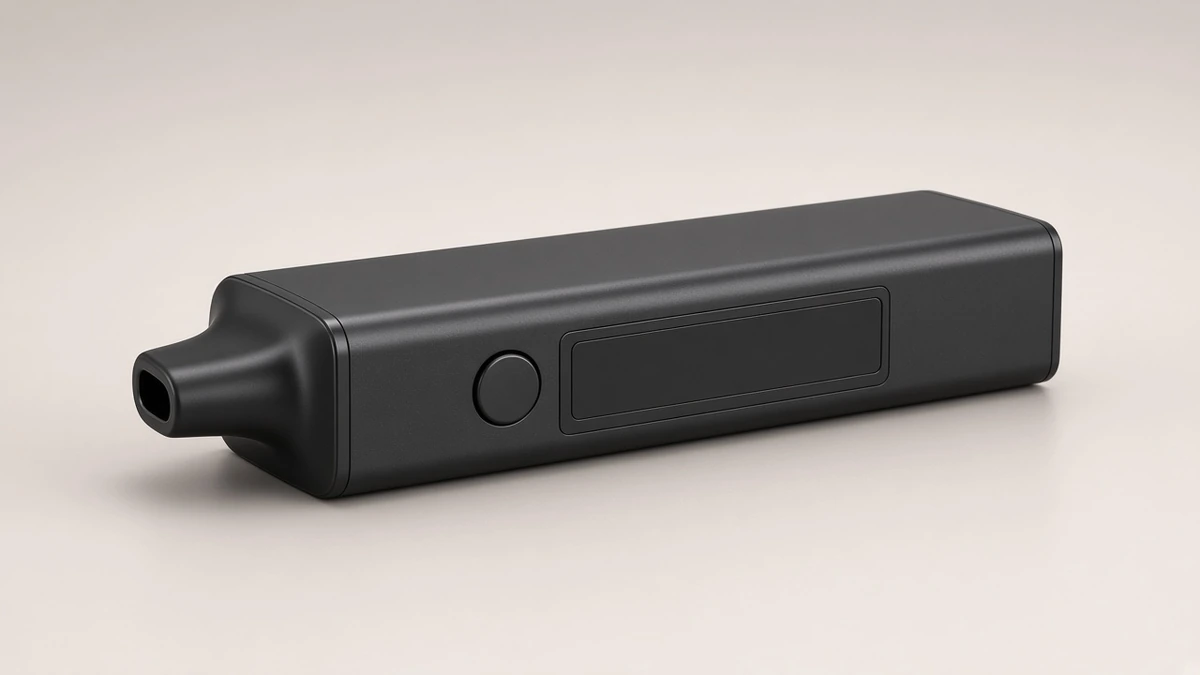
A listing photograph can support a duration identification if the manual wording is shown, the controls can be reconciled with that wording, and a sample confirms the behavior. Often it is not. A beauty shot of a portable vaporizer cannot show whether heat ends on a timer or continues as a hold. A rendered control surface, or a dark, unreadable display, may suggest a session feature that is not the revision in the quotation.
The photograph is also the wrong place to borrow a duration claim. A marketing image that says “session mode†or “stays at temperature†does not identify a timer or a hold. Those assignments come from the manual and from a sample of the exact version. If the listing says “auto session†and shows only the oven and the mouthpiece, write both duration facts down and request the documented behavior and a sample.
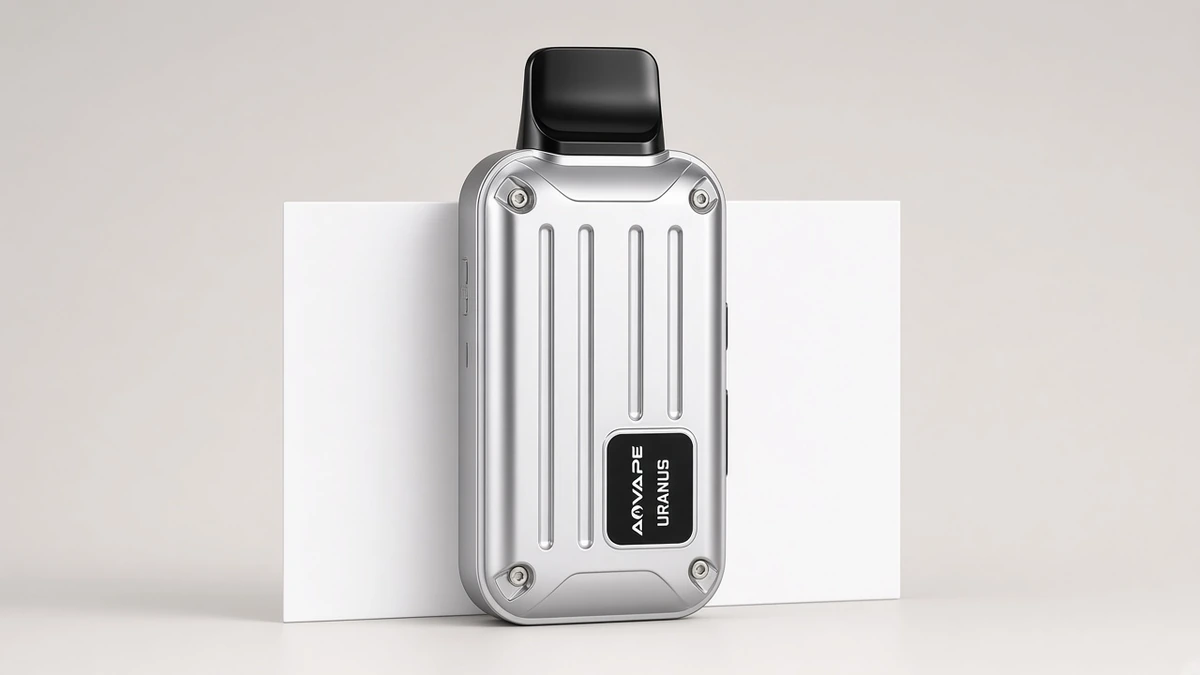
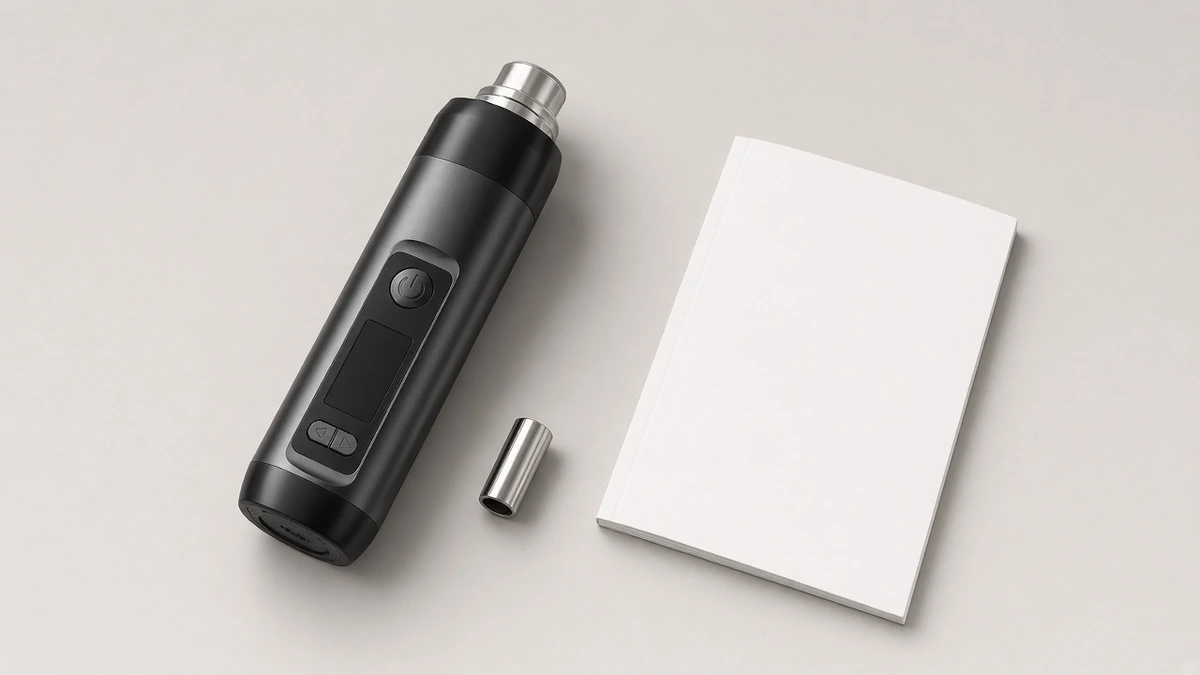
✅ 6. What to Check on a Sample, a Manual, and a Brief
A one-line description a team can reuse should name the duration behavior and should keep that behavior apart from how temperature is named. Example: “Dry herb vaporizer; session timer or temperature hold as named in the version manual, including what starts and what stops the heat; temperature-naming family and oven-loading method are documented separately.â€
On the sample:
- Start heat with the documented command and record whether heat ends after a documented timer, or continues until a documented stop.
- Record when any timer is documented to start, and whether a draw or a button press is documented to reset it.
- Record what stops a hold, if a hold is the documented behavior, without treating a low battery or an incomplete heat-up as that stop.
- Keep observations tied to this exact version, and do not copy a timer length from another device.
On the manual and the current brief for that exact version:
- Record whether the version uses a session timer, a temperature hold, or another documented duration rule, and record the revision.
- Keep temperature-naming family, heating method, oven material, and loading method in separate lines.
- If the manual and the sample disagree, stop and confirm the revision before writing a duration line.
On the listing:
- Treat “session,†“auto shut-off,†“holds temperature,†and “on-demand†as labels to reconcile with the two duration facts.
- A timer length or hold rule stated for a named catalog example is that page’s documentation, not a default for the next vaporizer in the same photograph style.
Questions worth sending with a sample request:
- After this exact version reaches the set temperature, does a session timer end the heat, or does it hold that temperature until a documented stop?
- If a timer is used, when does the clock start, how long does the manual say it runs, and can a documented action reset it?
- If a hold is used, what event stops the hold?
- Which revision do the quotation and the sample cover, and does the duration behavior match that revision?
- If the listing mentions “session†or “auto shut-off,†which duration behavior is actually specified for that project?
â“ 7. Short Answers a Brief Can Reuse
â“ 7.1 Identification Questions
What is a session timer on a dry herb vaporizer?
It is a documented clock that ends heat when the time is up, unless the manual names a different rule for that version. The start point of the clock, and any reset rule, are part of that identification.
What is a temperature hold?
It is a documented behavior that keeps the set temperature available until the user stops it, or until another named event ends the heat. “Stays hot†is not, by itself, a named hold.
Does a “session†label complete the heat-duration specification?
No. The word is used in more than one way. It does not, by itself, say whether a timer ends the heat, whether the set temperature is held, or what stops the cycle.
Is a session timer the same thing as a heat preset?
No. A preset or a degree setting is how the version names its temperature. Duration is a separate fact, and it has to be identified on the exact version.
Is this the same question as session mode on a wax pen?
No. A concentrate pen’s on-demand fire versus a session cycle is a different identification. This guide is only about how long a dry herb vaporizer stays at heat after it is started.
Can a listing photograph settle the duration behavior?
It can support an identification if the manual wording is shown and it matches a sample. A beauty shot of the oven or the mouthpiece cannot show whether heat ends on a timer or continues as a hold. Confirm the behavior on a sample and in the version documentation.