A dry herb vaporizer has to name how heat is selected, as well as how the chamber is heated and how the device is powered. Those facts are easy to collapse into one catalog word such as “temperature control.” They should not be. A heat preset is a documented, limited set of levels the user can choose. A degree setting is a documented way to choose a value in °C or °F, often within a stated range. A number printed on a listing is not, by itself, proof that the device measures and regulates chamber temperature.
That control-family cut is not the same as the heat-transfer path, and it is not the same as the power path. How Do Dry Herb Vaporizers Work? Complete Guide already treats conduction, convection, and related heating paths. Flame Heat or a Battery Heater: How a Dry Herb Vaporizer Is Powered already identifies whether heat comes from a flame or from a battery-powered heater. This guide stays on how the version names its temperature: presets, a degree setting, or neither, and what a listing photograph cannot prove.
🔎 1. A Temperature Word Is Not a Complete Control Family
The first cut is simple. A heat preset is a small, documented set of levels—often labeled low, medium, and high, or marked with fixed points in the manual. A degree setting is a documented control that lets the user choose a temperature value, usually in °C or °F, within the range the version actually supports. “Temperature control” is a catalog phrase that may refer to either family, to a different control, or to no documented temperature loop at all.
Those families can live on the same product line and still have to be identified on the exact version. A device with three named levels is not automatically a degree-setting device because the manual also prints those levels in degrees. A device with a numeric display is not automatically a closed-loop temperature controller because a number is visible. 510 Battery Temperature Control: What It Really Measures already cautions that a displayed number may be a target or a setting, not a proof of what is being measured. That caution belongs in this brief as well, without turning this page into a 510-battery guide.
Output control on a wax pen is a different subject. Fixed Fire or a Heat Setting: How a Wax Pen’s Output Is Controlled already treats fixed fire versus stepped heat on a concentrate device. Do not borrow a wax-pen click map or voltage step and treat it as a dry-herb temperature family.
🏷️ 2. Presets: What the Manual Has to Name
A preset family is identified by a limited set of documented levels and by the way the user is told to move between them. On the sample and in the manual, record how many levels exist, how they are labeled, and which control selects them: a button cycle, a switch, a named mode, or another documented method. If the manual also prints a degree mark next to a level, record that mark as documentation for that preset, not as proof that the user can choose any value in between.
Do not invent a shared low-medium-high scale and apply it to the next device. The labels, the number of steps, and any degree marks are version-specific. If the listing says only “three temperatures,” write that wording down and ask what the manual names for each step, and whether the user can leave those steps.
A preset family can still be precise enough for a brand brief if the levels are documented and repeatable on that version. The brief should say “documented presets,” not “no temperature control,” unless the manual actually offers no heat selection at all. The opposite error is just as unhelpful: treating a three-step switch as a fully settable degree control because a marketing table printed three numbers.
🧩 3. Degree Settings: What the Manual Has to Name
A degree-setting family is identified by a documented way to choose a temperature value, usually in °C or °F. On the sample and in the manual, record the unit, the stated range if one is given, the increment if one is given, and the control that changes the value. Record whether the display, if any, shows the set value, a measured value, or a label that the manual does not explain. If the manual does not say what the number represents, write that gap down instead of filling it in.
A range printed in a catalog is not a complete control description. The buyer still has to know how the value is selected, whether it can be saved, and whether the same version also offers presets. Some versions use presets as starting points and then allow an adjustment; that mixed layout has to be named as a mixed layout, not forced into one family.
Do not copy a range from another dry herb vaporizer that happens to share a similar shell or a similar screen outline. A range stated for one official or catalog example is that version’s documentation, not a default for the next device in the same photograph style.
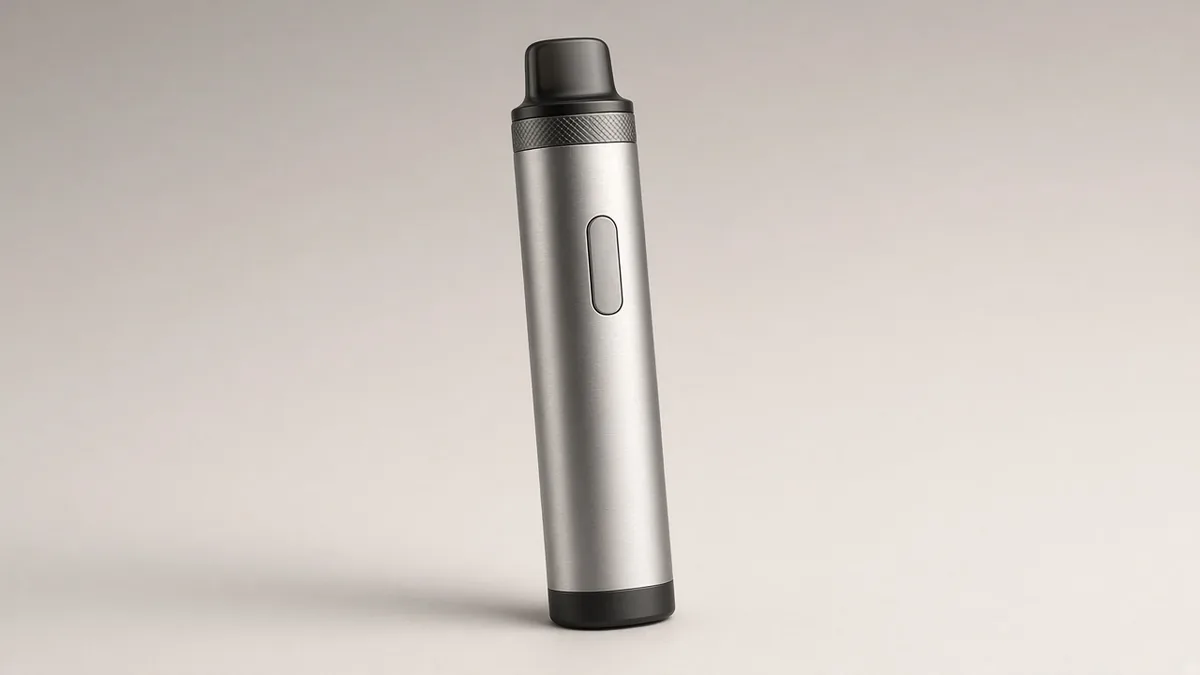
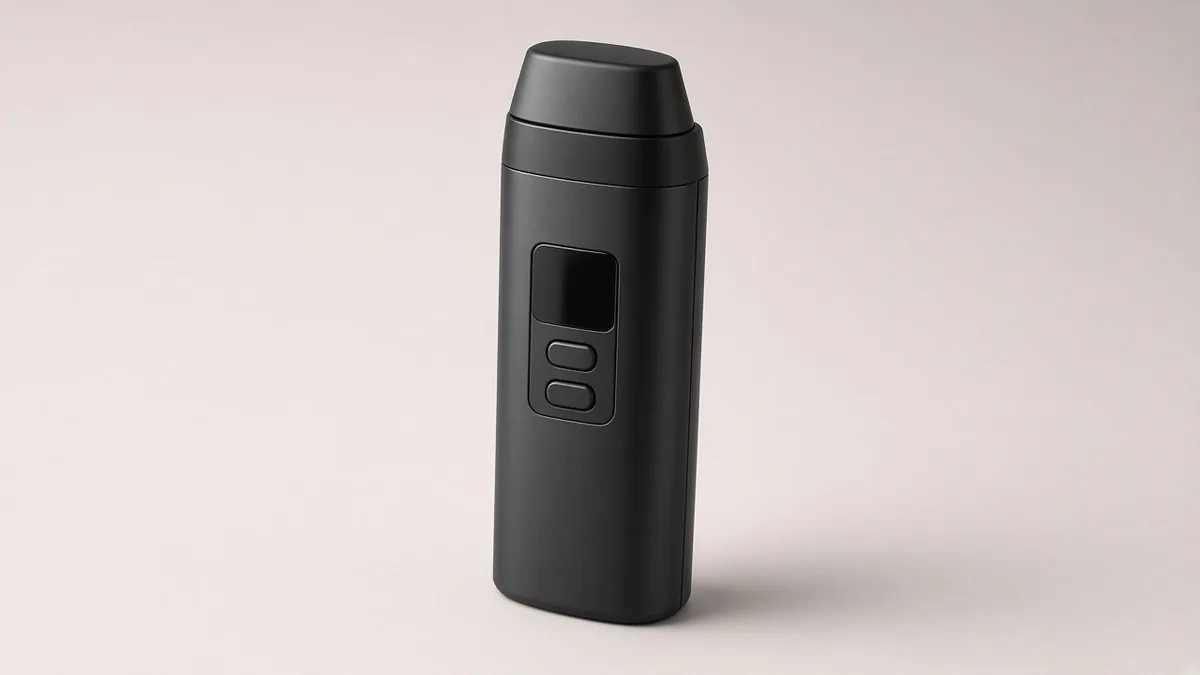
🧱 4. A Degree Number Is Not Proof of Closed-Loop Control
A number can appear on a listing, on a box, or on a device surface without telling you what is being measured. The manual has to say whether the control is a user-selected target, a measured chamber value, or another documented indication. If that sentence is missing, the brief should say that the control family is not fully documented, not that the device “has temperature control.”
Closed-loop language—“the device measures and regulates chamber temperature”—is a specific claim. It needs version-specific evidence. A numeric step, a degree symbol, or a marketing use of “precise temperature” is not that evidence. The same caution applies in the other direction. A preset device is not “uncontrolled heat” simply because the user cannot pick every value. It is a documented set of levels, and those levels still have to be named.
Flame Heat or a Battery Heater: How a Dry Herb Vaporizer Is Powered already separates flame-powered designs from battery-powered heaters. A flame-powered device may still have a technique or a visual cue rather than a degree setting; do not force it into a preset or degree family that the manual does not describe.
📷 5. What a Listing Photograph Can Hide
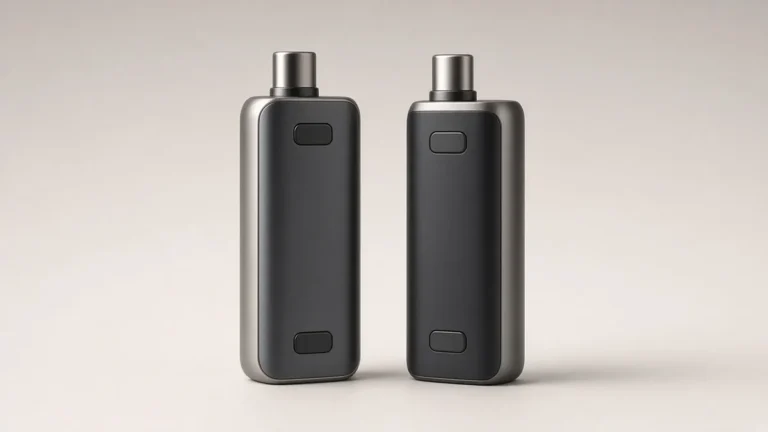
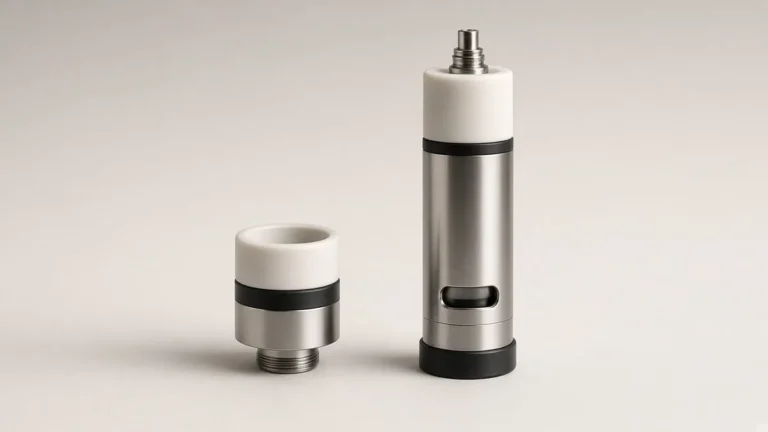
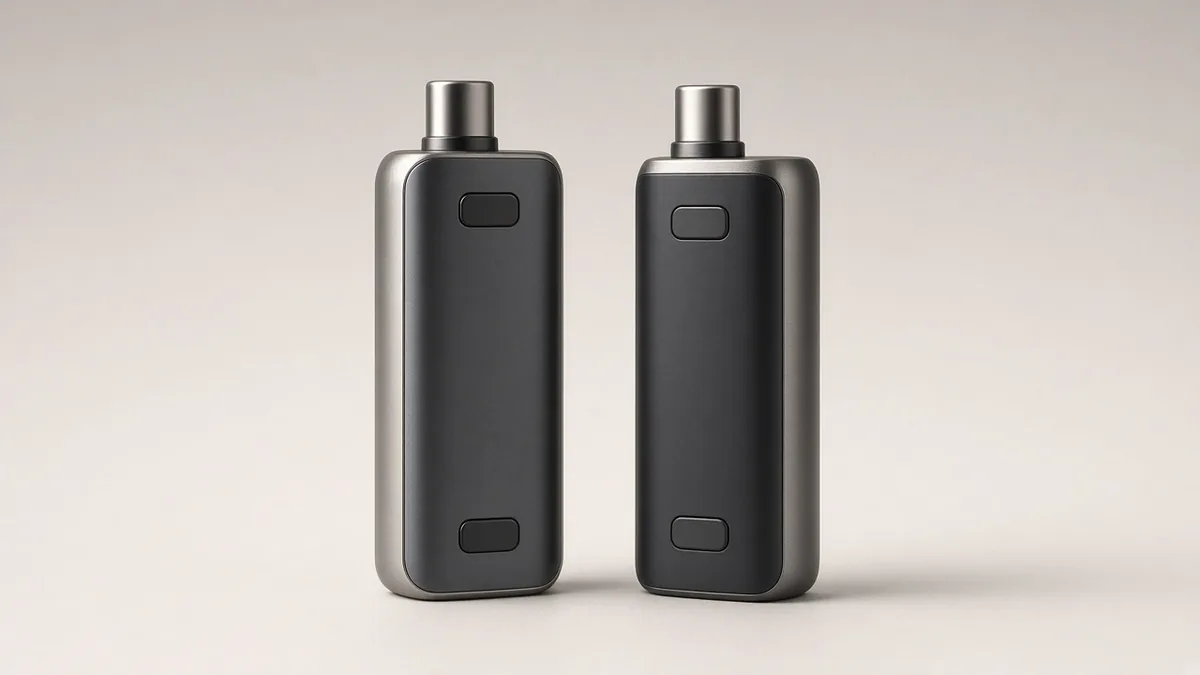
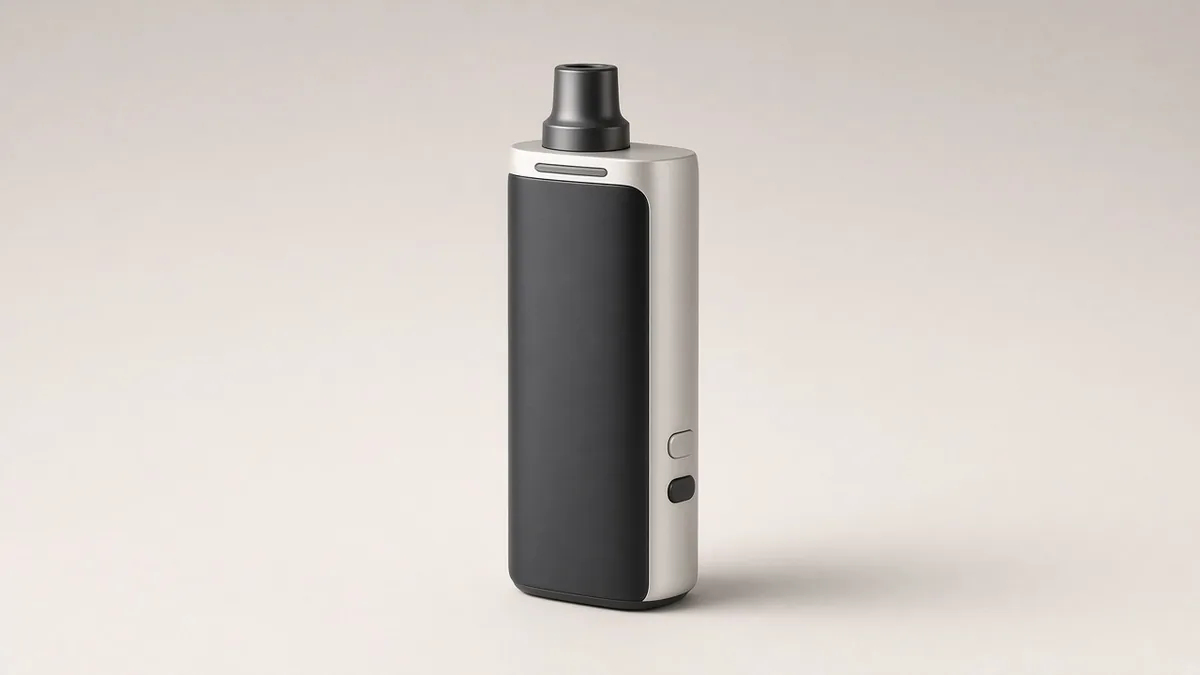
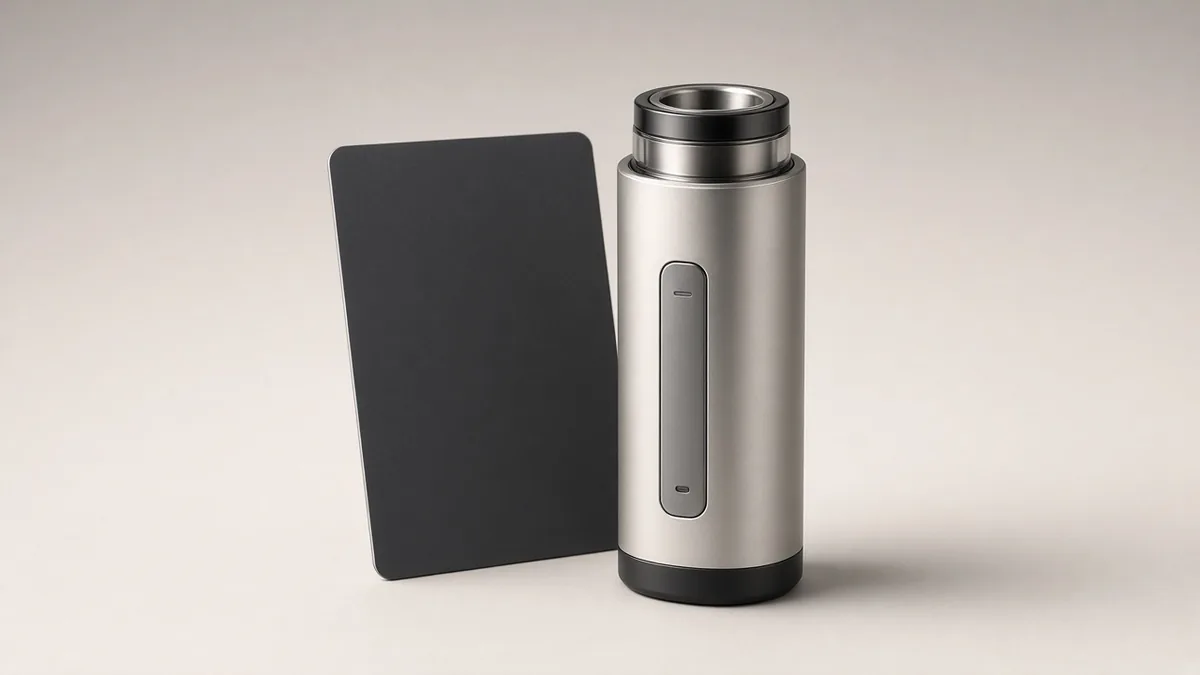
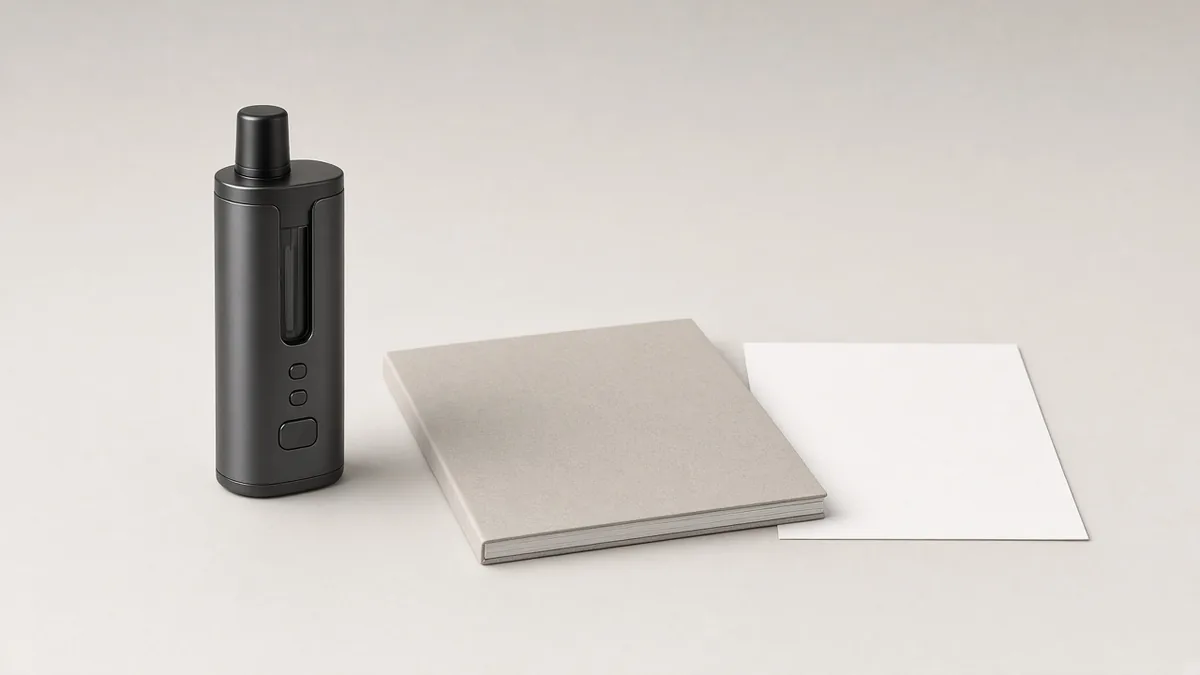
A listing photograph can support a control-family identification if the controls are visible, the labels are documented, and the sample matches the picture. Often it is not. A dark or distant screen cannot be read. A cropped shot can hide a second button that changes modes. A lifestyle image can show a number that is a graphic overlay, not a live display. For that reason, a photograph is a reason to request the manual, not a substitute for it.
The photograph is also the wrong place to borrow a performance claim. A panel that looks “digital” does not identify a degree setting. Three printed icons do not identify the actual preset map. Those assignments come from the version manual and from a sample of the exact revision. If the listing says “adjustable temperature” and shows only a front face, write that wording down and request the control description, the unit, and any stated range or preset list.
✅ 6. What to Check on a Sample, a Drawing, and a Brief
A one-line description a team can reuse should name the control family and keep it apart from the heating path and the power path. Example: “Battery-powered dry herb vaporizer; heat is selected by documented presets, labels as named in the version manual; not identified as a settable degree control; heating path documented separately.”
On the sample:
- Identify the control or controls that change heat, without assuming what a dark display would show.
- Record how many distinct levels you can select, or whether the control moves in documented degree steps.
- Record any labels that are actually printed on the device, and treat on-screen graphics in a listing photograph as unconfirmed.
- Do not infer a closed-loop measurement from a numeric marking alone.
On the manual and the current brief for that exact version:
- Record the control family: presets, a degree setting, a mixed layout, or not documented.
- Record the unit, the preset list or the stated range and increment, as the manual names them.
- Record what any displayed number is documented to represent.
- If the manual and the sample disagree, stop and confirm the revision before writing a purchasing line.
On the listing:
- Treat “temperature control,” “adjustable temperature,” “presets,” and a printed degree number as labels to reconcile with the manual.
- A range or preset list stated for a named catalog example is that page’s documentation, not a default for the next device in the same photograph style.
Questions worth sending with a sample request:
- Does this exact version use documented heat presets, a settable degree control, or a mixed layout?
- How does the user select the level or the value, and what does the manual call each step?
- If a number is shown, is it a set target, a measured value, or another documented indication?
- What unit and, if stated, what range or increment belong in the brief?
- Is any “temperature control” claim attached to a measurement-and-regulation description, or only to a user setting?
❓ 7. Short Answers a Brief Can Reuse
❓ 7.1 Identification Questions
What is a heat preset on a dry herb vaporizer? It is a documented, limited set of levels the user can choose. The manual has to name those levels and how they are selected.
What is a degree setting? It is a documented way to choose a temperature value, usually in °C or °F, within the range the version actually supports.
Does a number on a listing prove temperature control? No. A printed or displayed number may be a target, a graphic, or a preset mark. The manual has to say what the number represents.
Does a preset device lack temperature control? Not automatically. It has a documented set of levels. It is not a degree-setting control unless the manual also describes one.
Is this the same question as conduction versus convection? No. The heating path is a different identification. Name the path, then name how heat is selected.
Can a listing photograph settle the control family? It can support an identification if the controls and the documented labels are clear and match the sample. It often hides the true map and what a number means. Confirm the family in the version manual.