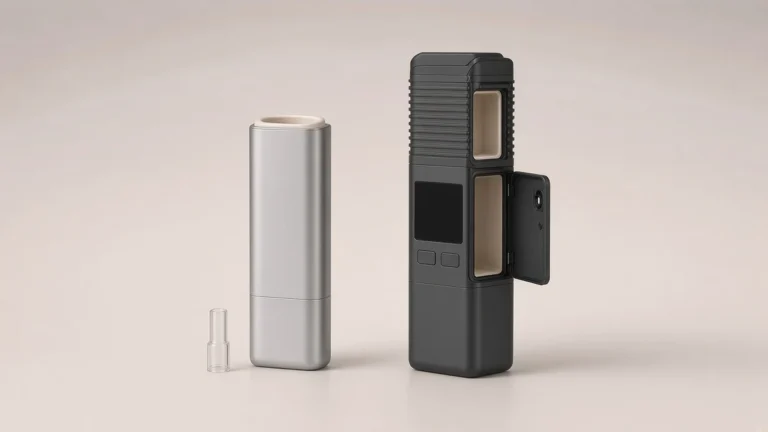
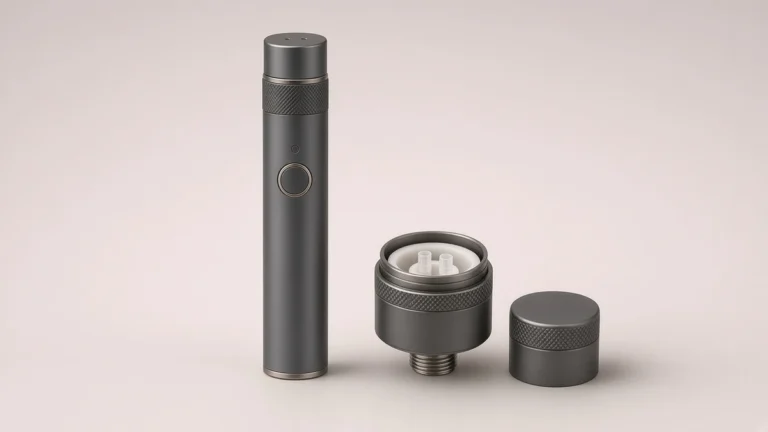
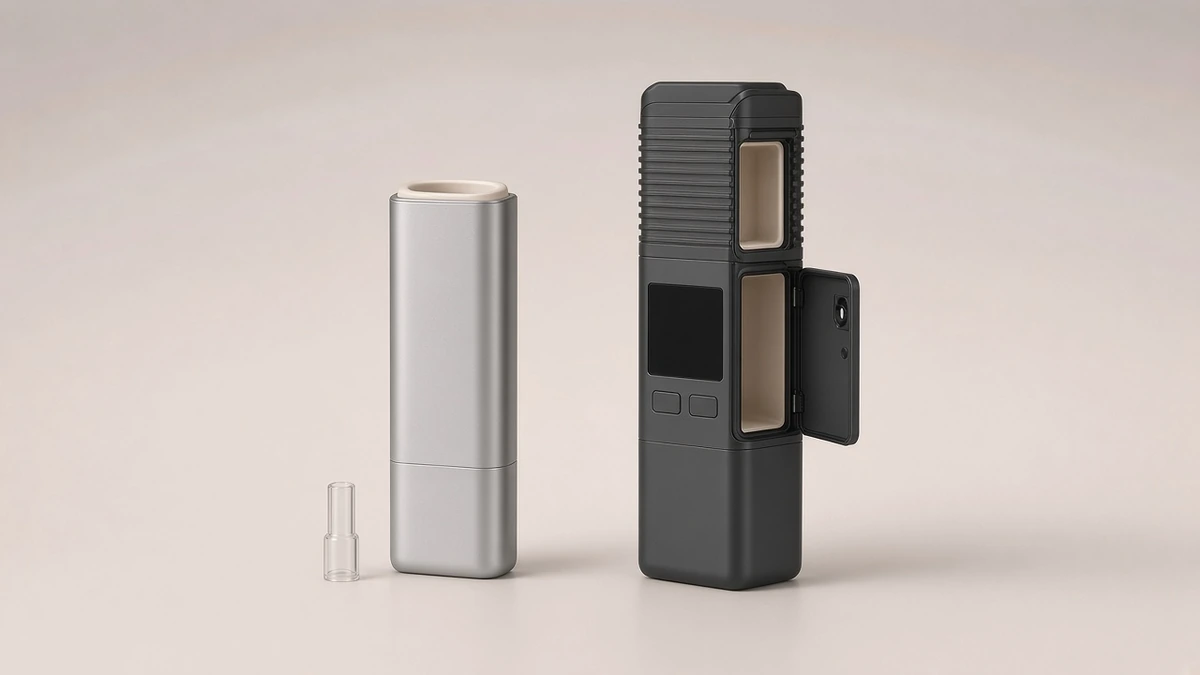
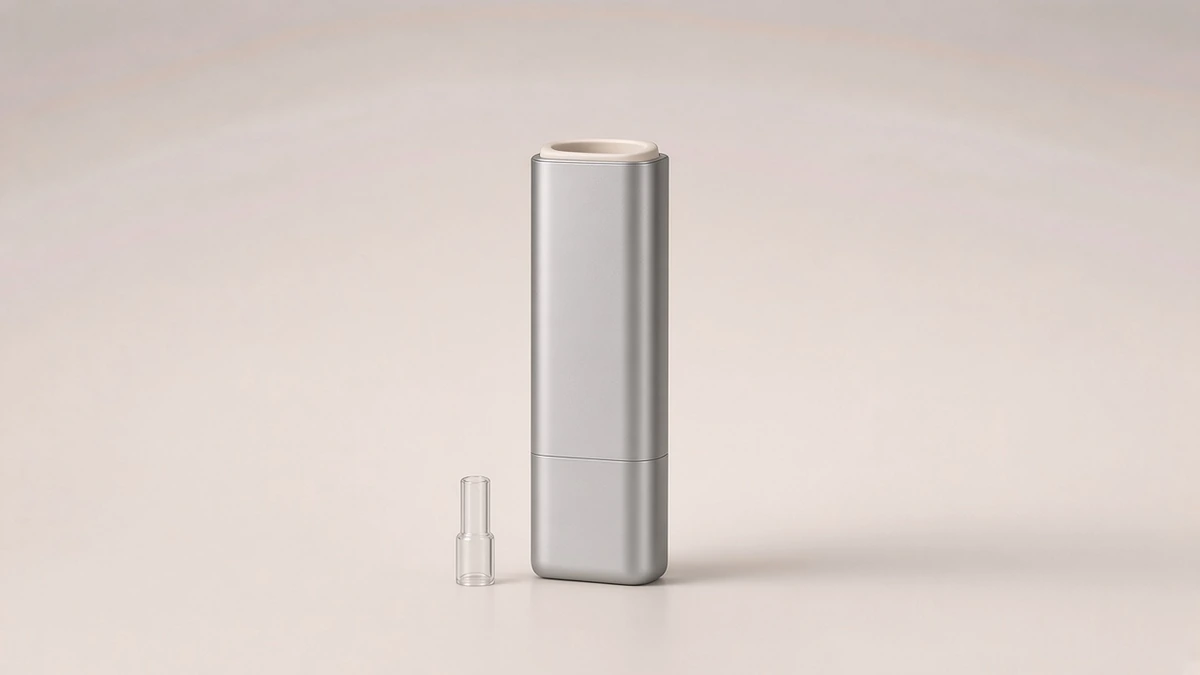
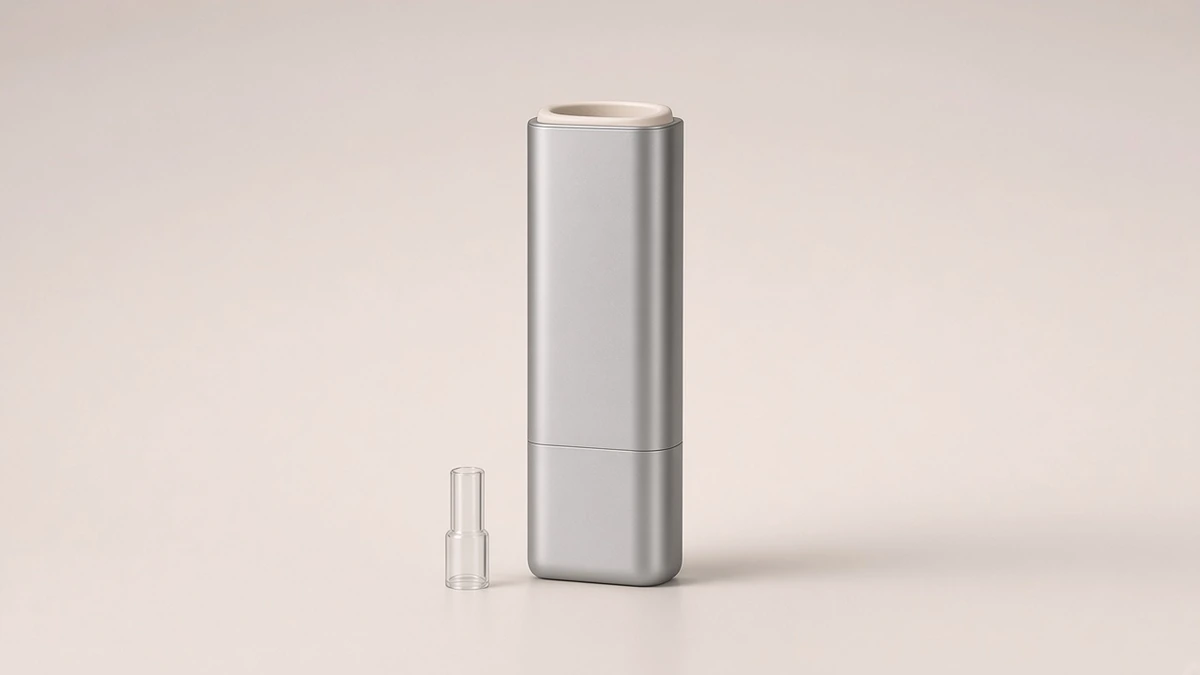
A dry herb vaporizer has to give the user a way to put material into the heating chamber. That opening may sit at the top of the oven, or it may be a door or hatch on the side of the body. Those two arrangements are easy to collapse into a single catalog phrase such as “easy-load chamber” or “quick access oven.” They should not be. A top-load oven is filled through an opening above the chamber. A side-load door is filled through an opening in the side of the body. A brief that names a chamber without saying how it is accessed is incomplete.
That distinction is not the same as what comes off the top as a cooling path, and it is not the same as whether the project uses a dosing capsule. Cooling Unit or a Glass Stem: What Comes Off the Top of a Dry Herb Vaporizer already identifies the top cooling part. Dosing Capsules for Vapes: Fit, Airflow, and the Tradeoffs That Matter and Dry Herb Vaporizer Cups: Chamber Fit, Heat Path, and Cleaning Boundaries already treat capsules and cups. This guide stays on the loading path itself: top-load or side-load, and what a listing photograph cannot prove.
🔎 1. The Loading Opening Is Not the Mouthpiece and Not a Capsule
The first cut is simple. The loading opening is the path used to put material into the oven. The mouthpiece or cooling unit is the path the vapor uses to leave the device. A dosing capsule or cup is an insert that may sit inside the oven. Those identifications can live on the same device, but they are not interchangeable.
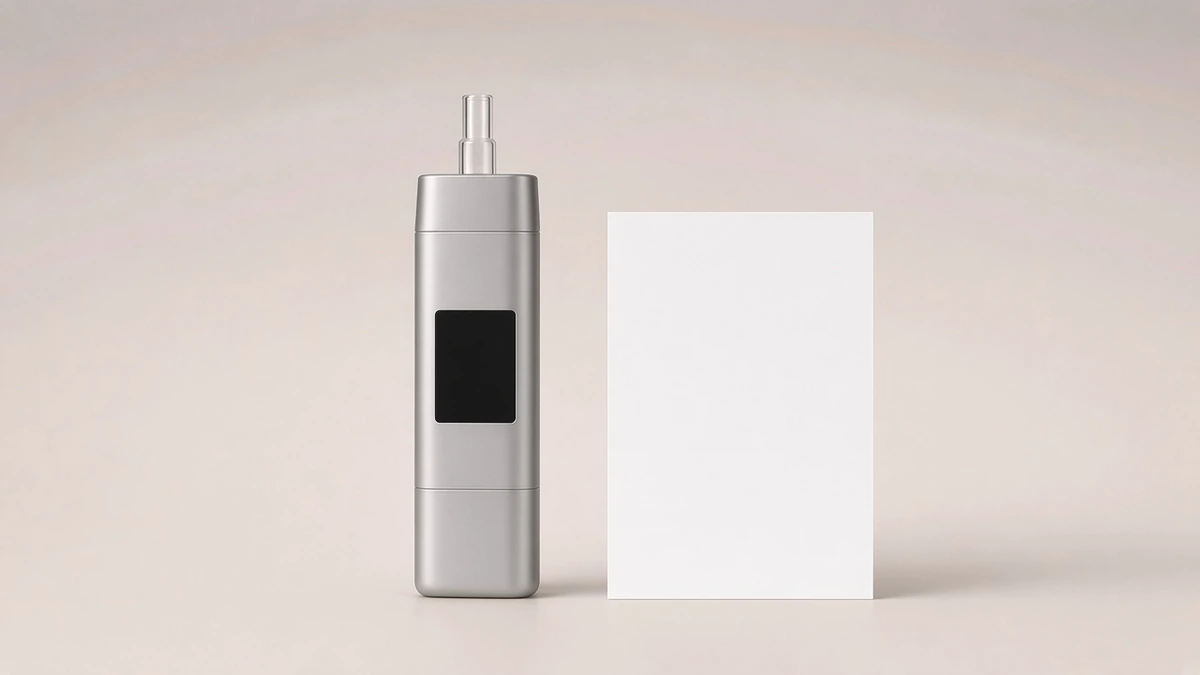
A lid on top of the device may be a cooling unit, a mouthpiece, a chamber cap, or a combination of those jobs. Do not assign it a loading job from a silhouette. Cooling Unit or a Glass Stem: What Comes Off the Top of a Dry Herb Vaporizer is the place to identify the top cooling part. This guide does not retell that subject. It only asks whether the oven is accessed from the top or from a side door once those parts are understood.
A capsule or cup does not settle the loading path either. The same insert can be used in a top-load oven or in a chamber that is reached through a side door. Name the insert, then name how the oven is opened.
🏷️ 2. An “Easy-Load” Label Is Not a Complete Access Specification
“Easy-load,” “quick access,” “open oven,” and “slide door” are starting labels, not finished access specifications. The label does not tell you whether the chamber is opened from the top or from the side. It does not tell you which part has to move, or whether that part is the mouthpiece, a separate lid, or a door in the body.
A “conduction” or “convection” claim is also incomplete as a loading identification. How Do Dry Herb Vaporizers Work? Conduction, Convection & Everything Explained already treats the heating family. Heating family does not tell you how the oven is filled. If the listing says only “easy packing,” write that wording down and ask which opening, which moving part, and which revision the drawing actually names.
Dry Herb Vape vs. Cart: Where the Chamber and Heater Actually Sit already identifies the chamber as a hardware location. This guide does not retell that comparison. It only asks how that chamber is accessed on the exact dry herb version in the quotation.
🧩 3. Identifying a Top-Load Oven on a Sample
A sample in the loading position is the right place to confirm a top-load oven. Follow only the steps the version work instruction allows. If a mouthpiece or cooling unit has to come off, or if a lid has to swing or lift, record that moving part. Then look at whether the oven is open from above, so material is placed down into the chamber.
Record what you actually have to move. A top-load oven may be opened by lifting the mouthpiece, by removing a cooling unit, by flipping a lid, or by unscrewing a cap. Those are different parts, and they should not be collapsed into “the top comes off.” If the same part is both the mouthpiece and the chamber cap, write that down as a combined job, not as a reason to skip the loading-path line.
Do not call every top opening a top-load oven. A fill that is still reached through a side door, even if a mouthpiece sits on top, is not a top-load identification. The question is where the material enters the oven, not only which part sits at the top of the device.
📐 4. A Side-Load Door Still Has to Be Named, or Ruled Out
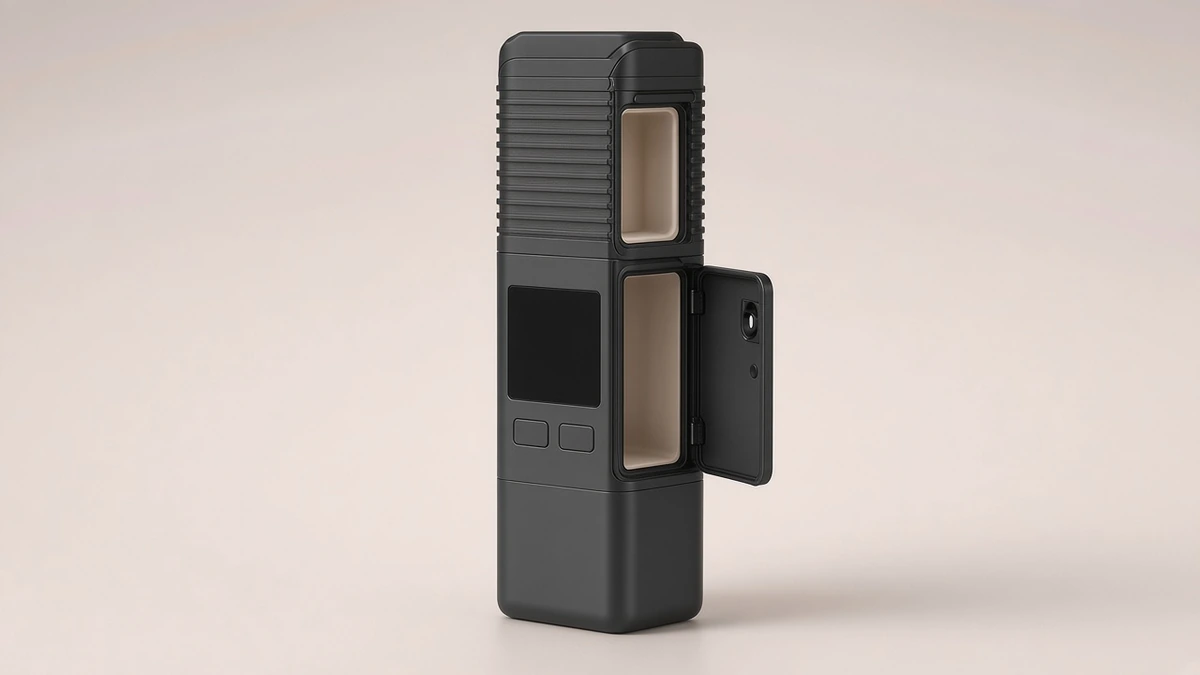
Once the top of the device is recorded, the sides still have to be checked. Look for a door, hatch, drawer, or sliding cover in the body that is designed to expose the oven from the side. Open it only as the version instruction allows. Record the moving part, the direction it moves, and whether the chamber is filled from that side opening.
A side window is not automatically a loading door. A sight glass, a status light, or a decorative panel can sit on the side of the body without giving access to the oven. If a panel does not open, or opens onto something other than the chamber, record what you see and check the drawing before calling the version side-load.
If the drawing and the sample disagree—if the brief calls the device top-load and the only chamber access is a side door, or if a “side oven” label hides a chamber that is still packed from above—stop and confirm the revision before the part is treated as approved. Degree Setting or a Heat Preset: How a Dry Herb Vaporizer Names Its Temperature already identifies the temperature-control family. Control family is not a loading path.
📷 5. What a Listing Photograph Can Hide
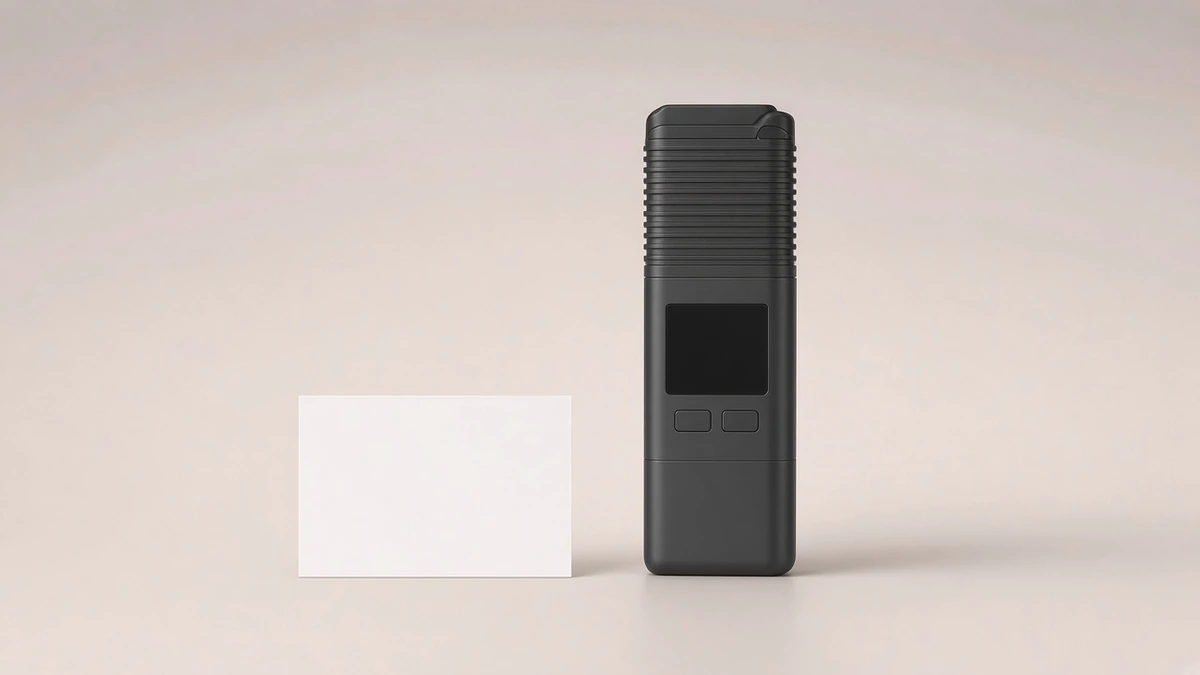
A listing photograph can support a loading-path identification if the oven is shown in the open loading position, the moving part is visible, and the listing names the path in a way that matches the sample. Often it is not. A beauty shot of a closed device can hide both the top lid and a side door. A cropped close-up of an open chamber may not show whether that opening was reached from above or from the side. A rendered exploded view may show a door that is not present on the revision in the quotation.
The photograph is also the wrong place to borrow a handling claim. A marketing image that says “easy to pack” or “no-mess loading” does not identify a top-load oven or a side-load door. Those assignments come from the drawing and from a sample of the exact version, opened as the work instruction allows. If the listing says “quick-access oven” and shows only a closed body, write that wording down and request an open-loading view, a part name for the moving cover, and the access callout.
✅ 6. What to Check on a Sample, a Drawing, and a Brief
A one-line description a team can reuse should name the loading path and should keep that fact apart from the cooling unit and from any capsule or cup. Example: “Dry herb vaporizer; oven is accessed as a top-load opening or a side-load door, as named on the version drawing; the cooling unit or mouthpiece and any capsule or cup are documented separately.”
On the sample:
- Open the device only as the version work instruction allows, and record the part that has to move to reach the oven.
- Confirm whether material enters the chamber from above or through a door or hatch in the side of the body.
- Do not treat a top mouthpiece or cooling unit as proof of a top-load oven until the chamber is actually accessed from above.
- Do not treat a side window, light, or panel as a loading door unless it opens onto the oven.
On the drawing and the current brief for that exact version:
- Record the loading path: top-load, side-load, or another documented access the drawing names.
- Record the moving part and whether it is also the mouthpiece or cooling unit.
- Keep capsules, cups, heating family, and temperature control in separate lines.
- If the drawing and the sample disagree, stop and confirm the revision before writing a purchasing line.
On the listing:
- Treat “easy-load,” “quick access,” “open oven,” and “slide door” as labels to reconcile with the sample and the drawing.
- A loading-path description stated for a named catalog example is that page’s documentation, not a default for the next device in the same photograph style.
Questions worth sending with a sample request:
- Is this exact version filled through a top-load oven, a side-load door, or another documented opening?
- Which part has to move to reach the chamber, and is that part also the mouthpiece or cooling unit?
- If a dosing capsule or cup is part of the project, how is the oven still accessed once that insert is in use?
- Which revision does the quotation cover, and does the open-loading sample match that revision?
- If the listing mentions easy packing, which loading path is actually specified for that project?
❓ 7. Short Answers a Brief Can Reuse
❓ 7.1 Identification Questions
What is a top-load oven on a dry herb vaporizer?
It is a chamber that is filled through an opening at the top of the oven, so material is placed down into the well. A part that sits on top of the device is not automatically a top-load lid.
What is a side-load door?
It is a door, hatch, drawer, or sliding cover in the side of the body that is designed to expose the oven for filling. A side window that does not open onto the chamber is not a loading door.
Does an “easy-load” label complete the specification?
No. The brief still has to say whether the oven is accessed from the top or from the side, and which part has to move.
Is the cooling unit the same thing as the loading path?
No. The cooling unit or mouthpiece is how vapor leaves the device. It may also be the part you move to reach a top-load oven, but that combined job still has to be written down.
Does a dosing capsule settle how the oven is filled?
No. A capsule or cup is an insert. The oven can still be a top-load or a side-load design around that insert.
Can a listing photograph settle the loading path?
It can support an identification if the oven is shown in the open loading position and matches the sample and the drawing. It often shows a closed body, or an open chamber without saying how that opening was reached. Confirm the path on a sample and in the version documentation.