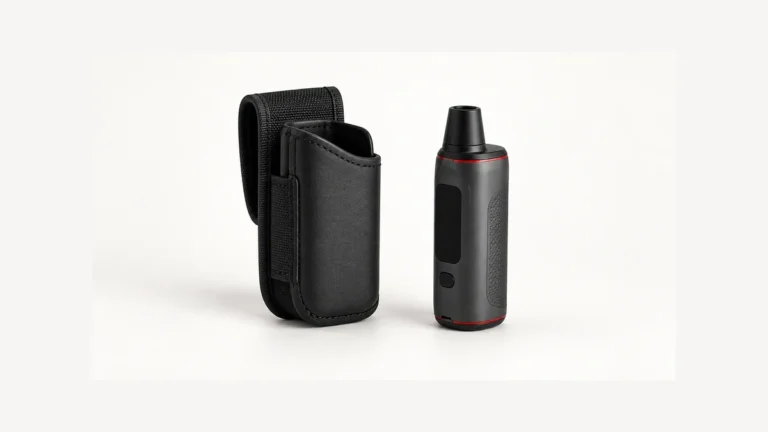
Ask someone how a vape actually works and most people can get about halfway before they stall out. “The battery powers it” — sure, but powers what, exactly, and how does a metal wire turn liquid or a chunk of concentrate into something you inhale? That gap in the middle is where most confusion lives, and it’s also where most of the wrong troubleshooting happens. Someone assumes their battery is dead when the real problem is a loose connection. Someone calls the whole cartridge an “atomizer” when the atomizer is really just one small part living inside it. None of this is complicated once you see the actual path the power takes, but almost nobody walks through it step by step.
The easiest way to understand it is to stop thinking about vapes as electronics and start thinking about them as a very small, very fast kettle. Electricity goes into a heating element, the heating element gets hot, the heat transfers into something nearby, and airflow carries the result away from the heat source and out to you. That’s the entire loop. Every device, from the simplest disposable to the most elaborate mod, is a variation on those four steps. Once that loop is clear, the confusing parts — coil versus tank versus cartridge, why a “dead” battery sometimes isn’t, when a coil actually needs replacing — start sorting themselves out.
⚡ 1. The basic loop: power, heat, transfer, air
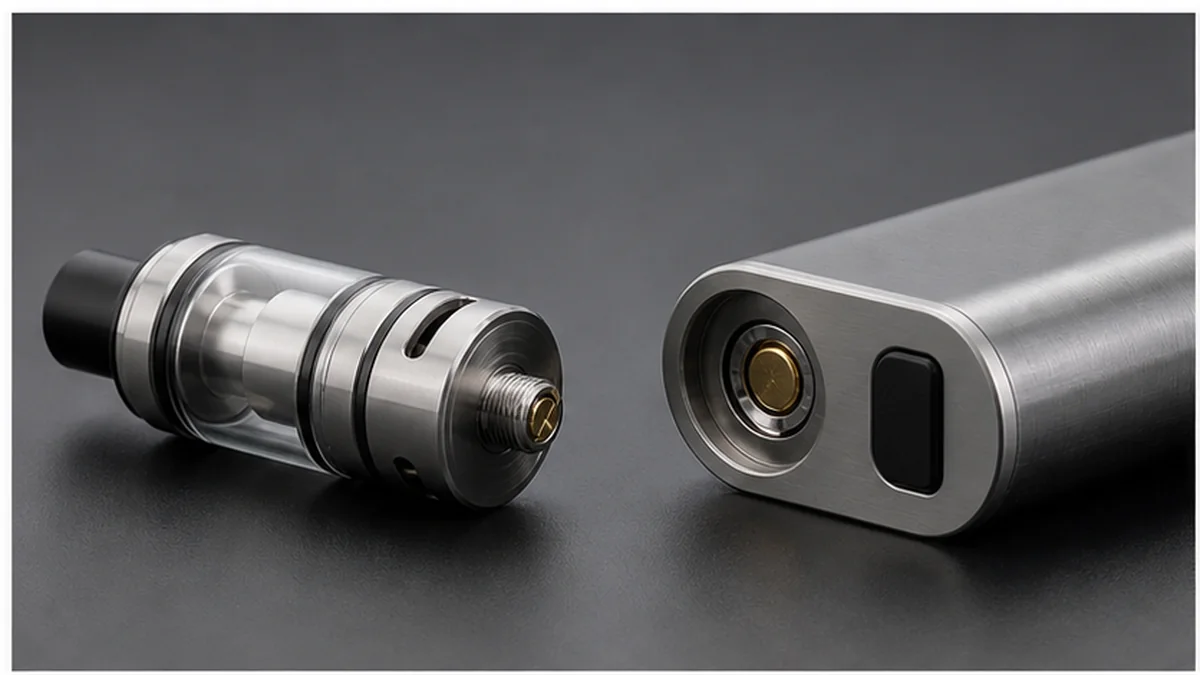
Press the button—or draw on a device with automatic activation—and the control circuit allows current to flow from the battery through the device contacts and into the heating element. Those contacts are physical interfaces, not permanent joints. Oil residue, debris, damage, or poor alignment can interrupt the path even when the battery is charged.
🔥 1.2 Resistive heating: turning electricity into heat
Once current reaches the heating element, electrical resistance causes energy to be dissipated as heat. It is the same broad principle used by a toaster element, scaled and controlled for a much smaller device. Everything downstream depends on that heat reaching the intended material rather than being lost to the surrounding hardware.
🌡️ 1.3 Transferring heat into liquid or material, not just warming metal
A hot element in open air is not enough; heat must reach the liquid or concentrate. In many liquid systems, cotton or a porous ceramic structure brings liquid toward the heated area. Think of a burner and a pan: the useful result comes from a controlled heat path, not from hot metal alone. If liquid supply cannot keep pace, the heated area can run too dry and produce an unpleasant burnt taste.
💨 2. Airflow and vapor: how heat becomes something you inhale
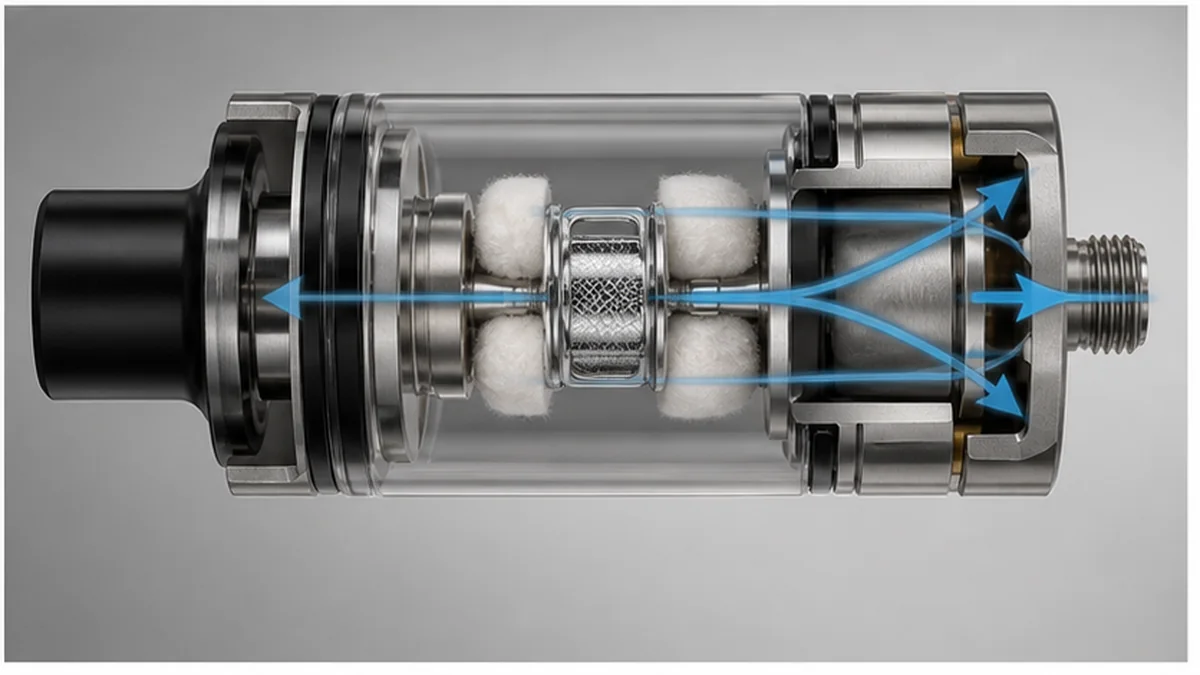
🌬️ 2.1 Airflow pulls vapor away from the heat source
The user’s draw moves air through the inlet, past the heated zone, and toward the mouthpiece. In draw-activated devices, a pressure or airflow sensor may also tell the control circuit to energize the heater. The route differs by design, but airflow always affects how quickly vapor leaves the hot zone and how the draw feels.
💧 2.2 Condensation: why vapor doesn’t just disappear
Like moisture on a pot lid, vapor can cool against the airway or mouthpiece and condense. Some internal condensation is expected, but visible liquid around a base can also come from seepage or a seal problem. Location and recurrence matter; “it is only condensation” should not be the automatic diagnosis.
🧩 3. Atomizer, coil, tank, and cartridge: sorting out the parts
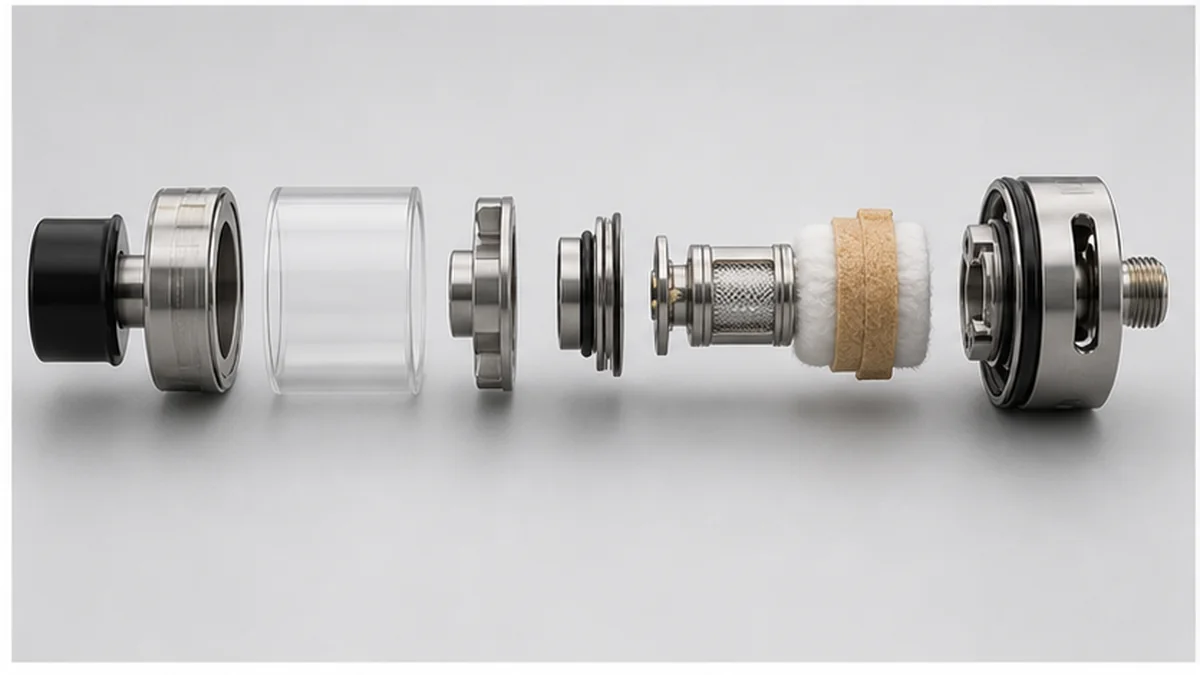
🔧 3.1 The coil or head is the heating element, not the whole atomizer
The coil (sometimes called a head, especially in pod and tank systems) is specifically the wire-and-wick assembly that does the heating described above. It’s a small, replaceable part, usually a metal cylinder with wicking material threaded through it, that screws or snaps into a base. When people say “my coil burned out,” they mean this specific piece stopped transferring heat properly — not that the whole device failed.
🫙 3.2 The tank or cartridge holds material — it doesn’t heat anything
A tank or cartridge provides the reservoir and liquid path, while its integrated or replaceable heating assembly does the heating. Calling the entire cartridge “the atomizer” is common shorthand, but it hides which component is actually at fault. The 510 cartridge guide explains the cartridge layers in more detail.
🏗️ 3.3 What “atomizer” means depends on which device you’re holding
In practical hardware language, “atomizer” usually means the heating assembly, but manufacturers and users may apply the word to a replaceable head or an integrated cartridge. When troubleshooting, name the exact part: heater, reservoir, contacts, airway, or battery.
🔌 4. The 510 connection: what it standardizes and what it doesn’t
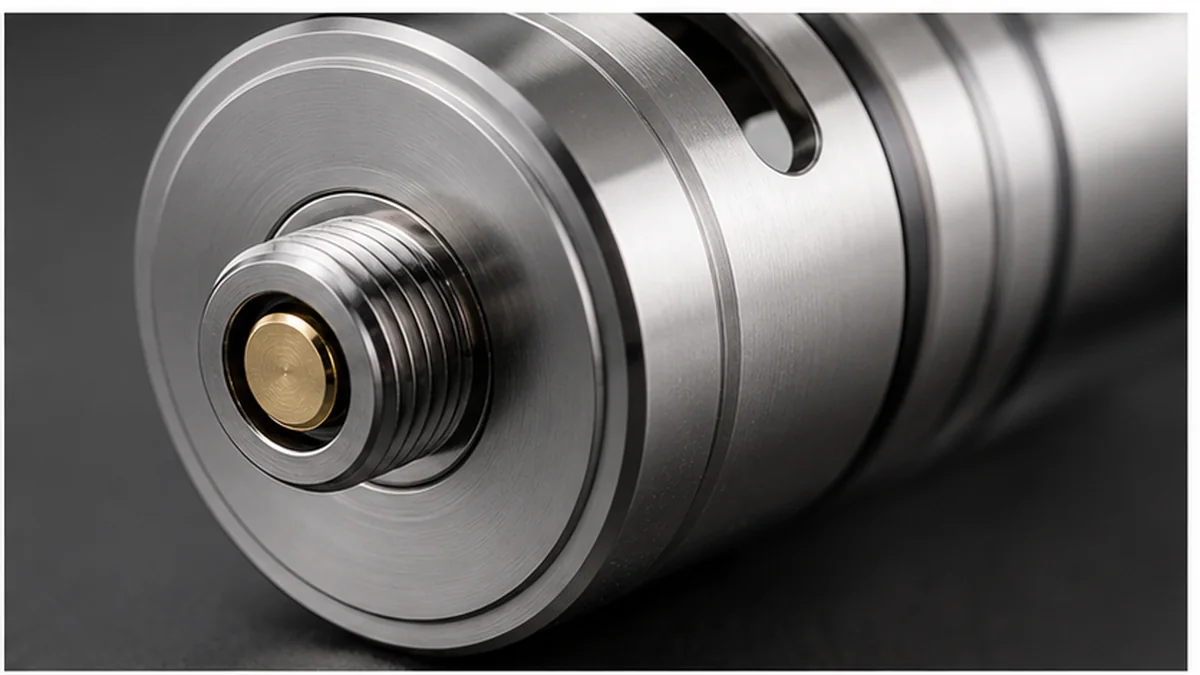
The 510 threading — the small screw-on connection you’ll see on the bottom of most cartridges, tanks, and atomizers — is one of the most misunderstood parts of the whole system, mostly because people expect a shared thread size to mean more compatibility than it actually delivers.
✅ 4.1 What 510 threading actually guarantees
“510” describes a widely used threaded interface and contact arrangement. It often lets components from different brands screw together, but manufacturing tolerances and contact-pin geometry still vary. Treat it as the first compatibility check, not a guarantee.
⚠️ 4.2 What it doesn’t guarantee: fit, power match, or performance
A component can thread on yet be a poor match for battery output, airflow, diameter, or center-pin reach. A crossed thread or contaminated contact can also imitate a power fault. The separate 510 wax atomizer compatibility guide shows why thread fit is only the beginning.
🔍 5. Why a “dead battery” is sometimes just a bad connection
🧽 5.1 Contact points corrode, loosen, and get gunked up
The center contact and surrounding metal can collect pocket debris or migrated oil. A thin film can prevent reliable contact without changing the battery’s stored charge.
🔎 5.2 Quick checks before assuming the battery failed
With the device powered off, remove the cartridge, inspect the dry contacts, and follow the manufacturer’s cleaning instructions. Reattach it straight and only finger-tight. If a known-compatible component works normally, the original cartridge or its contact is the more likely fault. Stop if the connector is damaged, hot, swollen, or leaking.
🔄 6. When a coil or atomizer actually needs replacing
🚬 6.1 Signs the heating element is wearing out
A persistent burnt taste after confirming adequate material and correct setup can indicate a damaged wick or worn heating assembly. Reduced output can also come from low charge, restricted airflow, poor contact, or thick material. Gurgling more often points to excess liquid or condensation than to age alone, so diagnose the whole path before replacing parts.
🧱 6.2 Material and build affect how long a coil lasts, in general terms
Heating assemblies use different combinations of metal elements, cotton, porous ceramic, quartz, and housing geometry. Those choices change liquid delivery, thermal response, cleaning access, and replacement behavior; material name alone does not predict service life. The quartz coil versus ceramic comparison comparison explains the tradeoffs without treating either material as universally better.
🧪 7. Different atomizer types built around the same basic loop
🔁 7.1 Replaceable coil and head systems used in tanks and pod devices
In a serviceable tank or pod, the coil head screws or snaps into the reservoir base and can be replaced separately. The reservoir is reusable only for as long as its seals, body, and connections remain in good condition.
💊 7.2 Sealed cartridge atomizers built into oil cartridges
Many oil cartridges combine reservoir, liquid inlets, heating core, airway, and contacts in one unit that is replaced rather than serviced. The same energy path remains, but the components are packaged together. The 510 cartridge guide covers these layers in more detail.
🕯️ 7.3 Wax and concentrate chambers: same heat, different material
Wax devices use a chamber with an exposed or enclosed heated surface instead of a liquid reservoir feeding a wick. Geometry and airflow differ, but the same chain—power, controlled heat transfer, then moving air—still applies. See the 510 wax atomizer guide guide for chamber compatibility and no atomizer troubleshooting guide for connection-error troubleshooting.
🧭 8. Troubleshoot the atomizer by following the loop backward
The four-part model is more than an explanation; it is a useful way to avoid random part swapping. Start with the symptom, then work backward through airflow, material delivery, heat, and electrical contact. Make only checks allowed by the device manufacturer, power the device off before cleaning or changing parts, and stop using hardware that is damaged, unusually hot, swollen, or leaking.
🚫 8.1 No output at all: begin with power and contact
If there is no heat, sound, or vapor, confirm that the battery is charged and unlocked, then inspect whether the attachment is straight and properly seated. A device message such as “no atomizer” often means the control board cannot detect the expected electrical path; it does not automatically prove that the heater itself is destroyed. A clean, dry contact and a known-compatible attachment help separate a connection problem from a battery problem. Do not pry up center pins, bridge contacts with metal, or keep firing a device that reports a fault.
📉 8.2 Weak output: check all four links, not just the battery
Weak output can come from restricted airflow, poor liquid delivery, residue on the heater, a low battery, or an output setting that does not suit the attached component. That is why replacing the battery first is often an expensive guess. Check the airway for an obvious obstruction, verify that the reservoir is not empty, and compare behavior with a manufacturer-approved component if one is available. If performance changes after the swap, the attachment deserves attention; if it does not, the battery or device controls become more likely suspects.
🔥 8.3 Burnt or unusually harsh output: stop adding heat
A burnt result usually means heat is arriving faster than material can reach or cool the heated area. More power rarely fixes that mismatch. Let the device cool, verify that material is present, and follow the maker’s priming or replacement guidance. With sealed cartridges, a scorched core generally is not serviceable. With replaceable heads, a fresh compatible head may be the correct maintenance step—but only after checking that the setup, liquid path, and power setting are appropriate, otherwise the replacement can develop the same problem.
Strip away the brand names and marketing terms and every device boils down to the same four-step loop: power reaches a heating element through a physical connection, resistance in that element converts electricity into heat, that heat transfers into liquid or material through direct contact, and moving air carries the result out before it can condense back into place. Most of what looks like a mystery — a device that won’t fire, a coil that tastes burnt, a cartridge that seems to be leaking — traces back to one link in that chain, usually the connection point or the heat-transfer step, rather than anything actually wrong with the battery.
AOVAPE builds its coils, cartridges, and devices around that same basic loop, matching heating elements to the materials and batteries they’re actually paired with rather than treating 510 compatibility as the whole story. If you’re trying to figure out which coil or cartridge setup fits what you’re already running, our device and cartridge guides are the right place to start before assuming a part — or a battery — needs replacing.