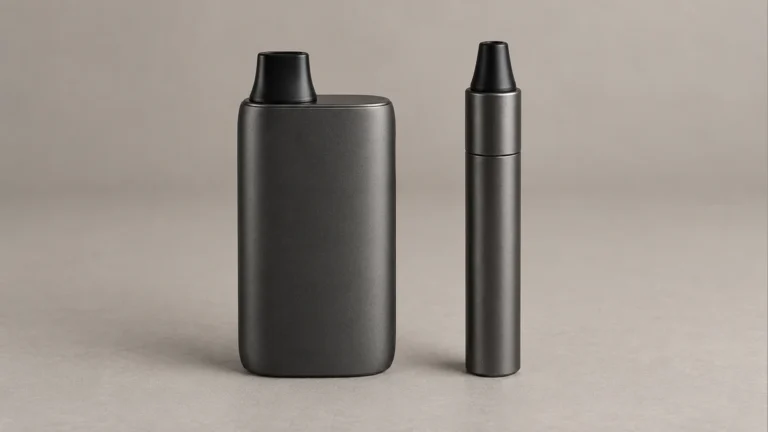
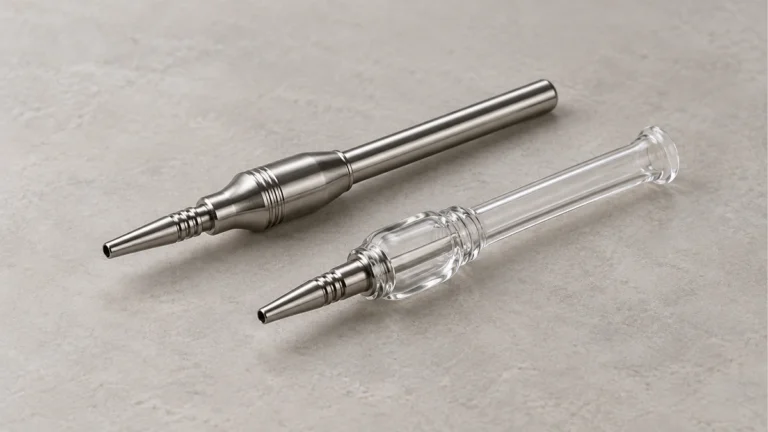
Can a dry herb and concentrate vaporizer handle both materials well enough to replace two devices? The practical answer depends on the actual chamber system. One body can share a battery and controls while using different inserts or replaceable chambers. That reduces the number of housings to carry, but it does not eliminate the parts or cleanup associated with two different jobs. The most useful question is how the device separates those jobs inside.
Reddit owners ask about that tradeoff in concrete terms: whether concentrate reaches hard-to-clean spaces, whether an insert is necessary, and whether they will need replacement coils. Some prefer keeping the functions separate; others are satisfied with one compatible device. Those reports help identify the questions, but they do not establish a universal winner. This guide focuses on the hardware arrangement and maintenance implications, rather than recommending products or promising the same performance from every device carrying a 2-in-1 label.
🌿 1. Two Different Jobs Inside One Housing
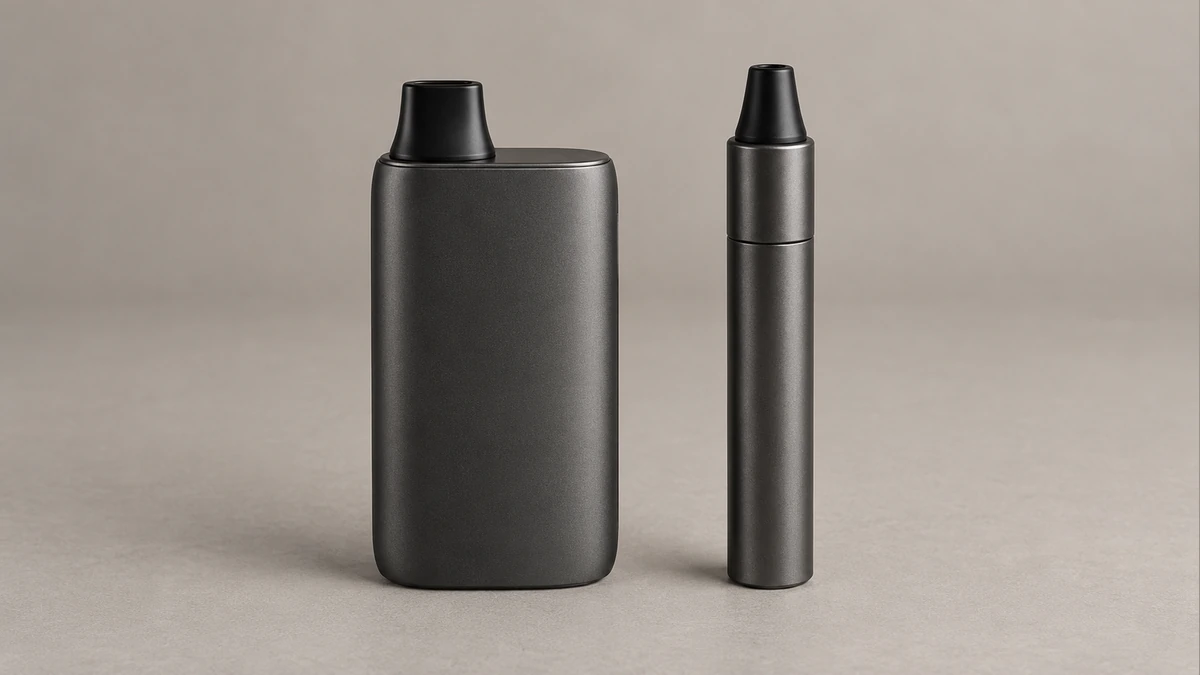
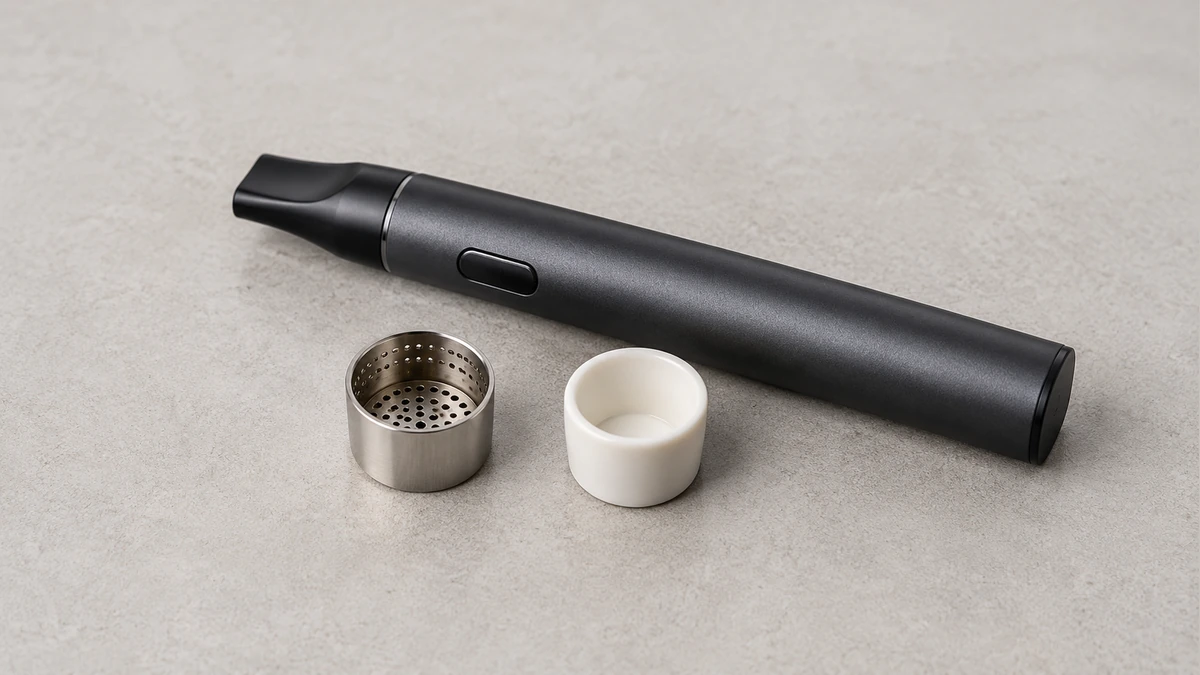
A dry-herb chamber needs to contain loose botanical material while allowing its intended airpath to remain open. A concentrate chamber or insert needs to contain a material with different physical behavior. Those containment jobs are not interchangeable simply because both involve heating. A perforated basket that holds loose particles is not necessarily a container for a material that can move through the openings. Conversely, a closed-bottom cup does not recreate the airflow layout of a perforated herb chamber. The distinction starts with the actual part geometry, rather than with a temperature number on the display.
Dual-use designs can handle the change in several ways. A removable passive insert may sit inside the existing chamber, or a replaceable active chamber may connect to the body and use electrical contacts. Other designs are specific to one material even if an accessory that looks suitable can physically fit. The body, battery and controls may be shared, but the intended material-contact parts still need to match the job. Physical fit is only one requirement. A spare cup fitting inside an oven does not establish that the device was designed to operate with it.
🔥 1.1 Conduction, Convection, and the Hybrid Middle Ground
Conduction transfers heat through contact, while convection carries heat with moving fluid, including air. These are general physical processes. A chamber can receive heat through its wall and from moving air, and inserting another part changes the material-contact arrangement. It does not follow that every concentrate insert uses only conduction or that a convection-focused body cannot have an intended concentrate accessory. What matters is how the specific assembly is built to receive heat and allow airflow. The dry-herb conduction and convection guide explains the two heating descriptions. Neither term alone tells you whether a device supports both material categories, how fast it heats, or what an owner should expect from an unapproved insert.
🧪 2. What Actually Holds the Concentrate
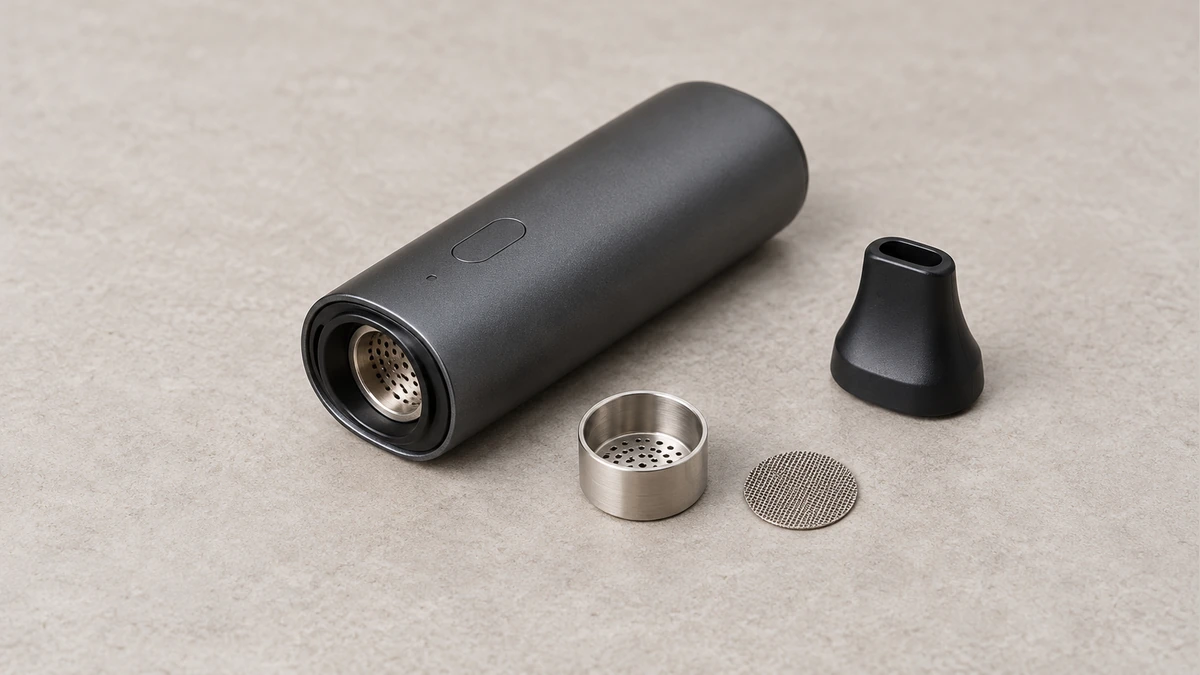
Separate cups, baskets, screens, pads and atomizers by function rather than appearance. A cup provides a bounded space. A basket or screen has openings and may primarily retain loose particles. A passive pad receives heat from the surrounding system; an active atomizer has an electrical heating arrangement. A perforated insert is not automatically suitable for concentrate, and a screen should not be treated as a liquid-catching tray. Nor does the word ceramic establish whether a part is porous, solid, electrically heated or merely a passive liner. Look at where the part sits and what its maker intends it to contain.
A passive cup and an active atomizer also have different connections. The cup may have no electrical contacts at all, whereas a powered replacement chamber needs the correct contact arrangement and device compatibility. One manufacturer’s FAQ gives a useful, limited example: its specified wax cup is for wax, and the instructions exclude oils and liquids. That boundary belongs to that device and accessory, rather than to every dual-use vaporizer. It illustrates why “concentrate compatible” should not be expanded into “compatible with every concentrate form.” The same FAQ treats the mouthpiece, chamber and removable components as distinct cleaning tasks. That separation is more informative for routine care than the broad label 2-in-1.
⚙️ 2.1 Quartz and Ceramic Describe Only Part of the Assembly
Quartz and ceramic describe materials, but the completed part determines its heating and cleaning behavior. A thin liner, a thick cup and a porous pad can differ even when their descriptions use the same material word. Wall thickness, surface finish, exposed heater layout and access for cleaning all matter. Avoid assuming that every quartz part heats faster or that every ceramic part absorbs residue. The sand and quartz atomizer guide examines the construction question in another hardware category. For a dual-use body, the first check remains whether the actual chamber or insert is the intended compatible part.
🔄 3. Switching Categories Without Dragging Mess Into the Next Session
Residue containment is a central concern when the same body serves both jobs. A thread about cleaning hard-to-reach residue discusses an owner using a chamber without the intended insert. The report is a specific owner’s experience, not a failure rate for the category. It still explains why a removable containment part deserves attention: if material reaches an internal recess, it may no longer be accessible as an ordinary user-cleanable surface. Do not treat a supplied insert as optional or substitute a screen simply because it fits. Keep cleaning within the user-accessible parts and follow the actual device instructions.
Switching functions is therefore more than exchanging whatever is visible at the top. Identify the removable material-contact part, the surrounding chamber and the surfaces shared with the mouthpiece. Let the device cool and turn it off before handling or cleaning removable parts. Clean them only with the permitted method, and let them dry before reassembly. If residue has reached an internal area the instructions do not identify as user-accessible, avoid probing with metal tools or opening the battery housing. That becomes a device-support question, rather than a reason to improvise a more aggressive cleanup.
A shared mouthpiece can remain part of the same vapor path even when the lower insert changes. Cleaning the cup alone may therefore leave a film on an accessible filter or mouthpiece surface. A discussion of an unexpected taste with an insert contains differing owner experiences and no confirmed cause. Those anecdotes cannot establish that the material is unsafe, that every insert produces a taste, or that cleaning is necessarily the explanation. Use the permitted care method on each accessible component. If an unexpected taste persists, stop using the affected configuration and request device-specific guidance rather than trying to diagnose the cause through repeated sessions.
🔋 4. Battery and Runtime: Check the Actual Configuration
Runtime depends on the complete electrical and heating system and the conditions under which a figure was measured. A battery-capacity label does not reveal how many uses each mode will provide. Nor does an active atomizer automatically draw more current than the herb heater; that comparison needs the actual electrical design. If the maker gives a runtime or session-count figure, check which configuration it describes. Sharing a battery means both functions draw from the same stored energy, but that does not justify splitting a published session count evenly between them. Charging instructions also belong to the device, not to a generic insert type. Keep liquids and cleaning materials away from charging ports and contacts, and do not charge or reassemble parts that remain wet.
🛠️ 5. Coil Replacement vs. Passive Inserts
An active replacement chamber may contain a heater and contacts that a passive cup lacks. Those parts need different troubleshooting. A cup that sits incorrectly may have a seating problem; a powered chamber that does not register may have a connection or compatibility issue. A passive cup can still become chipped, distorted or difficult to clean, so absence of a coil does not mean absence of maintenance. Replacement timing should follow the actual part condition and maker’s instructions, rather than an invented universal coil lifespan. A device with an active chamber also needs its own approved electrical replacement, not a visually similar part from another system.
The concern is visible in a thread about dual-use portables and coil replacement. Replies differ on whether one device is satisfying, and some shift to separate-device suggestions. The useful question behind them is what happens after the original accessory needs replacement. Is the chamber user-replaceable? Is the insert a passive part or an electrical assembly? Can the mouthpiece and filters be cleaned separately? Those are maintenance questions, not a reason to turn the article into a product shortlist. Knowing which part does which job helps explain why two owners can value the same category differently.
🤔 6. One Device or Two Specialized Ones
One compatible body reduces the number of housings and may consolidate charging, but its inserts still need a place to live. Two dedicated bodies keep the material-contact systems separate while adding another device to store and maintain. Neither arrangement guarantees less cleaning. A dual-use device with accessible removable parts can differ substantially from one with hard-to-reach shared surfaces. Likewise, a dedicated device is not automatically simple to clean. In another owner discussion, people weigh convenience against keeping the jobs separate. Treat the disagreement as a practical tradeoff, not proof that one approach is universally inferior.
Finally, do not apply older forum advice to an unsupported current device. A current manufacturer’s support page specifies dry-herb use and excludes liquids for its devices. It is one device-family boundary, not a general statement about the entire combination category. The concentrate vaporizer guide describes the dedicated side of the comparison. For an actual dual-use system, the helpful description names the body, approved insert, shared path and accessible cleaning parts. Those details explain what is consolidated and what remains separate, without relying on a broad promise that one vaporizer handles everything.
🧳 7. One Housing Still Means Several Parts
A spare cup or chamber needs clean, protected storage while it is out of the body. Keep it separate from loose objects that can enter an opening or mark a contact surface. A case compartment that fits the main device may not hold the insert securely. Let removable parts cool and dry before storage, and avoid putting a recently cleaned part against a lining that already carries residue. The convenience of one body is easier to maintain when each removable part has an identifiable place.
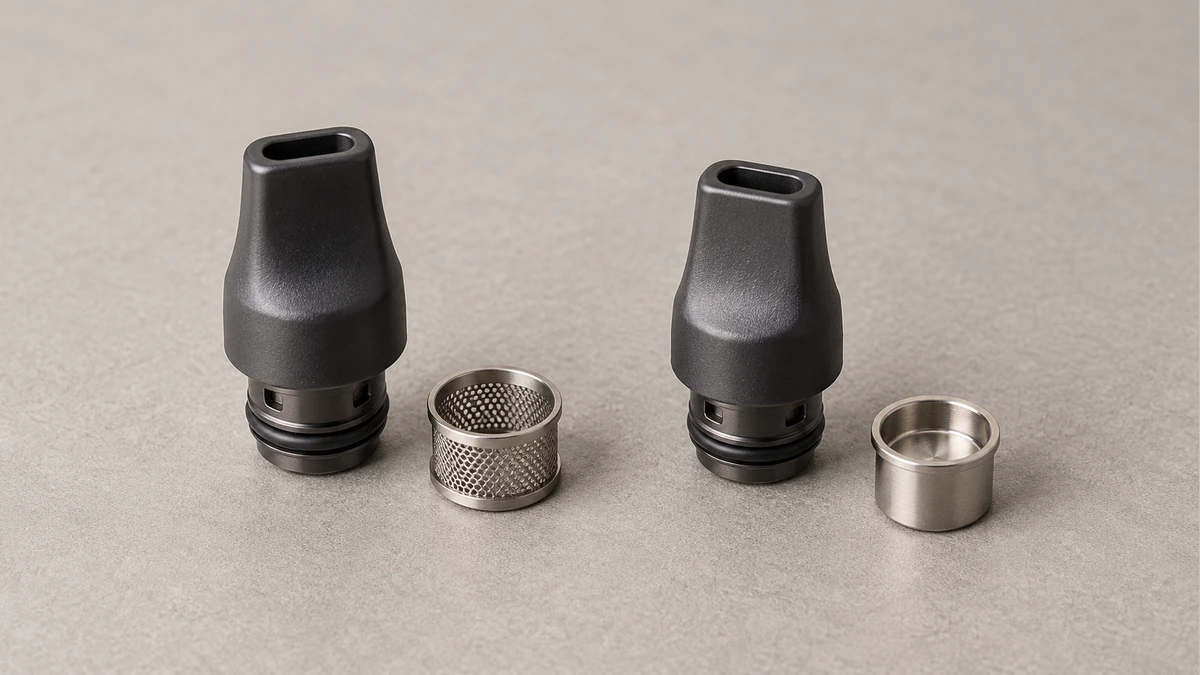
Small components matter here. A screen, seal or mouthpiece filter may belong to a particular assembly even if it looks generic. Keep the intended pieces together and follow the manufacturer’s arrangement when reassembling. A missing filter should not be replaced by an arbitrary piece of mesh, and a damaged cup should not be repaired with an adhesive. The insert remains a functional part of the device, rather than an optional storage accessory.
For someone comparing the two hardware arrangements, a simple inventory is more revealing than the phrase all-in-one. Count the body, removable chamber or cup, mouthpiece parts and any approved replacements needed to maintain the system. Then identify which surfaces are shared. Two devices keep more of those surfaces separate; one body consolidates some of them. That comparison explains the practical ownership difference without assuming a performance advantage or giving a product recommendation.
It also helps to distinguish maintenance from a fault. A dirty removable filter is a care task, while an error message, damaged electrical contact or loose powered chamber needs the instructions for that specific device. Repeatedly swapping parts to clear an unexplained fault can obscure which assembly is affected. Note the configuration and the symptom, turn the device off, and use the maker’s troubleshooting procedure. Keeping the herb insert and concentrate assembly clearly identified makes that report easier to understand and avoids mixing incompatible parts during reassembly.