The battery icon was blinking red with maybe twenty minutes of use left, and the only wall outlet in the room was already taken by someone’s phone charger. That’s the kind of moment that turns “battery architecture” from a spec-sheet abstraction into a real decision. Anyone who has stood at a market stall, a trade show floor, or a friend’s apartment with a dead device in hand has probably wished, at least once, that they could just swap in a fresh cell and keep going instead of waiting on a cord.
That single scenario is a good entry point into one of the more consequential design choices in portable vaporizer hardware: whether the battery lives inside a sealed housing or sits behind a door where it can be pulled out and replaced. Neither approach is wrong. Each one asks something different of the person carrying the device, and the right answer depends less on which architecture is “better” and more on how someone actually uses their hardware day to day.
🔍 1. Why Choose a Detachable Battery
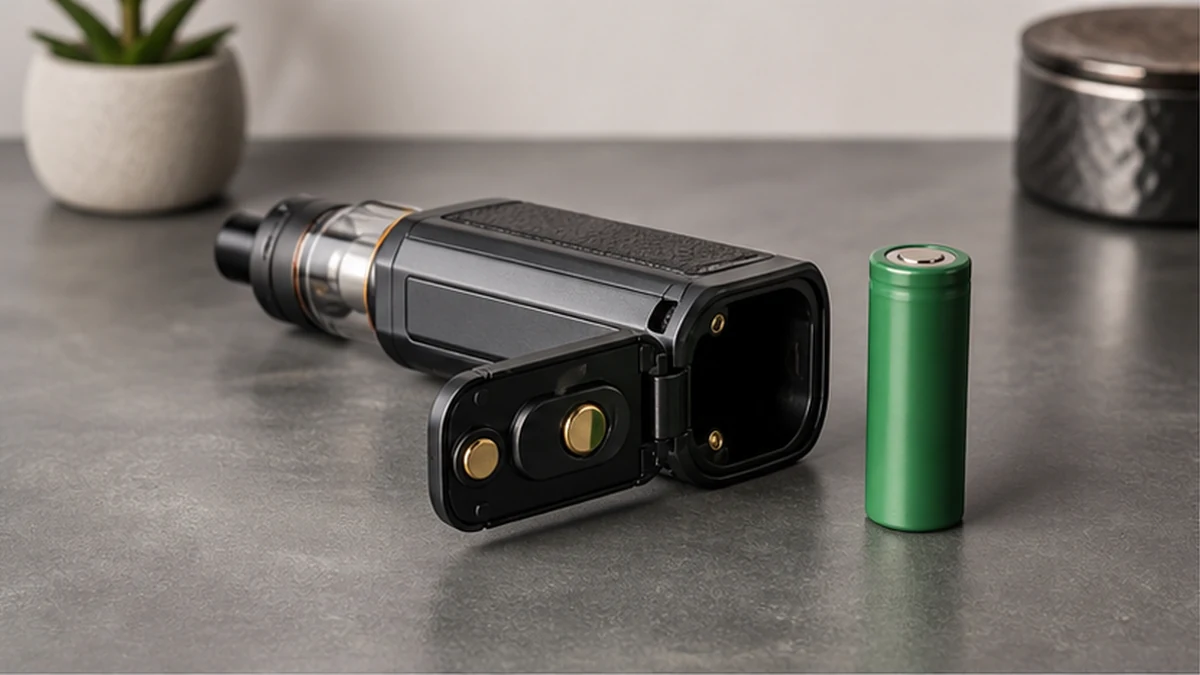
The appeal of a vape with detachable battery is fairly direct: when the cell runs low, you don’t wait, you swap. For someone who is out for the better part of a day, at a festival, on a long shift, or simply away from a reliable outlet, having a second charged cell in a pocket case turns a dead device into a thirty-second fix instead of an hour-long wait.
There’s a second, less obvious benefit tied to service life. Rechargeable cells degrade with use — that’s true of any lithium-based battery, in any device, regardless of brand. A cell that’s been through hundreds of charge cycles simply won’t hold as much charge as it did on day one. In a sealed device, that degradation is permanent and shared by the whole unit; once the internal cell fades, the device’s usable runtime fades with it, and there’s no way to separate the two. In a device with a removable cell, the battery is a wear part that can be retired and replaced on its own schedule, independent of the housing, the heating element, or the electronics around it.
That distinction matters most to people who use a device heavily and expect to keep it in rotation for years rather than one or two seasons. It matters much less to someone who replaces devices every year regardless of battery health, since the sealed cell’s decline may never actually become the limiting factor before the owner has already moved on to something newer.
🧭 2. What Responsibilities Move to the Owner
A door and a set of contacts sound like a small mechanical addition, but they come with a real shift in who is responsible for what. With a sealed device, the manufacturer has already made every decision about the cell — its chemistry, its protection circuitry, how it’s charged, how it interacts with the rest of the electronics. The owner’s job is just to plug in a cord.
With a removable cell, several of those decisions move to the person holding the device:
- Choosing a cell with the correct dimensions, discharge rating, and protection features for that specific device
- Buying from a source that sells genuine, correctly labeled cells rather than relabeled or mismatched stock
- Inspecting the wrap and contacts periodically for damage, since a torn wrap or exposed metal is a real safety issue rather than a cosmetic one
- Retiring a cell once it’s clearly degraded rather than continuing to use it well past its useful life
- Understanding basic charging behavior well enough to know what a healthy charge cycle looks like
None of that is complicated once you know it, but it is not optional knowledge either — it’s the tradeoff for the flexibility a removable cell provides. For anyone weighing this decision, it’s worth spending time with a general reference on how these cells behave before assuming a swap-in replacement is as simple as buying “a battery.” Our 18650 vape battery guide goes through the sizing and handling questions that come up most often for owners making that switch for the first time.
Charging habits also become the owner’s responsibility in a way they aren’t with a sealed device. An external charger, rather than the device itself, is usually doing the work of managing that cycle, which means the charger itself becomes part of the safety equation rather than an afterthought. Anyone new to detachable cells is better off understanding what separates a well-designed charger from a corner-cut one before they buy their first spare; our vape battery charger guide walks through what to look for.
⚙️ 3. How Battery Doors and Contacts Affect Reliability
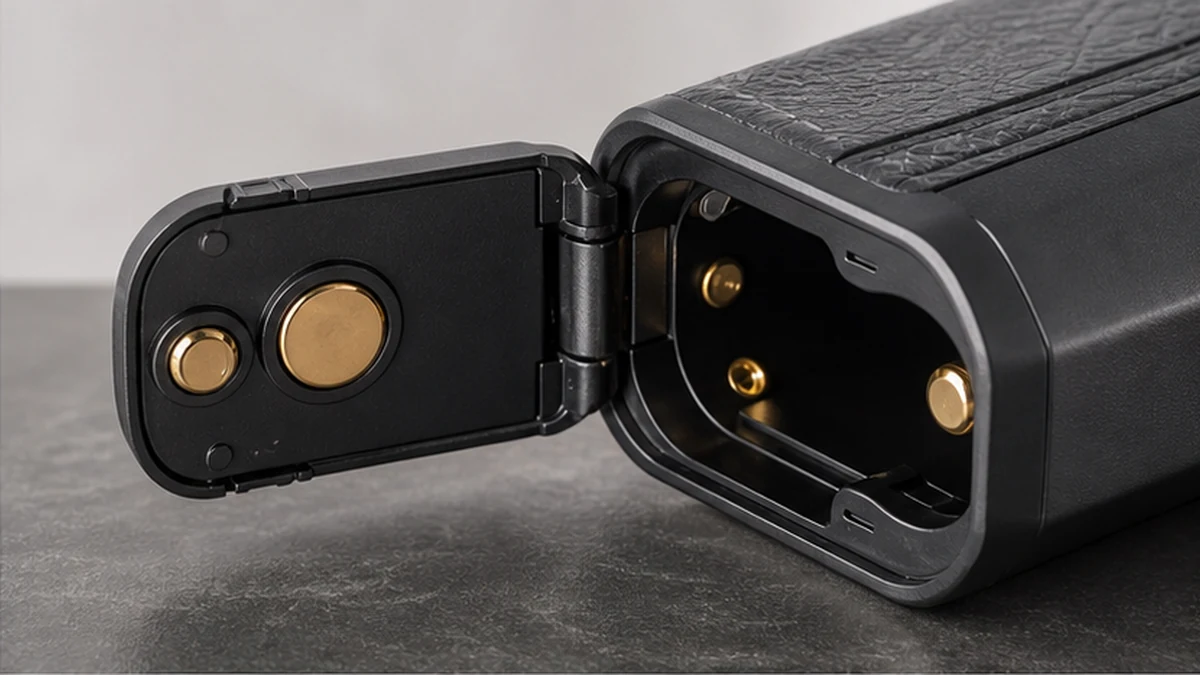
The door itself is a mechanical part, and mechanical parts wear differently than sealed electronics do. A battery door has to open smoothly, close securely, and hold that seal through repeated use — pocket friction, drops, temperature swings, the occasional bit of dust or lint working its way into the seam. Over time, a latch that started out snug can loosen. A door that used to click shut with confidence can start to feel like it needs a second push to seat properly.
The spring contacts inside matter just as much as the door itself. These are the small metal points that make the actual electrical connection between the cell and the device, and they’re doing that job under real mechanical load every time the door opens and closes. Contacts can lose tension over time, or develop light corrosion if they’re exposed to moisture or left in contact with a cell for long stretches without being checked. When that happens, the symptom is rarely dramatic — it usually shows up as a device that seems to lose connection intermittently, or one that needs the cell reseated to fire reliably.
None of this makes a door-and-contact design unreliable by nature. It just means reliability in this architecture depends partly on mechanical upkeep rather than purely on electronics. A sealed device sidesteps that particular failure mode entirely, because there’s no door to wear out and no external contact point to lose tension. It trades that mechanical simplicity for the inflexibility of a battery you can’t access, which is really the core tradeoff running through this whole comparison. Anyone weighing how much that matters for a specific device is better served by understanding how the surrounding controls and safety features are laid out first — our vape mod guide to controls and safety is a useful starting point for seeing how battery access fits into the larger picture of a device’s design.
🧩 4. Size, Door Design, and What They Cost Each Other
Fitting a battery door into a device isn’t free from a design standpoint. The housing needs enough structure around the door to keep it rigid, the latch mechanism takes up its own space, and the contacts need clearance to seat properly without shorting against the housing. All of that tends to add some bulk compared to a cell that’s simply built into a sealed shell with no access point to account for.
That’s not a universal rule — plenty of variables affect a device’s final size and shape beyond just battery access — but it’s a real design pressure that engineers have to work around, and it’s part of why devices built around a removable cell often lean toward a slightly larger or boxier form than their sealed counterparts. For someone who prioritizes the smallest possible footprint in a pocket, that’s a real consideration. For someone who prioritizes swappability and serviceability over slimness, it’s a reasonable trade to make.
Door placement itself varies by device as well — some sit on the base, some on the side, some behind a slide-off panel — and each layout has its own feel in terms of one-handed operation and how secure the door feels in daily use. There’s no single correct answer here either; it comes down to what feels solid and easy to operate for the person actually using it.
🛠️ 5. Travel and Storage Workflow
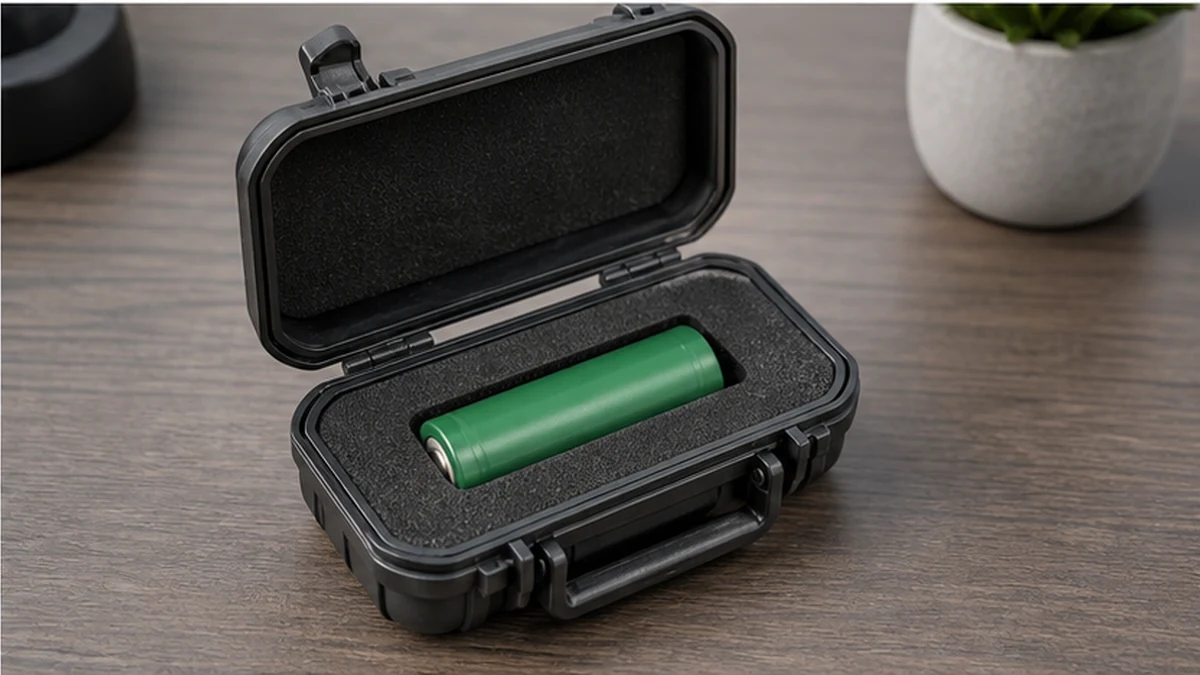
Carrying spare cells changes how a device fits into a travel routine, and it’s worth thinking through before a trip rather than during one. A charged spare cell is genuinely useful on a long travel day, but loose cells rattling around in a bag are a bad idea regardless of quality — a basic hard case or cell sleeve that keeps the terminals from touching metal, keys, or other cells is a small habit that avoids a real hazard.
Storage matters even when a device isn’t traveling. A cell left at a very low charge for an extended stretch tends to fare worse over time than one stored at a moderate charge, and a removable cell gives an owner the option to pull it out and store it separately from the device — useful if the device itself is going to sit unused for a while. A sealed device doesn’t offer that option; whatever charge state the internal cell is in when it goes into a drawer is the state it stays in until someone plugs it back in.
A simple habit for anyone managing multiple spare cells:
- Keep cells in a case with individual slots or insulated sleeves, never loose in a pocket or bag
- Label or otherwise track how many charge cycles each cell has seen, if the goal is to retire them proactively
- Store spares at a moderate charge rather than fully depleted if they won’t be used for a while
- Check the wrap on each cell periodically, especially after it’s been jostled around in a bag
📐 6. Who Is Better Served by an Internal Battery
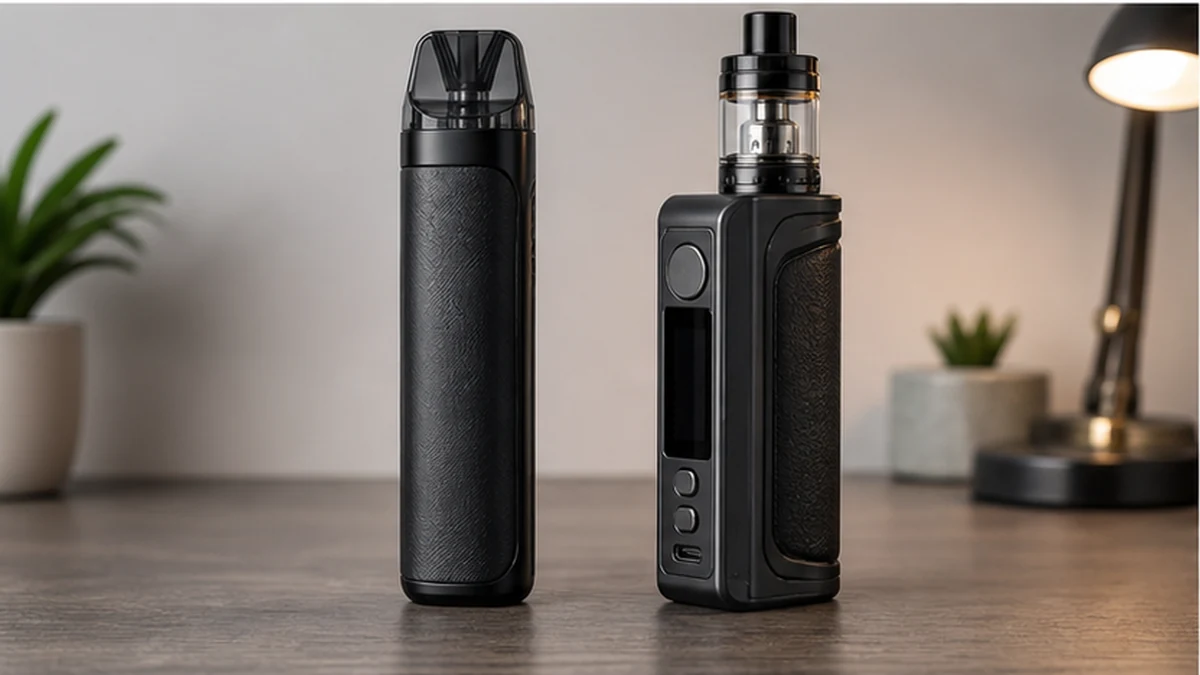
None of this is an argument against sealed devices — it’s a case for matching the architecture to the person. An internal battery is the right call for someone who wants to buy a device, charge it, use it, and not think about the battery as a separate component at all. There’s no cell to source correctly, no wrap to inspect, no contacts to worry about losing tension, and no door to keep aligned. Charging behavior is entirely managed by the device’s built-in circuitry, which removes a layer of decision-making the owner would otherwise have to handle themselves.
That simplicity comes at the cost of flexibility. When the internal cell degrades, the device degrades with it, and there’s no way to extend the unit’s working life by swapping in a fresh battery — the whole device is on the same clock as its cell. For someone who replaces devices every year or two anyway, that’s rarely a practical downside. For someone who wants a single device to stay in daily use for several years, it’s the tradeoff that eventually pushes them to consider removable-cell hardware instead.
Frequent short outings without much downtime, a preference for the slimmest possible form, and a general disinterest in managing charging hardware are all reasonable reasons to lean toward a sealed device. Heavy daily use, extended time away from reliable power, and an interest in keeping one device running well past its first battery’s lifespan all point the other way.
🔋 7. Frequently Asked Questions
Does a detachable battery mean the device itself lasts longer overall?
It can, since the housing and electronics aren’t tied to the lifespan of a single non-replaceable cell. That said, other components can still wear out on their own timeline regardless of battery architecture.
Can any removable cell be used in any device with a battery door?
No. Dimensions, discharge ratings, and protection circuitry all need to match what the specific device was designed around, which is why sourcing the right cell matters more than it might seem at first.
Is a device with a battery door automatically less reliable than a sealed one?
Not automatically — it just shifts part of the reliability equation onto mechanical upkeep, like door latches and contact tension, rather than leaving everything to the sealed electronics alone.
Is it worth carrying a spare cell if I only use my device occasionally?
Probably not. The benefit of a spare scales with how often and how long someone is away from a charger, so occasional users may get little practical value from carrying one.
🧼 8. Making the Call
There isn’t a universally correct architecture here, only a better fit for a given pattern of use. A detachable battery rewards owners willing to take on a little more responsibility — sourcing the right cell, keeping contacts and doors in good condition, managing charging habits directly — in exchange for longer device life and the ability to keep going without a cord. A sealed battery rewards owners who want that whole layer of decision-making handled for them, at the cost of the device’s usable life being permanently tied to one non-replaceable cell.