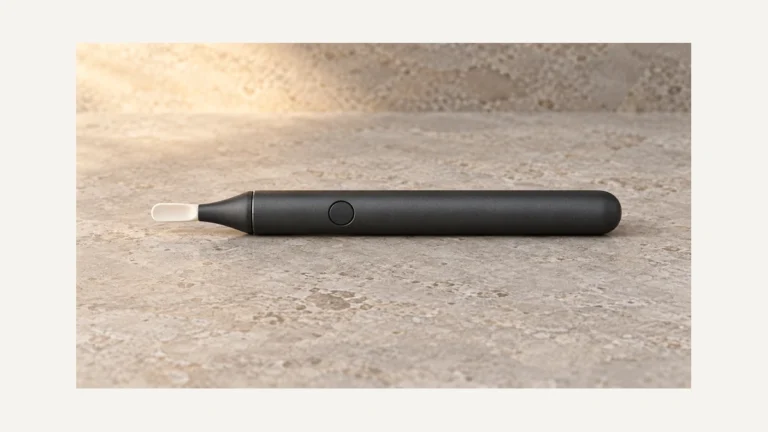
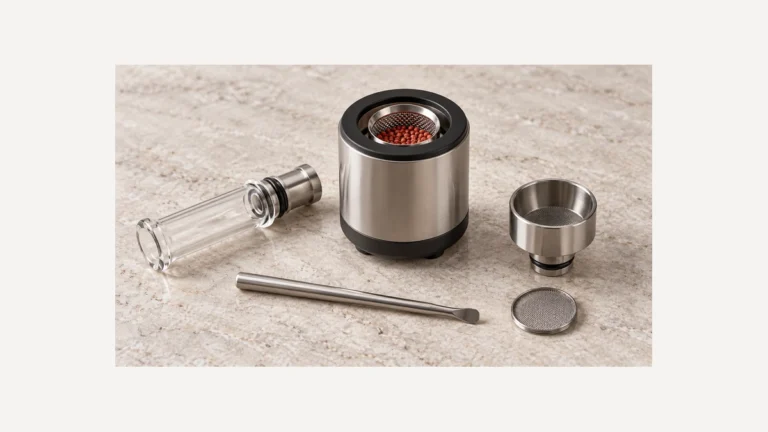
Someone types “weed pen vs vape” into a search bar because a friend, a menu, or an ad used both terms for what looked like the same object. The honest answer is that “vape” is a category name covering nearly any battery-powered heating device, while “weed pen” is a nickname that gets applied to at least three different kinds of hardware: dry herb vaporizers, oil cartridge batteries, and concentrate (dab) pens. The label on the box rarely tells you which one you’re holding. What does tell you is the chamber, the heating method, and the loading step — the physical path the material takes before it turns into vapor.
This guide walks through that material path so you can identify a device by what it’s built to hold, not by whatever word happened to be printed on the packaging or used by the person who recommended it.
🧭 1. Vape is the umbrella; weed pen describes the intended material
“Vape” or “vape pen” is shorthand for any handheld device that heats a substance with a battery and coil or heating element. It says nothing about what goes inside. A nicotine e-liquid pen, a cannabis oil cartridge pen, a dry herb vaporizer, and a wax pen are all technically “vapes” in casual conversation, even though their internal hardware has almost nothing in common beyond a battery and a mouthpiece.
“Weed pen” is narrower in intent but not in construction. People use it to mean whatever cannabis-related device they’re picturing at the moment — which could be a grinder-and-bowl dry herb unit, a screw-on oil cartridge, or a small skillet-style concentrate atomizer. Because the phrase describes the plant, not the hardware, it gets attached to three structurally different product families. That’s the source of most of the confusion shoppers run into when a listing, a friend, or a dispensary menu uses “weed pen” as if it were a single, specific product.
🧩 2. Dry herb, oil, and concentrate pens use different chambers
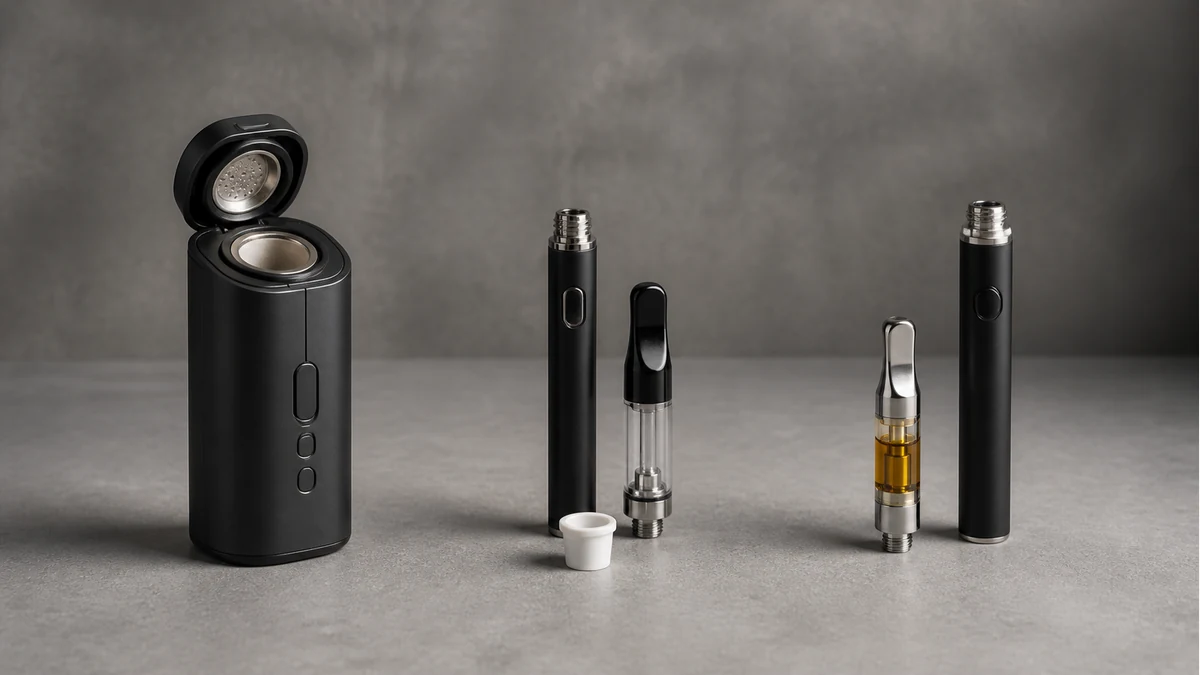
The clearest way to sort these devices is by what the chamber is built to physically contain, because that determines everything downstream — how it heats, how you load it, and how you clean it.
🔍 2.1 Dry herb chamber
A dry herb vaporizer has an open or perforated bowl designed to hold ground plant material. The chamber needs airflow to move around or through the herb, since the goal is to heat the plant itself rather than a liquid. Our breakdown of how dry herb vaporizers work with conduction and convection heating covers how these chambers are engineered around that airflow requirement.
⚙️ 2.2 Oil cartridge chamber
An oil pen chamber is sealed and holds a viscous cannabis oil, typically in a pre-filled or refillable cartridge that screws onto a battery. There’s no open bowl and generally no user-facing airflow adjustment; the cartridge’s internal wicking material draws oil to a small coil.
🧼 2.3 Concentrate chamber
A concentrate or wax pen chamber holds a solid or semi-solid extract directly against a heated surface — often called an atomizer, coil, or “skillet” — rather than wicking a liquid or circulating air through plant matter. Our comparison of a dab pen vs. vape pen goes deeper into how this chamber design differs from both herb and oil hardware, and our explainer on what a wax pen actually is breaks down the concentrate-specific chamber and coil setup in more detail.
None of these three chambers are interchangeable. Trying to load oil into a dry herb bowl, or plant material into a sealed cartridge shell, doesn’t work with the hardware and isn’t how any of these devices are designed to function.
🔍 3. The loading step reveals the hardware category
If the packaging or label doesn’t make the category obvious, watch how the device is meant to be loaded — it’s one of the fastest ways to confirm what you’re actually holding.
Dry herb devices require grinding the material to a consistent, fine texture and packing it into an open chamber by hand, usually with a tool or your fingers, before closing a lid or cap. Oil cartridge devices skip loading entirely for the end user in most cases — the cartridge arrives sealed and pre-filled, or in refillable formats, the oil is dispensed through a fill port designed for liquid, not packed material. Concentrate pens involve placing a small amount of extract directly onto or near a coil, typically with a dab tool, rather than packing or pouring.
If a device came with a grinder-style tool or a loading tool meant to press material into an open bowl, that’s a dry herb signal. If it arrived as a sealed, threaded cartridge with no visible chamber to load, that’s an oil pen. If it has a small dish- or coil-style opening meant for a dab tool rather than ground material or liquid, that’s a concentrate pen. The loading step is a reliable identifier precisely because it can’t be faked by packaging language — the physical chamber only accepts one kind of material.
⚙️ 4. Heat control and airflow solve different material problems
Heating strategy follows directly from the material, which is why these three device types manage temperature and airflow so differently from each other.
Dry herb vaporizers need to manage heater recovery — the time it takes the chamber to return to target temperature after each draw pulls cooler air through it — along with airflow control, since convection-style units rely on moving air through or around the material to carry vapor evenly. Draw resistance and bowl-packing density both affect how consistently the material heats.
Oil cartridge pens generally don’t involve airflow management in the same way, since there’s no plant material for air to pass through. Heat is applied to a small coil in contact with the oil-soaked wick, and many oil pen batteries offer adjustable voltage or wattage settings rather than airflow settings.
Concentrate pens apply heat directly to a coil or atomizer surface that the extract touches, so the relevant variable is coil temperature and how quickly it reaches an effective heat level, rather than air circulation through a chamber. Because concentrate material behaves differently under heat than either ground plant matter or an oil-soaked wick, the coil and battery components in a concentrate pen are typically not interchangeable with dry herb or oil hardware.
Specific temperature settings, session lengths, and recovery times vary by manufacturer and model — for those specifics, always defer to the instructions that came with your particular device rather than general guidance.
🧼 5. Cleaning and replacement parts follow the material path
Maintenance requirements split along the same material lines as heating and loading, so what a device needs to stay functional depends entirely on which category it falls into.
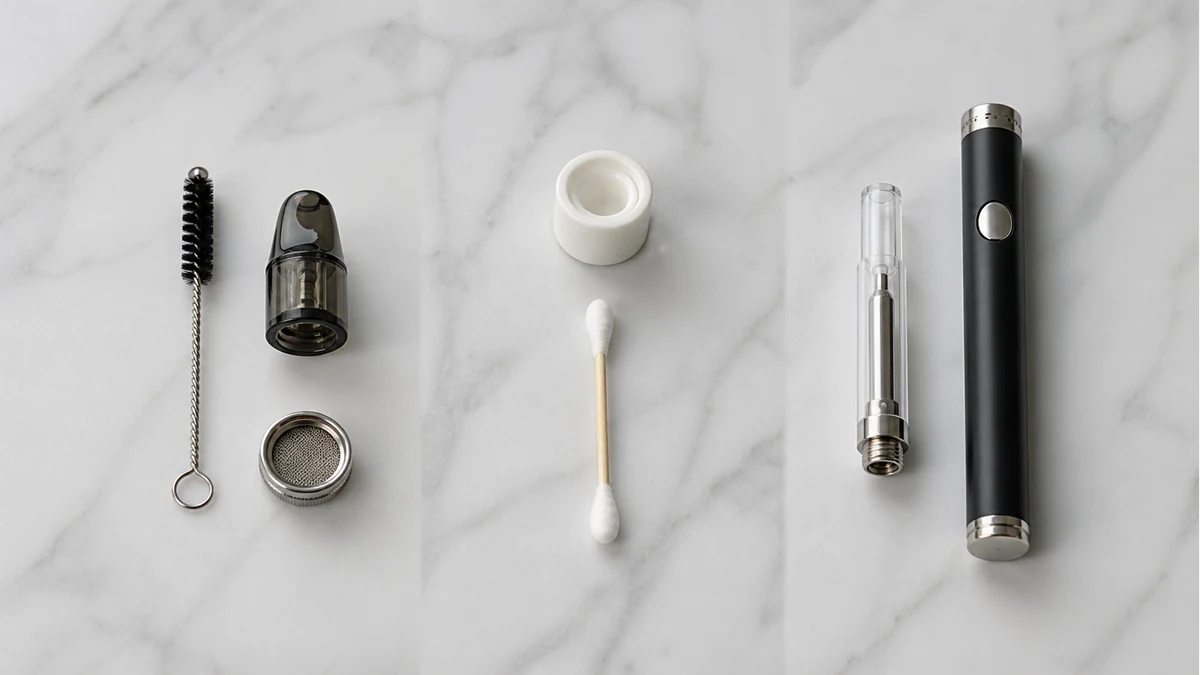
Dry herb chambers accumulate plant residue and require regular clearing of spent material along with periodic cleaning of the bowl, screen, and airpath to prevent buildup from affecting airflow and flavor. Oil cartridges are largely sealed units; when a cartridge is spent, the typical maintenance action is replacing the cartridge itself rather than cleaning an internal chamber, since the wicking material inside isn’t designed to be serviced. Concentrate pen coils or atomizers are exposed to residue from the extract and generally need periodic wiping or coil replacement, since buildup on an exposed heating surface affects performance more directly than in a sealed cartridge.
Replacement parts follow the same split: dry herb units typically need replacement screens or occasional chamber parts, oil pen users typically replace the entire cartridge or the battery, and concentrate pen users typically replace the coil or atomizer head. Buying a replacement part for the wrong category — a cartridge for a dry herb device, for instance — simply won’t fit, because the chambers aren’t built to a shared standard across material types.
🛠️ 6. Product labels often blur categories that parts do not
Retail listings, menu boards, and casual conversation often use “vape pen,” “weed pen,” “oil pen,” and “dab pen” loosely, sometimes interchangeably, even when the underlying products are built for entirely different materials. A listing titled “weed vape pen” could reasonably be describing any of the three chambers covered above, and the title alone won’t resolve it.
Packaging language is written for quick recognition, not technical precision, so it tends to default to whichever term is most commonly searched rather than the term that most accurately describes the hardware inside. This is where relying on the physical chamber, loading method, and heating approach described in the sections above becomes more useful than relying on the product name. If a listing or box doesn’t clearly show or describe an open bowl, a sealed cartridge thread, or a coil/dish for concentrate, that ambiguity is worth resolving before assuming compatibility with material you already have on hand.
This gap between label and hardware is also why two people can both say “weed pen” and be describing devices that share almost no components — the word is doing the work of a category, while the actual product is doing the work of a specific chamber type.
✅ 6.1 Look at what opens before reading the label
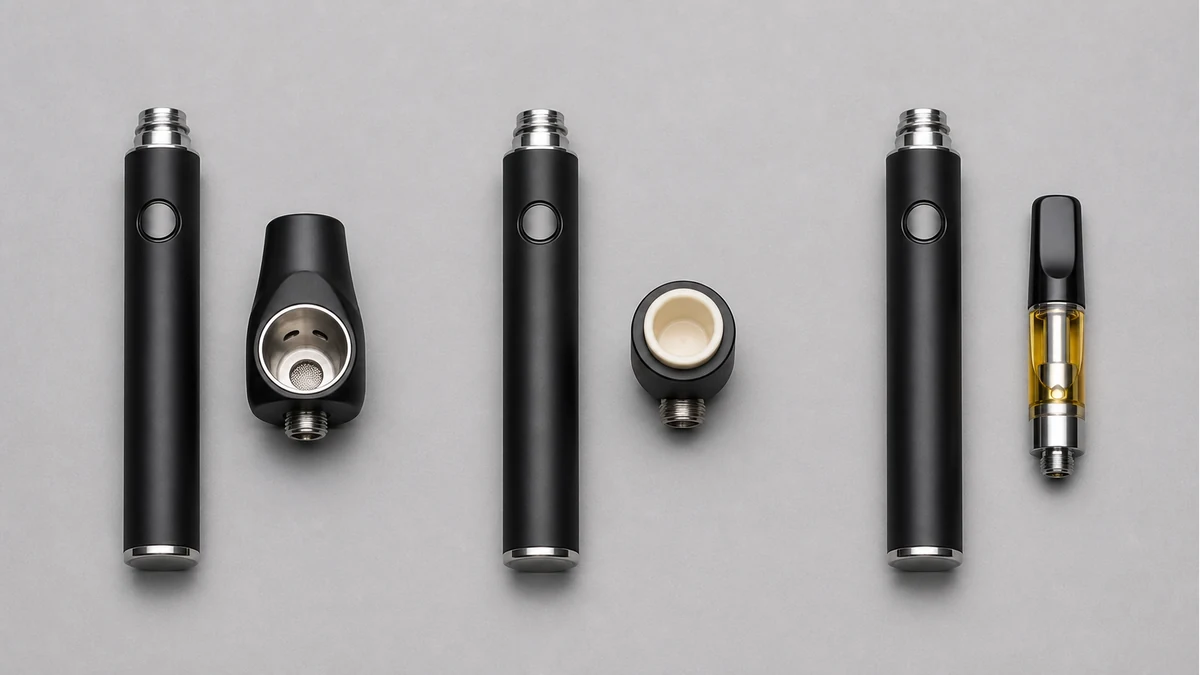
If the top unscrews to reveal a small ceramic cup, the device is built around directly loaded concentrate. If a sealed oil cartridge threads or drops into a battery, the cartridge supplies the reservoir and heater. If a lid exposes a wider oven that accepts ground plant material, the device belongs to the dry-herb path. Those physical clues are more reliable than a seller using “weed pen” for all three.
The distinction controls maintenance. A directly loaded wax chamber needs residue removed from accessible surfaces according to its instructions. A cartridge system usually replaces the integrated cartridge rather than exposing its heater. A dry-herb oven needs brushing after cooling and may use screens or capsules. Parts should never migrate between those routines simply because the batteries look alike.
📦 6.2 Ask four questions before buying
What material goes in? Which part holds it? Which part heats it? Which parts are sold as replacements? Clear answers reveal whether the product matches the intended routine and whether its consumable hardware is available. If the listing shows only lifestyle photography and the word “vape,” it has not supplied enough information.
✅ 7. Choose by material compatibility before form factor
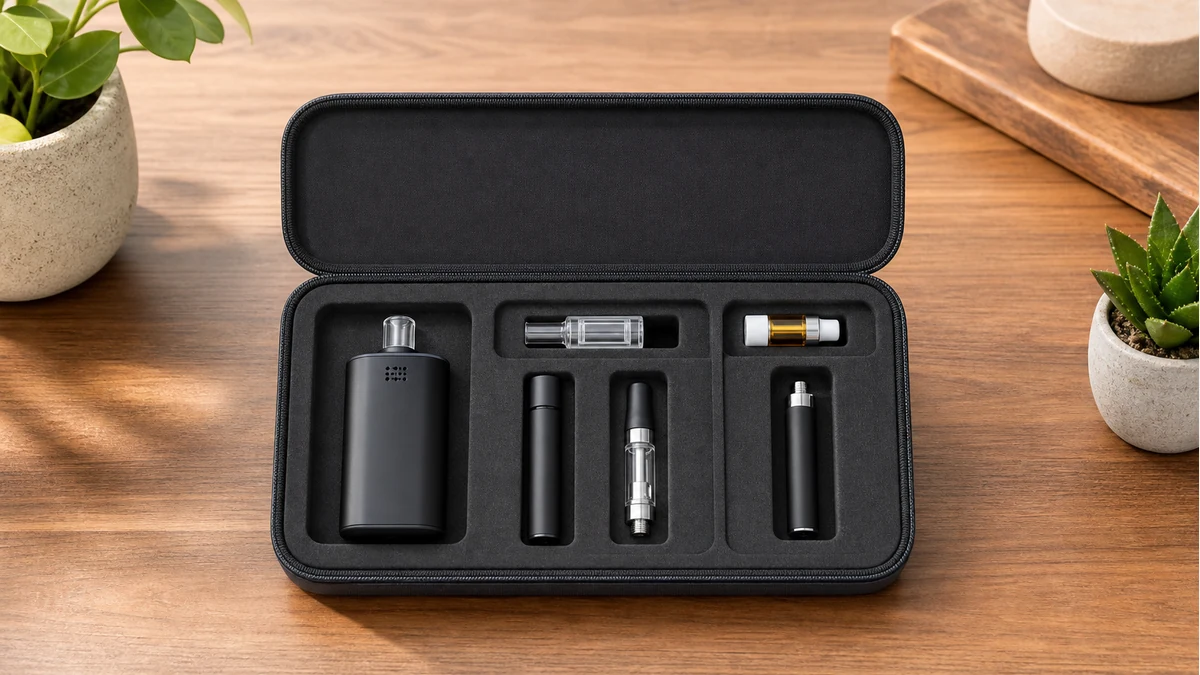
Once the chamber types are clear, the practical decision comes down to one question: what material does the device need to hold? A dry herb vaporizer is built around an open, ventilated chamber for ground plant material. An oil pen is built around a sealed cartridge and a coil designed to wick liquid. A concentrate pen is built around an exposed coil or dish designed for direct contact with extract. Matching the device to the material is the step that determines whether the hardware will function as intended — a pen designed for one material will not properly process a different one, regardless of how similar the exterior looks.
Form factor — pen-shaped, boxy, pocket-sized — is a secondary consideration that varies by manufacturer and doesn’t reliably indicate chamber type. Two pen-shaped devices from different brands can hold entirely different materials, just as two very differently shaped devices can share the same chamber type. Checking the chamber, the loading method, and the listed replacement parts before purchase is a more reliable filter than trusting shape or branding alone.
The short version: “vape” tells you almost nothing about what a device is built to hold, and “weed pen” narrows the field to cannabis use without specifying which of three distinct hardware families you’re looking at. Checking the chamber, the loading step, and the heating method — not the label — is what actually identifies the device in front of you.