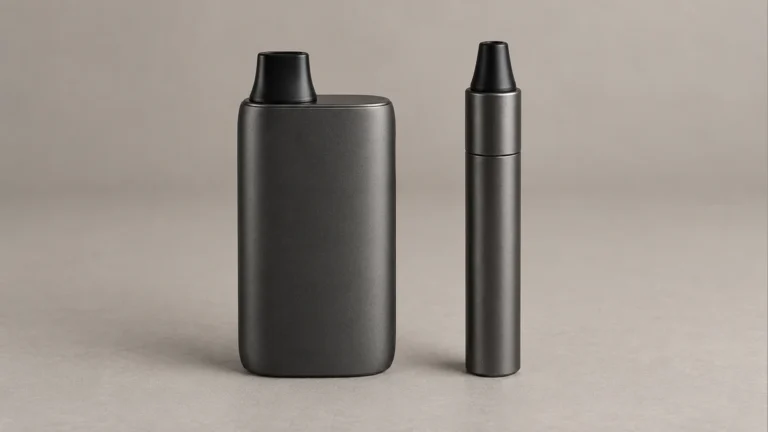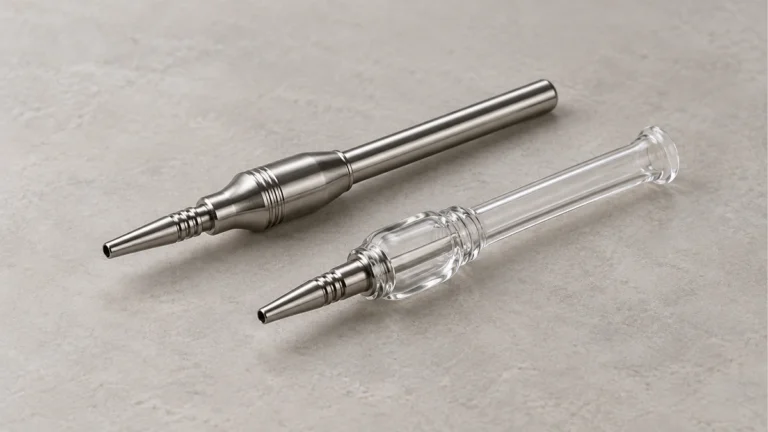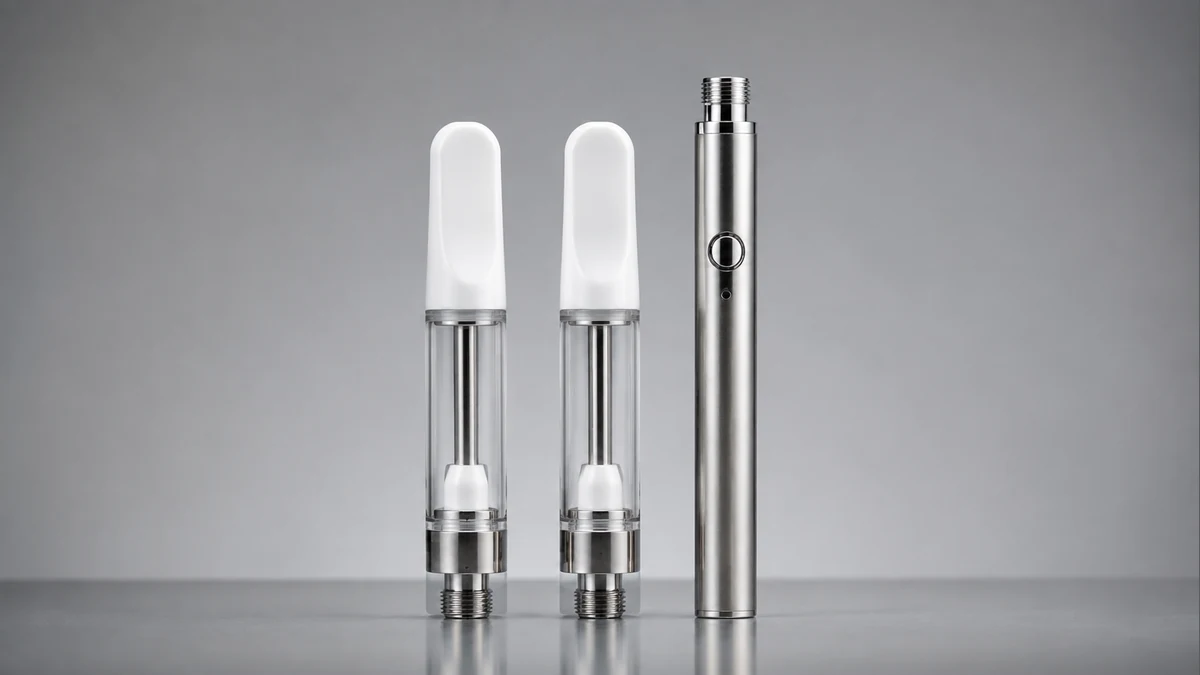
Evaluate a larger cartridge as a complete delivery system. If the design becomes difficult to keep upright, blocks the battery’s airflow, or leaves material stranded away from its inlets, the headline volume has not translated into usable capacity.
A 2-gram dab cartridge doubles the advertised reservoir capacity of a 1-gram format, but capacity alone says nothing about how consistently the hardware will feed, seal, breathe, and connect over that longer service window. The oil path, inlet placement, heating core, seals, mouthpiece, and battery fit all carry more responsibility.
📌 1. Two Grams Is a Reservoir Number, Not a Hardware Grade
When a listing advertises 2-gram capacity, that number describes the internal tank volume the manufacturer built into the cartridge body. It says nothing about wick material, coil resistance, airflow channel design, or how the mouthpiece and base are sealed. Two carts from different brands can both claim 2 grams and behave completely differently once oil is inside them.
This matters because buyers often shop capacity the way they’d shop battery mAh — bigger number, better product. Reservoir size and hardware engineering are separate specs that happen to get bundled into one product. A larger tank paired with a coil designed for smaller volumes can underperform a smaller tank paired with hardware built specifically for extended capacity.
The practical takeaway: capacity tells you how long the cartridge lasts before needing a refill or replacement, not how consistent the draw will be across that span. Those are different questions, and only one of them is answered by “2 grams” on the label.
🧱 2. A Larger Reservoir Extends the Material Path
Every 510-thread cartridge relies on a wick pulling oil from the reservoir to the coil. That’s the wicking distance — the physical space the material has to travel before it reaches a heating surface. In a half-gram cart, that distance is short. In a 2-gram cart, the reservoir is longer, wider, or both, which means the wick has to draw material from farther away, especially as the level drops and the cartridge sits horizontally or at odd angles in a pocket or bag.
Anyone unfamiliar with how these components interact benefits from reviewing a 510 cartridge guide before assuming all cartridges of a given thread size perform identically regardless of internal volume.
Longer wicking distance isn’t automatically a problem, but it raises the bar for wick material and inlet hole placement. A cotton or ceramic wick that handles a half-gram reservoir fine may struggle to keep pace once it’s pulling from a 2-gram tank, particularly near the bottom third of the reservoir where oil has to travel the farthest and gravity works against it in certain orientations.
This is also where inlet hole count and placement start to matter more than they would in a smaller cart. Fewer inlet points concentrated in one area can create uneven feeding across a longer reservoir, leaving one side of the coil starved while the other floods.
🌬️ 3. Oil Condition and Inlet Design Affect Feeding
Viscosity — how thick or thin the oil is — interacts directly with reservoir size. Thicker oil moves slowly through wicking material under normal conditions. In a compact cartridge, the short distance compensates somewhat for slow movement. In a 2-gram cartridge, that same thick oil has farther to travel before it reaches the coil, which can translate into weak or inconsistent draws even when the reservoir is still mostly full.
Inlet design compounds this. Cartridges vary widely in how many holes feed the wick, how large those holes are, and where they sit relative to the coil. A design with generous, well-placed inlets keeps feeding steady across a longer reservoir. A design with minimal inlets that worked fine at half-gram volumes may not scale cleanly to 2 grams, because the same feeding mechanism now has to service twice the material over twice the distance.
None of this is something a buyer can assess from a product photo. It’s a structural question about how the cartridge was engineered, and it’s part of why two “2-gram” carts from different manufacturers can produce noticeably different draw consistency even when filled with comparable oil.
⏱️ 4. More Time in Service Raises Clog and Leak Exposure
A 2-gram cartridge simply stays in rotation longer than a half-gram or full-gram one. That extended service window isn’t neutral — every additional day the cartridge sits, travels, or gets stored under variable conditions is another opportunity for the oil near the mouthpiece or air path to thicken, pool, or shift unevenly.
Clogging tends to build gradually in high-capacity carts rather than appearing all at once. Early signs include a draw that requires more effort than it used to, a faint whistling or restricted airflow, or oil visible pooling near the mouthpiece opening. These are mechanical symptoms tied to time and handling, not indicators of hardware failure on day one.
Leaking follows a similar pattern. A cartridge that seals well when new can develop a slow leak around the base threading or mouthpiece seal after weeks of temperature swings, pocket pressure, or repeated thread engagement with a battery. Because 2-gram carts are handled and stored over a longer period than smaller formats, seals get more cycles of stress before the reservoir is empty.
- Restricted draw: often linked to thickening oil or a partially blocked wick rather than an empty reservoir.
- Gurgling sound: can indicate oil has migrated into the airflow channel, sometimes from storage angle rather than a defect.
- Visible pooling at the mouthpiece: a sign the seal or orientation allowed oil to travel where it shouldn’t.
- Uneven hits across a session: consistent with uneven wicking across a longer reservoir rather than coil failure.
📏 5. Battery Fit Still Depends on Diameter and Airflow
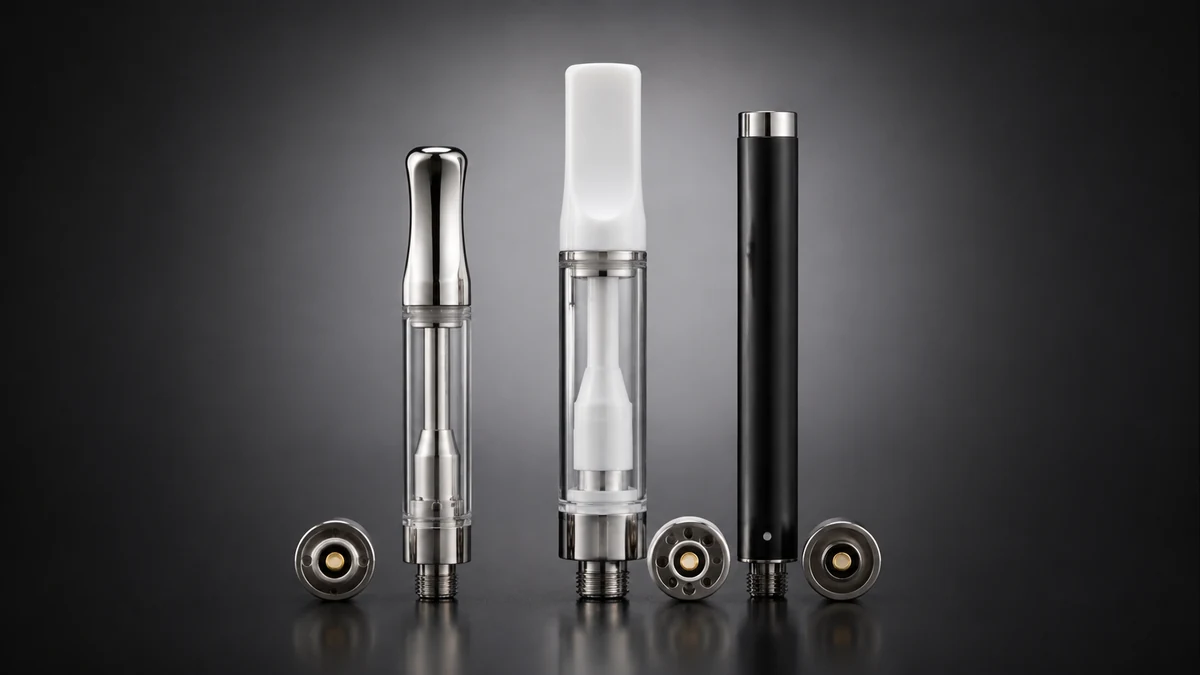
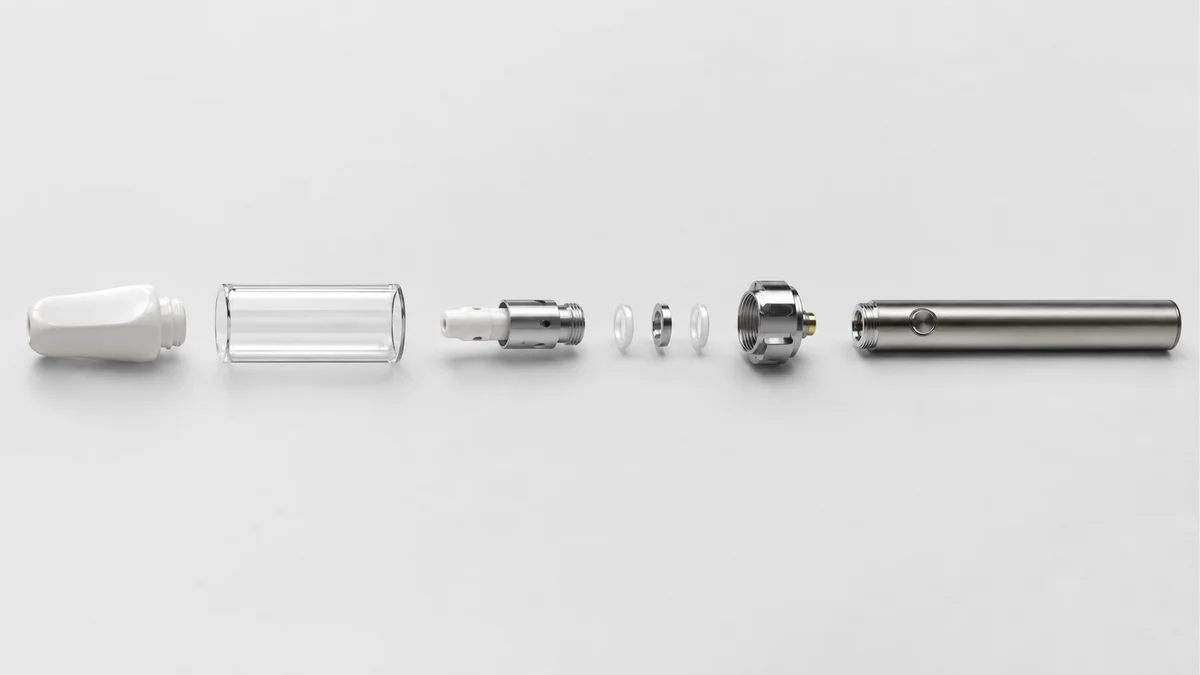
A 2-gram cartridge doesn’t get a pass on thread compatibility just because it holds more oil. It still has to physically and electrically match the battery it’s threaded onto, and that match depends on the same variables that apply to any 510-thread hardware: cartridge diameter, airflow path alignment, and connector fit.
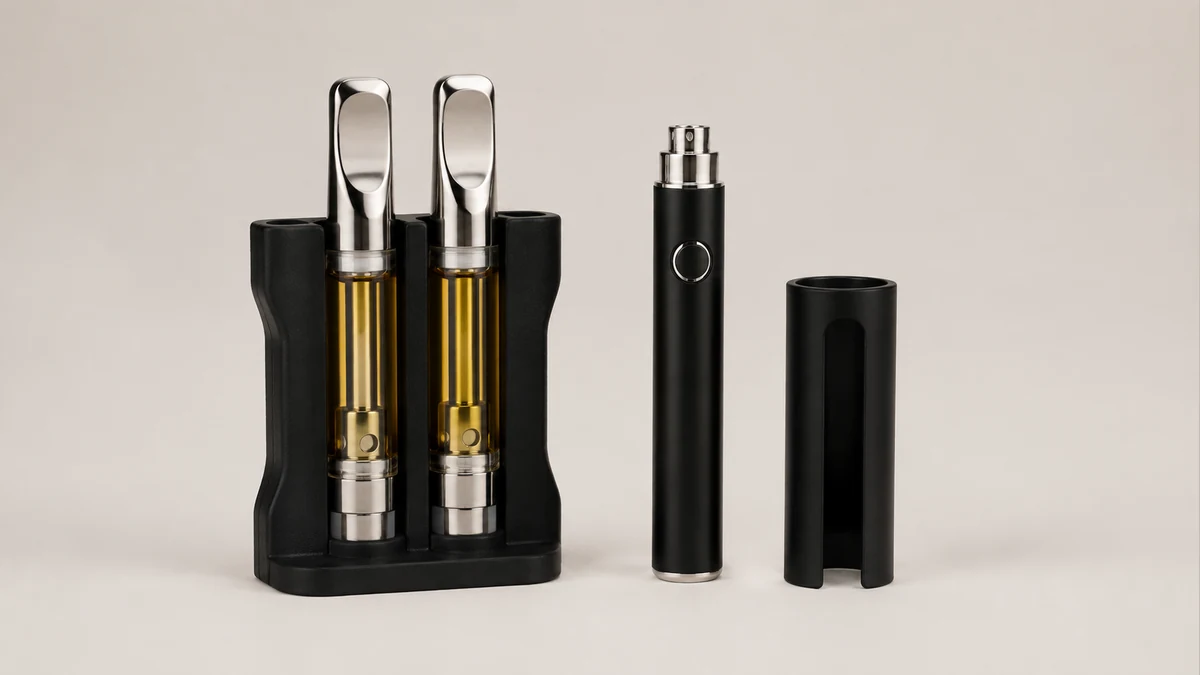
Higher-capacity cartridges are often wider or longer than standard carts, which can create clearance issues with battery designs built around slimmer form factors. A cart that threads on without resistance isn’t automatically a good fit if the added bulk affects how the battery sits in a pocket or how the airflow channels line up.
Buyers who want a clearer picture of how thread specs, connector types, and airflow alignment interact should look at a vape coil compatibility guide rather than assuming universal 510 compatibility guarantees a good match.
Coil resistance is worth checking too. A coil built for a 2-gram reservoir’s extended wicking demands may be engineered with different resistance characteristics than coils meant for smaller carts. Pairing that coil with a battery calibrated for a different resistance range can produce inconsistent output even when every connection point fits correctly.
🔍 5.1 What to Verify Before Committing to a 2-Gram Format
| Check | Why It Matters for 2-Gram Carts |
|---|---|
| Thread type and connector fit | Larger reservoirs sometimes come in nonstandard body shapes that still need a true 510 match |
| Physical clearance with battery | Wider or longer carts can create fit or balance issues on slim battery designs |
| Airflow path alignment | Misaligned airflow between cart and battery affects draw regardless of reservoir size |
| Coil resistance range | Extended wicking distances may pair with coils built for different resistance profiles |
📦 6. Storage Habits Matter Over a Longer Service Window
Because a 2-gram cartridge stays in use longer, storage orientation and handling have more time to influence how it performs. A cartridge left standing upright for extended periods can develop uneven oil distribution at the base. One stored horizontally in a bag or case may experience different pressure on the seals than one kept upright in a drawer.
Temperature swings — a cartridge moving between a warm pocket and a cool car, for example — affect viscosity over the entire service window, not just at the moment of use. A cart that performs consistently in stable conditions can behave differently after repeated exposure to fluctuating temperatures across the weeks it takes to work through 2 grams of material.
Buyers coming from smaller formats sometimes carry over storage habits that worked fine for a half-gram cart used up in a few days but don’t hold up as well across the longer timeline a 2-gram cart implies. Consistent orientation and stable storage conditions matter more, not less, as service life extends.
📏 7. Authenticity Checks Matter More at Higher Capacity
Higher-capacity cartridges are a common target for counterfeit hardware because the larger form factor is easier to replicate externally while cutting corners internally — thinner wick material, fewer inlet holes, or mismatched coil resistance that isn’t visible until the cart is in use. A cartridge that looks correct from the outside can still house internal components that weren’t built for the wicking demands a 2-gram reservoir creates.
Verifying authenticity matters here beyond a general precaution — it directly affects whether the internal engineering matches what the capacity claim implies. A counterfeit or mismatched cart might genuinely hold 2 grams of oil while lacking the inlet design, wick quality, or coil specification needed to move that oil consistently.
Buyers who want to compare refillable and pre-filled formats side by side, including how internal design differs across capacity tiers, can reference a refillable vape cartridge guide for a breakdown of how these components are typically structured.
🔄 8. Judge Usable Consistency, Not Headline Capacity
The number on the packaging answers one question: how much oil is in the reservoir. It doesn’t answer whether that oil will feed evenly across the cartridge’s full service life, whether the coil and wick were engineered for that reservoir size, or whether the battery pairing will hold up mechanically and electrically over weeks of use instead of days.
A more useful framework for comparing high-capacity carts looks past the gram figure toward the structural questions underneath it: inlet hole design, wick material suited to longer draw distances, coil resistance matched to the reservoir, battery clearance and airflow alignment, and realistic expectations about storage and handling over an extended timeline.
None of these factors show up in a product listing’s headline spec. They show up in how the cartridge actually behaves during the third week of use, not the first day. Buyers who evaluate 2-gram formats on that basis — rather than assuming capacity alone signals quality — are better positioned to judge whether a given cartridge fits their hardware and their habits.
📏 8.1 Quick Reference: Capacity vs. Hardware Questions
- Capacity question: How many grams does the reservoir hold?
- Hardware question: Is the wick and inlet design built for that reservoir’s wicking distance?
- Capacity question: How long will the cartridge last before it’s empty?
- Hardware question: Will the draw stay consistent across that entire span, or degrade partway through?
- Capacity question: Does it fit a standard 510 thread?
- Hardware question: Does the physical size and airflow path actually align with the specific battery in hand?
Framing the comparison this way turns “2-gram cartridge” from a marketing number into a set of engineering questions worth answering before committing to a higher-capacity format.
📝 9. Record the exact cartridge and battery pairing
“510” describes a common thread family, not guaranteed mechanical or electrical compatibility. Save the cartridge diameter, overall height, airflow location, recommended battery range, and the battery model actually used. A recessed battery may accept a slim cartridge while crowding a wider two-gram body.
If the connection requires pressure, tilting, an unapproved spacer, or modification of a contact, stop. Correct geometry should not depend on a workaround. Unusual heating, leaking, damaged insulation, or unpredictable activation also call for discontinuing use and consulting the manufacturer.