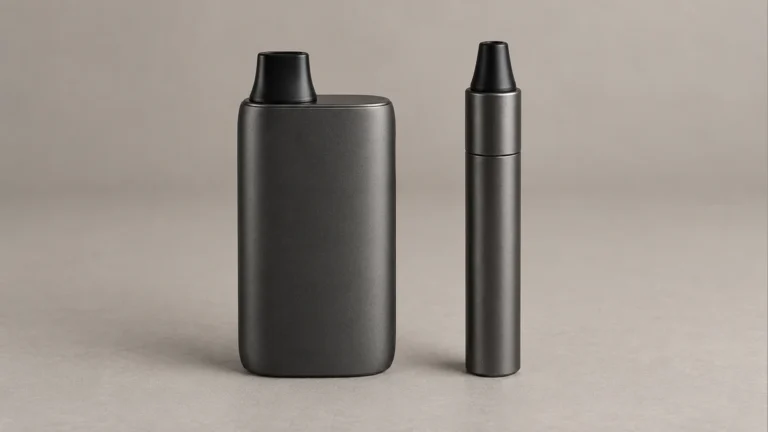
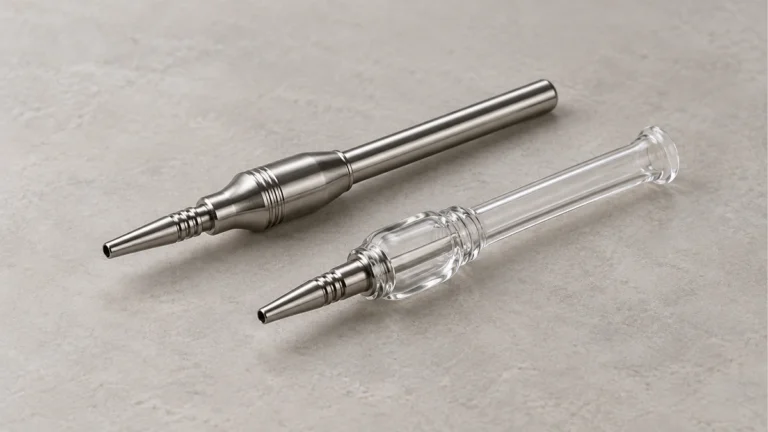
Judge the purchase as a system: device, grinder, loading method, power source, cleaning access, and learning time. The most persuasive specification cannot compensate for a chamber that is awkward to fill or a battery routine you will not maintain.
A dry herb vaporizer is worth it when its routine fits the way an adult user actually prepares, uses, cleans, and charges hardware. It is not an automatic upgrade for everyone. The benefit can disappear if the device’s session length, bowl size, draw style, or maintenance rhythm fights the routine it was meant to replace.
⚖️ 1. Worth depends on the routine being replaced
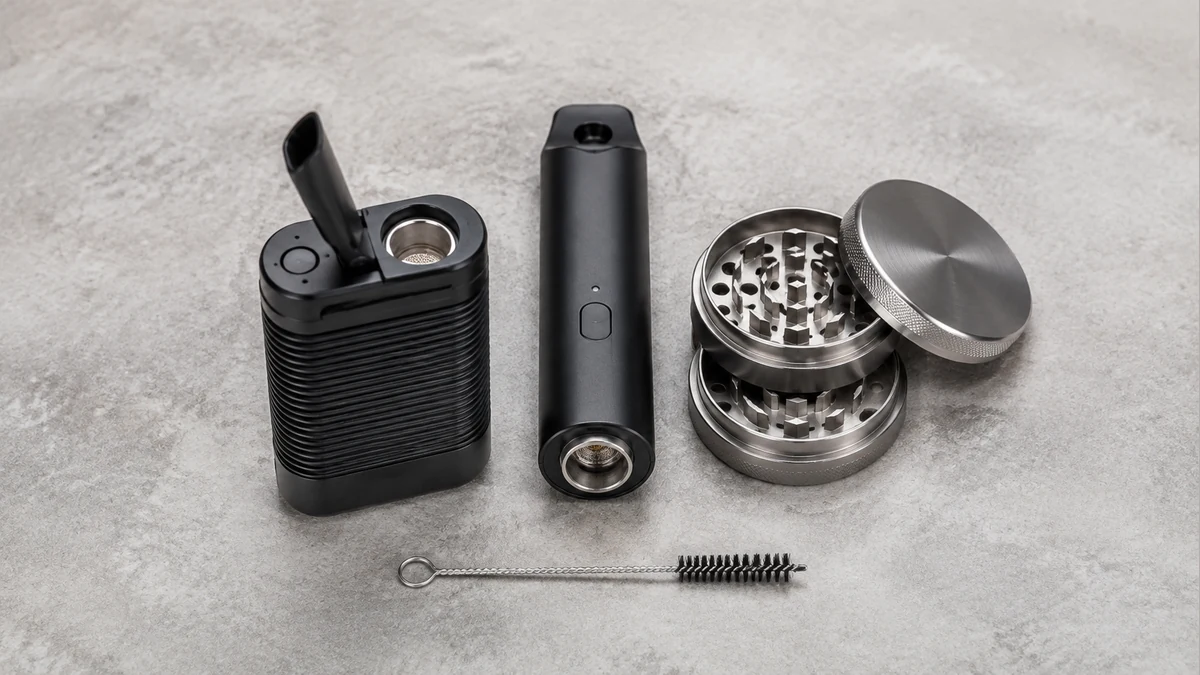
If your previous habit was fast and required almost no preparation, a dry herb vaporizer will feel slower no matter which model you pick. There’s a grind step, a pack step, a warm-up step, and in many cases a wait between the first and second draw while temperature stabilizes. None of that is a flaw in the device. It’s the nature of heating plant material evenly instead of applying direct flame.
If your previous routine already involved some prep — packing a bowl, rolling, measuring out a portion — the adjustment is smaller. You’re not learning “preparation” from zero, you’re learning a new sequence for a process you already understood. That’s a meaningfully easier transition than going from something instant to something that has a startup routine.
It also matters whether you want a device for solo, unhurried sessions or something you can use in short bursts throughout the day. A dry herb vaporizer that suits one pattern often frustrates the other, which is really a question of session-style versus on-demand hardware, covered further down. Before deciding whether the category is “worth it,” it helps to understand what’s physically happening inside the device, since how dry herb vaporizers work with conduction and convection heating explains a lot of the wait times and draw differences people run into during the first few sessions.
🔍 1.1 A quick self-check
- Do you currently use something that requires zero setup? Expect a bigger adjustment period.
- Do you use in short, frequent bursts, or in a few longer sessions? This changes which device style fits.
- Are you comfortable with a short delay before each session is ready? If not, the learning curve will feel steeper than it is.
📌 2. The first sessions often expose technique problems
A lot of “this vaporizer doesn’t work well” complaints trace back to the first few uses, before the person has learned the device’s particular quirks. Grind size, pack tightness, draw speed, and how long you wait after activating heat all affect the outcome, and none of these are intuitive if you’ve never used one before.
Draw too fast and the airflow moves through the chamber before the material has had a chance to heat evenly. Pack too loose and hot air finds the path of least resistance, leaving unheated material on the sides of the chamber. Pack too tight and airflow struggles, making the draw feel restricted no matter how the temperature is set. These are technique variables, not defects, but they’re invisible until someone points them out or you work through them by trial and error.
Cadence matters too. Long, slow draws behave differently than quick, shallow ones, and switching between styles mid-session can produce inconsistent results that make the device seem unpredictable when it’s really just responding to variable input. Give yourself a handful of sessions with deliberate small adjustments — grind a little finer, pack a little lighter, slow the draw down — before deciding a device isn’t a good match. The first week is a calibration period, not a verdict.
🔄 3. Session and on-demand devices reward different habits
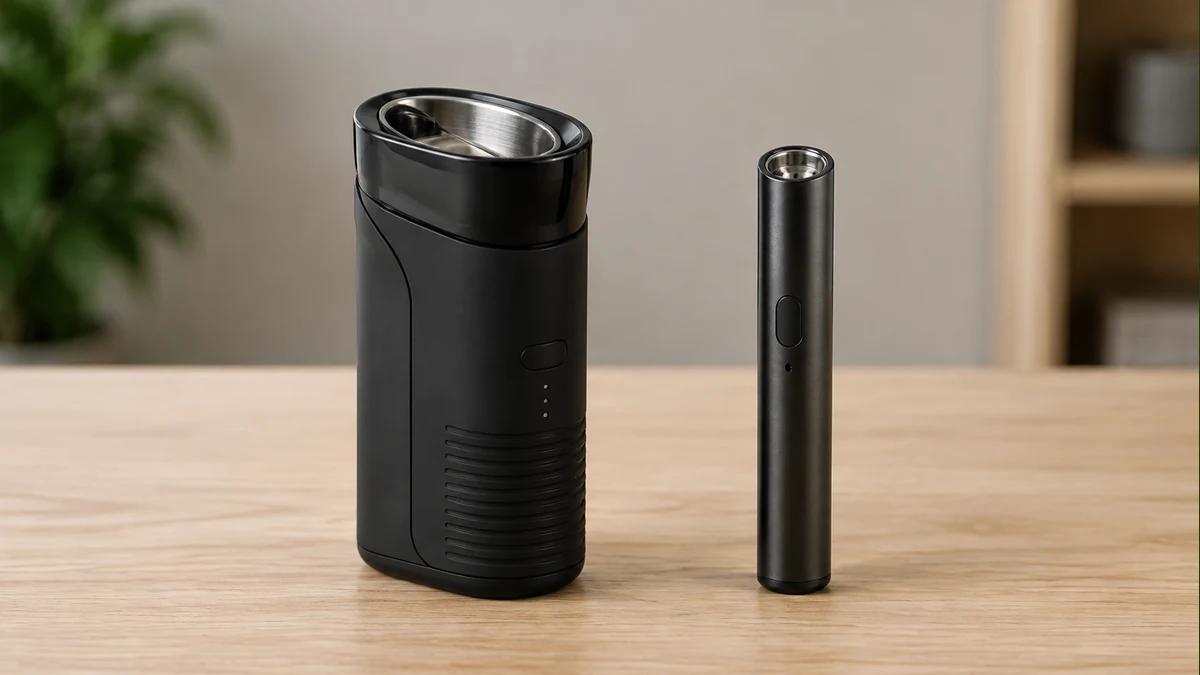
Dry herb vaporizers generally fall into two behavioral categories, and picking the wrong one for your habits is a common reason people end up disappointed regardless of build quality.
| Style | What it demands | Fits best when |
|---|---|---|
| Session-style | One load, extended heat-up, sustained use until the bowl is spent | You set aside a block of time and don’t need to stop and restart |
| On-demand / quick-heat | Fast warm-up, shorter individual draws, more frequent small loads | You use in short windows throughout the day and want minimal wait |
Session-style devices tend to reward patience. You load once, let the unit reach temperature, and work through the bowl over several minutes. If you’re interrupted constantly — calls, kids, a job that doesn’t allow for a ten-minute pause — this style creates friction because restarting mid-session means reheating material that’s already been drawn from.
On-demand devices are built around faster heat-up and shorter bursts, which suits people who want to use in smaller increments rather than committing to one long sitting. The tradeoff is that you’re repeating the load-and-clean cycle more often, which adds up in total maintenance time even though each individual session is quicker.
Neither style is objectively better. The mismatch happens when someone with a stop-and-start daily rhythm buys a session-style unit expecting quick hits, or when someone who prefers one unhurried session a day buys an on-demand device and finds the shorter bursts unsatisfying. Matching device style to your actual daily rhythm solves more “is this worth it” doubt than any spec comparison does.
🔄 4. Grinding and packing affect consistency
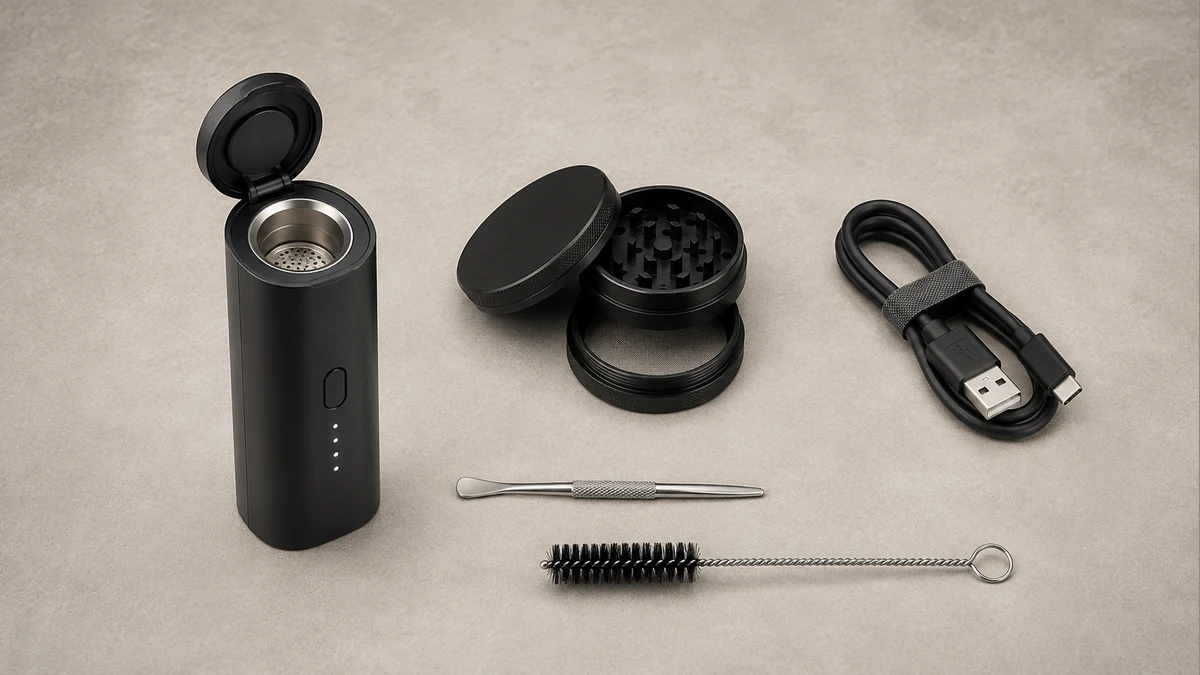
Grind consistency is one of the most overlooked variables in dry herb vaporizing. A grinder that produces uneven pieces — some fine, some chunky — creates uneven airflow inside the chamber, which means some material heats fully while other pieces barely warm up. The result feels inconsistent from draw to draw, and it’s easy to blame the device when the actual cause is upstream in the grind.
A mid-fine, uniform grind generally packs more evenly and allows more consistent airflow than a coarse or mixed grind. This doesn’t require expensive equipment, just a grinder that produces even pieces and a habit of checking consistency before loading the chamber.
Packing density matters just as much. A loose pack lets air rush through unevenly; an overly tight pack restricts draw and can make heating slower and uneven. Many devices respond well to a light, even pack — enough that the material sits snugly but airflow isn’t fighting resistance. Getting a feel for “how full” and “how tight” takes a few sessions, and it’s worth treating as a skill rather than a one-time setting you get right immediately.
For readers still deciding whether the category fits their habits at all, it helps to step back and look at the broader mechanics of the process, which is covered in more detail in this guide to how dry herb vaporizers work — understanding the full loop from grind to draw makes the packing variables easier to reason about instead of feeling like guesswork.
🧼 5. Cleaning and charging are part of ownership
A dry herb vaporizer isn’t a “use it and forget it” tool the way some other habits might be. Ownership includes routine cleaning and charging, and skipping either one shows up quickly in performance.
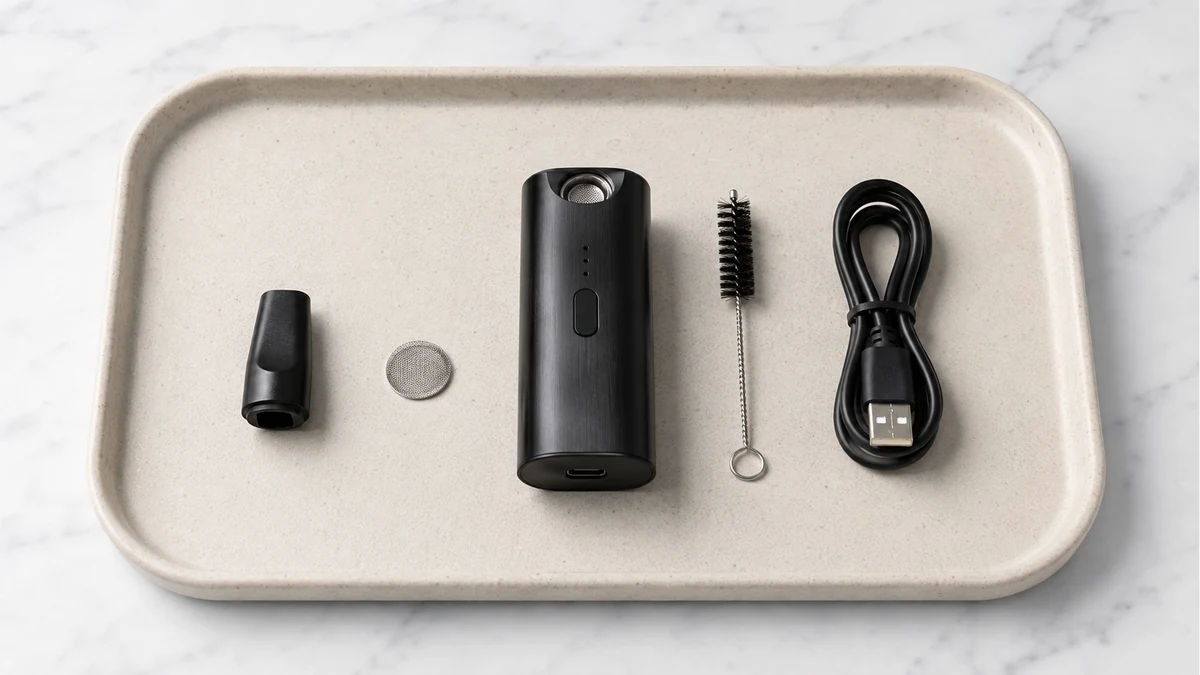
Residue builds up in the chamber, airpath, and mouthpiece over repeated use. Left unaddressed, this buildup can restrict airflow, muddy the draw, and make the unit harder to clean later since residue hardens over time. A quick wipe-down after each session and a more thorough clean on a regular interval keeps the airpath clear and the draw consistent. This is maintenance time that doesn’t exist with some other routines, and it’s worth being honest with yourself about whether you’ll actually keep up with it.
🧩 5.1 What ownership actually looks like week to week
- After each session: Clear spent material, wipe the chamber if accessible.
- Weekly or by-use interval: Clean the mouthpiece and airpath components according to the device’s instructions.
- Charging: Battery-powered units need to be charged before use, which means planning ahead rather than expecting instant availability the way a fully passive tool would offer.
Charging habits deserve their own mention because they change the “on-demand” nature people expect from a portable device. If the battery is dead, there’s no session until it charges, full stop. People who forget to charge overnight often find themselves without a working device exactly when they wanted to use it, which is a routine problem, not a hardware one. Building a charging habit — same time, same place, every day — removes this friction almost entirely.
📌 6. Odor changes but does not disappear
One of the most common expectations going into a first purchase is that vaporizing eliminates smell entirely. That’s not accurate. Odor is reduced and changes in character compared to combustion, but it doesn’t vanish, and residual smell can linger on the device, in a room, or on the material itself well after a session ends.
How much odor a session produces and how it disperses depends on the device, the environment, ventilation, and how the unit is cleaned and stored. A device with residue buildup in the airpath will carry more lingering smell than one that’s cleaned regularly, which is another reason maintenance and expectations are connected rather than separate topics.
If odor management is a real factor in your decision — shared living space, workplace proximity, close neighbors — it’s worth reading a fuller breakdown of what actually drives dry herb vaporizer smell before assuming the category solves odor concerns automatically. Going in with accurate expectations avoids the disappointment of discovering, after the purchase, that smell reduction isn’t the same as smell elimination.
📐 7. Calculate value from frequency and fit
The “worth it” question ultimately comes down to a fairly simple calculation: how often will you actually use this, and does the workflow fit the way you already live? A device used daily, with a routine that matches your schedule, earns back its learning curve and maintenance time quickly. The same device used occasionally, or mismatched to a stop-and-start daily rhythm, ends up costing more in friction than it returns in value — regardless of how well-built it is.
Consider frequency honestly before buying, not after. If you expect to use several times a day in short windows, an on-demand style with fast heat-up suits that pattern far better than a session-style unit that wants a longer, uninterrupted commitment. If you expect a single unhurried session per day, the reverse is true. Getting this match right upfront prevents the drawer-abandonment pattern where a perfectly functional device just doesn’t fit the life it was bought into.
Maintenance tolerance is part of the same calculation. If cleaning on a regular schedule and charging consistently sound like reasonable habits to build, the ownership side of a dry herb vaporizer won’t feel like a burden. If those steps sound like chores you’ll skip, that friction will compound over weeks, and skipped maintenance is one of the most common reasons performance degrades over time.
🔍 7.1 A short worth-it checklist
- You use often enough that the learning curve pays off within a few weeks.
- You’ve matched device style (session vs on-demand) to your actual daily rhythm.
- You’re willing to build a grinding, packing, cleaning, and charging routine — not just buy the hardware and expect it to run itself.
- You understand odor is reduced, not eliminated, and have realistic expectations for your environment.
None of this is about whether dry herb vaporizers are good or bad as a category. It’s about whether the specific demands of the routine — grinding, packing, heating cycles, cleaning, charging, and realistic odor expectations — line up with how you actually want to use one. Get that fit right, and the extra steps stop feeling like friction and start feeling like a routine you barely think about.