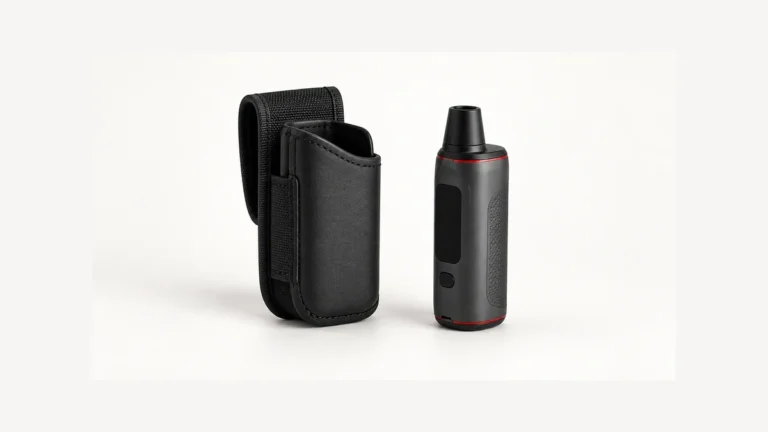
A vape pen labeled “2 in 1” might mean a device that switches between two prefilled cartridges, one that holds two separate concentrate chambers, or a kit shipped with two swappable atomizer heads on a single battery. These are three different products solving three different problems, and the label alone does not tell you which one you are looking at. Before buying, you need to identify which meaning applies to the specific listing in front of you, because the compatibility rules, maintenance routine, and failure points are not the same across the three.
This matters because “2 in 1” is a marketing phrase, not an engineering standard. No regulatory body or manufacturer consortium defines what threading, voltage range, or chamber material qualifies a device for the label. A seller can attach it to almost any pen that accepts more than one attachment, whether or not those attachments were designed to work together. Treating the phrase as a guarantee of interchangeability is where most buyer confusion starts.
🧭 1. 2-in-1 is not one universal device category
The phrase gets applied to at least three distinct hardware approaches, and manufacturers rarely clarify which one they mean in the product title. A shopper searching for a 2-in-1 vape pen might land on a device meant for switching between two nicotine or CBD cartridges, a wax and concentrate pen with two separate heating chambers, or a starter kit that includes a spare atomizer coil as a backup part. Each of these serves a different use case, and none of them is more “correct” than the others; they simply answer different questions about what the buyer wants from a single device.
Because the label is unregulated, the safest approach is to stop reading it as a category and start reading it as a prompt to investigate. Every listing that uses “2 in 1” should trigger the same question: two of what, exactly, and how do they connect to the battery? The answer is usually buried in the product description, the included accessories list, or the photos, not in the headline claim.
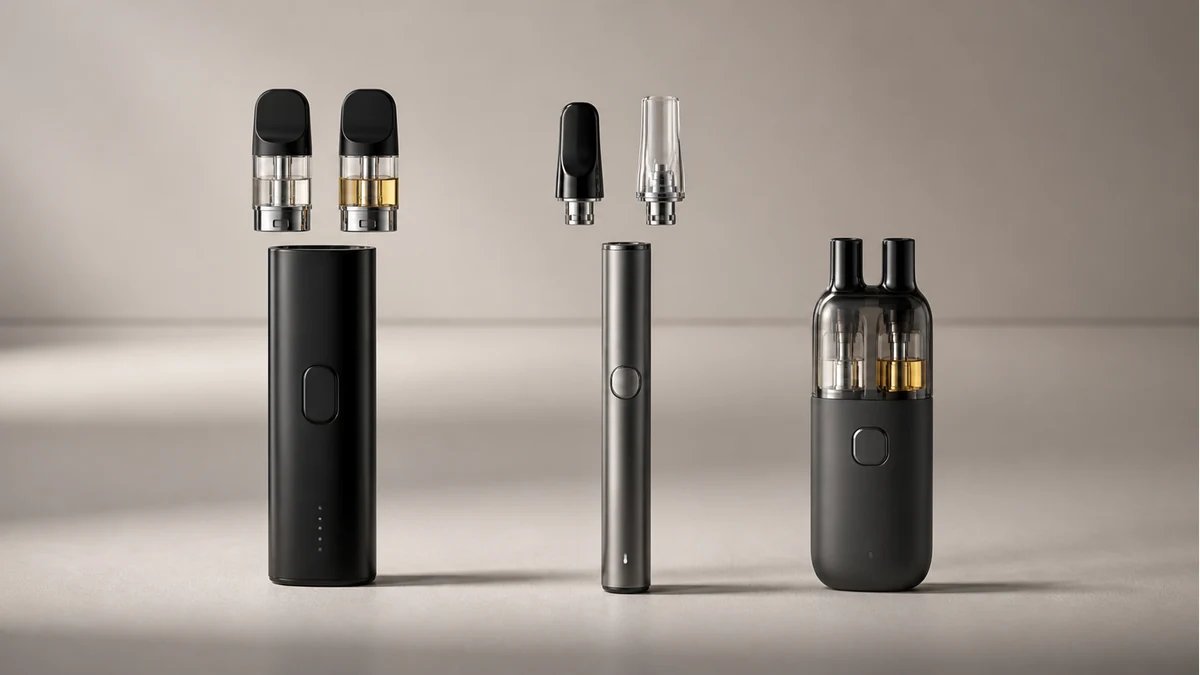
🧩 2. The three common meanings behind the label
Sorting a listing into one of these three buckets is the fastest way to understand what you are actually buying.
📦 2.1. Dual-cartridge switching
Some devices are built around a single battery with a threaded connection that accepts two separate prefilled or refillable cartridges, letting the user swap between two flavors, two nicotine strengths, or two oil types without carrying two full pens. The battery itself does not change; only the cartridge on top does. This is the closest thing to a straightforward “2 in 1” claim, since the two components genuinely share one power source by design. For a closer look at how this switching mechanism works and what to check before buying one, see this dual-cartridge vape pen guide.
💡 2.2. Dual-chamber concentrate design
Other devices marketed as 2-in-1 are concentrate pens with two physically separate heating chambers on the same body, often intended to keep two different consistencies or two different material types apart so flavors do not mix. These chambers may use different coil types, different wattage settings, or different loading methods from each other, even though they share a battery and a control button. Confusing this design with dual-cartridge switching is a common source of buyer disappointment, since the two chambers are not interchangeable with each other’s contents.
🧭 2.3. Interchangeable atomizer kits
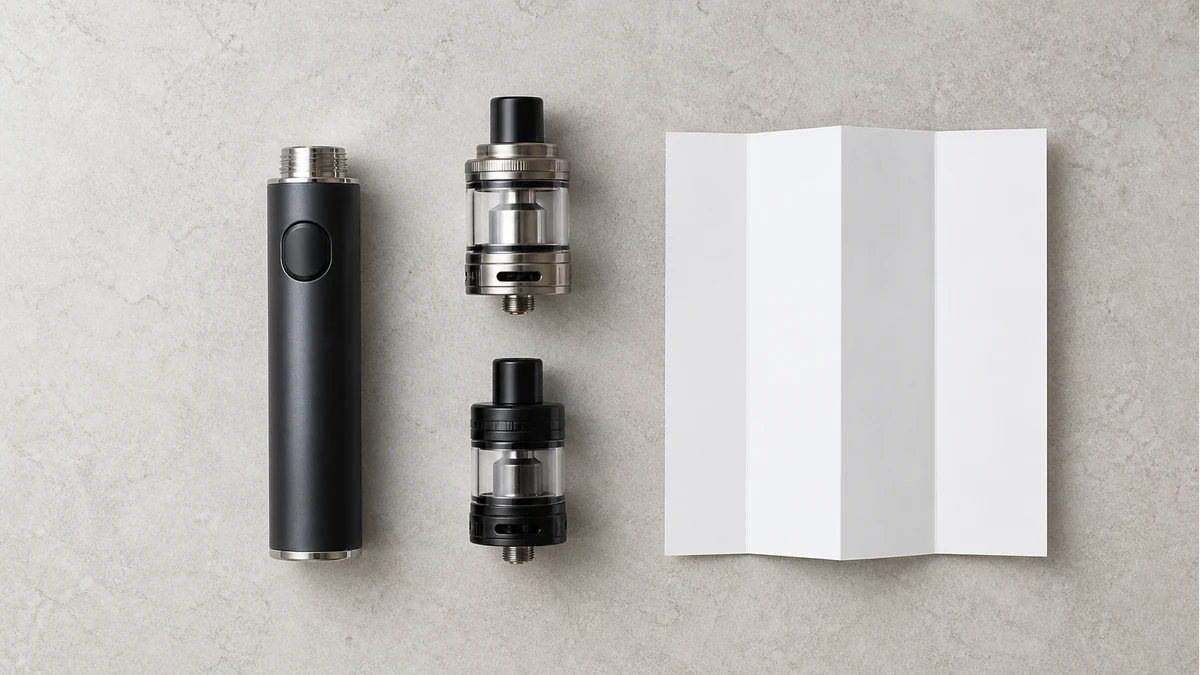
A third group of listings uses “2 in 1” to describe a starter kit that ships with two atomizer heads, coils, or tips designed to be swapped one at a time rather than used simultaneously. This is less a dual-function device and more a kit with a spare part included, which is a reasonable value proposition but a different promise than a device built to run two material types side by side. Reading the box contents carefully is the only way to tell this apart from the other two meanings.
🔍 3. Trace the material path before trusting compatibility
Once you know which of the three categories a device falls into, the next question is what material each side is actually built to handle. A chamber sized and wired for thick concentrate is not automatically suited to a thin vape liquid, and the reverse is true as well. Coil resistance, wick material, and chamber geometry are chosen around a specific viscosity and heating profile, and a device that performs well on one material can underperform, leak, or burn prematurely on another if it was not engineered for that path.
This is also where the distinction between a dab pen and a general vape pen becomes relevant, since the two device families are built around different heating philosophies even when they share a similar external shape. If a 2-in-1 listing bridges both categories, confirm from the manufacturer’s own documentation which chamber corresponds to which material class rather than assuming symmetry. The comparison in this dab pen vs. vape pen breakdown is a useful reference for understanding why these builds diverge in the first place.
The manual, not the marketing copy, is the only reliable source for which materials a given chamber or cartridge connection was tested against. If a listing does not specify this, treat that gap as a compatibility risk rather than an oversight to fill in with assumptions.
⚙️ 4. One battery does not make every attachment interchangeable
A single shared battery is often presented as proof that two attachments are compatible, but battery sharing only confirms that both parts fit the same physical connection and draw from the same power cell. It says nothing about whether the battery’s voltage range, wattage output, or firing profile was tuned for both attachments equally. A battery calibrated for a low-resistance cartridge coil can overdrive a chamber built for a different resistance range, and a battery tuned for concentrate temperatures can underpower a cartridge designed for lower heat.
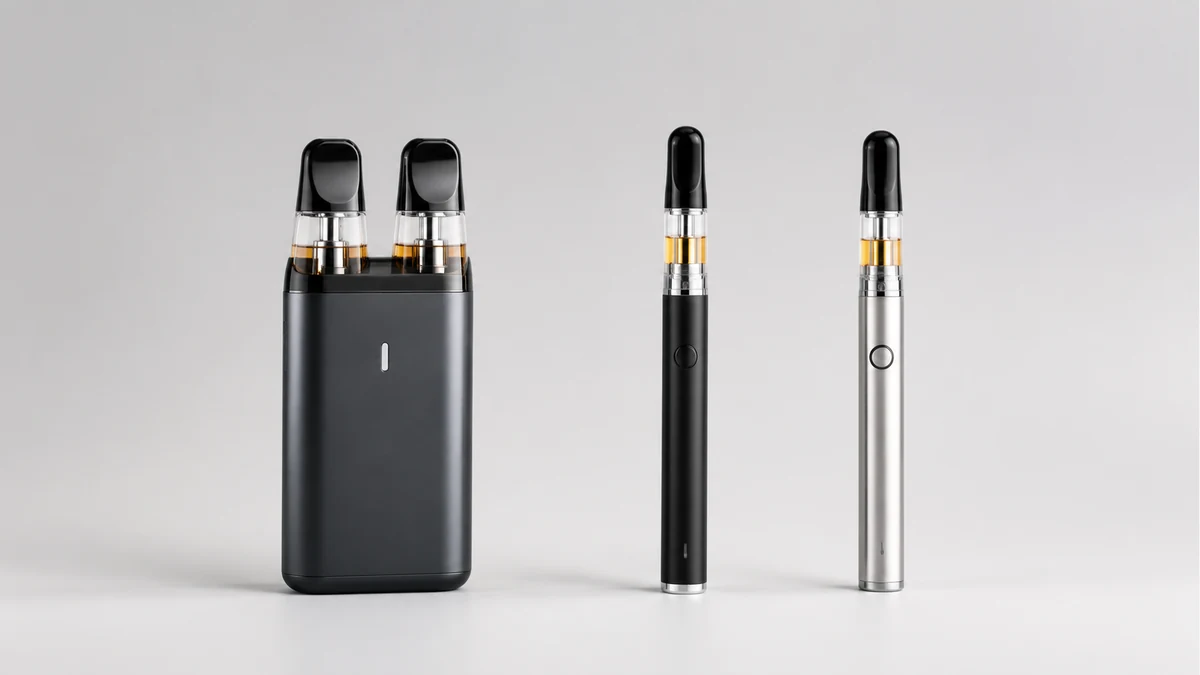
Threading standards add another layer of uncertainty. Two attachments can both use a common connector type and still be mismatched in resistance or intended wattage, which means physical fit is a necessary but not sufficient condition for safe, effective operation. Checking the battery’s adjustable voltage or wattage range against what each attachment’s manual recommends is the only way to confirm the pairing was actually designed to work, rather than just designed to screw together. Background on how battery output ranges are specified is covered in this vape pen battery guide.
When in doubt, the manufacturer’s manual should specify a tested wattage or voltage window for each attachment. If a listing pairs a battery with an attachment the manual does not mention, that combination has not been validated by the maker, regardless of whether the parts physically connect.
🧼 5. The maintenance penalty of doing two jobs
A device built to serve two functions typically asks more of its owner than a single-purpose pen does, and that cost shows up in cleaning frequency and part replacement rather than in the purchase price. Two chambers or two cartridge slots mean two sets of residue to clean, two coils or wicks that wear on their own schedules, and two connection points where buildup can interfere with airflow or contact. Skipping maintenance on one side because attention is focused on the other is a common way these devices underperform relative to expectations.
Residue crossover is a related concern raised by owners of dual-chamber devices: material or flavor from one side can carry over into the other if chambers, mouthpieces, or shared airpaths are not cleaned between uses. Whether a specific device is genuinely sealed against this crossover, or relies on the user cleaning consistently to prevent it, is a design detail that varies by model and should be checked in the manual rather than assumed from the “2 in 1” label.
Replacement parts are also worth checking before purchase. A dual-function device with two proprietary coil types can mean stocking two different replacement parts instead of one, and availability for both should be confirmed rather than discovered after the included parts wear out.
🛠️ 6. Questions that expose a vague product listing
A short set of direct questions, asked before buying, will surface most of the compatibility gaps described above. Does the listing specify which of the three “2 in 1” meanings applies, or does it use the term without defining it? Does it name the connection type and confirm both attachments use the same one? Does it state a voltage or wattage range and confirm both attachments fall within it? Does it identify which materials each chamber or cartridge is built for, rather than implying universal compatibility? Are replacement coils, wicks, or cartridges for both sides sold separately, and are they in stock?
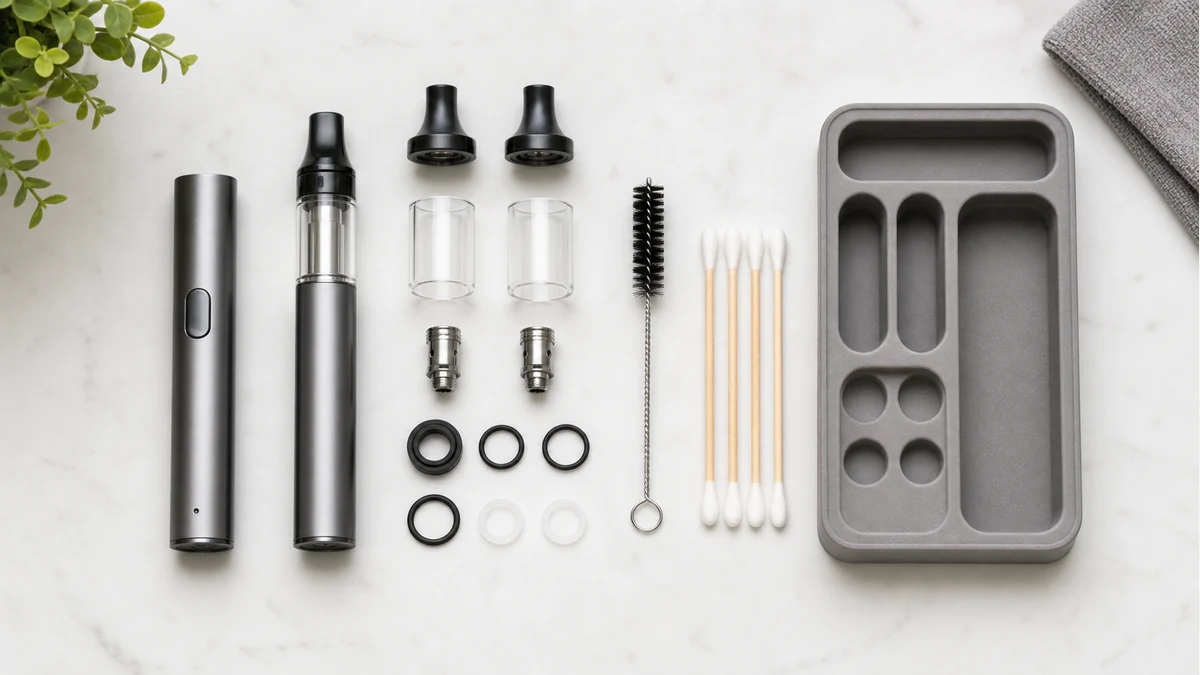
A listing that answers these questions clearly, ideally by linking to or including the actual manual, is giving you enough information to evaluate the device on its own terms. A listing that answers none of them and relies on the phrase “2 in 1” to do the explaining is asking you to trust a label with no defined meaning, which is a reasonable point to ask the seller directly or look elsewhere.
🧩 6.1. Read the product page as a parts list
A useful 2-in-1 listing should make both configurations visible. Look for separate photographs of each attachment, the connection between attachment and battery, the included seals or adapters, and a manual that names the intended material for each chamber. If the page only repeats “dual use” without showing two complete airpaths, the second function may be an accessory bundle rather than a genuinely integrated design.
Also check whether the two modes share consumable parts. A device can accept two tops yet become a one-function device when one proprietary coil disappears from the market. Common connections and separately available replacement parts often matter more over time than an extra mode printed on the box.
A final compatibility check belongs at the charging port as well. Two attachments can share a battery while the device still requires a particular cable, input limit, or charging position. Confirm those details in the manual and keep the contacts for each top clean and dry. A second mode is useful only when changing modes remains simpler than maintaining two separate devices.
✅ 7. Choose for the primary use, then evaluate the second
The most reliable way to shop for one of these devices is to identify which function matters most to you and evaluate that side of the device as if the second function did not exist. If cartridge switching is the priority, judge the battery, connection, and cartridge options on their own merits before considering whatever secondary chamber or attachment comes bundled with it. If a concentrate chamber is the priority, evaluate that chamber’s build quality and coil options independently of the cartridge side.
Once the primary use case checks out, treat the second function as a bonus to verify rather than a reason to buy. Confirm it against the manual’s stated compatibility, check that replacement parts are available for it, and be honest about whether you will use it often enough to justify the added cleaning and part-tracking it requires. A device that does one job well and a second job adequately is usually a better outcome than one purchased on the promise of doing two jobs equally, only to discover the second was never built to the same standard as the first.