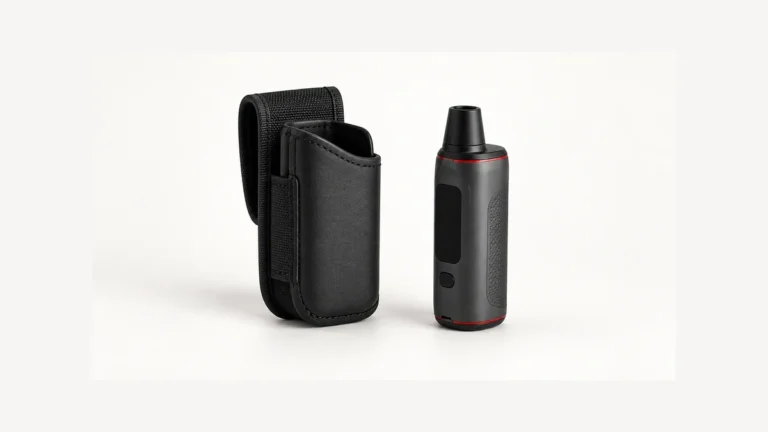
The short version: someone without a torch-and-banger setup at hand has options that were built for this exact situation, not a workaround pieced together from whatever is in the kitchen drawer. A concentrate vape pen, a battery-powered e-rig, a nectar collector, or a temporary flower-bowl sandwich can each get a dab of wax, shatter, or rosin into vapor without an open flame, a blowtorch, or a piece of glass shaped like a bong. The right pick depends on what the concentrate looks like, how much cleanup someone wants to deal with afterward, and whether the goal is a one-time fix or a standing replacement for a rig.
This isn’t a ranking of which method gets someone “higher” — that framing ignores how differently these tools actually work. A cartridge-style pen, an open-chamber e-rig, and a nectar collector each change how the concentrate is loaded, how heat reaches it, and how much vapor comes out per pull. Picking blind usually means picking wrong for the concentrate on hand.
🧭 1. The short answer: use hardware made for concentrates
A conventional rig does three jobs at once: it holds the concentrate, applies controlled heat to a banger or nail, and cools the vapor through a water chamber before it reaches the mouth. Any substitute needs to cover at least the first two. That’s why the reliable fallback options are all purpose-built concentrate hardware — devices designed by their manufacturers to heat wax, shatter, budder, or rosin to a working temperature without a torch. Standard dab rig technique is still worth understanding even when using a different device, because the underlying idea — heat a small, controlled surface, then draw vapor off it — carries over to every alternative on this list.
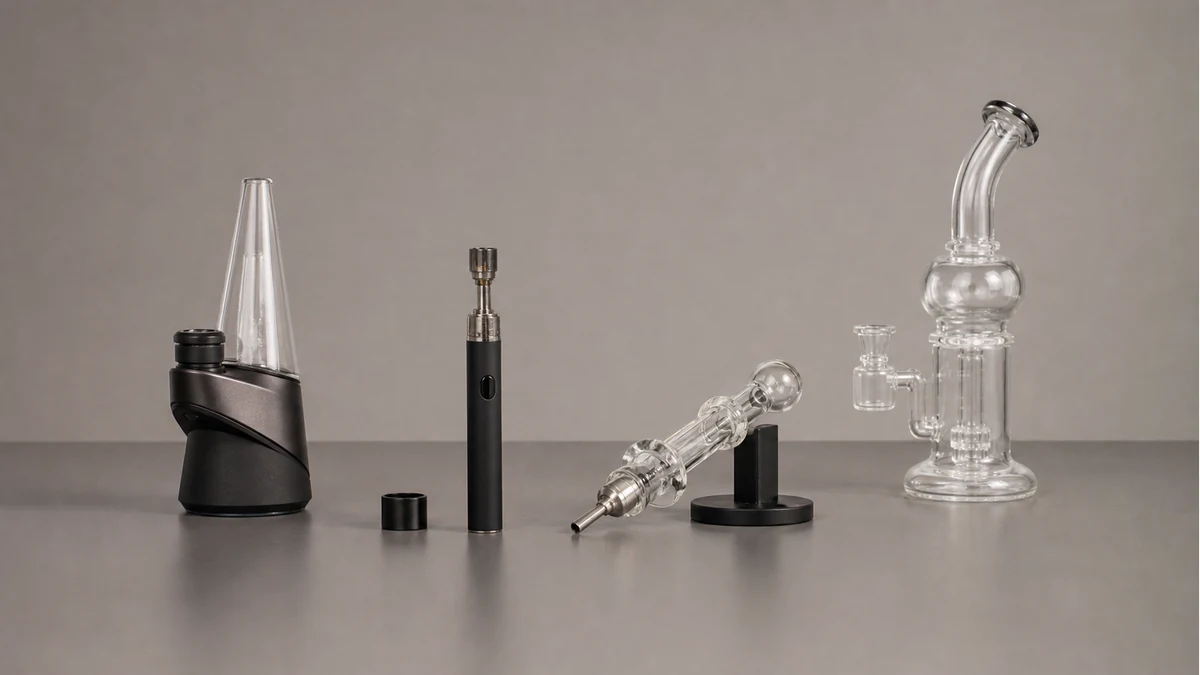
What doesn’t carry over well is improvising a heat source. A rig’s banger is quartz or titanium engineered to hold and release heat evenly across a specific temperature range. A butter knife on a stove burner, a bent paperclip, or a piece of foil have none of that engineering behind them, and swapping one in changes more than convenience — it changes what’s actually happening when the concentrate meets that surface.
🧩 2. Four realistic ways to replace a conventional rig
These four options cover most situations where a rig isn’t available: no torch, no glass, traveling, or just wanting something lower-maintenance.
📦 2.1. Concentrate vape pens
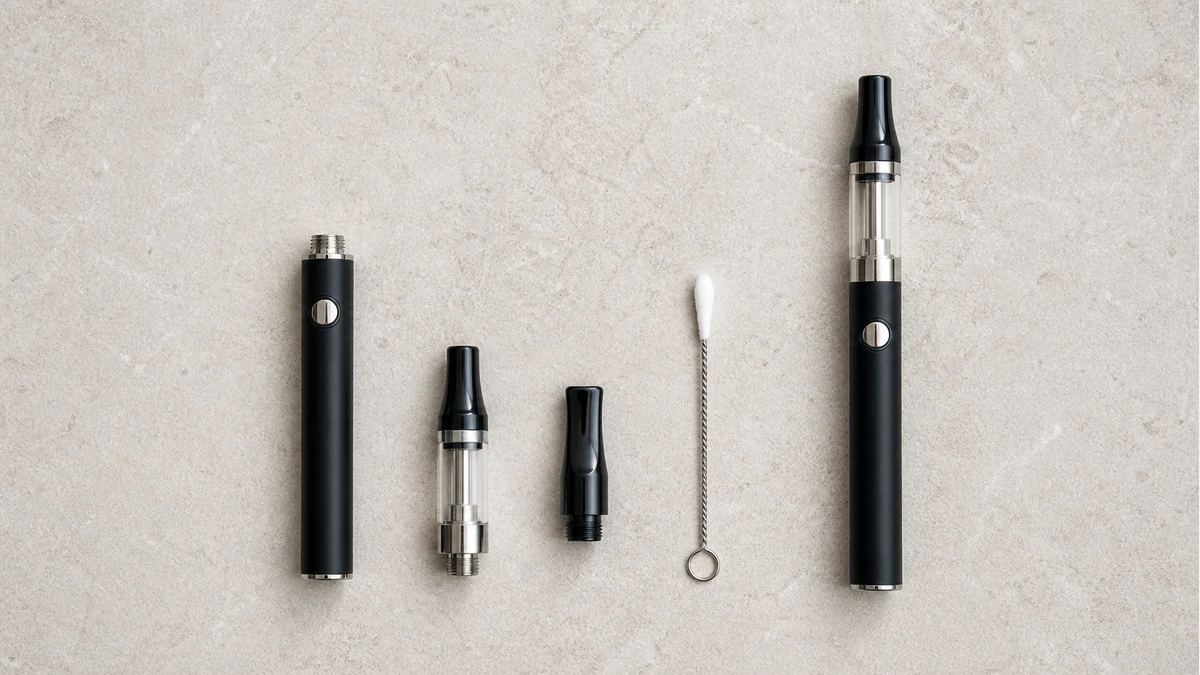
A concentrate pen (sometimes called a wax pen or dab pen, distinct from a nicotine or THC-oil vape pen) uses a small battery to heat a coil or ceramic chamber that the concentrate sits directly on or near. Loading is usually a matter of opening a chamber, dropping in a small amount with a dab tool, and closing it back up. There’s no open flame and no glass to heat, which makes it the most portable and lowest-prep option on this list. The tradeoff is chamber size — most are built for individual sessions, not for sharing a large dab the way a rig’s banger can.
It’s worth knowing that “dab pen” and “vape pen” get used interchangeably online but usually describe different hardware built for different materials; the comparison in dab pen vs. vape pen breaks down the distinction if there’s uncertainty about which device is actually in hand.
💡 2.2. Electronic rigs (e-rigs / e-nails)
An e-rig replaces the torch with an electronic heating element — either a standalone enail coil retrofitted onto a normal rig’s banger, or an all-in-one unit with a battery, a small water chamber, and a built-in heater. The concentrate still sits on a banger-style surface, and the vapor still passes through water, so the sensation is closer to a traditional rig than a pen delivers. The main differences are setup time and where the heat comes from: instead of judging a torch’s flame and guessing at temperature, most e-rigs use a set-and-wait heating cycle or a digital readout, which removes the flame entirely but adds a device that needs charging or a wall outlet.
🧭 2.3. Nectar collectors
A nectar collector flips the usual order of operations. Instead of loading concentrate into a heated surface, the tip of the collector — usually quartz or titanium — is heated first, then touched directly to the concentrate, which vaporizes on contact and gets drawn up through the straw-like body. There’s no banger to load and no dome to place, which makes it fast for a single dab, but it does still require a heat source for the tip, most commonly a torch, so it doesn’t fully remove that step. Some newer nectar collectors use an electronic heating tip instead of a torch, which brings them closer to the “no torch” alternatives on this list. The mechanics of the draw and the reason the tip has to reach a workable temperature before contact are covered in how to use a nectar collector.
🧩 2.4. The flower-bowl sandwich
For someone with a flower bowl or a bong but no banger, a small amount of concentrate can be placed between two thin layers of ground flower inside the bowl — a “sandwich” — and lit like a normal bowl. The flower ignites at a lower temperature than a banger needs and carries the concentrate’s vapor along with the smoke. This isn’t a like-for-like substitute for dabbing; it’s closer to smoking flower with concentrate mixed in, and it burns rather than vaporizes at a controlled temperature. It’s a reasonable stopgap when nothing else is available, not a format anyone should plan around as an ongoing method.
🔍 3. Why improvised hot surfaces are a bad trade
The internet has no shortage of suggestions involving heating a knife, a piece of metal wire, a spoon, or a light bulb and touching concentrate to it. None of these are built for repeated, controlled heating of a small surface, and none of them behave predictably compared to hardware designed for the job. A quartz or titanium banger is manufactured to hold a specific range of heat retention and release it evenly; a kitchen knife heated over a stove has no such profile, no consistent way to gauge its temperature, and no track record of behaving the same way twice. Swapping a purpose-built heating surface for whatever metal object is closest at hand isn’t a shortcut to the same experience — it’s a different, less predictable process with more variables and none of the manufacturer testing behind it.
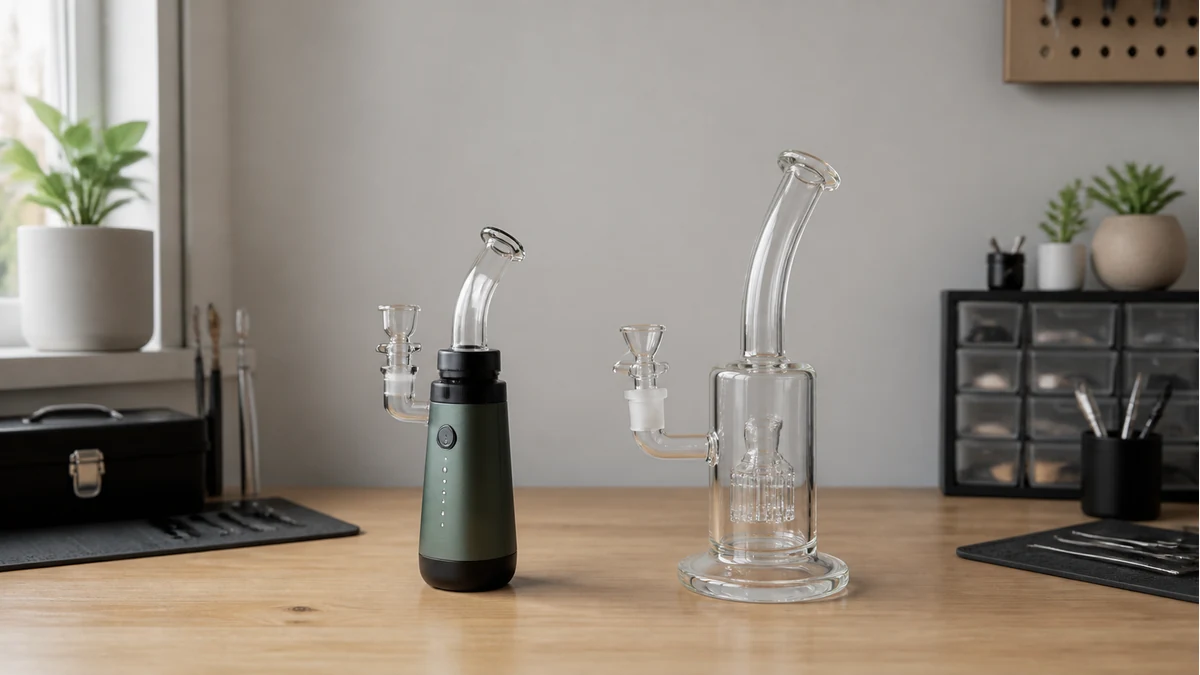
The practical case against improvised setups is really about reliability, not drama: uneven heating means uneven vaporization, unknown material means unknown behavior when heated, and none of it comes with a manual to follow. Every option in the section above was designed, tested, and documented by a manufacturer for this specific use. That’s the whole reason they’re worth choosing over a workaround, independent of any other consideration.
⚙️ 4. Match the method to concentrate consistency
Concentrate texture affects which of these tools actually works well, and it’s often the deciding factor more than convenience.
Shatter and other brittle, glass-like concentrates handle loading tools cleanly — they break off in small, controlled pieces that sit well in a pen’s chamber, an e-rig’s banger, or on a nectar collector’s tip. Budder, badder, and other soft, sticky consistencies smear more than they cut, which makes them harder to portion precisely with a dab tool but generally easier to load into an open chamber like a pen or e-rig, where a small dab tool can push the material directly onto the coil.
Live resin and rosin, which tend to be softer and sometimes runnier depending on how they were pressed or extracted, can be trickier in nectar collectors specifically, since a very soft concentrate may slide off a heated tip before it fully vaporizes. Those consistencies generally do better in an enclosed chamber — a pen or e-rig banger — where the concentrate has somewhere to sit rather than a surface it’s dragged across. None of this is a hard rule; it’s a starting point for matching what’s on hand to hardware that’s actually going to handle it well, and the device’s own manual is the better source for loading specifics on a given consistency.
🧼 5. Heat control and airflow still determine the result
Whatever device is in use, the same two variables that matter on a conventional rig still matter here: how hot the concentrate gets, and how much air moves across it. Too little heat leaves concentrate un-vaporized and wasted on the chamber walls; too much scorches it and produces a harsh, burnt taste rather than a clean draw. Pens and e-rigs with adjustable settings let a user dial temperature to match the concentrate’s consistency, while single-setting or torch-heated tools rely more on timing — how long the surface heats, how long it’s allowed to cool slightly before contact, and how long the draw lasts.
Airflow follows a similar logic across every format. A slow, steady draw gives vapor more time to form at a manageable pace; pulling hard and fast tends to overwhelm the chamber and pull in more heat than concentrate can evenly vaporize. This is one of the few principles that’s genuinely universal across pens, e-rigs, and nectar collectors, even though the exact temperature ranges and timing differ by device and manufacturer — which is exactly why the maker’s manual, not a general guide, is the right source for model-specific settings.
🛠️ 6. Cleanup changes with every format
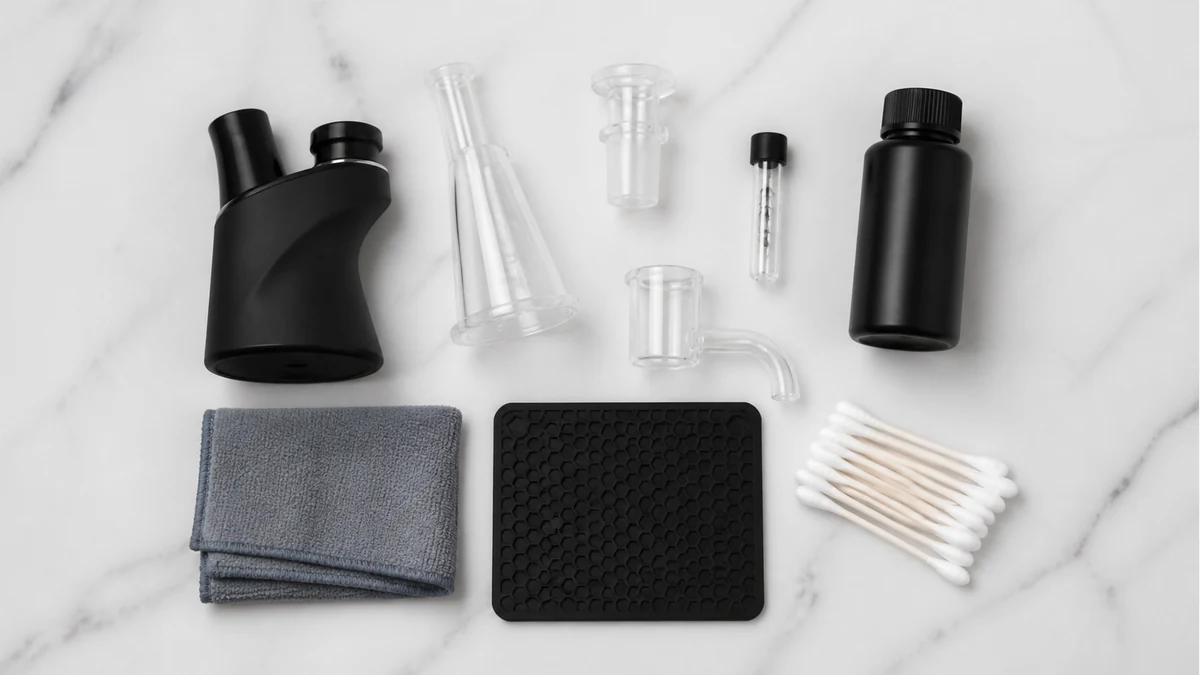
Cleanup effort scales with how enclosed the chamber is. Concentrate pens are the lowest-maintenance of the group: most chambers can be wiped or lightly scraped clean, and there’s no water or glass involved, though residue does build up in the coil over repeated use and eventually affects flavor until it’s cleaned or the coil is replaced. E-rigs sit in the middle — the banger needs the same kind of periodic wipe-down or soak that a torch-heated banger would, and any water chamber still needs regular changing to avoid buildup, the same as a standard rig.
Nectar collectors are comparatively simple since there’s no chamber to load, only a tip and a body to wipe down between sessions, though the straw-like design means residue can travel further into the piece than it would in an open banger. The flower-bowl sandwich leaves the most cleanup behind relative to how little hardware it uses: resin builds up in the bowl faster than with flower alone, and screens or bowls used this way tend to need more frequent cleaning or replacing.
🔍 6.1. Make the substitute solve the actual constraint
“No rig” can mean several different things. A traveler may need fewer breakable parts, an apartment user may want to avoid a torch, and a first-time buyer may simply not want to invest in a full glass setup yet. Those are different problems. An electronic rig replaces the torch but not the water chamber or cleanup. A concentrate pen reduces the footprint, yet its smaller chamber usually makes loading technique and routine wiping more important. A nectar collector removes the separate banger and dab tool from the sequence, but it still has a heated tip and an airpath that needs inspection.
Start by naming the missing piece—space, power, glass, or heat control—then choose purpose-built hardware that removes that one complication. That produces a more predictable result than forcing a household object to imitate an engineered concentrate surface.
✅ 7. Choose the smallest compromise for the actual situation
There’s no single best replacement for a rig — there’s a best fit for the situation someone’s actually in. A quick session at home with no torch on hand points toward a concentrate pen, since it needs the least setup and no additional heat source. Wanting something that still delivers vapor through water, closer to what a conventional rig feels like, points toward an e-rig. A fast single dab with hardware that’s easy to carry points toward a nectar collector, torch requirement and all. And having only a flower bowl or bong, with nothing else available, makes the sandwich method a reasonable one-time stopgap rather than a long-term setup.
The common thread across all four is that each one was built by a manufacturer for handling concentrate, with a manual that spells out loading amounts, temperature settings, and maintenance for that specific device. Matching the tool to the concentrate on hand — and reading that manual instead of guessing — does more for a good result than any workaround built from spare parts.