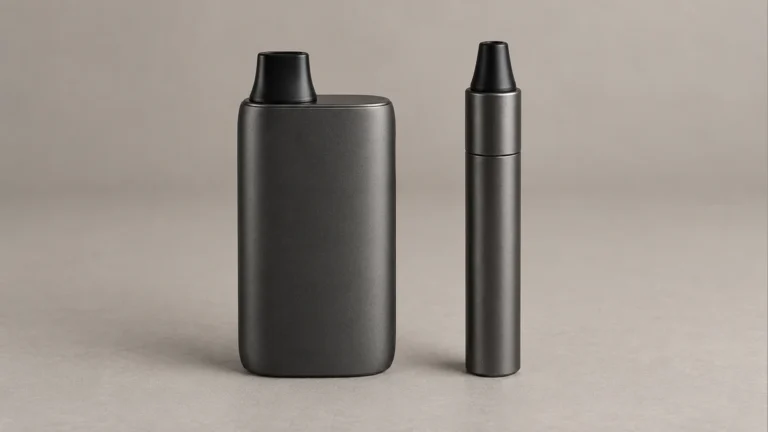
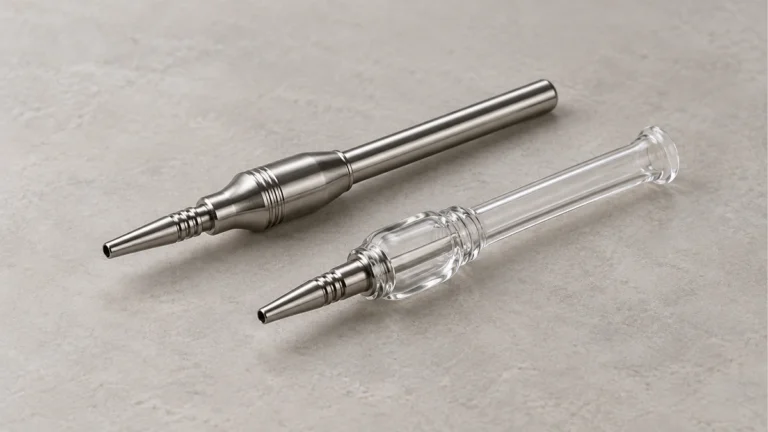
A 510 cartridge case looks like a simple accessory until a cartridge leaks in a bag, a glass tank cracks against a set of keys, or a threaded base picks up enough lint to stop a clean connection. The case is the layer between a cartridge and everyday wear — drops, temperature swings, pocket lint, and contact with other hardware. Understanding what a case is actually built to do helps separate a genuinely protective design from one that only looks tidy on a shelf.
🔌 1. What a 510 Cartridge Case Actually Protects Against
Cartridges built on the 510 thread standard combine three vulnerable elements: a glass or plastic reservoir, a mouthpiece made of glass, ceramic, or plastic, and a metal threaded base that connects to a battery. Each of these fails differently, and a case has to account for all three at once.
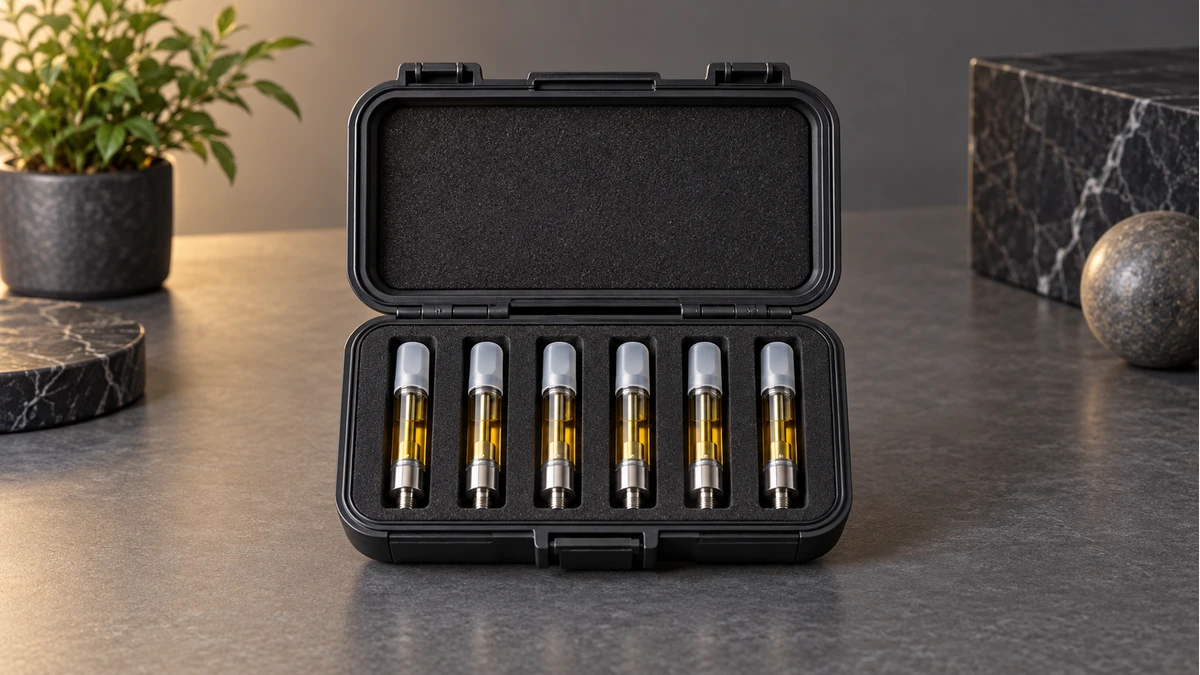
Glass reservoirs crack under point impact, not general pressure. A case that cradles the body with foam or molded plastic spreads that impact across a wider surface instead of letting it concentrate on one edge. Mouthpieces chip when they strike a hard surface directly, which is why upright cavities that keep the mouthpiece elevated and unsupported by anything rigid matter more than padding alone. Threaded bases corrode or gum up when exposed to pocket lint, moisture, and skin oil over weeks of loose carry.
None of this is exotic engineering. It’s closer to how a case for glasses or a pocket knife works — remove contact points, add separation, and let materials that flex absorb shock instead of materials that shatter.
🧭 2. Case Geometry — Cavities, Depth, and Upright Support
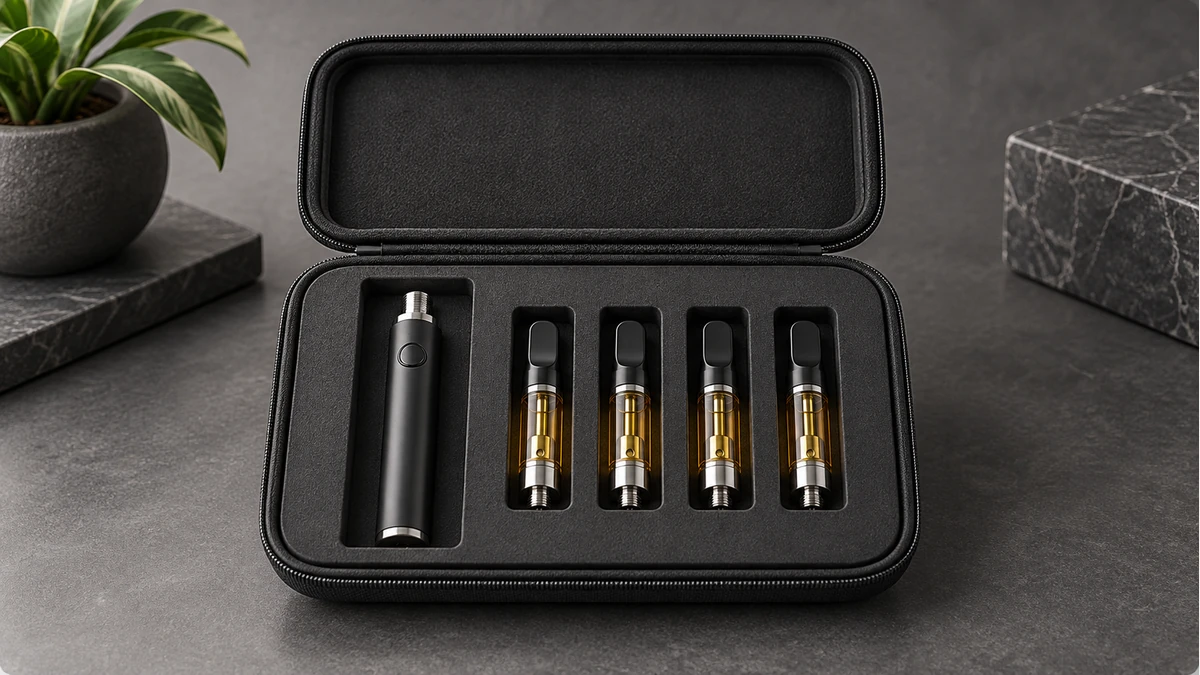
The shape of the interior cavity determines whether a cartridge is actually protected or just contained. A cavity that’s too shallow lets the cartridge shift and tip during movement, which repeatedly knocks the mouthpiece against the case wall. A cavity that’s too deep can bury the cartridge below the rim, making it awkward to remove without pinching the glass.
🔎 2.1 Upright vs. Horizontal Storage
Upright cavities — where the cartridge stands mouthpiece-up or mouthpiece-down in a fixed column — limit sideways movement and reduce the chance of oil pooling unevenly inside the reservoir. Horizontal slots are more common in flat travel cases and work fine for short trips, but they allow more oil migration toward the mouthpiece over time if the case sits still for days.
🧠 2.2 Depth and Snugness
A snug-fitting cavity that grips the cartridge body by friction, rather than a loose one that relies only on a lid to hold everything in place, prevents rattling. Rattling is the main cause of hairline cracks that don’t show up until weeks later, when a tank that looked fine suddenly seeps.
Foam-lined cases with die-cut cavities sized to a specific cartridge diameter tend to outperform generic soft pouches for this reason — the fit itself does the protecting, not just the outer shell.
🔋 3. Mouthpiece Caps and Thread Protection
Two small components do a disproportionate amount of protective work: the mouthpiece cap and the thread cover.
🔎 3.1 Mouthpiece Caps
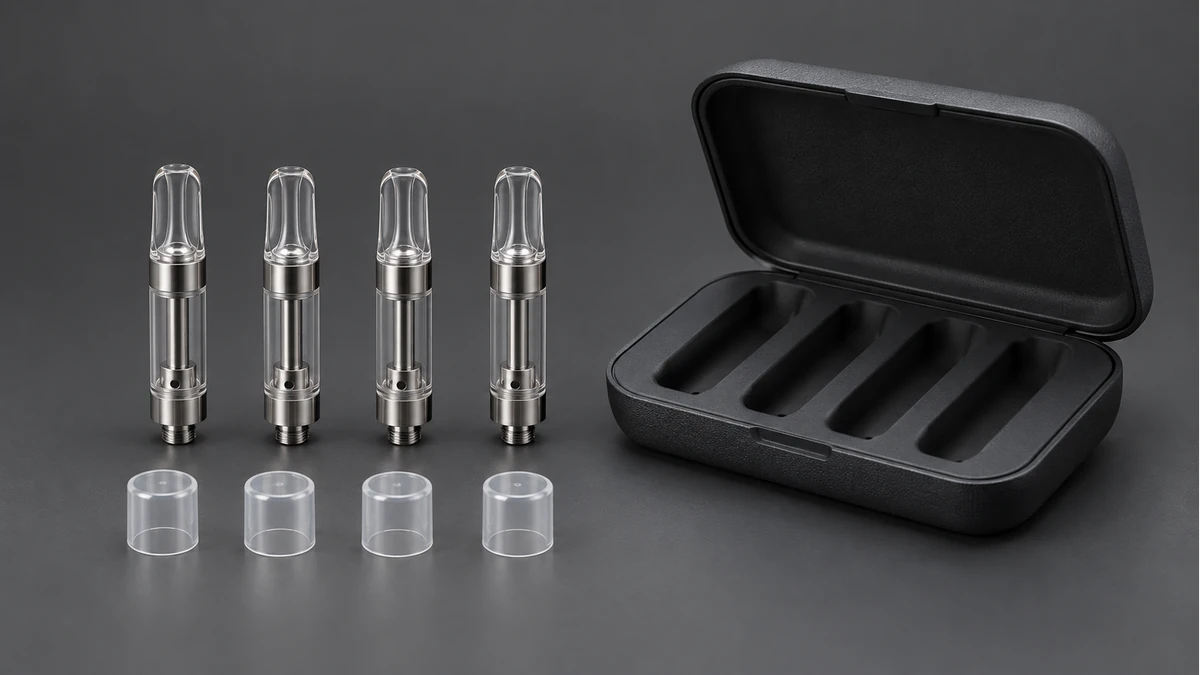
A mouthpiece cap keeps debris out of the airpath and prevents chipping from incidental contact with keys, coins, or other hardware sharing the same pocket or bag. Silicone caps flex and reseat easily after repeated use, while rigid plastic caps protect better against impact but can crack themselves if dropped at the wrong angle. Either style is better than an exposed mouthpiece, which collects lint that then gets drawn into the airpath on first use.
🧠 3.2 Thread Covers and Connector Protection
The threaded base is brass or stainless steel in most 510 cartridges, and it’s the part most exposed to corrosion because it’s designed to make electrical contact. A thread cover — often a small silicone or plastic nub that snaps over the connector — blocks pocket lint and moisture from settling into the threads. Left uncovered, a cartridge stored loose in a bag will pick up debris that then transfers to the battery’s connector pin, which can cause a poor connection or intermittent power delivery unrelated to the cartridge or battery itself being faulty.
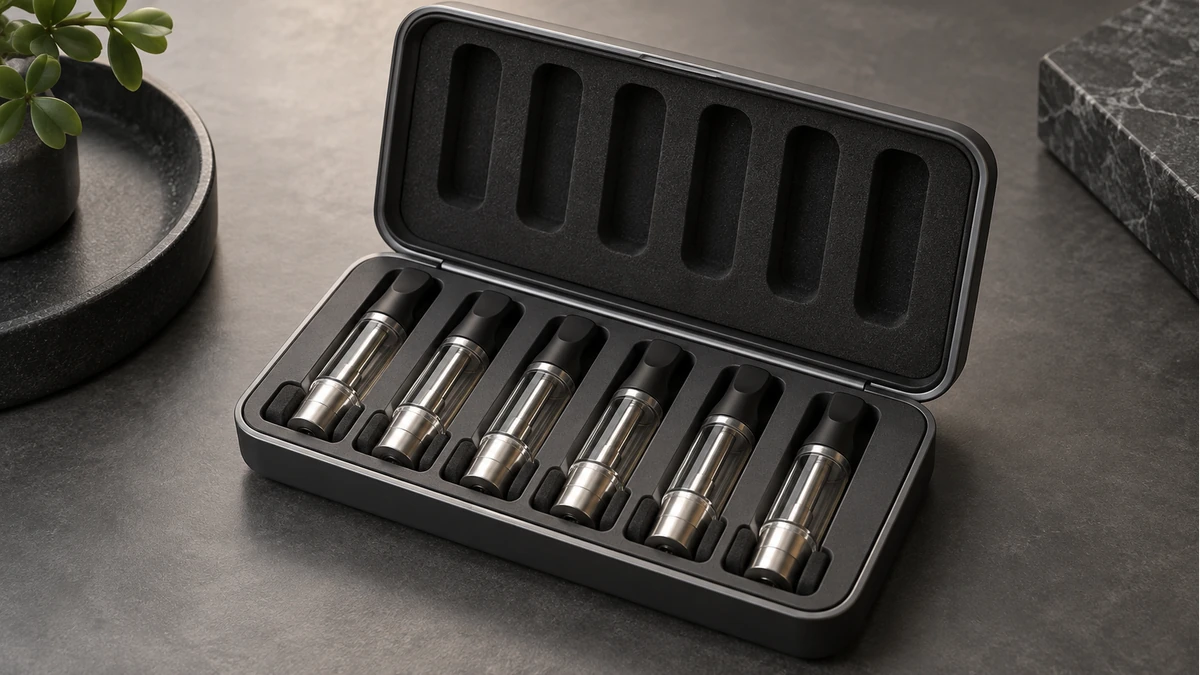
Cases that include dedicated thread-cover slots, rather than just an open cavity, tend to keep this contact point cleaner over the life of the cartridge.
🧩 4. Leak Containment and Cleaning
Even well-designed cartridges can weep small amounts of oil from the airpath or the base seal, particularly after temperature changes or air travel where cabin pressure shifts. A case’s second job — after impact protection — is containing that leak before it reaches a bag lining, other cartridges, or clothing.
🔎 4.1 Materials That Handle Leaks Well
Hard plastic and silicone interiors wipe clean with a cloth and isopropyl alcohol without staining or absorbing oil. Cases with unsealed foam or fabric liners look premium initially but absorb residue permanently, which means a single leak can render the case unpleasant to use going forward even if it never leaks again.
🧠 4.2 Cleaning a Case After a Leak
- Remove the cartridge and set it aside before cleaning the case, not after, so oil isn’t reintroduced.
- Wipe hard interior surfaces with a lint-free cloth lightly dampened with isopropyl alcohol.
- Let the case air-dry fully before returning any cartridge to the cavity — residual alcohol can affect plastic or silicone components if sealed in immediately.
- Check cavity edges and lid hinges, since oil often collects in seams rather than the flat interior.
A case that’s easy to disassemble or wipe out fully is worth more in practice than one with a slightly more refined exterior finish but a fixed, hard-to-reach interior.
🧼 5. Temperature Exposure and Storage Conditions
Temperature swings affect cartridge oil viscosity and seal integrity more than most people expect. A case can’t change the ambient environment, but it can slow how quickly a cartridge reaches an extreme temperature and reduce direct exposure to sunlight.
🔎 5.1 Heat
Direct sunlight through a car window or a bag left outdoors can raise the internal temperature of a cartridge well beyond what feels warm to the touch. Thinner oils expand and are more likely to seep past seals under heat, and glass under thermal stress is more prone to cracking if it then contacts something cold. An opaque, insulated case — even a basic hard-shell one — reduces direct heat transfer compared to leaving a cartridge loose in a pocket or exposed compartment.
🧠 5.2 Cold
Cold has the opposite effect: oil thickens, which can make a cartridge draw poorly immediately after it’s been stored somewhere cold, until it returns to a more moderate temperature. This isn’t a defect in the case or the cartridge — it’s a material property of the oil — but storing cartridges somewhere with a stable temperature, rather than a car trunk or an unheated bag pocket, avoids the repeated expansion-and-contraction cycles that stress glass and seals over time.
📐 6. Labels, Separation from Batteries, and Organization
Cases that hold multiple cartridges introduce a second problem: telling them apart once they’re out of their original packaging, and keeping them away from batteries that shouldn’t share a compartment.
🔎 6.1 Labeling
Once a cartridge is removed from its box, most of the identifying information — strain name, batch, or type — disappears. Cases with a small label window, a slot for a paper insert, or a dry-erase surface solve this without needing to write directly on the cartridge itself. This matters most for anyone carrying more than one cartridge type at once, where a visual mix-up is otherwise easy.
🧠 6.2 Keeping Cartridges Separate from Batteries
Batteries and cartridges are often sold and carried together, but storing them in the same tight compartment increases the chance of the threaded base contacting metal battery housing, keys, or coins during transport. A case with a dedicated cartridge-only compartment, separate from a battery pocket, reduces incidental contact and keeps the connector threads cleaner. It also reduces the chance of a cartridge’s mouthpiece cap popping off from friction against a harder object riding alongside it.
For anyone assembling a full carry kit rather than just a case, it helps to look at how the 510 cartridge guide and a compatible case are meant to work together, since case interiors are sometimes sized around a specific battery-and-cartridge pairing.
🔍 7. Fit Problems and Compatibility Troubleshooting
Most complaints about 510 cases aren’t about the case failing structurally — they’re about fit. A cavity sized for a slightly different cartridge diameter, wall thickness, or overall length creates friction, rattling, or a lid that won’t close flush.
🔎 7.1 Diameter and Length Mismatches
510 refers specifically to the thread standard at the connector, not the overall dimensions of the cartridge body. Two cartridges with identical threading can have noticeably different diameters or lengths depending on the manufacturer, which is why a case built for one style may feel loose or tight with another. If a cartridge doesn’t sit flush or the lid bulges slightly, the issue is almost always a size mismatch rather than a defective case.
🧠 7.2 Confusing Labels and Generic Sizing
Cases marketed as “universal 510” fit is a common source of frustration, since that phrase describes the thread compatibility of a battery connection, not the physical cavity dimensions of a storage case. Reading listed interior cavity measurements, when available, and comparing them against the cartridge’s actual diameter avoids most fit disappointments before purchase.
📏 7.3 When a Case Stops Closing Properly
A lid that used to close flush and now doesn’t is usually a sign of accumulated residue at the hinge or cavity edge rather than a structural failure. Cleaning the interior, as described earlier, often resolves this. If a case is warped from heat exposure — a visible bow in the lid or base — that’s a materials issue from temperature, not a design flaw, and it’s a sign the case was exposed to more heat than the plastic was rated for.
For readers comparing case types directly against tank designs and airflow behavior, it’s worth reviewing the 510 battery guide alongside case shopping, since some cartridge geometries are simply harder to fit into a generic case regardless of brand. General background on the hardware cleaning-kit guide is also useful context for anyone still deciding which cartridge style to standardize a case around.
⚙️ 8. Test the Case With Empty, Clean Hardware
Before relying on a case, load it with clean, empty cartridges and move it through the orientations it will encounter in a bag or drawer. Listen for parts striking one another and check whether caps stay seated. This dry test reveals loose cavities, excessive lid pressure and unsupported glass without risking product or residue.
🔎 8.1 Support the Base Without Squeezing the Glass
The strongest locating point is usually the metal base, not the glass reservoir or mouthpiece. A fitted insert should prevent side-to-side movement while leaving enough clearance that the lid does not press on the top. Foam that bends a cartridge can be more damaging than a slightly larger cavity.
🧠 8.2 A Case Does Not Control Temperature
A hard shell protects against impact, but it does not make a hot car, sunny windowsill or freezing bag into controlled storage. Follow the cartridge maker’s storage guidance and keep the case away from direct heat. Temperature exposure can change pressure and fluid movement even when the cartridge remains physically upright.
✅ 9. Takeaway
A 510 cartridge case earns its keep through fit, not features. The cavity shape and snugness prevent the rattling that leads to hairline cracks. The mouthpiece cap and thread cover protect the two contact points most exposed to chipping and corrosion. Hard, wipeable interior materials contain leaks instead of absorbing them permanently. And keeping cartridges separated from batteries — with labels intact — solves the everyday mix-ups that have nothing to do with hardware quality at all. When shopping, measure before matching a case to a cartridge, since “510 compatible” only guarantees the thread connection, not the case cavity fit.