The tip catches on the rim of the banger, a thin crescent of glass lets go, and the dab you spent thirty seconds portioning now has a shard sitting in the middle of it. Anyone who has used a glass dab tool for more than a few sessions has a version of this story. It usually happens fast, without warning, and it changes how you think about the tool sitting in your kit.
Glass and metal solve the same basic problem — picking up, moving, and placing a small amount of concentrate — but they solve it in different ways, and the differences only really show up once you’re handling the tool under real conditions: a hot banger a few inches away, concentrate that’s gone stickier than expected, a countertop that isn’t as forgiving as you’d like. This piece walks through where a glass dab tool earns its keep, where an uncoated metal tool quietly does the job better, and how to keep a glass tool in service longer than most people manage.
🔍 1. Why Glass Still Earns a Spot in the Kit
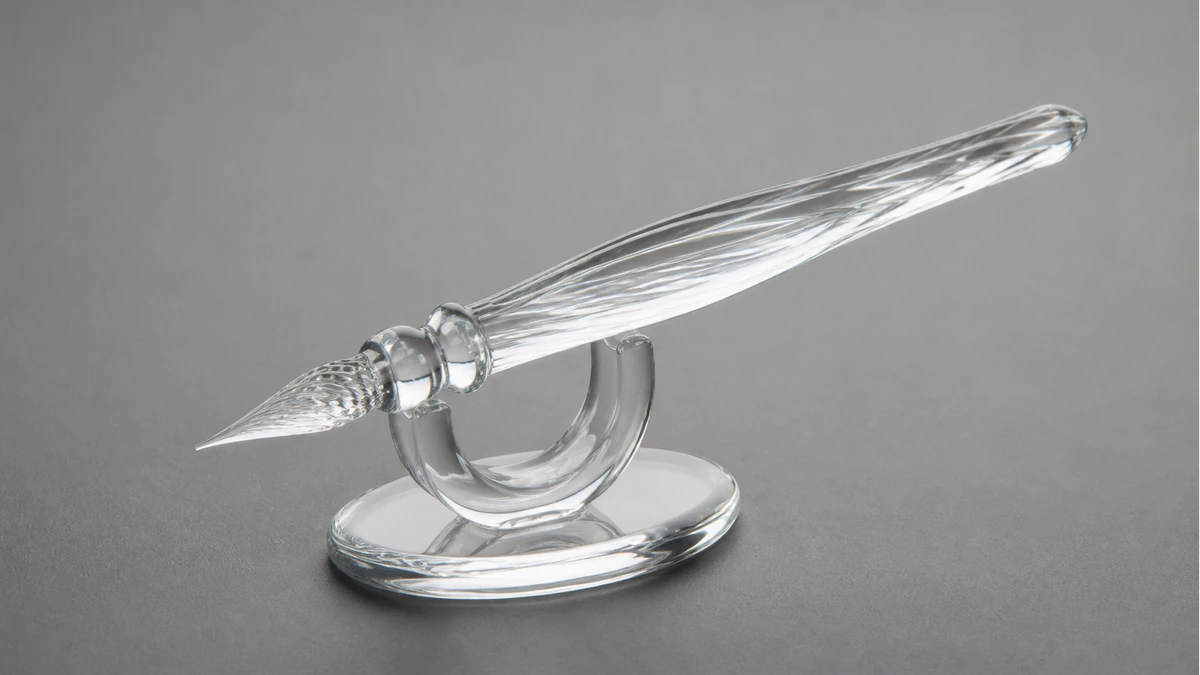
Glass has a following for reasons that have nothing to do with hype. The first is visibility. A clear or lightly tinted glass tip lets you see exactly how much concentrate is riding on the end of the tool, which matters more than it sounds like it should when you’re trying to portion consistently. Metal tools, even polished ones, don’t give you that same read at a glance — you’re relying on feel and habit instead of sight.
The second reason is material neutrality. Most glass dab tools are made from borosilicate, the same general category of glass used in lab equipment and glass dab rigs, precisely because it doesn’t carry a coating, a plating layer, or a surface treatment that could interact with concentrate over repeated use. What you see on a glass tip is what’s there — no finish to wear through, no worry about a coating degrading at the point of contact. That’s a meaningful comfort for buyers who’ve grown cautious about anything with an applied surface layer touching their concentrate, and it’s part of why glass keeps showing up in kits built around a glass rig in the first place.
There’s also a tactile argument. A well-balanced glass tool has weight distributed differently than a stamped or machined metal one, and a lot of users describe it as feeling more deliberate in hand — slower, more controlled, closer to how a dab rig itself feels. Paired with a glass rig, a glass tool also just looks and feels like it belongs, which matters to buyers who care about the whole setup reading as a coherent piece rather than a mismatched pile of accessories. None of that is a technical advantage, but it’s a real reason people keep buying glass.
🧩 2. Where Handling Starts to Work Against Glass
The appeal is genuine, but it only holds up under certain conditions. Once you start using a glass tool the way most people actually use dab tools — close to a hot nail, moving fast, occasionally under a bit of stress — some practical gaps open up between glass and uncoated metal.
🧩 2.1 Heat Transfer at the Tip
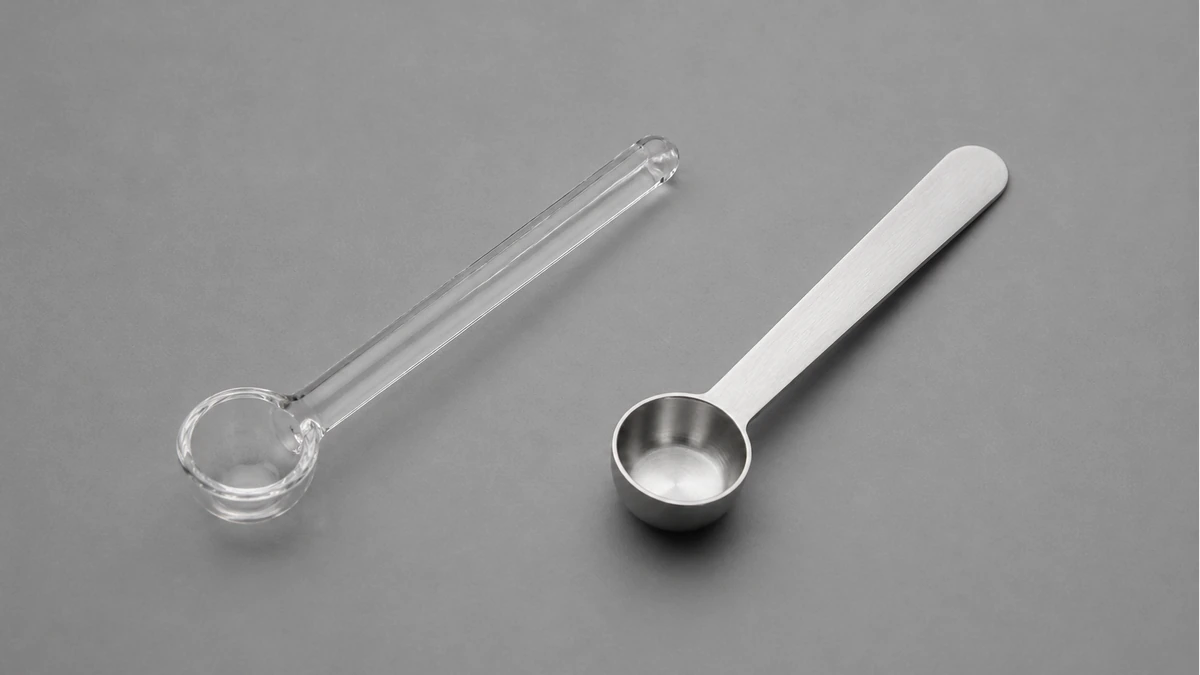
Glass conducts heat differently than metal, and not always in the direction you’d expect. A glass tip that brushes against the wall of a hot banger can pick up heat quickly at that contact point without warming the rest of the tool evenly, which is part of why sudden temperature changes are the most common cause of a chip or crack — not clumsiness, but an uneven thermal load hitting a rigid material. Borosilicate glass is more resistant to that kind of thermal shock than ordinary glass, but “more resistant” isn’t the same as immune, and a fast swing from cold to hot still stresses the material at whatever point makes contact first. Metal tools don’t eliminate the heat risk, but they distribute warmth along the shaft in a way that’s more predictable, so you get a more useful early warning that the tool is getting too hot to hold near the tip.
🧩 2.2 Grip When Things Get Sticky
Concentrate is not a clean material to work with, and grip matters more than people expect until they’re mid-session with slightly tacky fingers and a tool that keeps wanting to rotate in their hand. Uncoated metal tools with a knurled, ridged, or otherwise textured shaft hold their position against a tacky grip far better than a smooth glass surface. Some metal tools add a silicone sleeve or grip section around the handle specifically to address this, and that kind of texture is simple to reproduce in metal in a way it generally isn’t in glass, where any added grip surface has to be built into the shape of the glass itself. Polished glass, especially once it’s picked up a light film of residue, can get slick fast — and a tool that shifts in your hand right as you’re placing concentrate onto a hot surface is a small but real handling failure.
🧩 2.3 Breakage and the Moment It Happens
This is the gap that shows up hardest in practice. Glass breaks. It doesn’t bend, dent, or shrug off a drop the way metal does — it chips, cracks, or shatters, usually at the thinnest point, which is almost always right at the tip or at the transition where a narrow neck meets a wider handle. A glass tool dropped on tile, knocked against a banger rim, or set down a little too firmly on a hard surface can go from perfectly fine to compromised in an instant. Once that happens, the tool isn’t just less convenient — it’s actually generating loose, sharp material at the exact point that goes near concentrate and, eventually, near a hot surface. A metal tool that gets scratched or dinged keeps working; the scratch might be cosmetic, but it doesn’t change how the tool performs. A glass tool that chips needs to be retired, full stop, because there’s no way to smooth a chip back into a safe edge without specialized equipment most people don’t have on hand.
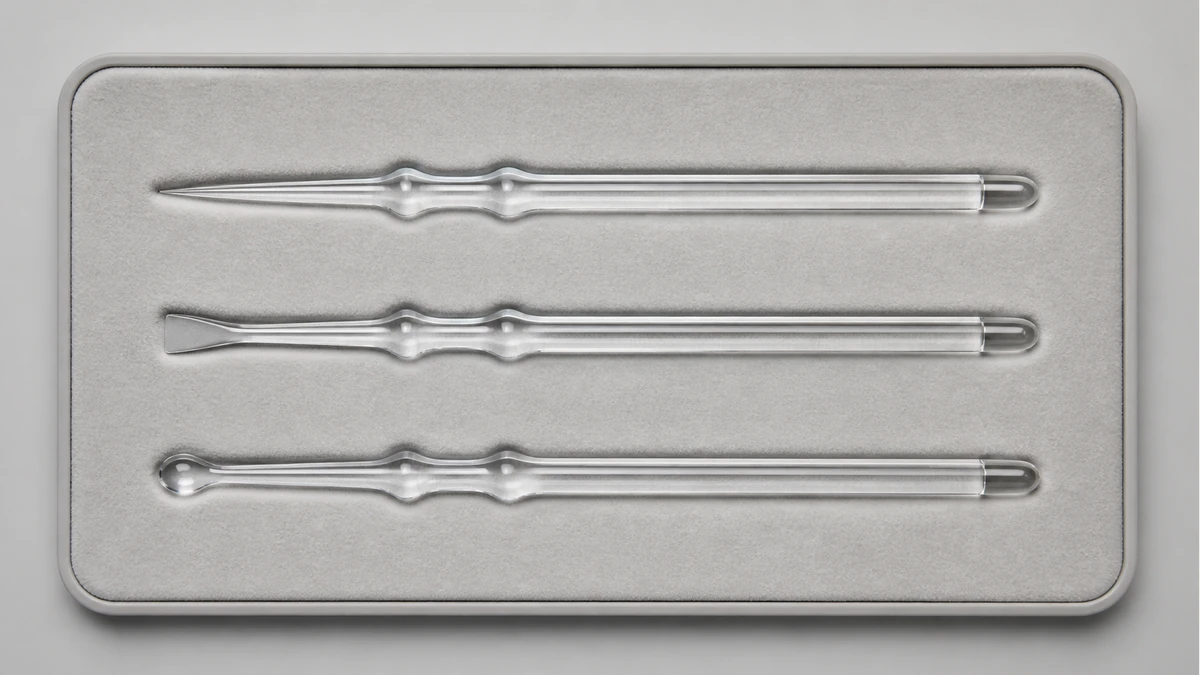
⚙️ 3. Matching Tip Shape to the Job
Tip shape matters as much as material, and the two interact — some shapes hold up fine in glass, while others are almost always better off in metal because of how much stress they put on a small point of contact. It’s less about picking a “better” material overall and more about matching the shape to what the material can actually take.
| Tip Shape | Best Suited Task | Where It Fits Better |
|---|---|---|
| Flat paddle | Scooping and spreading softer concentrate | Glass, since the wide edge distributes contact and the clear body helps with portioning |
| Fine point / needle | Precise placement into a small dish or narrow opening | Metal, since a fine glass point is the first thing to chip under repeated contact |
| Rounded scoop | Lifting softer or oil-like concentrate cleanly | Glass, since rounded edges carry less breakage risk than a sharp point |
| Flat chisel / blade edge | Scraping a dish, jar, or container wall | Metal, since scraping puts direct lateral force on the edge |
The pattern is fairly consistent: shapes with a wide, rounded, or flat working surface tolerate glass reasonably well, while anything that depends on a fine point or has to resist repeated scraping pressure holds up better in metal. Material choice within metal tools follows a similar logic — stainless steel is the more common option because it’s affordable and holds an edge well, while titanium shows up on lighter, higher-end tools where weight and stiffness matter more than cost. If you’re building out a full kit rather than picking one tool, it’s worth reading through a broader dab tools guide before deciding which shapes you actually need, since most people end up wanting more than one tip profile anyway. A mixed kit — glass for the shapes it suits, metal for the ones it doesn’t — tends to outperform an all-glass or all-metal approach, and a general dab tool kit guide is a reasonable starting point for figuring out which combination covers your actual habits rather than a generic list.
🧼 4. Inspecting and Storing a Glass Tool
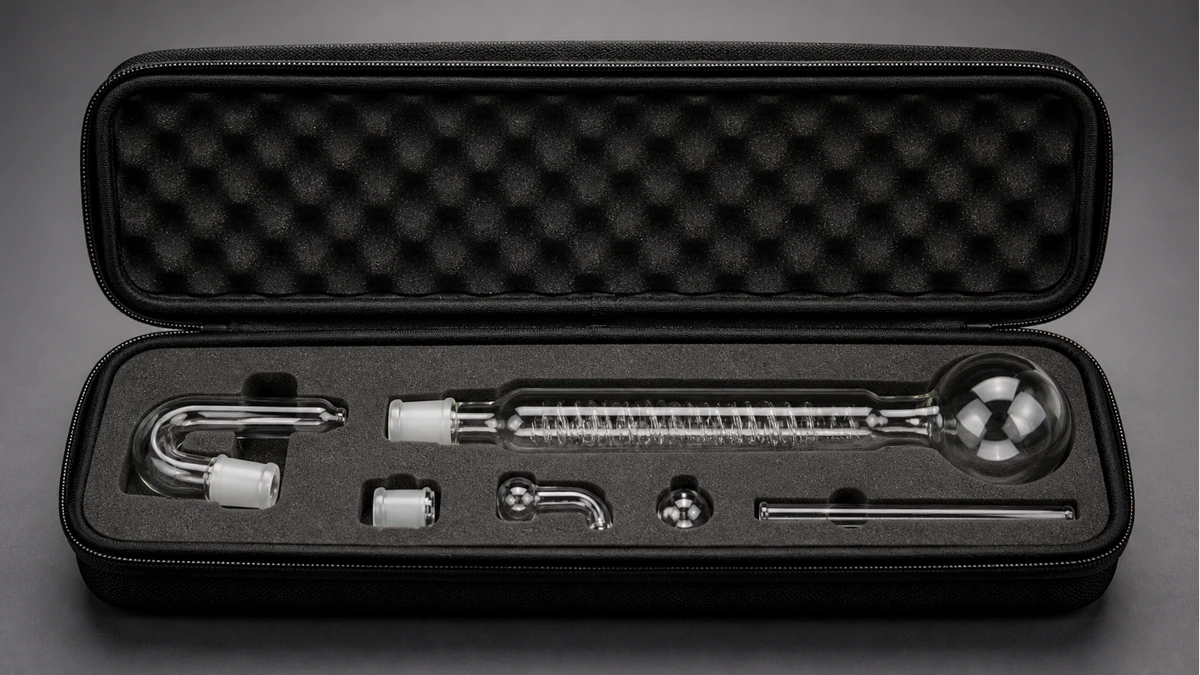
Because breakage is the real weak point, inspection and storage matter more for glass tools than they do for metal ones. A quick routine before each session catches most problems before they become a handling hazard, and it takes less time than it sounds like it should once it’s a habit.
- Hold the tool up to good light and look along the tip and neck for hairline cracks or cloudy stress marks — these often show up before an actual chip does, and they’re easy to miss under normal room lighting.
- Run a fingertip lightly along the tip’s edge. Roughness or an unexpected snag usually means a chip has already started, even if it’s too small to see clearly.
- If the tool has a joint where a metal or silicone handle meets the glass shaft, check that connection for looseness, since a weak joint concentrates stress right where the two materials meet.
- Set the tool down only on a padded or soft surface between uses — a bare countertop is where most chips actually happen, not during use itself, since even a light tap against a hard surface can be enough at the thinnest point of the glass.
Storage matters just as much as the pre-use check. Tossing a glass tool loose into a drawer with other hardware is one of the more common ways a perfectly good tool ends up chipped before it’s even used again — dab tools, dabbers, and even keys or coins sharing the same drawer space are enough contact to start a hairline crack that won’t show up until it fails mid-session. A dedicated slot, sleeve, or stand keeps the tip away from contact with other objects, and it’s worth looking at a proper dab tool holder guide if storage has been an afterthought so far — the right holder does more to extend a glass tool’s working life than almost any other single change.
📏 5. Frequently Asked Questions
Is a glass dab tool actually more fragile than people say?
Yes, in the sense that it has no give — a drop or a knock that a metal tool shrugs off can chip or crack glass. How often that actually happens depends entirely on handling habits and storage, not on the tool being poorly made.
Can a chipped glass tool still be used?
A small chip at the tip creates a sharp, uneven edge right where the tool contacts concentrate and, later, a hot surface. Once a chip is visible or felt by touch, it’s a sign the tool should be replaced rather than kept in rotation, since there’s no reliable way to restore a safe edge at home.
Do glass and metal tools need different cleaning approaches?
Glass shows residue buildup more clearly, which some buyers like, but that visibility doesn’t mean it cleans faster or easier than metal — it just makes it obvious when cleaning is overdue. Both materials benefit from being cleaned before residue has a chance to harden, which is more about timing than technique.
Is it worth keeping both glass and metal tools in one kit?
For most regular users, yes. Glass covers the shapes and moments where visibility and feel matter most, while metal covers the fine points and scraping jobs where durability counts more than aesthetics. Neither material makes the other one unnecessary.
Does a glass tool need to match the rig it’s used with?
Not functionally — a glass tool works the same next to a metal rig as it does next to a glass one. The pairing is mostly about how a setup looks and feels as a whole, which matters to some buyers and not at all to others.
Glass isn’t the wrong choice, and it isn’t the right one either — it’s a material with a specific set of strengths that only make sense once you know what you’re trading away. Choose it for the shapes and moments where its clarity and feel actually matter, lean on metal where fine points and grip do the heavier lifting, and inspect glass often enough that a chip never gets the chance to become a bigger problem. The tools that last longest in a kit usually aren’t the ones bought as a single all-purpose pick, but the ones chosen deliberately for what they’re actually asked to do.