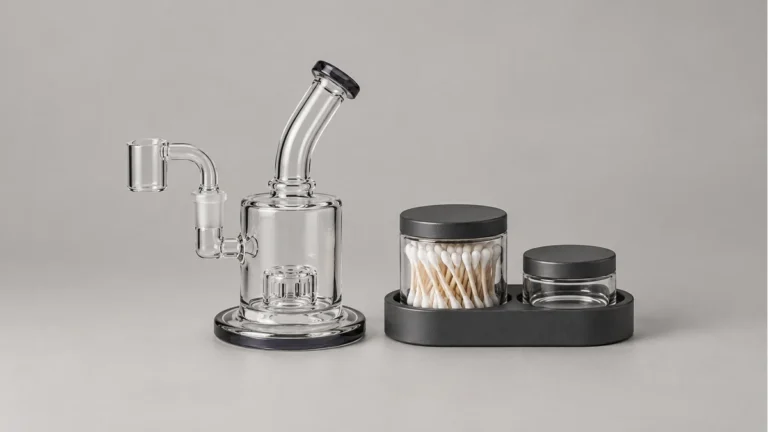
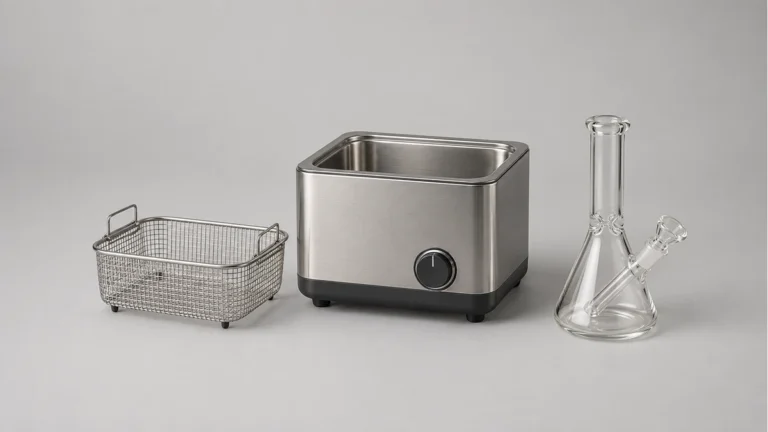
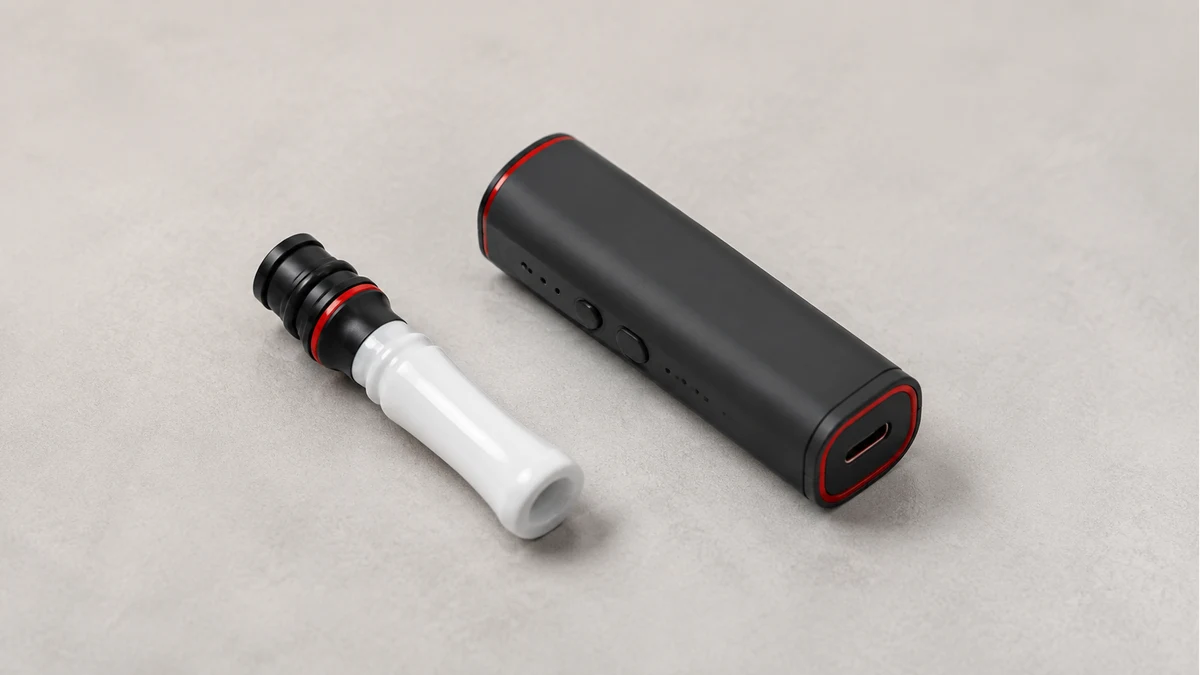
A “ceramic nectar collector tip” is a label you’ll see on replacement parts for dab straws and similar concentrate tools, and it shows up constantly in online marketplaces and parts listings. The word “ceramic” on that listing tells you something about the visible surface of the tip. It does not, by itself, tell you how the tip heats, how it’s shaped internally, how air moves through it, what it connects to, or whether it will physically fit the device you already own. This article walks through what the material label does and doesn’t disclose, why appearance-based identification methods people describe online don’t hold up, and what kind of documentation actually helps when you’re trying to identify or compare a replacement part.
🧱 1. What the Word “Ceramic” Covers on a Parts Label
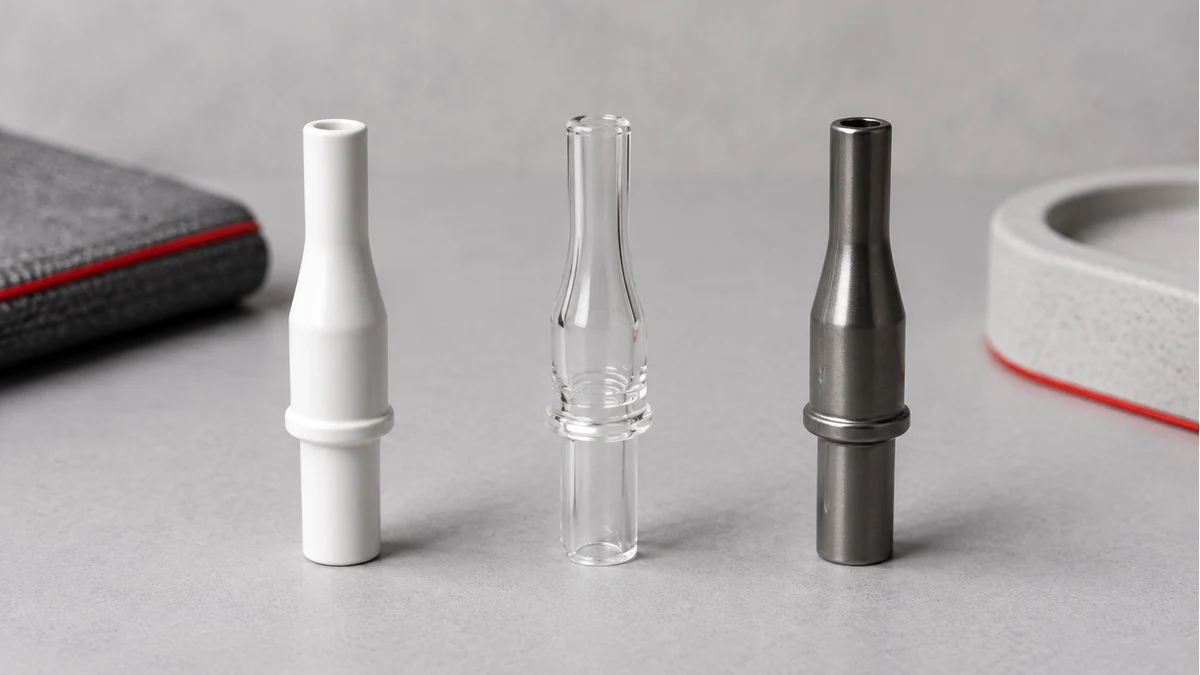
“Ceramic” is a broad materials category, not a single formulation. Industrial ceramic components vary widely in density, porosity, and thermal behavior depending on how they’re manufactured and what they’re mixed with. A parts listing that simply says “ceramic tip” is describing the outer material of the component you’ll touch and see — it is not a technical specification in the way a datasheet would be.
This matters because two tips can both be truthfully labeled “ceramic” while differing in wall thickness, internal structure, and how the heating function is built into or around that ceramic body. The label answers one question — what the visible surface is made of — and leaves several other questions completely open.
🔍 2. Ceramic vs. Glass or Metal: Why the Comparison Isn’t Simple
A common question people ask when shopping for a replacement tip is how ceramic compares to glass or metal versions of the same part. It’s a reasonable question, but it’s often framed as if “material” were the only variable that changes between products. In practice, the material label is just one attribute among several that define a given tip, and changing the surface material doesn’t automatically tell you anything about the other attributes.
As the separate quartz nectar collector guide makes clear, the tip material is only one part of the description. A glass tip and a ceramic tip can share the same connector thread, the same overall geometry, and the same heating method, differing only in the outer material. Alternatively, two products with different materials might also have entirely different internal airway designs or heating arrangements. Because listings rarely spell out all of these dimensions at once, a side-by-side “ceramic vs. glass vs. metal” comparison based on the material name alone is comparing one variable while assuming the rest are equal — which isn’t a safe assumption without checking the actual specifications or documentation for each part.
🌡️ 3. Trying to Identify Material From Heat Color or Cooling Behavior
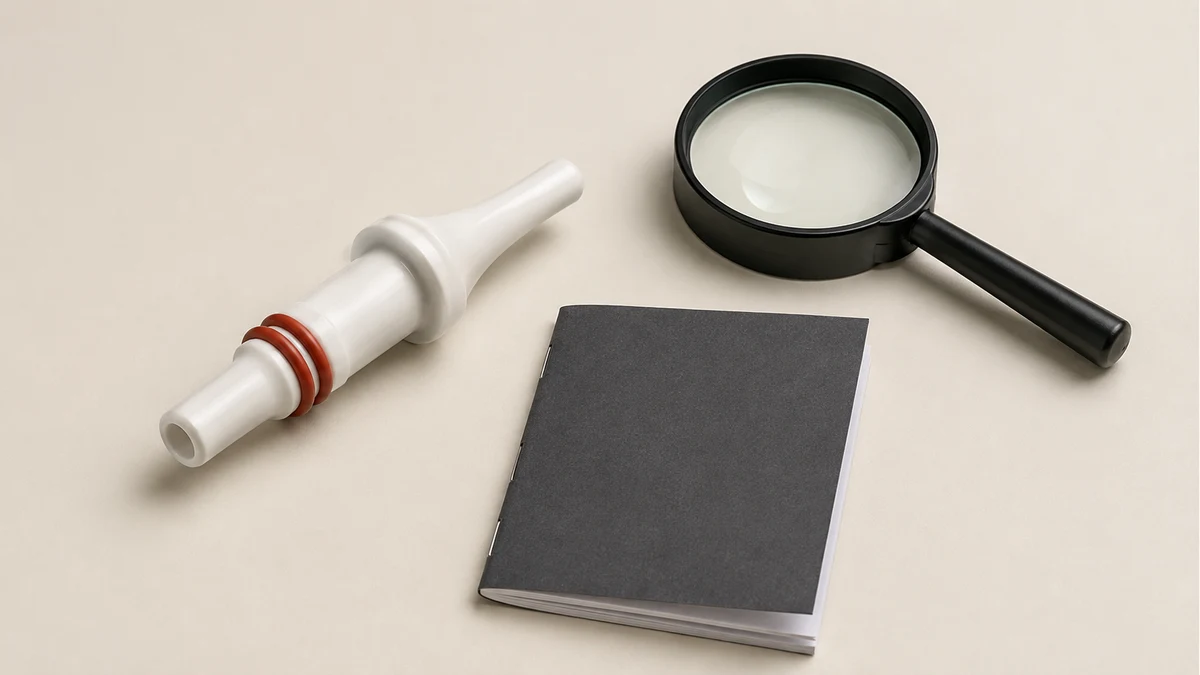
Another pattern that comes up in online discussions is people trying to figure out what a tip is made of — or whether it’s genuinely ceramic — by watching how it changes color when heated or how it looks while cooling down afterward. This is an understandable instinct: visual cues feel like direct evidence. But color change under heat and the visual appearance of a cooling surface are influenced by a long list of factors that have nothing to do with confirming a specific material composition — surface coatings, residue buildup, ambient lighting, the angle you’re viewing from, and the specific alloy or ceramic blend involved (which visually can behave differently even within the same broad material category).
In other words, watching a tip glow or dim is not a reliable method for confirming what it’s made of, and it’s not a method for diagnosing whether a device or part is working as intended. Visual heat behavior is not a substitute for documentation, and readers shouldn’t treat home observation of glow color or cooldown patterns as if it were a materials test. This kind of self-diagnosis approach shows up frequently in forum threads, but the underlying method doesn’t hold up to scrutiny.
It’s also worth noting that ceramic heating components exist in many industrial contexts entirely outside of consumer vaporizer parts. For example, some manufacturers of industrial ceramic heaters describe designs where a resistive heating element is embedded directly inside a ceramic body, rather than the ceramic simply being an outer shell around a separate heater (see Kyocera’s overview of industrial ceramic heater technology). That’s a useful illustration of how varied “ceramic heater” construction can be in general engineering terms — but it describes industrial heating components, not any specific nectar collector tip, and it shouldn’t be read as evidence about how a particular consumer part is built. The broader point stands regardless of industry: knowing a component is “ceramic” doesn’t tell you where the heat comes from or how it’s arranged internally.
🖤 4. Black Residue Is Not the Same Thing as Material Failure
A third question that comes up repeatedly is what dark discoloration or black residue on a tip means — specifically, whether it indicates that the ceramic material itself is degrading, cracking, or otherwise “failing.” Discoloration on a heated surface, and material failure of that surface, are two different things, and one doesn’t confirm the other just because they can appear around the same time.
Surface residue accumulates on tools used for heating concentrated substances, and buildup patterns can vary in color and thickness depending on use. That kind of surface residue is a separate phenomenon from structural issues in the underlying material, such as cracking, pitting, or breakdown of the ceramic body itself. Assuming that visible dark coloring automatically means the material has failed — or, conversely, assuming that a clean-looking surface means everything underneath is structurally sound — skips over the fact that residue is a surface condition and structural integrity is a separate property of the part.
This article isn’t going to offer cleaning, burn-off, or repair instructions, since those fall outside the scope of identifying a part by its label and documentation. The relevant point here is narrower: don’t treat surface color as a diagnostic tool for the condition of the material underneath it. If there’s a genuine question about whether a part is damaged or safe to continue using, that’s a question for the manufacturer’s documentation or support channel, not something to resolve by visual inspection of residue.
🔄 5. When Instructions for an “Older Ceramic Version” Don’t Match a Newer Quartz-Labeled Part
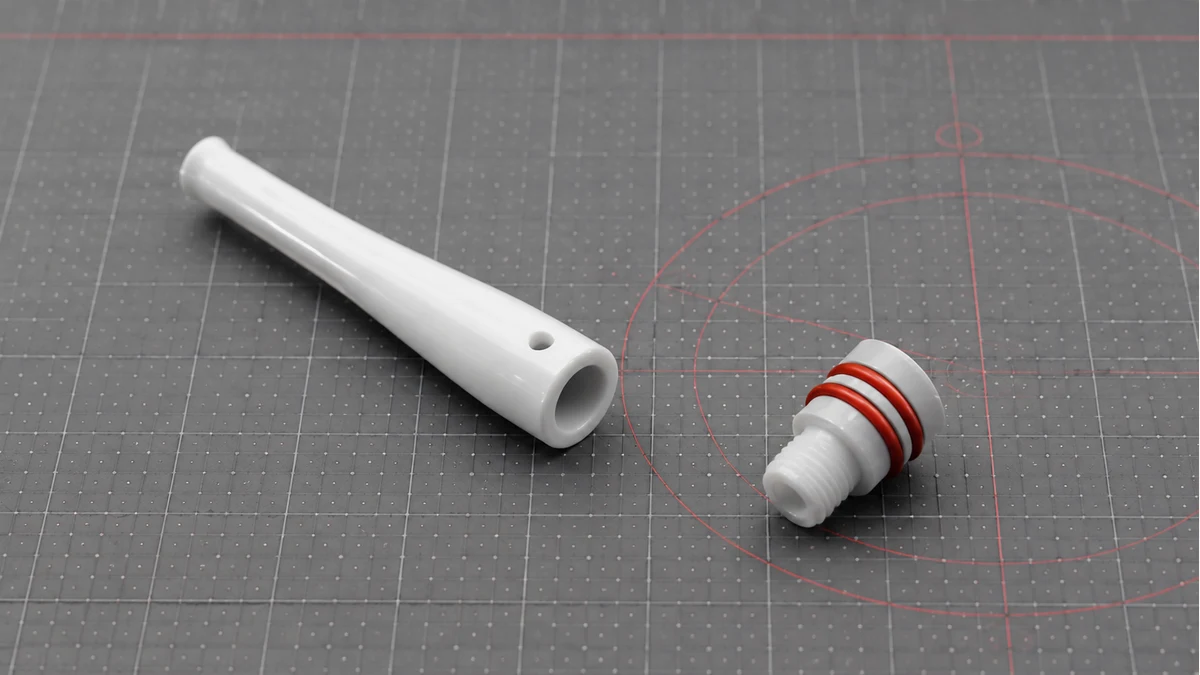
A fourth pattern shows up when someone has instructions, packaging, or a manual for what they believe is the same product line, but the part in hand is labeled quartz rather than ceramic — or vice versa. This mismatch is a useful reminder that manufacturers revise product lines over time, and a revision can change the tip material while keeping the rest of the branding, packaging design, or model name largely the same.
When that happens, documentation written for an earlier revision may describe a different material, different dimensions, or a different internal design than the part actually in your hands. Treating a manual for an older version as a reliable guide to a newer, differently labeled part is a mismatch of documentation to hardware, not a documentation error on either version’s part individually. The practical fix isn’t to guess which set of instructions is “close enough” — it’s to identify the exact revision of the part you actually have and find documentation that matches that specific revision, rather than the product family name in general.
This is also a good illustration of why “material” and “product line” aren’t interchangeable identifiers. A manufacturer can market a “V2” or “revision B” of a device that changes internal components — including the tip material — while keeping a familiar model name. Relying on family-level branding rather than a specific revision or part number is one of the more common ways people end up with mismatched documentation.
🧩 6. Six Separate Things a Material Label Doesn’t Tell You
Pulling the four questions above together, it helps to separate out the distinct attributes that define a replacement tip, since a single word like “ceramic” only ever addresses one of them.
📋 6.1 Material Label
This is the descriptive word used in a listing or on packaging — ceramic, glass, quartz, titanium, and so on. It describes the visible surface material of the tip and nothing more on its own.
🔌 6.2 Heating Method
A broader look at wax-pen atomizer materials shows why the contact surface and heater should be named separately. This refers to how the tip actually gets hot — for instance, whether a heating element sits inside the material, wraps around it, or is a separate component entirely. As the industrial ceramic heater example illustrates in a general engineering sense, a ceramic body and a heating element can be integrated in different ways, and the material label alone doesn’t specify which arrangement a given part uses.
📐 6.3 Tip Geometry
This covers the physical shape and dimensions of the tip — length, diameter, angle, wall thickness. Two tips of the same material can have very different geometries, and geometry is usually not conveyed by the material name at all.
💨 6.4 Airway
This is the internal path air or vapor travels through the tip, including the size and placement of any channels or openings. Airway design is an internal engineering detail that a surface material label doesn’t describe.
🔗 6.5 Connector
This is the physical fitting — thread type, joint size, or proprietary attachment — that determines whether the tip will actually attach to a given device. A part can be the “right” material and still be the wrong connector size for your device, which is a compatibility failure that has nothing to do with material at all.
♻️ 6.6 Replaceable-Part Fit
This is the practical question of whether a specific replacement part is verified to work with a specific device model and revision — which depends on all five attributes above lining up, not just the material matching.
One documented example that illustrates why surface material and heater design are worth treating as separate descriptions comes from published vaporizer patent US10806179B2, which describes an architecture using a ceramic or glass bowl paired with a separate heating plate component. This is offered here strictly as an example of documented engineering language that distinguishes a bowl’s surface material from its heating mechanism — not as a claim about how any specific nectar collector tip on the market is built, and not as an endorsement of that particular architecture over any other.
🧭 7. Quick Terminology Reference
| Term | What It Describes | What It Does Not Tell You |
|---|---|---|
| Material label | Visible surface material (e.g., ceramic, glass, quartz) | Formulation, density, internal structure |
| Heating method | How heat is generated and where it’s positioned relative to the surface | Electrical load, control circuitry |
| Tip geometry | Shape, length, diameter, wall thickness | Compatibility with a specific device |
| Airway | Internal path and openings for airflow | Surface material or heater type |
| Connector | Thread type or joint size used to attach the tip | Whether the tip itself is genuine or original-spec |
| Replaceable-part fit | Whether a part is confirmed to match a specific model/revision | Inferred by material name alone |
✅ 8. Where the Useful Evidence Actually Lives
Since surface appearance can’t authenticate composition and can’t diagnose a device, the more productive path is documentation. A few sources of evidence tend to be more reliable than visual inspection or general product-family instructions:
Markings on the part itself. Some tips and base units carry stamped or printed model numbers, revision letters, or manufacturer codes. These are worth checking closely before assuming a part matches a given manual.
The exact model and revision. As the quartz-versus-ceramic mismatch in section 5 shows, product families get revised. Identifying the specific revision — not just the family name — is what determines which documentation actually applies.
The part number. When a manufacturer or retailer assigns a distinct part number to a replacement tip, that number is a more precise identifier than a material description, since it’s tied to a specific design rather than a general category.
The connector specification. Confirming thread type or joint size against the base unit’s own documentation avoids the situation where a tip matches on material but not on fit.
Manufacturer instructions for that specific part. The site’s nectar collector guide is useful for the broader device vocabulary, but an exact replacement still needs its own model documentation. When available, instructions issued for the exact model and revision are more useful than instructions for an earlier or later version of a similarly named product, and far more useful than inferring specifications from how a tip looks or behaves when heated.
In practical terms, reading a product description for a ceramic nectar collector tip means slowing down enough to separate the six attributes above rather than treating “ceramic” as a stand-in for all of them. Look for the exact model or revision, the part number, and the connector spec in the listing or manual — and if any of those are missing, treat the material label as incomplete information rather than filling the gap with a color observation, a residue pattern, or a comparison to a different generation of the same product line.