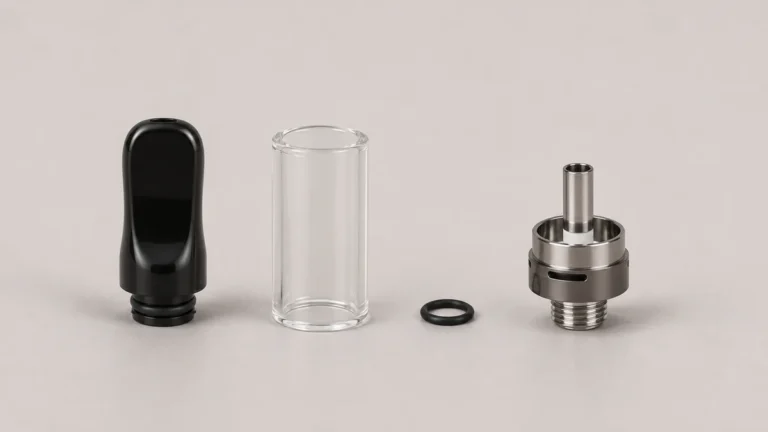
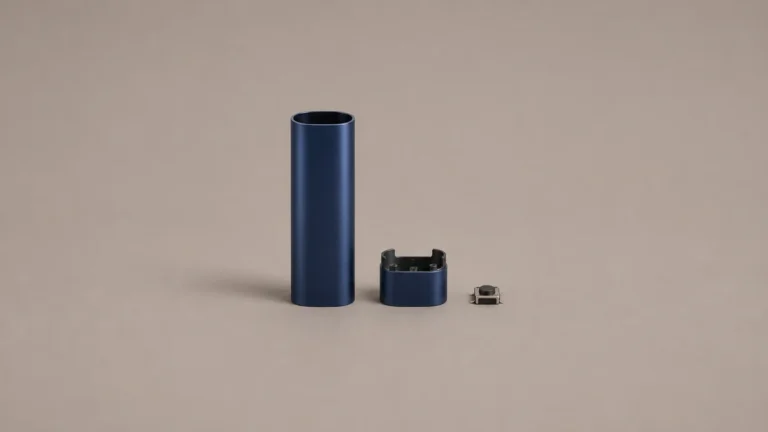
A refillable wax pen may have an accessible chamber and a mouthpiece that is supplied only with a larger assembly. For a custom dab pen, map those two facts separately. A reader with a damaged top piece needs the spare part name and the model revision, even when the exterior gives a clear view of what broke.
🧩 1. Defining a Refillable Wax Pen Before Mapping Its Parts
A refillable wax pen has a chamber that the maker describes as accessible for replenishment. That term alone says little about which other pieces are serviceable. A chamber can be accessible while the mouthpiece is built into a larger assembly, and a removable cap may still have components the maker does not supply separately.
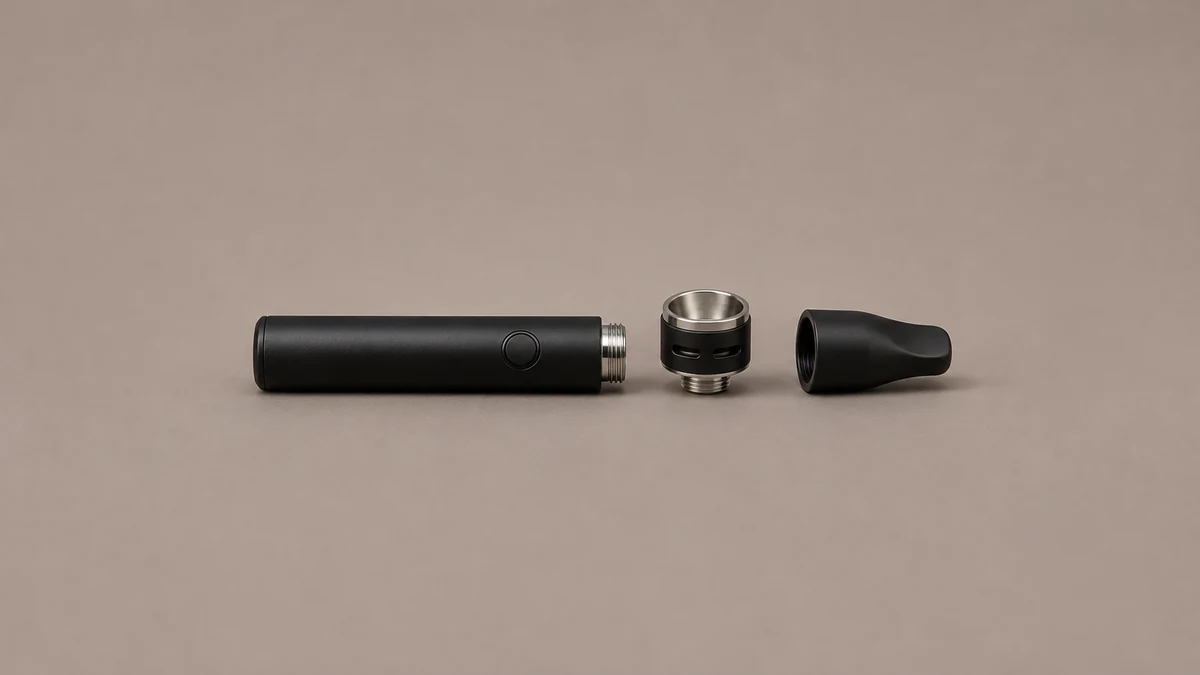
The useful question for a custom design is where the manufacturer draws the service boundary. The boundary identifies the smallest unit a service team can replace using documented parts and procedures. A drawing of the assembled unit makes that boundary easier to explain when someone calls the entire upper portion the top.
🗺️ 2. Four Components and Their Service Boundaries
Start by marking the visible assemblies: mouthpiece, cap, chamber and heater. A particular design may combine some of these into a single part. The labels describe what each piece does, while the model-specific parts list tells you which pieces are supplied together.
🔧 2.1 Mouthpiece and Cap: Separate Parts or One Assembly
On an empty, inactive sample the mouthpiece is the outer piece that contains the opening. It may be molded into the cap, attached as a removable insert, or supplied as part of a cap assembly. A seam visible from above is useful to photograph, but check the parts drawing before treating the seam as a removable joint.
For example, the mouthpiece in a support photograph might have a chip while the surrounding cap appears intact. If the spare-parts list groups both pieces under one number, document the damage at the mouthpiece and record the cap assembly as the available spare. A different design may list the two pieces separately.
🧪 2.2 Chamber and Atomizer: Identify the Documented Module
In some designs the chamber and heater are described separately. In others the maker lists a complete heater module that includes the chamber. Use the model documentation to see whether a label names an internal component or an assembly with its own spare-part number.
The manufacturer FAQ for the Linx Blaze names model-specific atomizers. That is useful as a documentation example: the part name is tied to a particular device, so it cannot establish which module fits another model with a similar silhouette.
🔍 3. Same-Looking Parts Across Model Revisions
A recurring source of confusion for buyers and service teams is that two units can look identical from the outside while using a different part underneath, because manufacturers revise internal fit without necessarily changing the external shell design.
🧵 3.1 A Hypothetical Thread Change Between Revision 1 and Revision 2
Consider a hypothetical revision that changes the thread pitch at the cap while keeping the outer diameter and finish. The two closed units could look identical in photographs. The drawings would distinguish the mating interfaces and the spare list could identify which cap belongs to each one.
A technician holding only the two caps side by side may not be able to tell them apart by eye, and forcing a Revision 2 cap onto a Revision 1 chamber, or the reverse, can cross-thread the part even though both pieces appear to belong to the same product; this is exactly the kind of mismatch a written specification is meant to prevent.
🏷️ 3.2 Why Spare-Part Names Carry a Revision Suffix
This is the practical reason spare-part listings for a given model are commonly split by a revision marker — for example labeling a cap “Cap, Rev 1” and “Cap, Rev 2” rather than listing a single generic “cap” for the whole product line — even when the two parts look the same in a photograph.
For a wholesaler fielding a replacement request, the safe sequence is to ask for the production date or a visible internal marking before quoting a part, rather than assuming that a part name without a revision suffix is a single, interchangeable item across every unit ever shipped under that model name.
🛠️ 4. What a Service Diagram Establishes That a Photo Cannot
A photograph of an empty, disassembled custom pen shows shape, finish, and how pieces currently sit next to each other, but it cannot show tolerances, which end of a part is the sealing face, or whether two similar-looking contacts are electrically interchangeable — that information only exists in a drawing.
📐 4.1 Reading an Exploded View Instead of Guessing from Shape
An exploded service diagram lists each part by name and position in assembly order, and typically marks which joint is a field-serviceable interface versus which joint is intended to stay sealed at the factory — a distinction that is invisible just from looking at a disassembled unit on a table.
One reader reported a shattered mouthpiece and asked whether it was available separately. A reply described a warranty response and a stock delay for that specific unit. This raises a documentation question: can an owner identify the smallest orderable assembly without having to infer it from a product photo?
💥 4.2 A Hypothetical Shattered Mouthpiece and What the Diagram Confirms
Use the parts list and relevant revision for that answer. A drawing can identify the component that broke while the spare list shows whether that part is supplied by itself. Warranty and stock are separate questions that the drawing cannot resolve.
A visible crack can be described by location. A blink followed by shutdown is a behavior report. It does not identify a failed component by itself. Record the exact pattern and model, then compare it with the maker’s own service documentation.
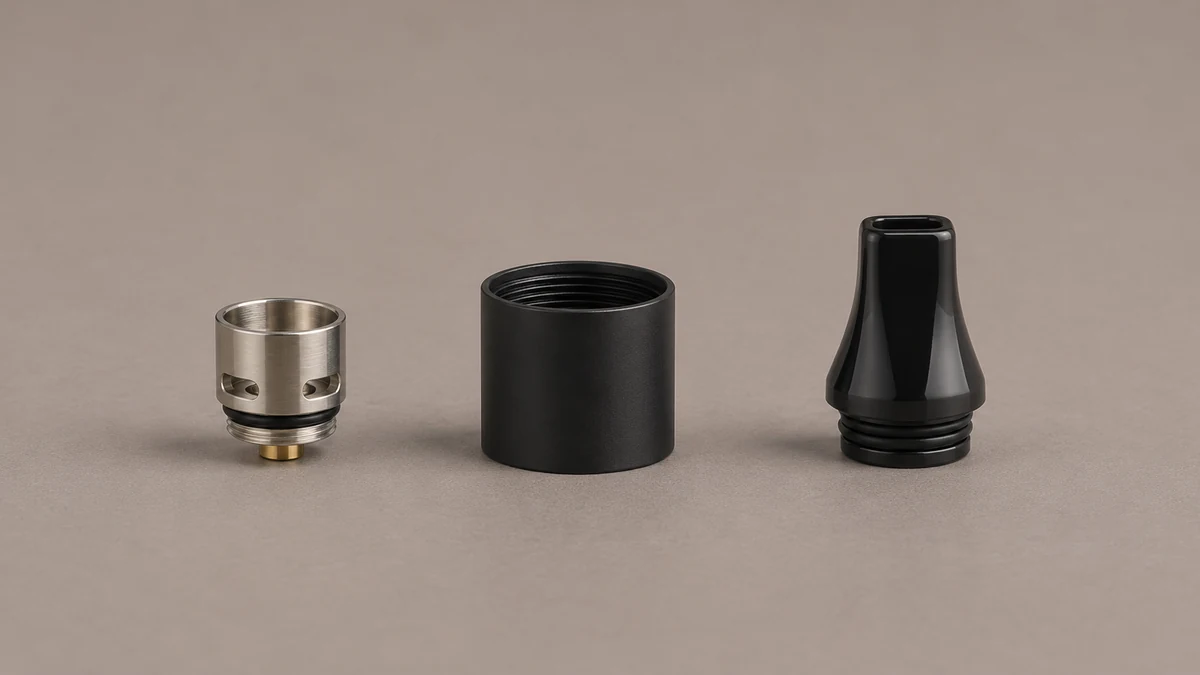
⚙️ 5. Heater Faults, Missing Parts, and Why They Route Differently
In another forum discussion, an owner described a blink and shutdown and a reply reported an atomizer replacement. That outcome applies to the report and does not establish a diagnosis for another unit with the same visible signal. Different models may assign the same pattern to different events.
🔋 5.1 A Hypothetical Blink-Then-Shutdown Pattern
A service map can show the names of the pieces that might appear in a support request. Keep that map separate from the electrical diagnostic information. The wax pen customization overview provides background on heater and chamber choices, while a model-specific service document identifies the relevant replacement assemblies.
Some of those same reply threads also describe an unverified workaround for getting the device running again without a replacement part; that workaround is not something this piece will repeat, because it has not been confirmed against any manufacturer documentation and sits outside the scope of a parts-boundary explanation.
📦 5.2 A Missing Part Is Not a Fault Ticket
A third category is simpler on paper but easy to conflate with the other two: a unit that arrived from manufacturing without one expected piece, such as a spare atomizer that was meant to ship in the box but was omitted, with no damage and no electrical symptom at all.
Owners also ask whether a visually similar atomizer fits another device. One discussion about replacement modules attracted several possible alternatives. The design task is to make compatibility legible before anyone has to rely on a photograph or guess from the model family name.
🧷 6. Confirming Atomizer Fit Before a Spare-Part Order
Treat the model, revision and part number as separate fields. If a cross-reference says two assemblies fit the same model revision, include that document in the ticket. If only the overall diameter appears in both listings, keep compatibility open. The mini dab pen design article shows why a shared exterior can conceal different service interfaces.
When a design starts from an existing housing, review the service boundary as early as the exterior shape. The hardware platform overview distinguishes existing-platform changes from changes that require new structure. A new cap can also require a separate revision entry even if the body stays the same.
The dependable route is the manufacturer’s own part list or service diagram for the specific model and revision in question, which is the only place a fit is actually specified rather than inferred from how two products happen to look next to each other.
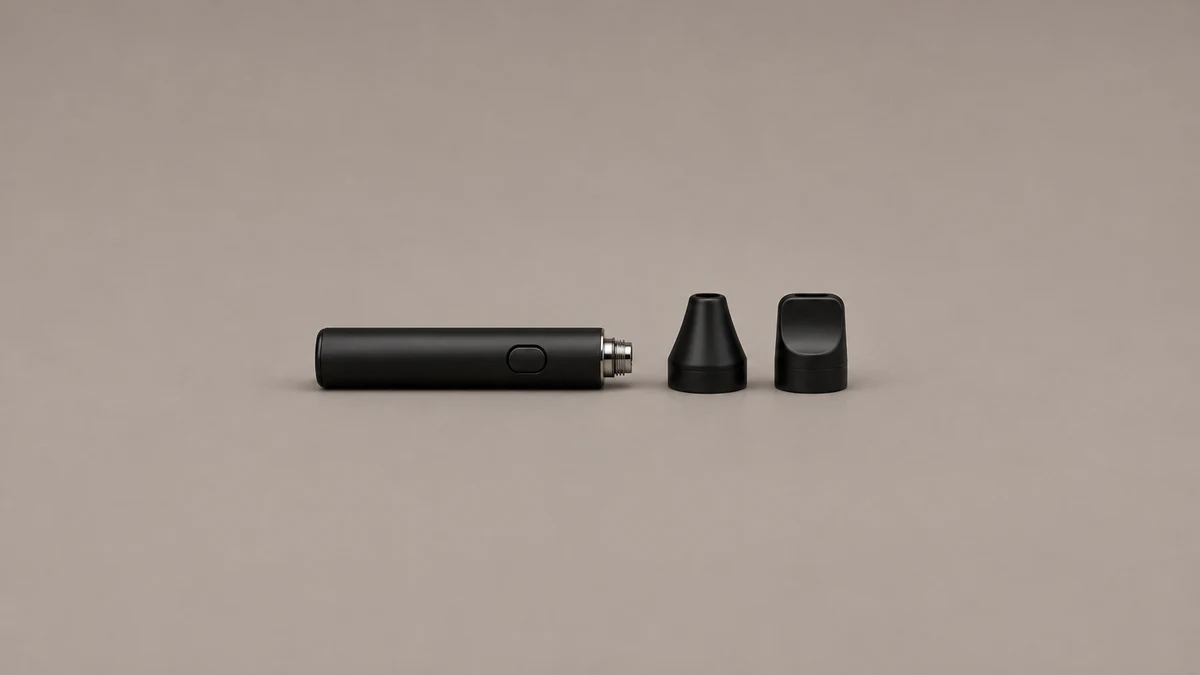
🗂️ 7. Turn the Service Diagram Into a Parts List People Can Use
The simplest service list pairs each part name with a drawing number, a device revision and a description of the neighboring interface. For a cap assembly, that description could identify which side faces the housing and whether the mouthpiece is included. An entry for a heater module could name the supported chamber assembly and distinguish the complete module from a cup that is shown within it. Use the supplier’s actual terminology in the final list. Descriptive words such as “top” and “insert” are useful in a photograph, but they can name several parts in a single design.
🖼️ 7.1 Use Photographs to Locate the Part in the Drawing
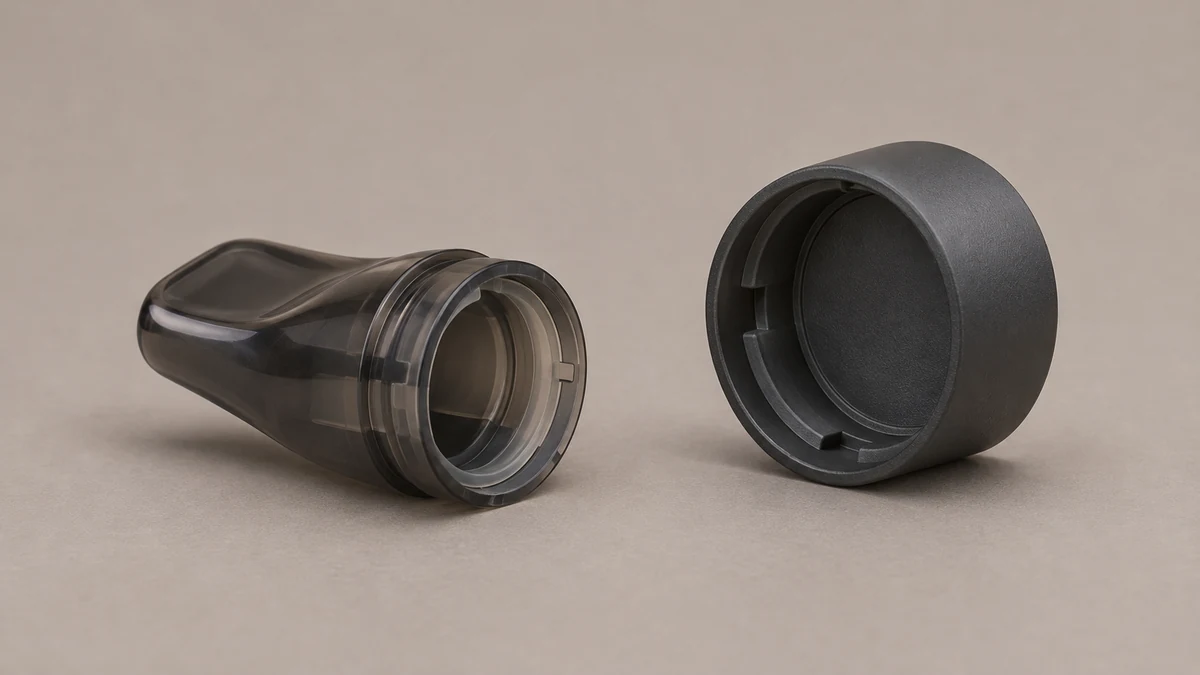
A good photo pair shows a complete unit beside the detached service assembly, with both oriented the same way. Add a closer view of the underside if the exterior looks identical across revisions. Put any part numbers in the caption or accompanying notes so the relationship stays clear if the photos are separated. A single close-up can make a shallow ring look like part of the mouthpiece, especially when there is no reference to show which face sits toward the housing.
In a hypothetical design with a detachable mouthpiece, the housing photo might show the top as one clean line, while the underside of the detached cap reveals two nested pieces. If the drawing lists only the complete cap assembly, use the full assembly name when documenting the damage. If the spare list separately identifies the mouthpiece, record both the mouthpiece number and the compatible cap revision. The difference changes the replacement request even when the two versions share the same exterior.
🧾 7.2 Keep Service Status Separate From the Exploded View
Exploded drawings help people see what a device contains. Some drawings also expose pieces that the manufacturer assembles at the factory and does not supply individually. A separate number on the engineering drawing may exist for production tracking, while the published spare list names a larger service assembly. A clear design handoff distinguishes the exploded drawing from the service list and gives both files revision identifiers. When one document changes, check the other before telling support staff that a part can be ordered by itself.
Suppose a drawing shows an inner cup, a small retaining ring and an outer shell. The list describes them collectively as a chamber assembly and supplies only the assembly as a replacement. A support reply can still identify the damaged inner cup without promising a separate cup. The note should say what the user sees and what the service list offers, with the assembly number on the same line. This also prevents a later reader from mistaking the ring for a packing insert or the shell for a cosmetic cover.
📋 8. Keep the Same Part Names From Prototype to Support
Names often drift between a sample label, a drawing, a product description and a replacement listing. One file may say “chamber cap,” another “mouthpiece cover,” and a ticket may simply say “top.” A short cross-reference resolves those variants. Start with the name used in the controlled drawing, add the part number and note alternative terms only where readers actually use them. If two people identify different parts from the same term, change the term or add a picture before the next documentation revision.
Consider a team reviewing a revised sample after the outside dimensions have stayed the same. In the sample notes, include a photograph of the assembled head, the spare assembly it accepts and the full revision identifier. Write down whether earlier assemblies are documented as compatible. If the answer has not been confirmed, leave compatibility as unknown and route the question to the maker. A concise unknown with the right drawing attached is more useful than an unqualified compatibility statement based on appearance.
The final support reference can fit on one page. It needs a view of the complete empty unit, a drawing showing the documented service boundary and a list of the parts available for the relevant revision. With those three views together, someone can identify a chip at the mouthpiece, locate a missing cap and recognize when an electrical symptom needs a separate review. The service map is complete when each question leads to a named part or a clear request for more evidence.
📎 8.1 A Spare-Part Note That Survives a Product Revision
Consider two production samples shown under the same marketing name. The earlier sample has a cap and mouthpiece listed as one line item, while the later sample lists a separate mouthpiece. Write the model revision beside each entry in the support guide, including the notes attached to photographs and diagrams. Otherwise, a reader might see the later spare number next to a photo of the earlier sample and assume both versions accept the same piece. If the revision is difficult to identify from the outside, the manufacturer can specify which packaging label or record distinguishes the two. Keep that identifier alongside the compatible parts so a later support request can be resolved from the same set of documents.