The file write keeps getting blocked by a permission prompt that isn’t being approved — that’s on your end (a permission dialog needs a click, or the path/mode isn’t allowed). Rather than keep retrying, here’s the complete draft in full so you’re not blocked:
Picture three different Friday nights. One person torches a titanium nail, waits for it to change color, and dabs by feel. Another sets a quartz banger on a table rig, heats the bucket, and counts a cool-down window before touching wax to glass. A third flips a switch on a coil-wrapped e-nail, watches a digital readout climb, and dabs without ever picking up a torch. All three are doing the same basic thing — vaporizing concentrate on a heated surface — but the hardware, the ritual, and the failure points are completely different. If you’ve shopped for a new setup recently, or you’re returning to dabbing after a few years away, the sheer number of nail styles, joint sizes, and control options can turn a simple purchase into a research project. This guide breaks down what actually differs between a traditional nail, a quartz banger, and an e-nail, and where compatibility problems tend to hide.
🔥 1. Naming, Material, and Shape at a High Level
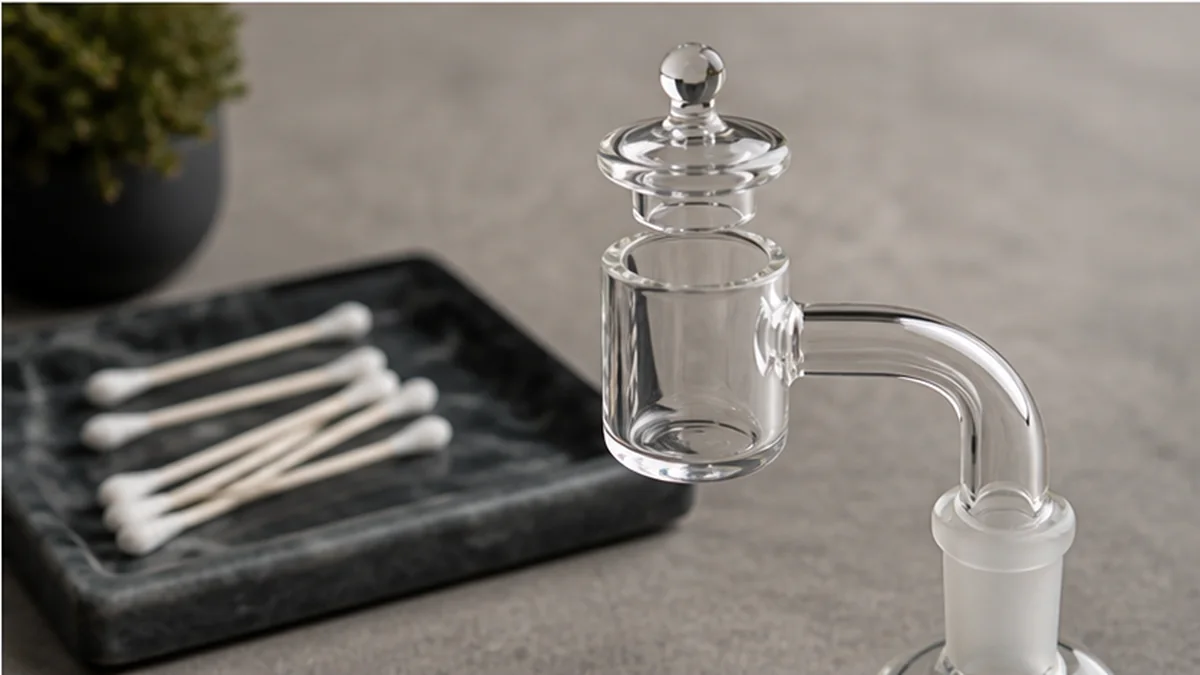
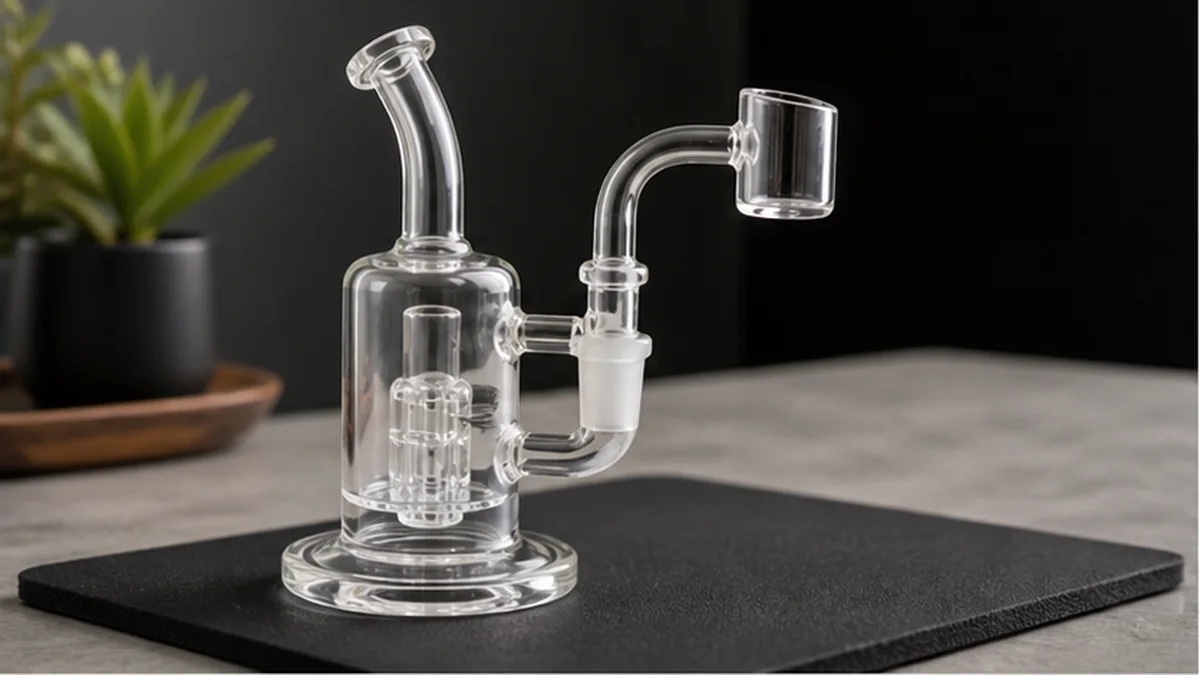
“Dab nail” is the umbrella term for any heated surface used to vaporize concentrate — it’s not one product. Under that umbrella sit a few recognizable families: types of dab rigs. A traditional nail usually refers to a solid-metal or ceramic piece with a simple cup, domed or flat, meant to be heated directly with a torch. A banger is a bucket-style piece, almost always quartz today, with a wide, deep well designed to hold a dab without a glass dome trapping vapor. An e-nail replaces the open flame with an electric coil or induction heater wrapped around (or built into) a nail, controlled by a separate power box.
Shape matters as much as name. Traditional nails tend to be narrow and cup-shaped, built for quick torch-and-dab cycles. Bangers are wider and flatter-bottomed, built to hold heat across a larger surface and pair with a carb cap that traps airflow over the dab. E-nail nails — sometimes sold as “skillets” for their flat, pan-like profile — are shaped to sit evenly against a coil, so heat transfers consistently rather than concentrating at one point the way a torch flame does. None of these shapes are interchangeable in practice: a deep bucket banger won’t heat evenly on a coil designed for a flat skillet, and a narrow traditional nail won’t hold a dab the way a wide banger does.
🧱 2. Material Basics: quartz versus ceramic guide
Material affects heat behavior and how forgiving the piece is day to day. Quartz is the most common choice for bangers because it heats quickly and cools down at a workable pace, giving you a visible window to judge temperature before dabbing. Ceramic holds heat longer and releases it more slowly, which some people prefer for a mellower ramp-up but which also means longer wait times between dabs. Titanium is nearly indestructible and heats fast, but it doesn’t offer the same visual cues — you can’t watch it glow or change color the way you can judge quartz — so people who use titanium usually lean on time-based habits instead. There’s no single “best” material; the right one depends on whether you value quick cool-down, visual feedback, or durability more. Whatever the label says, don’t assume “quartz” or “ceramic” alone tells you the piece is a specific quality tier — construction, wall thickness, and how it was fire-polished all vary between manufacturers, and none of that is something a listing title can promise on its own.
⚡ 3. Joint Gender, Diameter, and Angle
This is where a lot of otherwise-careful buyers get tripped up. A joint has three separate variables — gender, diameter, and angle — and all three have to match your rig, not just one of them.
Gender refers to male or female. A female joint has a socket that a male joint slides into. Most rigs and nails sold today are female, but older pieces, imports, and some travel rigs use male joints, and mixing genders without an adapter simply won’t connect.
Diameter is usually 10mm, 14mm, or 18mm, referring to the width of the joint opening. This is the spec people check first — and the one that causes the most false confidence, because a matching nominal size doesn’t guarantee a safe, stable fit. Manufacturing tolerances differ between brands, so a “14mm” nail from one company can sit slightly looser or tighter than a “14mm” joint from another. A loose fit lets a hot piece wobble or slide, which is a real stability problem, not just an aesthetic one.
Angle — typically 90 or 45 degrees — is easy to overlook but changes how the nail sits relative to the rig and how comfortable the dab angle feels. A nail with the wrong angle can technically insert but sit at a strange tilt that makes handling a carb cap awkward or increases the chance of spilling concentrate.
The practical takeaway: treat diameter as a starting point, not a guarantee. If you’re buying a nail or banger separately from your rig, check gender, diameter, and angle against the rig’s actual listing or measurements, and when in doubt, ask the seller directly rather than assuming standard numbers line up perfectly across brands.
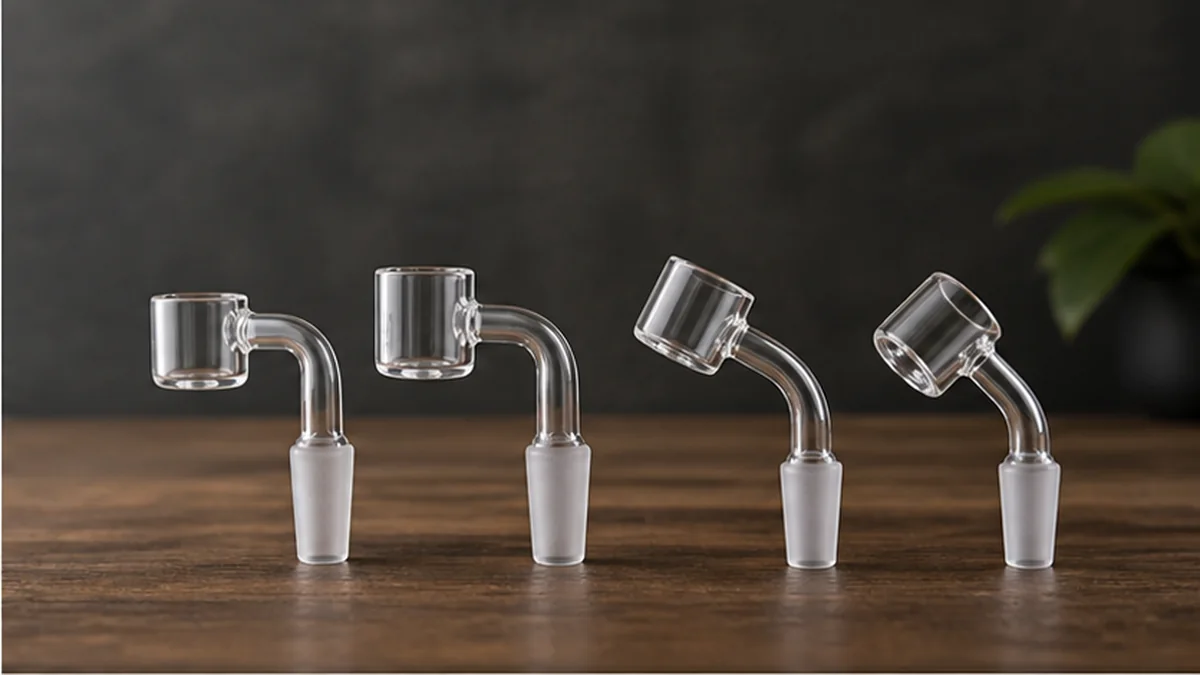
📐 4. Torch-Heated vs. Electronically Controlled Setups
Traditional nails and most quartz bangers are torch-heated: you apply a butane or propane torch directly to the piece, judge readiness by time or color, let it rest through a cool-down window, then dab. This is the ritual a lot of longtime dabbers associate with the hobby — active, hands-on, and portable in the sense that a torch and a nail can go almost anywhere with fuel.
But portable doesn’t mean convenient in every setting. An open flame and a piece that’s genuinely hot to the touch are a real liability on an uneven table, a couch armrest, or anywhere the base isn’t rock-solid — a nudged rig with a torched banger on it is a burn risk and a broken-glass risk at the same time, so torch setups work best on a stable, cleared surface, not on your lap or a wobbly side table.
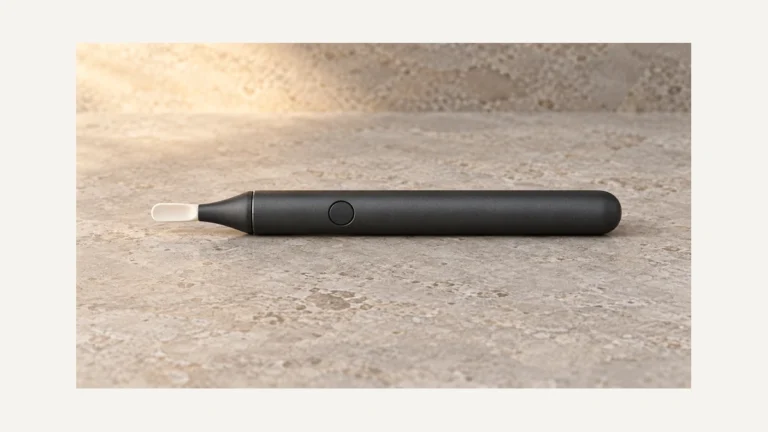
An e-nail moves the heat source into a coil connected to a power box, usually with a temperature dial or digital display. Instead of a flame, you get a cord running from the box to the coil wrapped around the nail. That solves the open-flame problem, but it introduces a different one: you’re now tethered to an outlet (or a battery pack, on portable models) and managing a cord near glass. In the same unstable-location scenarios where a torch is risky, a cord that can catch on a sleeve or get pulled taut is its own hazard, just a different shape of one. E-nails also mean a learning curve of their own — dialing in a controller, understanding ramp-up time, and in some cases pairing the base unit with a nail from a different brand, which is where returning users often get stuck since the coil, the controller, and the nail aren’t always sold as one guaranteed-compatible bundle.
Neither approach is objectively better; they solve different problems. Torch setups favor people who want tactile control and don’t mind the ritual. E-nails favor people who dab often enough that consistent, repeatable heat outweighs the upfront cost and the need for a power source.
🧼 5. Carb Cap Pairing by Nail Type
Carb caps regulate airflow over a dab, and how well one pairs with your nail depends heavily on the nail’s shape. Bangers are designed around carb cap use — the wide, flat lip is built to be capped, and most banger buyers pick a cap style (bubble, spinner, directional) specifically for how it interacts with that bucket shape. Traditional nails with a domed cup can sometimes use a cap too, but the fit is less standardized since cup shapes vary more between traditional nails than between modern bangers. E-nail skillets have their own consideration: because the nail sits flush against a coil rather than floating on a joint, cap clearance and how the cap seats on a flatter surface can differ from what you’re used to on a torch-heated banger. If you’re switching nail styles, it’s worth checking whether your current carb cap actually seats well on the new piece before assuming it’ll transfer over — among dab rig accessories guide, carb caps are one of the few pieces sized to a specific nail shape rather than a universal joint spec.
🛑 6. Cleaning, Wear, and Replacement
Upkeep differs by material and heating method. Quartz bangers are the most straightforward to keep clear because their smooth, non-porous surface resists buildup, and light residue generally comes off with routine care between sessions — dab rig cleaning guide covers the general approach most people follow. Ceramic and titanium can develop more visible discoloration over time, which is largely cosmetic rather than a functional failure, but heavy carbon buildup on any material eventually affects flavor and even heat distribution if left unaddressed.
Replacement timing depends on wear you can actually see or feel: hairline cracks in quartz (especially near the joint, which takes the most thermal stress), a banger that no longer sits flush due to a chipped rim, or a coil on an e-nail that no longer heats evenly. Torch-heated pieces tend to show thermal stress cracks sooner than e-nail-heated pieces because rapid, direct flame contact is a harsher cycle than a coil’s steadier ramp-up. Either way, a piece that wobbles, doesn’t seat flush, or shows a crack near the joint should be retired rather than pushed for “one more session” — a compromised joint is exactly the kind of fit problem that turns a stable setup into an unstable one.
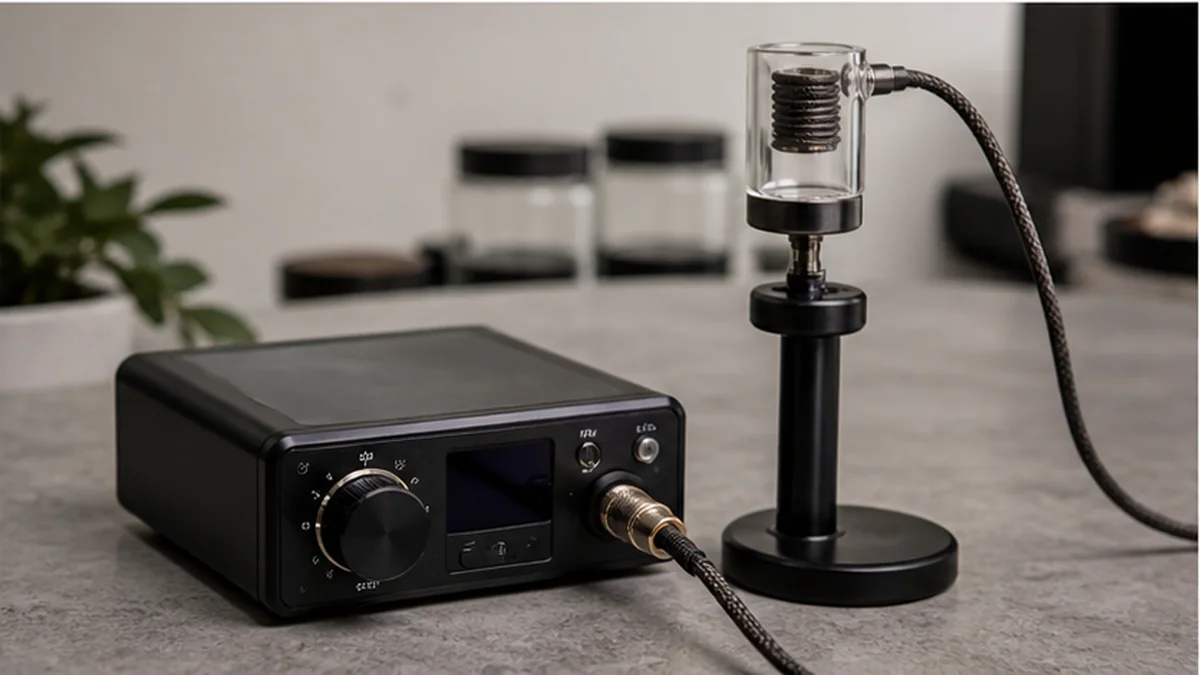
🧭 7. Comparison Table
| Feature | Traditional Nail | Quartz Banger | E-Nail |
|---|---|---|---|
| Typical material | Titanium, ceramic, or quartz | Quartz | Quartz or ceramic skillet on a coil |
| Heat source | Handheld torch | Handheld torch | Electric coil / induction, powered by a control box |
| Setup complexity | Low — nail plus torch | Low to moderate — banger, torch, carb cap | Higher — control box, coil, cord, nail, carb cap |
| Portability | High, but needs torch fuel | High, but needs torch fuel | Lower — needs a power source and cord routing |
| Stability in tight or uneven spots | Open flame is a hazard near clutter or unstable surfaces | Same torch-related hazard as traditional nails | No open flame, but a cord can snag or pull the rig |
| Heat consistency | Depends on torch technique and timing | Depends on torch technique and timing | More repeatable once dialed in on the controller |
| Carb cap pairing | Less standardized cup shapes | Designed around cap use | Depends on skillet shape and clearance above the coil |
| Best fit for | Buyers who want a simple, low-cost, hands-on ritual | Buyers who want strong airflow control with a standard rig | Frequent users who value repeatable heat over portability |
❓ 8. Compatibility Checklist Before You Buy
- Confirm joint gender (male or female) matches your rig — not just the diameter.
- Measure or confirm diameter (10mm, 14mm, or 18mm) against your rig’s actual joint, since nominal sizes can vary slightly between brands.
- Check the joint angle (typically 45° or 90°) so the nail sits at a usable, stable angle once installed.
- If buying an e-nail coil separately from the nail, confirm the coil is built for that nail’s shape — bucket versus flat skillet aren’t always interchangeable.
- If you’re using an adapter, recheck stability and carb-cap fit afterward, since adapters can shift height and angle.
- Pick a carb cap sized for the specific nail style you’re using, rather than assuming one cap fits every shape.
- Plan your dabbing location around your heat source: a torch needs a stable, cleared surface away from flammable clutter, and an e-nail needs a nearby outlet or battery pack and a way to route the cord so it can’t be snagged.
- Inspect any secondhand or older piece for cracks near the joint before assuming it’s still safe to use.
📚 9. FAQ
🧩 9.1 Can I use a quartz banger on an e-nail coil?
Sometimes, but only if the coil is shaped for that banger’s bucket depth and the joint size and gender match. A coil built for a flat skillet won’t necessarily heat a deep bucket banger evenly, so it’s worth checking the coil manufacturer’s stated compatibility rather than assuming.
🧩 9.2 Is a 14mm nail always safe in a 14mm joint?
Not automatically. “14mm” is a nominal size, and manufacturing tolerances mean fit can be slightly loose or tight depending on the brand. A properly fitting nail should sit snug without wobbling; if it doesn’t, don’t force it or dab with it in that state.