The number 510 shows up constantly in vape hardware listings, forum threads, and product descriptions, yet a lot of people using the gear every day have never stopped to ask what it actually refers to. It isn’t a model number or a brand name. It’s a connection standard — a way for a battery and an atomizer to physically and electrically join together so the whole device functions as one unit. Understanding what 510 means, how the connector behaves, and where it shows up across different devices makes troubleshooting easier and helps when shopping for replacement parts or accessories.
🔌 1. What “510” Actually Means
510 refers to a threading standard used to connect two halves of a vaporizer: the power source (usually a battery or mod) and the part that holds the heating element (usually a tank or atomizer). The two pieces screw together using matching threads, and once connected, they also make an electrical contact that allows current to pass from the battery side to the atomizer side.
The name itself is one of those industry quirks that gets repeated so often it becomes accepted shorthand, even though its exact origin isn’t something any single source can pin down with certainty. What matters practically is that “510” doesn’t describe one specific product — it describes a shared physical format that a huge range of manufacturers build around, which is exactly why it became so widely adopted in the first place.
Because it’s a standard rather than a proprietary design, no single company controls it. That’s part of why it spread so widely across so many device categories over the years, from simple pen-style setups to larger box-style mods.
⚙️ 2. How the 510 Connector Works
🧩 2.1 The Physical Connection
At its core, the 510 connector is a screw-thread joint. One half of the device has external threading, the other has matching internal threading, and the two pieces twist together until they’re snug. This threaded design does two jobs at once: it holds the components physically secure, and it aligns the electrical contacts so they meet properly in the center.
Because it’s a threaded fit rather than a snap-fit or magnetic connection, it tends to be mechanically simple and durable. There aren’t many moving parts to wear out, which is part of why the format has stuck around across so many product generations.
🧩 2.2 The Electrical Contact
Beyond the threading, there’s a small contact point — typically a pin or post — that sits at the center of the connection. When the two halves are screwed together, this contact point touches a corresponding contact on the other side, completing the electrical path needed for the device to operate.
On many devices, this center pin has a small amount of give, allowing it to be adjusted slightly if the connection feels loose or if contact seems inconsistent. That adjustability is one of the more practical features of the design, since it gives users a simple way to address minor fit issues without needing to replace an entire component.
🔧 3. Compatibility Across Devices
🧩 3.1 Battery Side
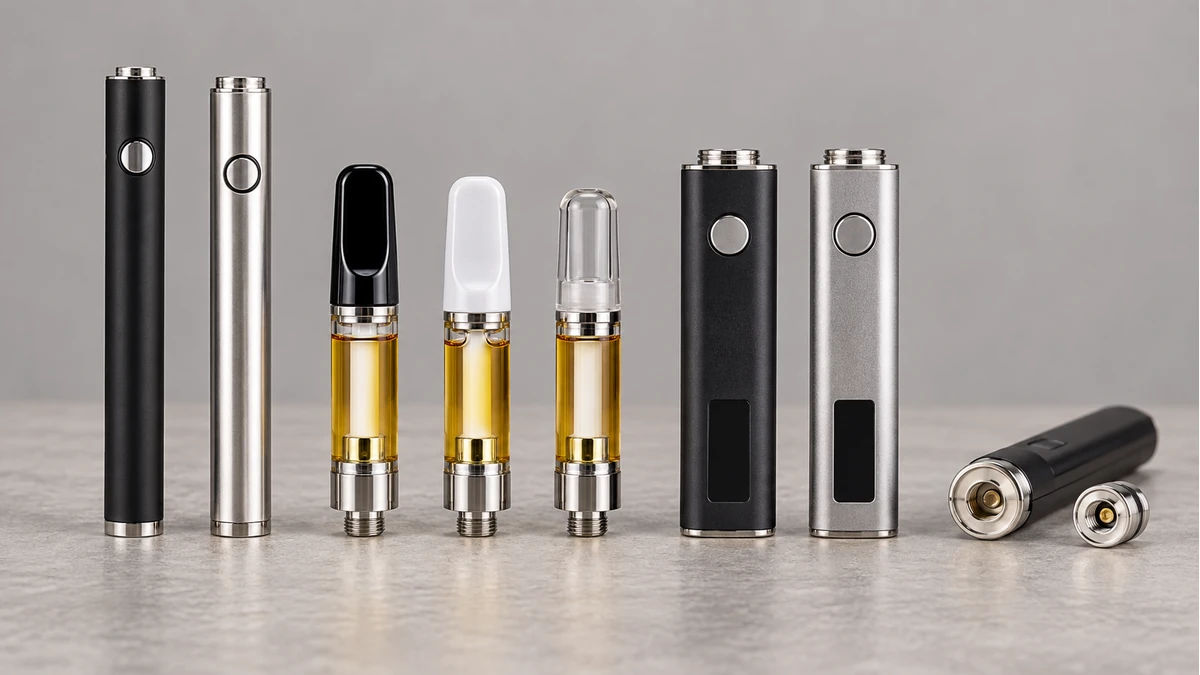
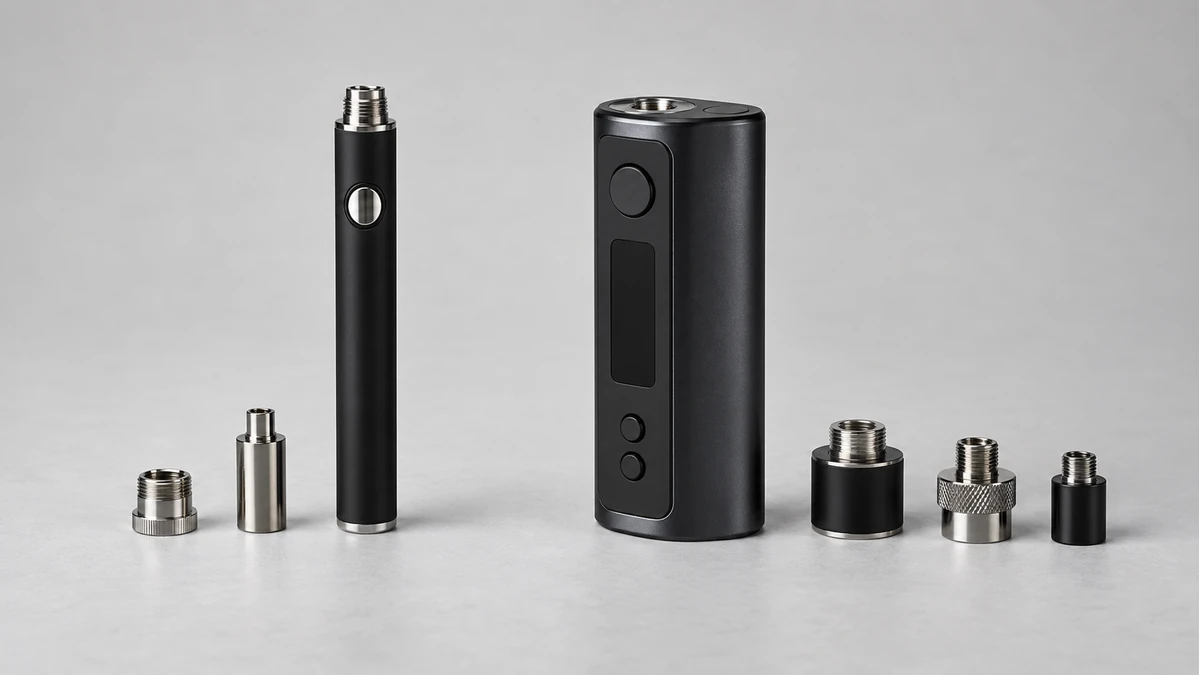
Because 510 threading is so common, a wide range of battery-powered devices use it as their connection point, regardless of the internal battery technology or the overall shape of the device. Pen-style batteries, box-style mods, and more compact form factors can all be built around a 510 connection at the top.
This is a big part of why the standard has remained relevant for so long. A device maker doesn’t need to invent a new connector every time they release a new product; they can simply build around the existing format and know it will work with a large pool of compatible parts already on the market.
🧩 3.2 Atomizer and Tank Side
On the other side of the connection, tanks, atomizers, and similar attachments are built with matching 510 threading at their base. As long as both halves share the standard, they should physically thread together, even if they come from completely different brands.
That cross-brand compatibility is arguably the single biggest practical benefit of the format. Someone doesn’t need to buy every component from one manufacturer; they can mix and match based on what fits their preferences, as long as everything shares that same 510 connection point.
🧩 4. Adapters and Thread Variations
🧩 4.1 Other Threading Formats
510 isn’t the only threading format that’s existed in vape hardware. Earlier and alternative formats, sometimes referred to by different names, have appeared over the years, generally with different diameters or thread patterns that make them physically incompatible with 510 parts on their own.
This is why it’s worth actually checking the threading type on a given device rather than assuming everything is interchangeable. Two components can look similar at a glance and still not physically fit together if their thread standards don’t match.
🧩 4.2 When Adapters Make Sense
To bridge gaps between different threading formats, small adapter pieces exist that convert one thread type to another. These are generally simple, low-cost accessories that screw onto one component and provide a different thread pattern on the opposite side.
Adapters can be genuinely useful for people holding onto older hardware or mixing components from different eras or brands. That said, adding an extra connection point also adds one more junction where a loose fit or misalignment could occur, so it’s worth checking the connection carefully after using one.
🛠️ 5. Common Connection Issues and Fixes
🧩 5.1 Loose or Wobbly Connections
A loose-feeling connection between the atomizer and battery is one of the most common complaints people run into, and it’s usually mechanical rather than mysterious. Debris, residue buildup, or minor wear on the threading can all prevent the two halves from seating as tightly as they should.
Wiping down the threading on both sides with a dry or slightly damp cloth is often enough to restore a snug fit. It’s a good habit to check periodically, especially with components that get swapped in and out frequently.
🧩 5.2 No Contact or Intermittent Power
When a device won’t power on, or works only intermittently, the center pin connection is one of the first things worth inspecting. If the pin is sitting too low, it may not be making solid contact with the corresponding contact point on the other half of the device.
On devices where the pin has some flexibility, gently adjusting it upward with a small non-metallic tool can sometimes resolve the issue. If adjusting the pin doesn’t help, the problem may lie elsewhere in the device, and it’s worth checking other components rather than assuming the connector itself is at fault.
❓ 6. Frequently Asked Questions
🧩 6.1 Questions People Commonly Ask
Online communities, including discussion boards like Reddit, are full of casual questions about 510 hardware — mostly practical, day-to-day stuff rather than anything technical or authoritative. Those discussions are useful for understanding what people are curious about, even though they aren’t a reliable source for hard technical facts. The questions below reflect the kinds of things that tend to come up.
Is 510 threading truly universal? It’s extremely common, but not literally universal. Some devices use different threading formats entirely, and even within the 510 family, small manufacturing variations can occasionally cause a snugger or looser fit than expected between different brands.
Can components from different brands be mixed safely? In terms of physical fit, yes, as long as both sides use genuine 510 threading. It’s always worth double-checking the listed connection type for both pieces before assuming they’ll pair up.
Why does a new tank feel loose on an old battery, or vice versa? Minor manufacturing tolerances between different production runs and brands can lead to a slightly looser or tighter fit than expected. This is normal and usually not a sign that something is defective — it’s simply a byproduct of the format being an open standard used by many different manufacturers rather than a single tightly controlled design.
What’s the difference between a 510 connector and a 510 drip tip? These are two different things that happen to share a name. A 510 drip tip refers to the mouthpiece-style fitting at the top of a tank, which follows its own separate sizing convention, while the 510 connector discussed throughout this piece refers specifically to the threaded joint between the battery and the atomizer at the bottom of the device.
Does the connector type affect performance? The connector itself is primarily a mechanical and electrical interface — it establishes the physical fit and the power pathway. It doesn’t influence the broader performance characteristics of a device on its own, though a poor or loose connection can certainly cause inconsistent power delivery, which is why keeping the threading and contact point clean matters.
The 510 connector has stuck around for as long as it has because it solves a fairly simple problem — joining two halves of a device securely and reliably — in a way that’s straightforward to manufacture and easy to standardize across brands. That openness is what allows so many different tanks, atomizers, and batteries to work together in the first place. Understanding how the connection physically and electrically works makes it much easier to diagnose everyday issues, choose compatible parts, and get more consistent use out of whatever hardware happens to be on hand.
🧭 8. Verify What the Control Loop Actually Reads
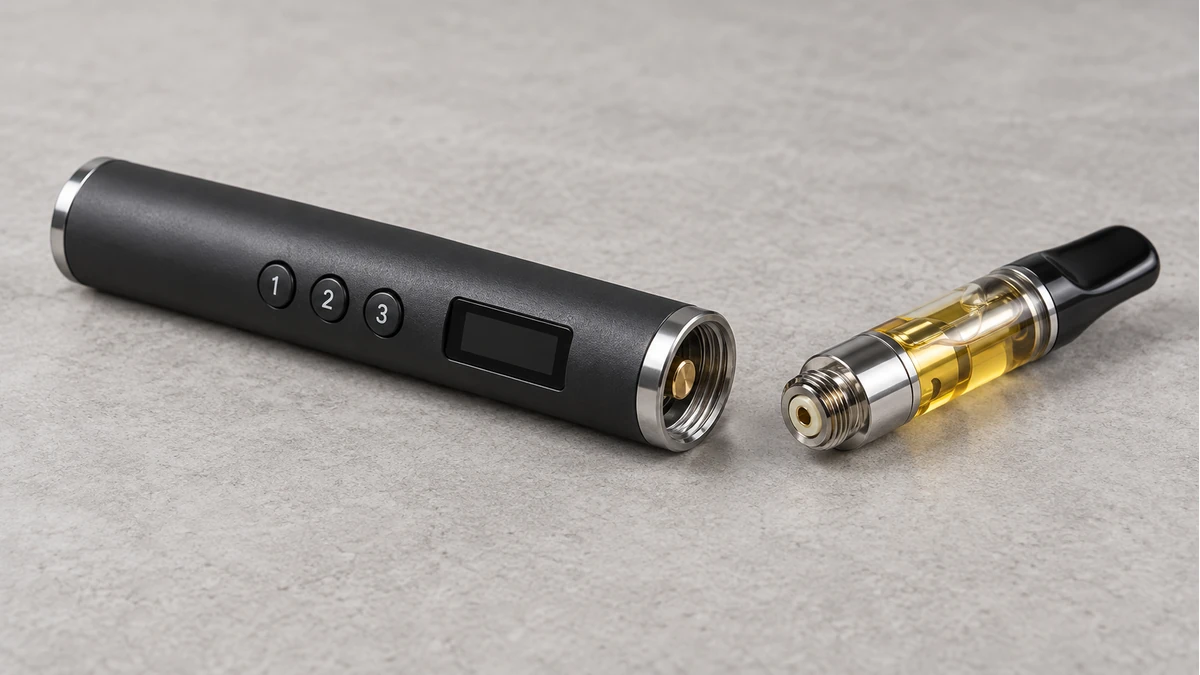
A temperature number is meaningful only when the device can identify a temperature-sensitive element, establish a reliable cold reference, and monitor resistance changes while power is applied. Most compact oil-cartridge batteries do not document that complete loop. Their colored levels or numbered display may instead represent voltage, power, or a timed program.
The practical question is therefore not whether a product page uses the word temperature. Ask what is measured, where it is measured, which cartridge construction is supported, and what the device does when the reading changes. If those details are absent, treat the feature as an output preset rather than a direct measurement of oil or coil temperature. For related context, see AOVAPE’s 510 battery display guide.
📋 8.1 Keep Connector and Control Claims Separate
A 510 thread helps two parts screw together. It does not tell the battery the heater material, cold resistance, thermal mass, airflow, or oil-delivery rate. Those variables explain why the same display value can behave differently across cartridges. For related context, see AOVAPE’s live resin cartridge voltage guide.
🧪 8.2 Separate a Display Number From a Measurement
A screen can show a precise-looking number without revealing how that number was produced. It may be a selected voltage, an estimated power level, a timer, or a temperature label assigned to a preset. Precision in the display is not proof of sensing precision at the heater. For related context, see AOVAPE’s 510 battery color guide.
Documentation should identify the unit, adjustment range, supported resistance range, sensing method, and behavior when the cartridge changes. Without those details, comparisons across batteries become comparisons of labels rather than control systems.
🗂️ 9. Build a Compatibility Record for the Exact Pair
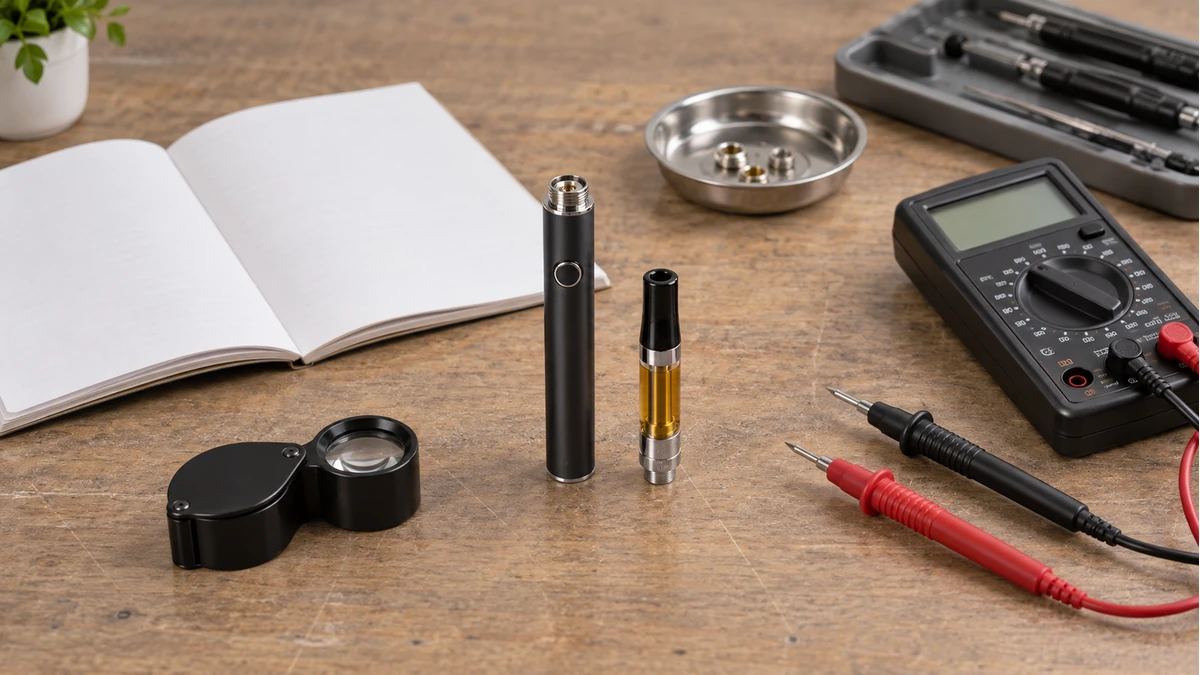
Record the battery model, cartridge model, documented resistance if available, control mode, indicator behavior, and the source page for each statement. This small record is more useful than a universal settings chart because it preserves the conditions behind the observation.
It also prevents a replacement cartridge from inheriting assumptions from the previous one. A different center pin, air intake, heater mass, or oil path can change behavior even when the thread and exterior diameter appear identical.
A reliable comparison also states what the device cannot know. If the battery has no documented feedback from the heater, it cannot directly separate a thick oil path, restricted airflow, an aging coil, and a poor electrical contact. Those conditions may all change the result while the selected output remains unchanged.