Somebody hands you a bong with a spiral of frosted glass running up the neck, fresh out of the freezer, and the first thing you notice isn’t the hit — it’s the condensation. Water beads up along the coil in seconds, the glass fogs, and there’s a satisfying cold-metal chill to the tube before you’ve even lit anything. That moment is basically the entire sales pitch for a glycerin coil bong. What doesn’t get explained nearly as often is what happens after that first session: how the coil behaves once residue builds up inside it, how much freezer real estate it actually needs, and whether a narrow frozen chamber is something you’ll still enjoy cleaning six months in. Those are the questions that separate people who keep using a freeze pipe bong from people who quietly retire it to a shelf.
🔎 1. How a Glycerin Coil Actually Chills a Bong
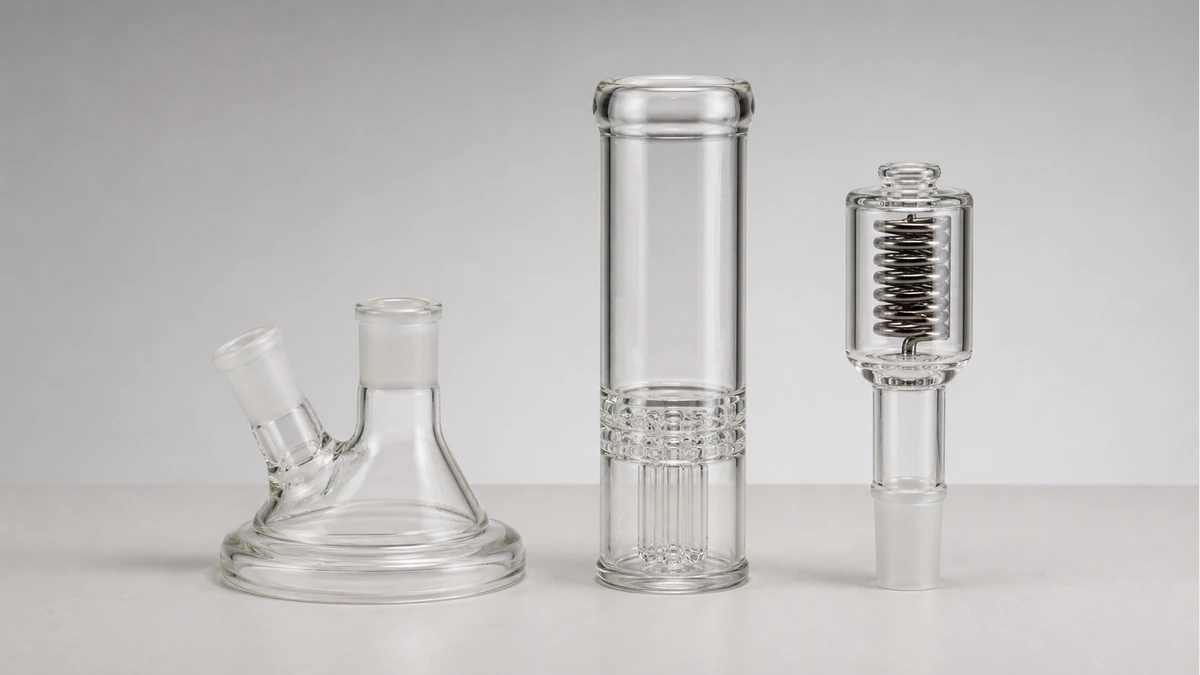
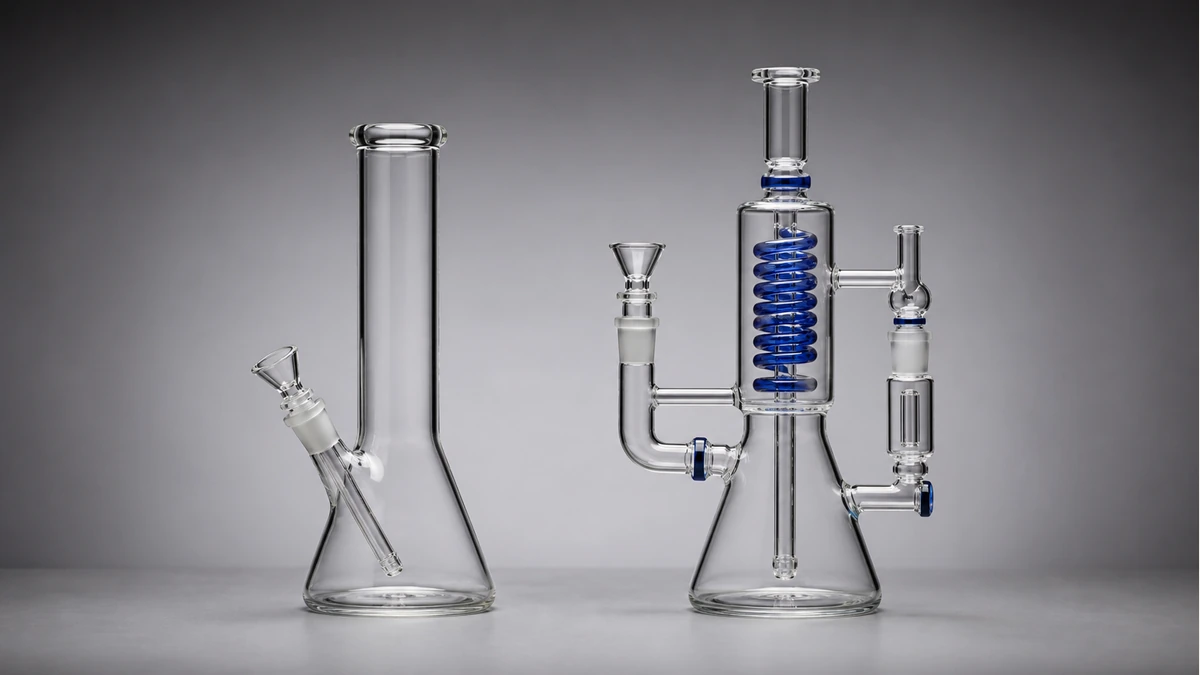
A glycerin coil bong works by routing smoke through a sealed glass chamber — usually a coil, sometimes a flat spiral or a jacketed ring — that’s been filled with a glycerin-based solution and frozen solid. Glycerin doesn’t freeze as hard or as fast as plain water, so it stays cold longer and forms a dense, slushy mass rather than a solid block of ice that could crack the glass around it. When smoke is pulled through the piece, it travels through or alongside that frozen chamber and picks up cold on contact with the glass walls.
The cooling effect depends almost entirely on how much surface area the smoke actually touches and how long it spends in contact with it. A tight coil with several wraps does more work than a single flat jacket, because the smoke has to travel a longer path and brushes against more frozen surface along the way. That’s the design logic in a sentence: more coil, more contact, more cooling. It’s also the source of every tradeoff covered further down, because more coil also means a narrower, longer, harder-to-reach passage for smoke, water, and eventually resin to travel through.
🧩 2. What a Coiled Chamber Does to Airflow
This is the part that catches people off guard if they’ve only used straight-tube glass before. A percolator or straight-necked bong gives smoke a fairly open path from bowl to mouthpiece. A coiled glycerin chamber forces that same volume of smoke through a much tighter, twisting channel, and that changes how the piece pulls.
🧩 2.1 Draw Resistance vs. Diffusion
Draw resistance is the physical effort it takes to pull air through the piece, and it’s a genuinely subjective preference. Some smokers like a firmer pull because it feels more deliberate and controlled; others find it works their lungs harder than they want, especially on a piece they’re using regularly rather than occasionally. A tightly wound coil will almost always pull harder than an equivalent straight tube of the same diameter, simply because the smoke has more glass to navigate and more turns to move through.
This is worth thinking about the same way geometry differences get framed in our dab rig vs. bong comparison — different chamber shapes aren’t better or worse in the abstract, they just produce a different physical experience, and that experience should match what a smoker actually wants from a session rather than what looks most impressive sitting on a shelf.
⚙️ 3. Condensation, Residue, and the Clog Question
Here’s the tradeoff nobody puts in the product photos. The same narrow, winding path that maximizes cooling is also the surface most likely to accumulate resin, ash flecks, and water splashback over repeated use. In a straight tube, residue mostly settles at the bottom of the piece or rinses through with the water on its way out. In a coil, it has far more surface area to cling to and more turns where it can sit undisturbed between sessions.
Condensation compounds the problem. As warm, moist smoke hits the frozen glass, water vapor collects on the inside walls of the coil, and that moisture mixes with tar and resin to form the sticky film that gradually narrows the passage. A coil that goes unrinsed for more than a handful of sessions will start pulling noticeably harder — not because the cooling changed, but because the effective internal diameter shrank. Rinsing after every two or three uses, rather than waiting for a visible clog, keeps buildup from compacting into something a brush can no longer reach.
Water level in the base matters more here than people expect. Overfill the base and splashback travels further up into the coil than it should, adding moisture the frozen glass just holds onto. Our guide to water levels for bongs covers how to judge the right fill line for a given percolator, and that same logic applies to a coil chamber, since it has less tolerance for excess splash than an open tube does.
🧰 4. Freezer Space and Practical Timing
The other detail that rarely makes it into marketing copy is logistics. A glycerin coil needs real freezer time to solidify properly, and depending on the volume of glycerin and the thickness of the coil, that can mean planning several hours ahead rather than grabbing the piece and going. Anyone sharing a freezer with roommates or family will find that a tall coiled section taking up a shelf for half a day is a genuine point of friction, not a hypothetical one.
Once it’s out of the freezer, the exterior starts sweating almost immediately, so a towel or a mat under the piece is worth having on hand rather than setting it directly on a wood table or a stack of papers. The coil also won’t stay effectively cold indefinitely. As the glycerin warms back toward room temperature, the cooling effect fades gradually rather than dropping off all at once, so a session that runs long will feel noticeably warmer by the end than it did at the start.
🔋 5. Handling, Joint Fit, and Breakage Risk
Frozen glass behaves differently from room-temperature glass, and that difference matters most at the joint. Many glycerin coil pieces are built as a removable section that slides into a ground-glass joint on the main tube. Forcing a frozen joint into a room-temperature socket, or the reverse, introduces thermal stress right at the point of the piece that’s already thinnest and most likely to chip.
A few habits reduce that risk considerably:
- Let the joint itself come close to room temperature before inserting or removing it, even if the coil section stays cold.
- Never twist a frozen joint forcefully if it feels tight — a light rocking motion is safer than torque.
- Support the coil section with your palm rather than gripping only the narrow neck, since the extra glass mass from the coil makes that section heavier and more prone to tipping.
- Set the piece down on a stable, flat surface between hits rather than balancing it, since the added weight up top shifts its center of gravity compared to a standard tube.
None of this makes a glycerin coil bong fragile in any dramatic sense, but it does mean the handling habits that worked fine on a simple straight tube deserve a second look before they carry over to a heavier, temperature-sensitive piece.
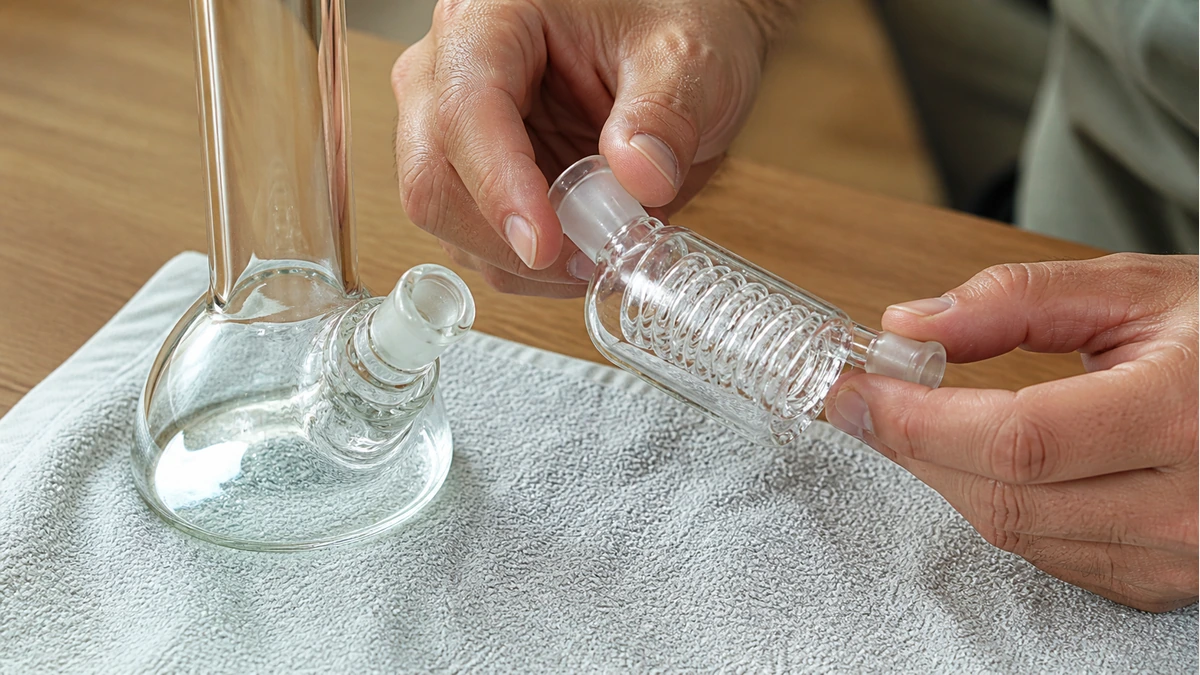
🧪 6. Cleaning a Removable Coil Without Cracking It
Cleaning is where the coil’s geometry becomes most obvious, because the same twisting path that cools smoke also resists a cleaning brush. A few practical steps keep the process from turning into a fight with the glass:
- Let the coil return fully to room temperature before cleaning. Hot or even lukewarm water hitting frozen glass is a reliable way to crack it.
- Rinse with warm water first to loosen loose residue before introducing any cleaning solution.
- Use isopropyl alcohol with coarse salt as an abrasive, but choose a salt grain fine enough to travel through the coil’s turns rather than settling in one bend.
- Cover both openings and agitate gently in a rocking motion rather than shaking hard, since the coil’s internal turns already do the scrubbing work as the salt moves through them.
- For stubborn spots the salt can’t reach, a thin, flexible pipe cleaner or a length of brush wire can be worked through the coil’s channel by hand.
- Rinse thoroughly with warm water afterward, and let the piece air dry completely before it goes back in the freezer, since trapped moisture will just refreeze inside the coil.
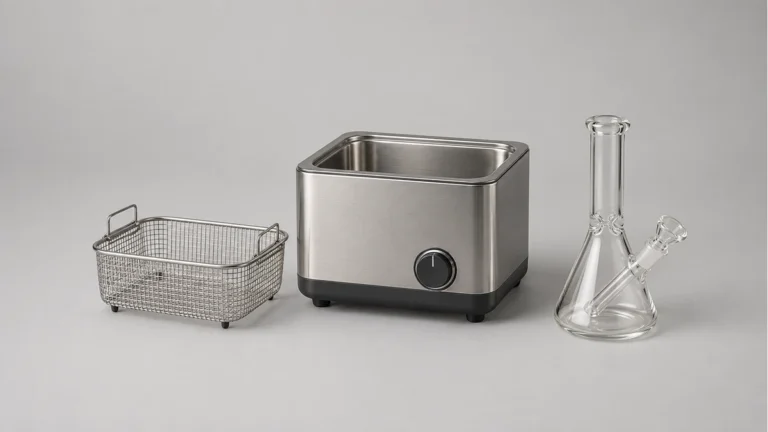
If the coil has gone past casual buildup into a genuinely stubborn clog, it’s worth stepping back and following a fuller process rather than improvising. Our bong cleaner guide walks through soak times and solution strength in more depth, and most of that advice applies directly to a coil section — the main adjustment is patience, since the narrow path takes longer to fully clear than an open tube would.
📐 7. Who Benefits from the Design and Who Should Skip It
A glycerin coil bong rewards a specific kind of user: someone who smokes regularly enough to justify the freezer routine, values a colder, denser hit over a fast one, and doesn’t mind the extra time a coil demands during cleaning. It’s a poor fit for someone who wants to grab a piece and use it immediately, travels often, or prefers minimal upkeep.
| Consideration | Straight-Tube Bong | Glycerin Coil Bong |
|---|---|---|
| Setup before use | Fill and go | Requires freezer time in advance |
| Draw resistance | Generally lighter | Firmer, due to coil path |
| Cleaning effort | Straightforward rinse or soak | Slower, needs thin tools for the coil |
| Portability | Easier to travel with | Freezer dependency limits spontaneity |
| Cooling sensation | Water-cooled only | Noticeably colder, longer-lasting chill |
Neither column is objectively superior. The coil is a genuine upgrade in cooling for someone who wants it and is willing to plan around it; for someone who just wants reliable, low-maintenance glass, a straight tube with a good percolator will usually serve them better.
🧼 8. Frequently Asked Questions
Can I put a glycerin coil in the freezer overnight without damaging it?
Overnight freezing is standard practice for these pieces and is generally how they’re designed to be used, provided the glass isn’t already chipped or under stress at the joint.
Why does my coil feel warm again halfway through a session?
Glycerin loses its chill gradually as it absorbs heat from the smoke passing through it. A longer session will always end warmer in feel than it started, since the frozen mass has less capacity left to pull heat out of each hit.
Is a clogged coil dangerous to keep using?
A clogged coil mainly affects airflow and taste rather than posing a safety issue on its own, but persistent buildup makes the piece harder to clean thoroughly the longer it’s left, so it’s worth addressing early rather than letting it compound.
Can I freeze the coil section separately from the rest of the bong?
Yes, and on most designs that’s the intended approach, since only the coil section needs to go in the freezer while the base and lower tube stay at room temperature.
A glycerin coil bong isn’t a strictly better version of a standard water pipe — it’s a different set of tradeoffs, trading some convenience and easy cleaning for a colder, more deliberate hit. If that trade sounds worth making on a regular basis, the coil earns its freezer space. If it sounds like one more thing to manage before you can actually use the piece, a well-built straight-tube bong will get you most of the experience with far less upkeep.