Two vapers, same coil family, same nominal wattage range, wildly different outcomes. One posts a photo of a coil that’s still pulling clean flavor after three weeks of daily use. Another swears the exact same style of coil turned to burnt cotton by the second day. Neither is lying, and neither coil was defective. This is the argument that plays out in vape forums on a loop: someone claims a coil is “the longest lasting” on the market, someone else replies that the same coil died on them almost immediately, and the thread collapses into anecdotes instead of answers.
The honest truth is that longest lasting vape coils don’t exist as a fixed category. A coil’s lifespan is not a property of the coil alone — it’s the result of a chain of decisions and habits that happen after you install it. Liquid composition, power setting, how well the coil is saturated before the first pull, airflow design, how you actually puff, and even how carefully you seated the coil in the tank all stack together to produce a number that varies from person to person, sometimes by a factor of ten. Understanding that chain is far more useful than chasing a coil that claims to outlast every other coil on paper.
🔥 1. Same Coil, Wildly Different Lifespans
The wide spread in reported coil life usually reflects different operating conditions, not proof that every short-lived coil was defective or every long-lived coil was exceptional. Power, liquid, priming and the pause between puffs all affect how reliably the wick can keep the heating surface supplied. That is why a useful comparison records the conditions rather than repeating a best-case number. For related context, see the related AOVAPE hardware guide.
💧 2. What Actually Determines How Long a Coil Lasts
If you strip away the brand loyalty and the forum arguments, coil life comes down to a handful of variables that interact with each other rather than acting independently. None of them is decisive on its own — a coil can survive high power if the liquid is clean and the wattage is dialed in correctly, or it can die early on modest power if the liquid gunks up the wick. The variables below are the ones that actually move the needle.
💧 2.1 E-Liquid Composition and Sweeteners
Liquids with a heavier VG ratio are more viscous and wick more slowly, which can starve a coil if the wattage outpaces the liquid’s ability to flow into the cotton or ceramic. Liquids with added sweeteners tend to caramelize on the heating element over repeated cycles, building up a residue that insulates the coil from the liquid and produces the burnt taste people mistake for a coil simply “wearing out.” A coil running sweetened liquid at high wattage is working against itself in two directions at once, and no amount of coil-family marketing changes that chemistry.
💧 2.2 Power and Heat Load
Every coil has a wattage range it was designed to operate within, and running consistently at the top of that range — or above it — accelerates degradation of both the heating element and the wicking material around it. Lower, steadier power lets the wick keep pace with liquid delivery. This is one of the most controllable variables a user has, and it’s also the one most often ignored in favor of chasing bigger clouds.
💧 2.3 Saturation and Priming Habits
A coil fired dry, even for a second, scorches the cotton or ceramic surface at that exact spot, and that damage does not heal. Proper priming — letting liquid sit in the coil for several minutes before the first pull, and giving a fresh coil a few soft, low-power draws before pushing it to normal wattage — protects the wicking material from that initial shock. Skipping this step is one of the fastest ways to turn a coil that should last weeks into one that tastes burnt on day one.
💧 2.4 Airflow and Wick Exposure
Airflow design affects how much of the coil surface is actually cooled between puffs and how liquid distributes across the wicking material. Restricted airflow concentrates heat, which can push a coil toward premature burning even at moderate wattage. This is part of why the same coil can behave differently across two tanks with different airflow geometry — the coil didn’t change, but the environment around it did.
💧 2.5 Puff Pattern and Chain Vaping
Long, rapid, back-to-back draws don’t give the wick time to reabsorb liquid between pulls. Over a chain-vaping session, the coil can run drier with each successive puff even though the tank still has liquid in it, because the wicking material simply can’t keep up with the pace. Shorter draws with pauses between them let capillary action catch up, which is a major reason two people with identical setups report very different results depending on how they actually smoke through a day. For related context, see the AOVAPE compatibility guide.
💧 2.6 Installation Quality
A coil that isn’t seated fully, or one that was handled with bare fingers that leave oil on the wicking material, starts its life already compromised. Cross-threading a coil into a tank base, over-tightening it, or knocking the coil against a hard surface during installation can crack ceramic wicking material in ways that aren’t visible until the coil starts tasting off a few days later.
⚙️ 3. Coil Families: What Changes and What Doesn’t
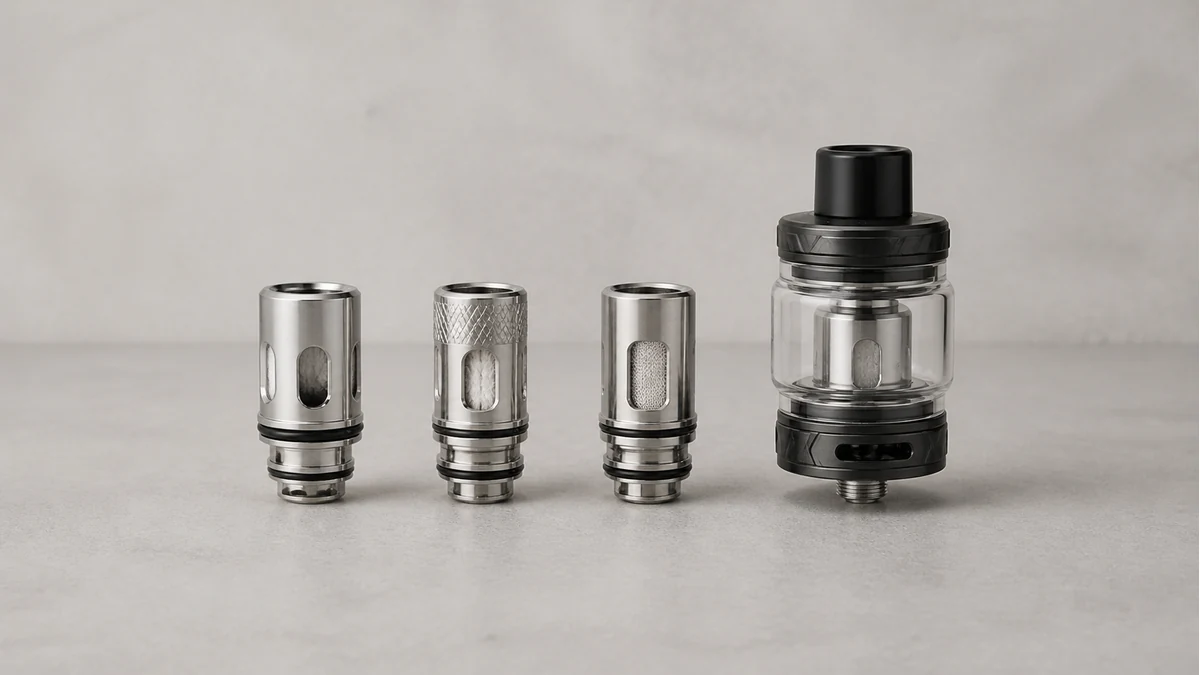
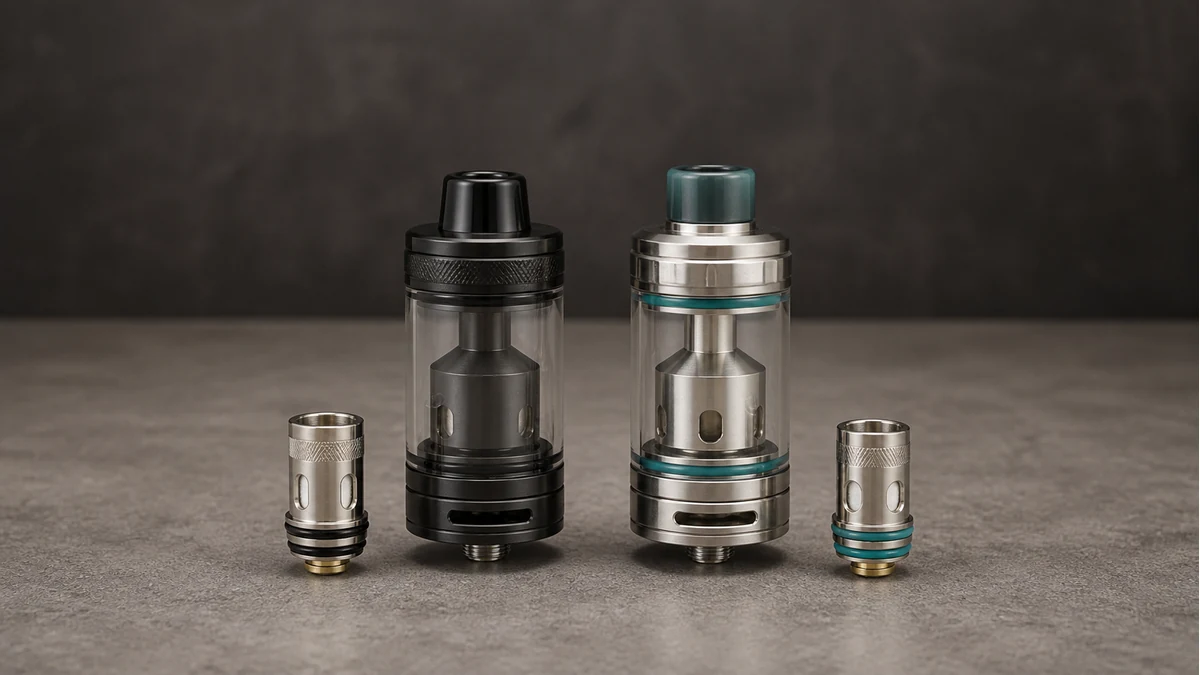
Coil material does influence behavior, but not in the simple “this material always lasts longer” way that marketing copy implies. Mesh coils spread heat across a wider surface area, which can produce more even flavor over the life of the coil but doesn’t inherently make them more durable than a well-built round-wire coil under the same conditions. The comparison between quartz coil vs ceramic construction follows a similar pattern — each material has different heat retention and wicking characteristics that suit different liquid types and power ranges, rather than one material simply outlasting the other across the board.
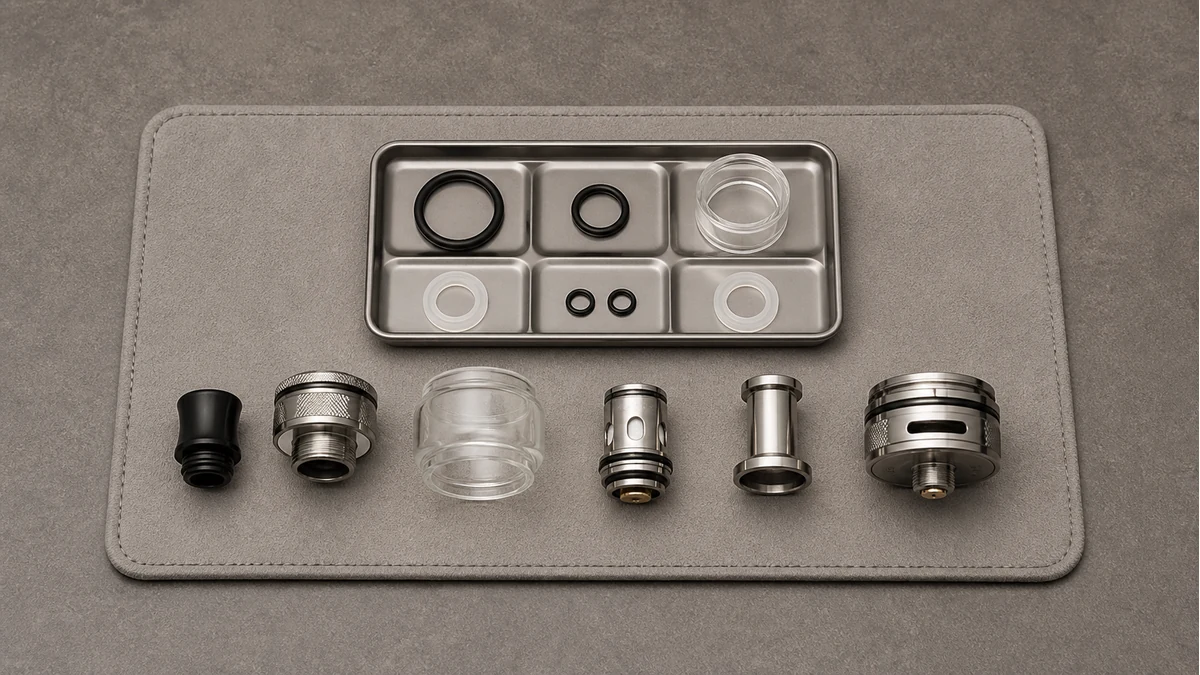
What matters more than the material label is whether the coil was actually built for the tank or device it’s going into. A coil rated for a certain resistance and airflow profile that gets forced into an incompatible chamber will behave unpredictably regardless of what it’s made from. This is where a lot of buyers run into trouble without realizing it — they replace a coil with something that looks similar but wasn’t designed for their specific hardware. Working from a vape coil compatibility guide before buying replacements is a more reliable way to protect coil life than shopping by material name alone, because it accounts for the chamber design and airflow the coil actually has to work within.
👃 4. Reading Flavor Change Instead of Counting Days
Because so many variables affect coil life, counting days is a weak way to judge when a coil needs replacing. Flavor is a better signal, and it degrades in a recognizable pattern most experienced users learn to catch early.
The first sign is usually a dulling — the liquid still tastes like itself, but quieter, as if the volume has been turned down. That’s often residue starting to build on the coil surface, and it’s the stage where a lot of coils can still be salvaged with a thorough clean or a period of rest to let the wick fully re-saturate. The second stage is a faint burnt edge that shows up specifically on the exhale, even though the inhale still tastes mostly normal. That’s the point where most people should start planning a replacement rather than waiting it out. The third stage is an unmistakable scorched or dry-hit taste that hits immediately, which means wicking material has actually burned and there’s no recovering that coil.
Catching the transition between the first and second stages is the real skill here. Waiting for the third stage means you’ve been vaping degraded flavor for longer than necessary, and it also means you’ve likely been running the coil hotter than the wick could support, which can happen with even a fresh coil if wattage creeps up over time without the user noticing. For related context, see the AOVAPE product and maintenance guide.
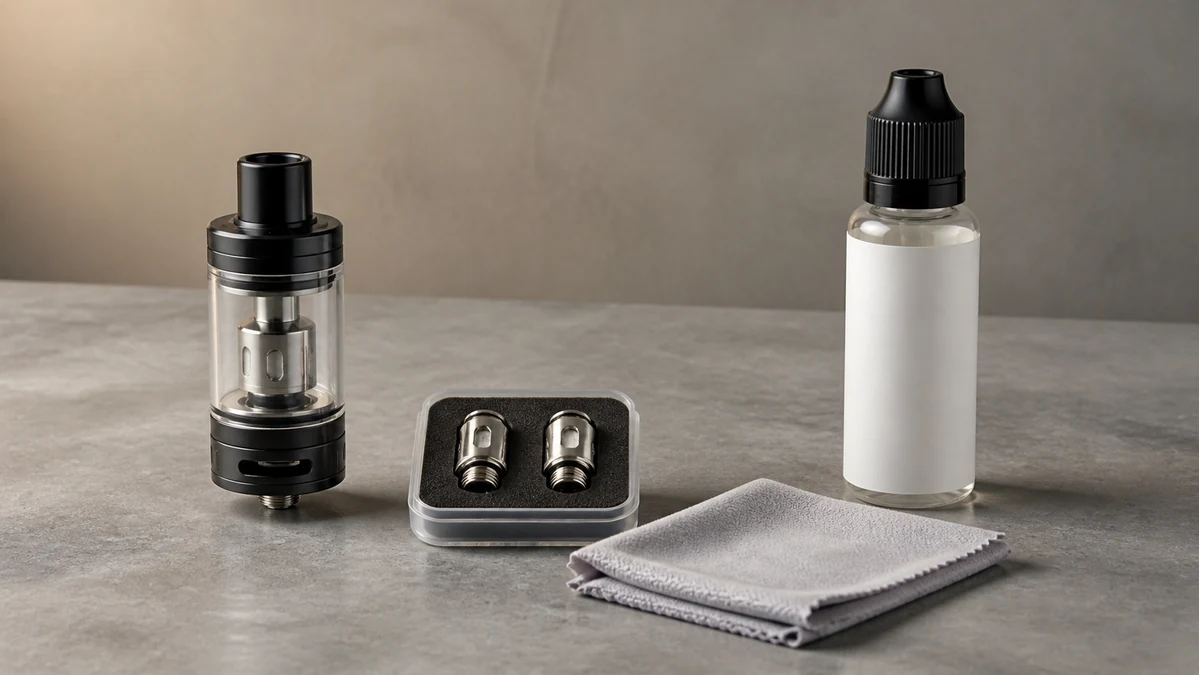
🧰 5. Habits That Quietly Shorten Coil Life
A few habits show up again and again in the accounts of people whose coils die faster than expected, and none of them require buying different hardware to fix.
- Letting the tank run low before refilling. Wicking material needs a consistent liquid supply; vaping on a nearly empty tank exposes dry spots to full heat.
- Nudging wattage upward over time. Small increases feel harmless in the moment but add up to sustained heat loads the coil wasn’t tuned for.
- Switching liquids without adjusting expectations. Moving from a thinner liquid to a heavier, sweeter one on the same coil at the same wattage often shortens life without the user connecting the two events.
- Storing spare coils loose in a bag or drawer. Dust and lint on an unused coil’s wicking surface can affect saturation once it’s installed.
- Ignoring the first dull flavor stage. Continuing to push a coil that’s already showing early signs of residue buildup accelerates the slide into a full burnt taste.
None of these are dramatic mistakes. They’re small, ordinary habits that compound quietly, which is exactly why two people using what looks like the same setup end up with such different results.
📊 6. Comparing Coil Platforms Without Trusting a Days Claim
Once it’s clear that lifespan is conditional rather than fixed, the useful question changes. Instead of asking “which coil lasts the longest,” a buyer comparing platforms should be asking how well a given coil’s design lines up with the way they actually vape. The table below outlines the factors worth weighing against your own habits rather than against a competitor’s marketing number.
| Factor to check | Why it matters more than a lifespan claim |
|---|---|
| Rated wattage range | Tells you whether your usual power setting sits comfortably inside the coil’s intended operating window |
| Wicking material and chamber fit | Determines how well the coil will handle your typical liquid viscosity and refill frequency |
| Airflow compatibility with your tank | Affects heat concentration and cooling between puffs, independent of the coil itself |
| Availability of the exact resistance for your device | Prevents forcing an ill-fitting substitute into the chamber, which shortens life regardless of coil quality |
| Your own puff pattern | Chain vaping and long draws stress any coil family; matching expectations to habits avoids disappointment |
This kind of comparison holds up regardless of which coil family you’re evaluating, because it’s built around your actual usage rather than a number printed on packaging. It also explains why the same coil can earn glowing reviews from one user and complaints from another — they were never really testing the same conditions.
If you’re troubleshooting a device that seems to reject every coil you try, it’s worth ruling out a basic connection issue before blaming the coil itself. A quick look at what does no atomizer mean can clarify whether the problem is actually a seating or contact issue rather than a defective coil, since that error is often mistaken for coil failure when the real cause is upstream of the coil entirely.
❓ 7. Frequently Asked Questions
Is there a coil family that reliably outlasts the others?
Not in a way that holds up across different liquids, wattages, and puff styles. Material and build quality set the ceiling, but the variables under a user’s control determine how close any given coil gets to that ceiling.
How often should coils be replaced under normal use?
There’s no single number that applies to every setup, since liquid, power, and habits all shift the timeline. Judging by flavor change — catching the shift from full flavor to a dulled or faintly burnt edge — is more reliable than following a fixed schedule.
Can cleaning a coil extend its life?
A light rinse and a rest period to let the wick re-saturate can help with early-stage residue buildup, but it won’t reverse actual burning of the wicking material once that’s happened.
Does higher price mean a coil will last longer?
Price reflects build materials and manufacturing, not a guarantee against the conditions described above. A premium coil run hot on a sweetened liquid will still degrade faster than a modest coil used within its intended range.
The useful question is not which coil wins a universal lifespan contest. It is which compatible coil matches the liquid, power range and pace of use well enough to wick consistently without being pushed beyond the device maker’s instructions.
📚 8. Sources and Reader Questions Reviewed
Technical statements were checked against the sources below. Reddit discussions were used only to identify reader questions and language, not as proof of technical, health, safety or legal claims.