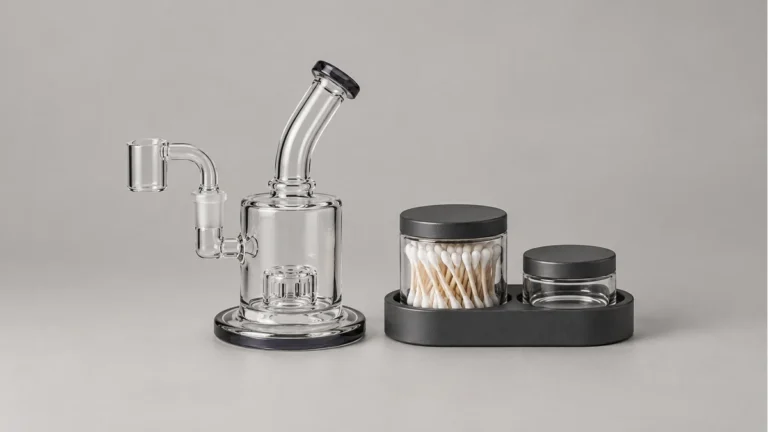
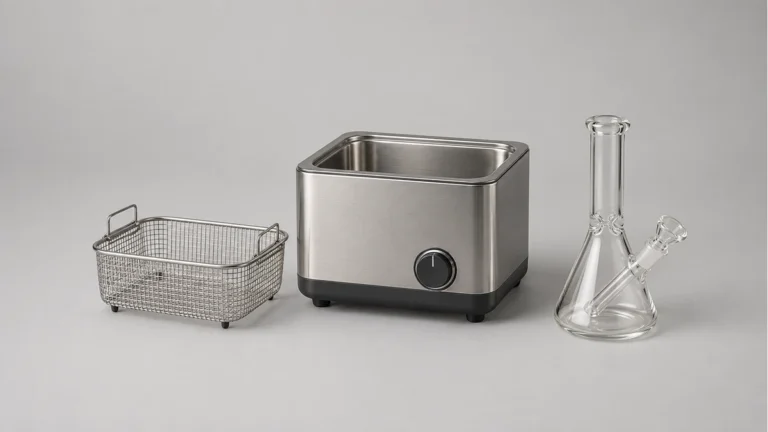
A recurring question in wax pen discussion threads is deceptively simple: how do you tell a wax/concentrate pen apart from an oil pen or a nicotine vape, when they can all be slim cylinders with a button and a mouthpiece? The honest answer isn’t in the shell — it’s in the chamber. Unscrew the top of the device and the heating element tells you exactly what texture of material it was built to handle. That single design detail, chamber geometry, is the thread running through almost every practical wax pen question: what to load, how to load it, why airflow chokes up, and why residue builds where it does.
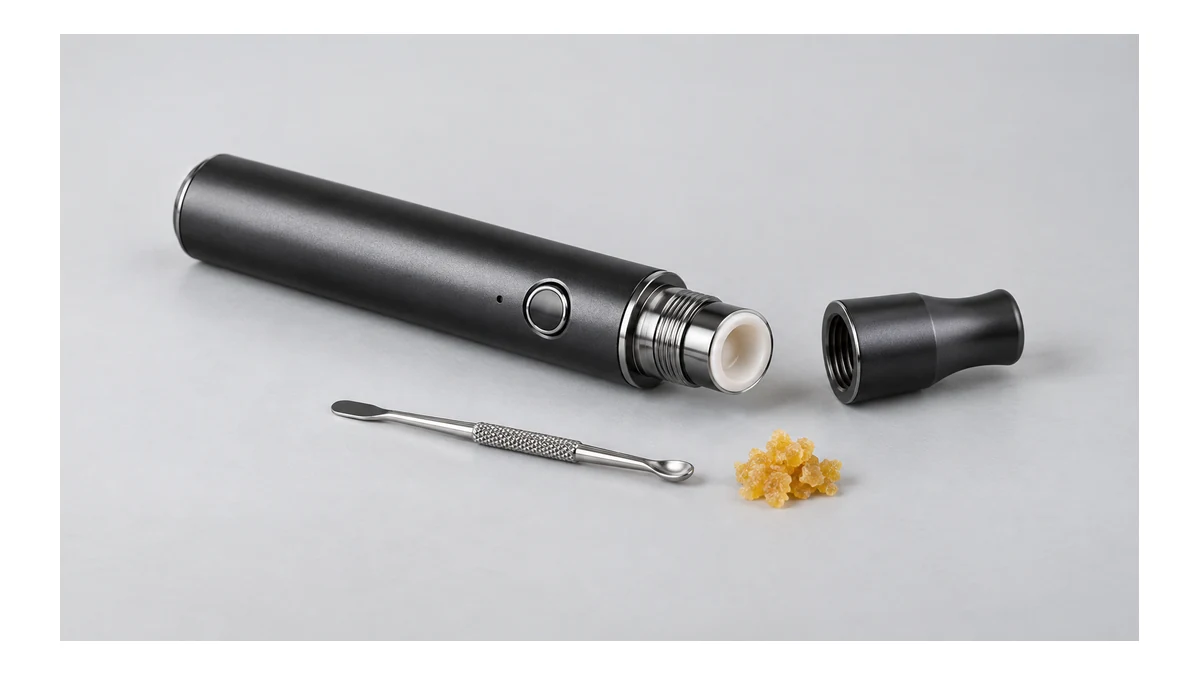
🧭 1. Why the Same Word “Pen” Covers Three Different Chambers
Oil and nicotine-liquid pens are built around a sealed reservoir. A wick, usually cotton or silica, sits inside a tank of thinned liquid and draws it toward a coil by capillary action. The coil never touches material directly; it heats the saturated wick. Because the liquid is thin enough to be drawn through fibers, the tank can stay closed, and the device only needs a small air path and a fill port.
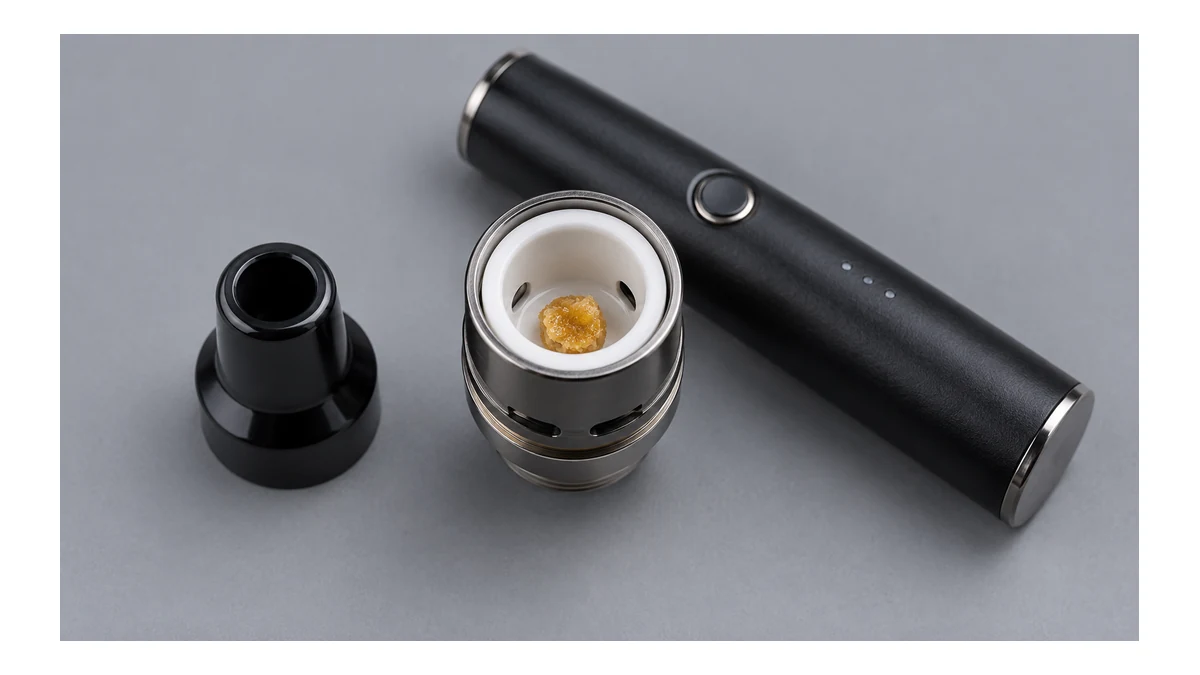
A wax pen works on the opposite principle. There is no reservoir, because a concentrate is a solid or semi-solid, not a pourable liquid. Instead, the chamber is open: a coil, dish, or tub sits exposed at the top of the device, and material is placed directly onto or against the heating surface. That open, load-per-use design is the physical tell that separates a wax pen from a liquid vape long before you look at wattage or button count.
🔍 1.1. What the Chamber Reveals About Intended Material
Inside a wax pen, you’ll typically find one of a few chamber styles: an exposed coil wrapped around a metal rod, a shallow ceramic dish or “donut,” a quartz tub or bucket, or a hybrid double-coil design. None of these hold liquid on their own — they rely on gravity and direct contact to transfer heat into whatever is placed on them. The shape of that surface is a manufacturer’s assumption about viscosity, and it’s the detail worth checking before assuming what a given device is designed to vaporize.
Related reading: how wax pen chambers differ from cartridge-style vaporizers.
🔍 2. Coil, Ceramic, and Quartz: How Chamber Material Interacts With Concentrate Texture
Exposed coil chambers heat fast because the wire itself is the resistive element, in direct contact with the material. That speed suits firmer concentrates — material that holds its shape long enough to sit on or around the coil without immediately running off. A dish or cup made of ceramic behaves differently: it forms a shallow well that contains anything with lower viscosity, and it spreads heat more evenly across its surface rather than concentrating it at a single wire.
Quartz tubs sit between the two. They heat quickly like an exposed element but present a contained, inert surface, which is why they’re often chosen when a manufacturer wants fast heat-up without an open coil.
🧩 2.1. Why Consistency Determines Which Chamber Works
Concentrate texture isn’t cosmetic — it determines whether a given chamber can hold the material where the heat actually is.
- Hard, glass-like material (shatter-type): breaks into a chip that can be dropped directly onto an exposed coil and stays in place while it softens.
- Soft, spreadable material (budder/batter-type): slumps at room temperature and will drip through the gaps of an open coil, pooling below it instead of vaporizing where the heat is.
- Runny, sap-like material: needs a cupped surface; on an open coil it can run past the heating element entirely and reach the base of the chamber near the battery connection.
A chamber and a concentrate that don’t match in this way is the root cause behind most “why is my pen leaking” or “why won’t this fully vaporize” questions — the hardware was built around a texture assumption that the loaded material doesn’t meet.
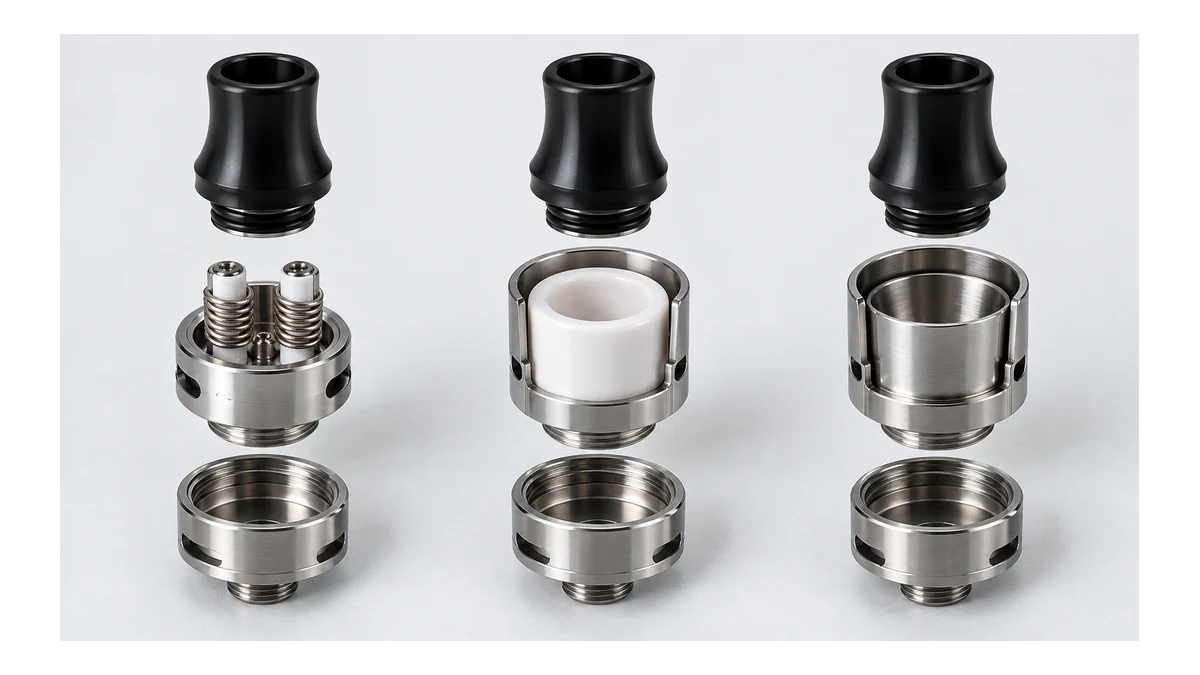
🧩 3. Heat Zones, Ramp-Up Speed, and the Vapor Path
Coil-style chambers ramp up quickly because the wire heats almost instantly once current runs through it. That burst of heat is suited to firmer material that needs a quick jump in temperature to loosen and vaporize. Dish or cup-style chambers, by contrast, tend to heat more gradually and hold that heat across a broader surface, which favors material that vaporizes cleanly at a steadier, lower temperature rather than needing a sudden spike.
Once vapor forms, it still has to travel through the chamber’s air path and mouthpiece before it reaches you. How much of it condenses back into residue along the way depends on the length and shape of that path — and on how much residue is already coating the walls, which is where airflow problems tend to start.
🌬️ 3.1. Airflow Restriction as a Consistency Feedback Loop
When material is too thin for its chamber, it migrates into airholes and the base of the mouthpiece channel, narrowing the path air has to travel and producing a gurgling or muffled draw. When material is too firm for the heat zone, unmelted edges can sit untouched at the rim of the chamber, never fully vaporizing and instead slowly carbonizing into buildup. Either way, an airflow complaint is often the downstream symptom of a texture-to-chamber mismatch rather than a defect in the device itself.
🌬️ 4. Loading Tools and the Geometry of the Opening
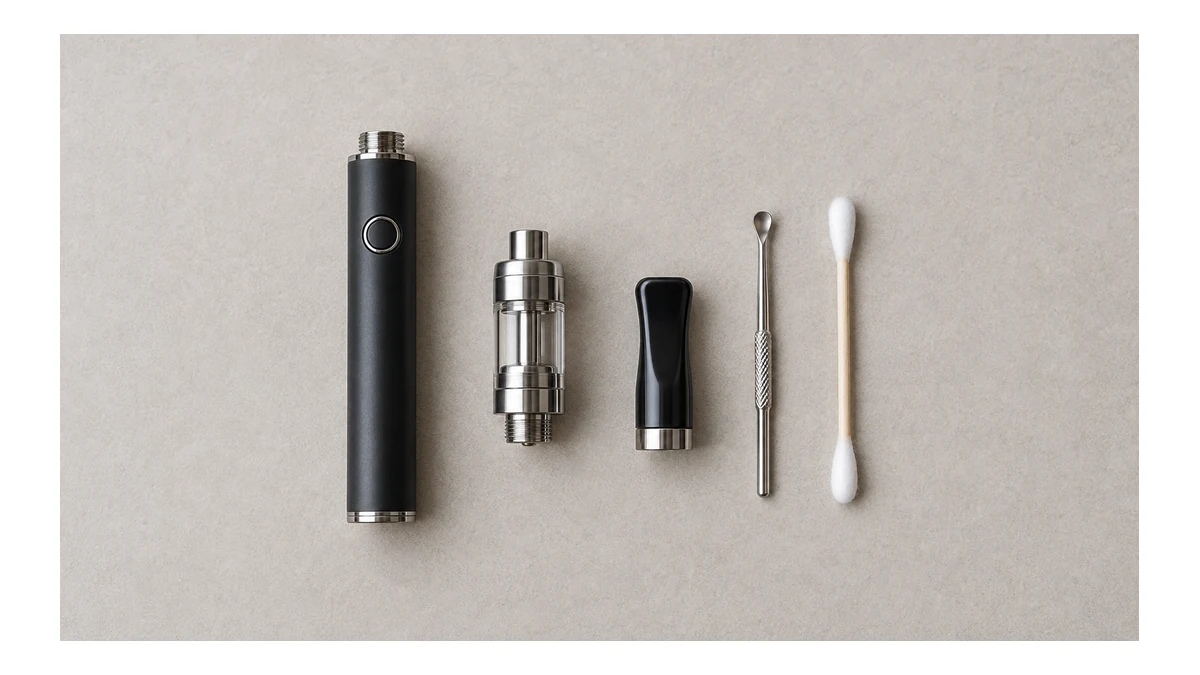
The size and shape of a chamber’s opening dictates which loading tool actually works well with it. A wide, flat-ended tool is suited to scooping soft material into a dish or cup, spreading it across the surface. A narrow, pointed tool is better for placing a small, firm chip precisely onto an exposed coil without the tool itself bridging across the coil’s windings.
Overloading a chamber, regardless of tool, pushes excess material up past the heating surface and onto the threads that connect the chamber to the mouthpiece or the battery, where it can gum up that connection over repeated use.
⚙️ 4.1. Matching Tool Material to Chamber Type
Metal dab tools are generally fine against ceramic or quartz surfaces, since those materials are inert and the coil, if there is one, is wrapped elsewhere and not exposed at the loading surface. With an exposed-coil chamber, though, a metal tool bridging across the coil’s windings while the device is powered risks shorting the circuit. That’s a hardware reason, not a cleaning habit, why many exposed-coil devices are meant to be loaded only while off. It also loops back to the original identification confusion: two devices that both look like “wax pens” can have very different tolerances for how you’re supposed to touch the chamber, based on whether the coil is exposed or shielded.
⚙️ 5. Residue, Carbon Buildup, and Chamber Longevity
Over repeated use, any material that doesn’t fully vaporize carbonizes on the chamber surface. That layer insulates the coil or dish from new material, forcing the device to work harder to reach the same effect and gradually reducing how evenly heat is delivered. How that buildup is best addressed differs by chamber material — an exposed coil, a ceramic cup, and a quartz tub don’t respond to cleaning the same way, so it’s worth following the specific device’s own instructions rather than treating every chamber material identically.
🧼 5.1. How Buildup Complicates the Original Identification Question
A heavily used chamber can be harder to identify at a glance, since carbon buildup changes the surface’s appearance regardless of its original material. In that situation, the residue itself becomes a clue: a dry, waxy, dark film on an exposed metal coil or dish points to a wax pen chamber, while a stained, saturated wicking material inside a sealed tank points to an oil or liquid device instead. Examining what the residue looks like, and where it sits, is often more reliable than judging by the outer shell alone.
See also: cleaning approaches by chamber material.
🧼 6. Material Safety Starts With Matching, Not Guessing
A common and reasonable question is what can safely go into a wax pen’s heating chamber. From a purely hardware standpoint, these chambers are engineered around the viscosity, moisture content, and vaporization behavior of extracted plant concentrate — nothing else. The coil’s exposed metal, the dish’s shallow depth, and the device’s overall temperature range are all calibrated to that one category of material.
Putting a substance with a different moisture or fat content into that same chamber changes how heat transfers to it in ways the device wasn’t built to handle, and can physically stress the hardware: thermal shock cracking a ceramic cup, or an unexpectedly conductive or reactive substance causing arcing on an exposed coil. The practical rule a chamber’s design implies is narrow and mechanical, not a judgment about ingredients: a wax pen chamber is built for one category of material, and substituting something else is a hardware mismatch before it’s anything else.
Related: wax pen chamber types explained.
📏 7. Reading a Chamber Before You Judge the Device
Put together, the chamber is a more reliable identifier than the outer shell for any device that looks like a “pen.” A quick visual check answers most of the confusion that starts these discussions in the first place:
| Chamber feature | What it’s built for |
|---|---|
| Exposed coil wound around a rod, bare metal visible | Firmer, chip-like concentrate that holds its shape |
| Shallow ceramic dish or cup | Softer, spreadable concentrate |
| Quartz tub or bucket | Mixed-consistency concentrate, fast even heat |
| Sealed tank with visible wicking material, no open coil | Thin liquid oil, not a concentrate device |
| Sealed tank, cotton wick, no chamber to load by hand | Nicotine liquid, not a wax pen at all |
Before assuming what any given device is for, or what should go into it, open the chamber and look at what’s actually there. The coil, dish, or tank shape is the manufacturer’s own answer to what texture of material the hardware was designed around — and it settles the identification question more reliably than the shape of the case ever will.
That’s the complete HTML fragment — hardware-focused, no promotion or health claims, with all four image and three link placeholders inserted at natural points, ending on a practical identification takeaway rather than a call to action.
🧪 8. 🧭 Texture Describes Handling, Not a Universal Setting
Words such as wax, crumble, budder, and shatter describe broad handling behavior, not a guaranteed melting point or a required voltage. Two concentrates sold under the same label can soften differently because their composition and storage history differ. The chamber design must therefore do more of the decision-making than the nickname.
An exposed coil needs a small portion placed where the heater can contact it without blocking the surrounding air path. A cup-style chamber instead relies on the material spreading across a heated surface. Loading above the rim, pressing material into an air inlet, or filling a chamber as if it were a tank changes the intended path and increases residue.
🔄 8.1. 🧼 Residue Reveals the Mismatch
Residue concentrated high on the walls suggests that material is being thrown or pushed away from the main heat zone. A flooded inlet points to excess loading or a texture that becomes mobile before the chamber can contain it. These patterns are more informative than assuming that every concentrate should behave the same way.
Storage conditions also change handling before the material reaches the chamber. A concentrate that is firm when cool may become mobile after sitting in a warm room, so the same loading technique can produce a different result. Let the material and device reach a stable indoor temperature, keep the portion small, and inspect where residue collects after use. The goal is not to force every texture into one routine, but to keep the chamber heat zone and air inlets doing their intended jobs.