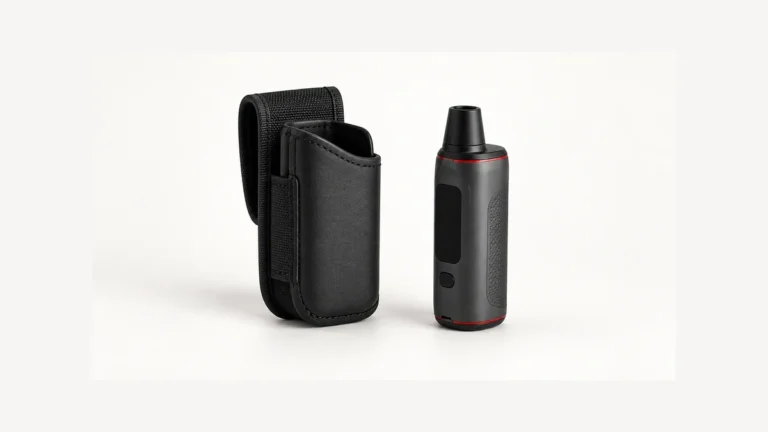
A recurring theme in cart-compatibility discussions is confusion over what “universal 510 thread” actually guarantees. Someone threads a 2-gram cartridge onto a battery that worked fine with a half-gram or one-gram cart, and it either won’t seat all the way, wobbles at the base, or makes contact only when pressed at an angle. The threading matches. The connection still misbehaves. That gap between “the threads fit” and “the hardware works” is where most 2-gram compatibility problems live, and it has nothing to do with vapor output, oil type, or potency. It’s a physical fit issue involving the cartridge’s size, shape, and weight against a battery built around different assumptions.
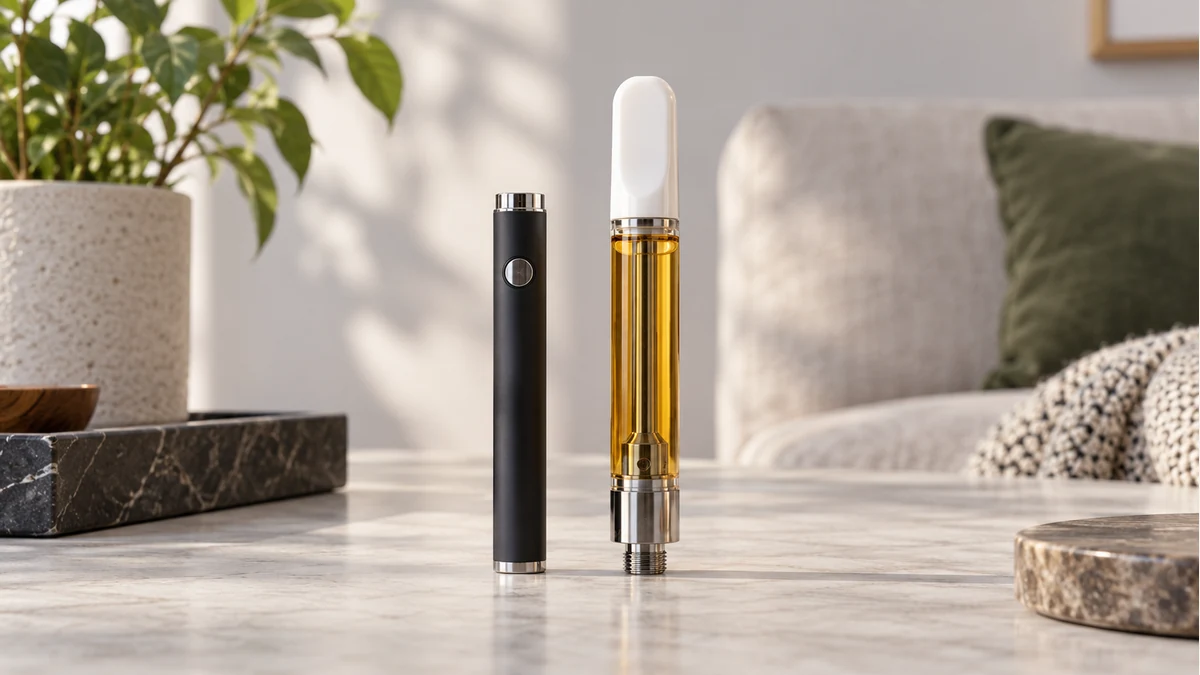
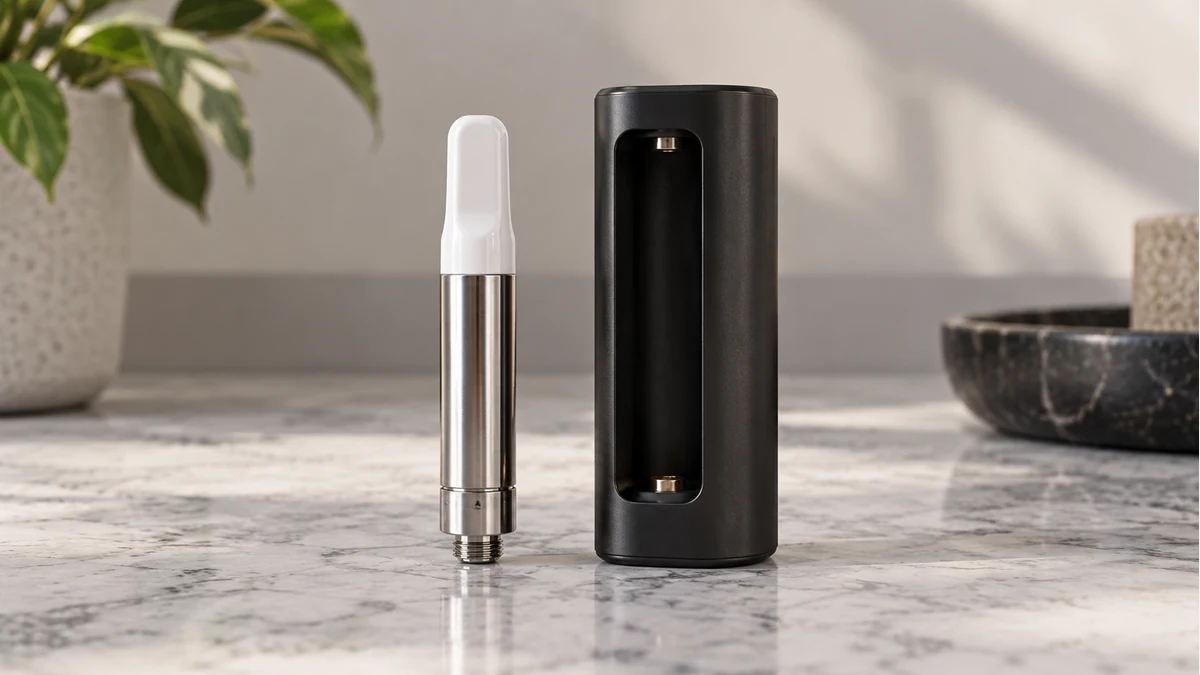
Before troubleshooting any of that, it helps to separate the vocabulary people use loosely. A cartridge has a base ring (the metal collar at the bottom that carries the threading), a body (the glass, ceramic, or metal reservoir that holds the oil), and a contact pad (the exposed terminal the battery’s pin touches). A battery has a threading collar, a connector pin that extends and retracts on a small spring, and in some designs a recessed bay — a cavity the cart body sits inside rather than hanging below the battery. Most “it doesn’t fit” reports trace back to a mismatch between one of these cart features and its corresponding battery feature.
🧭 1. Diameter: The First Physical Mismatch
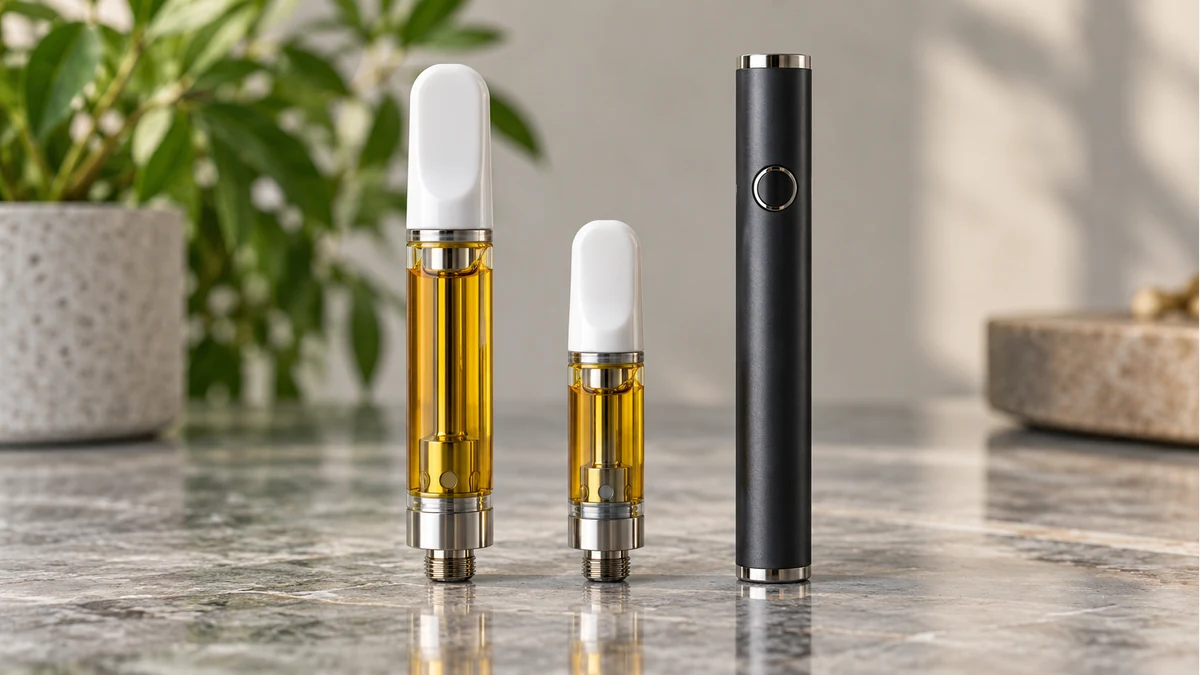
A 2-gram cartridge needs more internal volume than a half-gram or one-gram cart, and that extra volume usually comes from a wider body rather than a longer one, since battery compatibility already limits how much length is practical. A wider body means a wider base ring in many designs, even when the threading itself follows the same pitch and diameter standard.
The threading can be fully compatible while the base ring still presses against the lip of a battery’s collar before the threads ever engage. When that happens, the cart stops short, feels like it’s fighting the threads, or seats at a visible angle instead of flush. This is a clearance problem at the collar’s opening, not a defect in either part.
Checking outer diameter at the base ring against the inside diameter of the battery’s collar opening — by eye or with simple calipers — identifies this mismatch faster than repeated test-fitting.
📐 2. Height and the Recessed Battery Bay
Bay-style batteries, where the cartridge drops into a cavity rather than screwing onto an exposed pin, are built around an expected cart length. A 2-gram cart is often taller than the half-gram or one-gram carts a given bay was designed around, which changes how it sits once dropped in.
🔍 2.1. Bay Depth Versus Cart Body Length
If the cart body is taller than the bay is deep, the base ring never reaches the threading at the bottom of the cavity. The cart appears to sit in place, but the connector pin and the contact pad are still separated by a gap the eye doesn’t register until the hit comes through weak or absent.
🧩 2.2. Base Clearance and Bottom-Out Contact
The opposite problem happens when the cart is short enough to reach bottom before the threads are fully engaged. The cart “bottoms out” against the floor of the bay, which can feel like a secure fit by touch while actually leaving the threading only partially engaged and the contact pad misaligned with the pin.
⚙️ 3. Center of Gravity and Thread Stress
A 2-gram cart carries more mass than a smaller cart, and that mass sits farther from the threaded joint than it would on a shorter cart. The 510 thread was never engineered as a structural load-bearing joint — it’s a fine-pitch electrical and mechanical connector meant to hold a light, short attachment steady.
A heavier cart shifts the center of gravity outward, which turns ordinary handling — pocketing the device, setting it down, drawing on it at an angle — into leverage against the threads. That leverage doesn’t strip threads instantly, but it creates micro-movement at the contact point, which shows up as intermittent connection or a cart that reads as “loose” even though it was threaded correctly.
This is the same physical principle behind why longer wrenches apply more torque for the same hand force: distance from the pivot point amplifies force at that point.
🔩 4. Connector Reach and Spring-Pin Travel
The 510 connector pin is spring-loaded so it can extend to meet contact pads across a small range of depths and retract slightly as the threads tighten. That range is finite — it’s built to accommodate normal manufacturing tolerance, not a structurally different cartridge geometry.
A 2-gram cart’s internal reservoir and wick structure can push its contact pad slightly deeper or shallower than a battery’s pin was tuned for. If the pad sits beyond the pin’s extension range, the connection is incomplete even with the threads fully tightened. If the pad sits closer than expected, the pin can bottom out against its own housing before the threads finish, which has the same practical effect: a connection that looks complete but isn’t making full contact.
This is the mechanical root of a complaint that comes up often in cart-fit discussions — a cart that threads on smoothly but still produces weak or inconsistent draws. The hardware explanation for that symptom is reach, not resistance or oil flow, which is also why it shows up independently of what the cartridge is filled with. Similar reach mismatches are a common thread in discussions comparing
For related context, see the 2-gram cartridge guide.
across different cart heights.
🌬️ 5. Airflow Clearance Around a Larger Cart
Separately from electrical contact, some batteries route intake air through small slots or vents positioned around the threading collar. Those vents are placed based on an assumed cart body width and shape, since the air has to travel around the outside of the cart before reaching the mouthpiece.
A wider 2-gram cart body can sit close enough to the collar to partially cover those vents, narrowing the airflow path without affecting the electrical connection or the threading at all. The result is a change in draw resistance or airflow sound that has nothing to do with the coil, the oil, or the power setting — it’s a clearance issue between the cart’s outer diameter and the battery’s air intake geometry.
🔋 6. Load on the 510 Threading Over Time
Thread wear is cumulative. A single use of an oversized cart on an undersized battery rarely causes visible damage, but repeated cycles of mounting, carrying, and using a heavier cart on threading not designed for that mass add up. The added leverage described above translates into incremental wear at the thread crests, which eventually loosens the fit for every cartridge used afterward, not just the 2-gram one that caused it.
This is why a battery that “used to hold carts snugly” can start feeling loose across the board after a period of regular 2-gram use — the threading itself has worn, independent of any single cartridge’s condition.
🔌 7. Troubleshooting Table: Symptom to Physical Cause
| Symptom | Likely Physical Cause | What to Check |
|---|---|---|
| Cart feels loose or wobbly at the base | Base ring diameter wider than collar opening | Compare outer diameter of base ring to inside diameter of collar |
| Cart won’t thread all the way down | Cart body taller than recessed bay depth | Measure exposed cart length against bay depth before forcing threads |
| Weak or intermittent draw despite full thread | Contact pad outside connector pin’s travel range | Inspect pad depth relative to pin extension; look for pin bottoming out |
| Draw feels noticeably airier or more restricted than usual | Cart body partially covering intake vents | Check vent slot position against cart body width |
| Thread feels stripped or loose across multiple carts | Cumulative thread wear from sustained load | Inspect thread crests for visible wear; avoid lateral pressure when carrying |
Working through this table before assuming a defective cart or battery saves a lot of guesswork, and it mirrors the kind of fit-first troubleshooting discussed in
For related context, see the cartridge holder guide.
for mismatched threading generally.
🧼 8. Reading Hardware Before You Rely On It
None of the mismatches above show up by reading a spec sheet that only lists “510 thread compatible.” They show up by physically comparing a cartridge against a battery before relying on the connection, which is a habit worth building for anyone switching between cart sizes regularly.
- Check the base ring diameter against the collar opening by sight or with calipers, not by feel alone.
- If the battery uses a recessed bay, measure the cart’s exposed length against the bay’s depth before threading.
- Thread the cart fully, then gently test for side-to-side play at the base — stability there predicts long-term connection quality better than a single successful hit does.
- Note where any airflow vents sit on the battery collar and confirm the cart body doesn’t sit directly over them.
- If a battery has handled several heavier carts already, inspect the threading crests for wear before blaming a new cartridge for a loose fit.
A little visual inspection of these five points, repeated each time a cartridge size changes, catches the great majority of 2-gram fit problems before they’re ever mistaken for a bad battery or a bad cart. More on how threading tolerances get specified in the first place is covered in
For related context, see the side-by-side battery guide.
.
🧪 9. Documentation Beats Visual Similarity
Product photographs can establish the broad hardware category, but they cannot confirm dimensions, electrical limits, or internal construction. A reliable comparison uses the model manual, a dimensional drawing, and the maker’s stated compatibility list. The 510 label describes a common connection pattern; it does not guarantee identical depth, airflow, contact travel, or load requirements.
📏 9.1. Record the Physical Interface
Before changing parts, note the connector condition, exposed cartridge diameter, installed height, control state, and charging-port type. These observations separate a fit problem from a power or maintenance problem. They also make support conversations specific instead of relying on a generic product name.
🛠️ 9.2. Keep Claims Within What the Hardware Shows
A material name, indicator light, or familiar silhouette is only one clue. It should not be expanded into an unsupported claim about performance, purity, battery health, or service life. When documentation is missing, state the uncertainty and compare only observable construction.
📋 10. A Practical Inspection Sequence
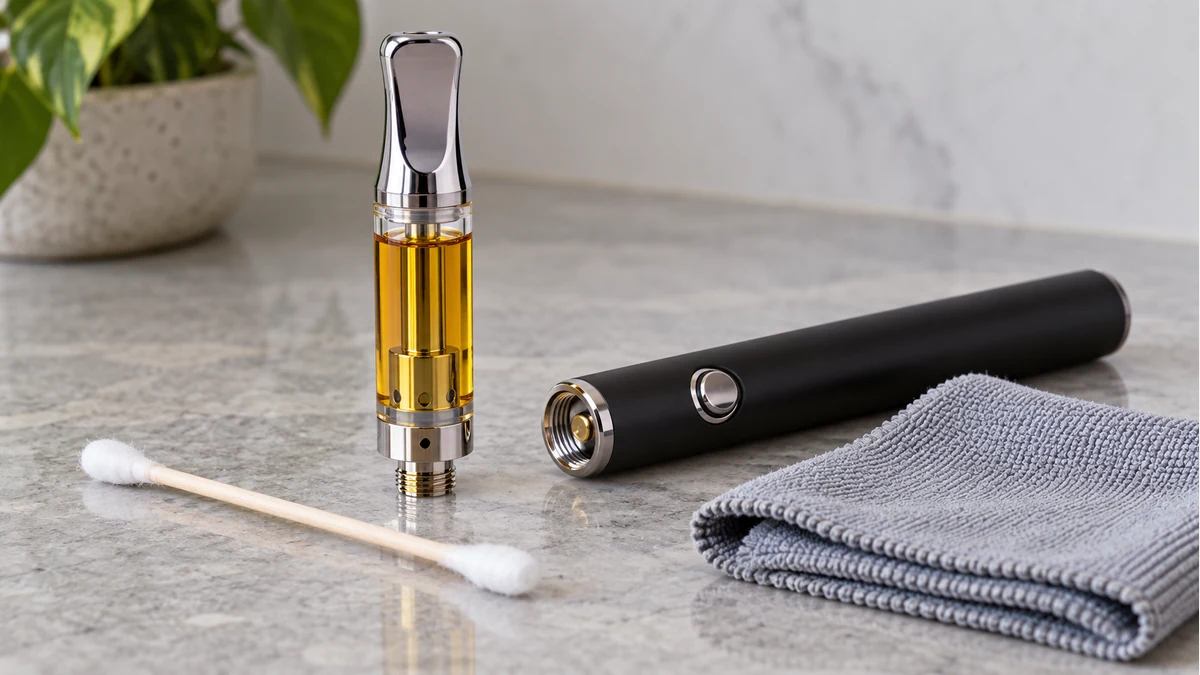
Start with the device powered off and disconnected from charging. Inspect the threads and center contact for debris, check that the cartridge or atomizer seats without force, and confirm that air openings remain unobstructed. Reassemble finger-tight rather than using the battery body as a lever.
Next, use the documented controls and indicator meanings for that exact model. If the observed light or screen behavior conflicts with the manual, stop and verify the cartridge and cable separately instead of repeatedly activating the device. A repeatable sequence preserves the evidence needed to identify which interface is actually involved.
✅ 11. Large-Cartridge Fit Has Three Measurements
“Two gram” describes nominal reservoir capacity, not a standardized outside envelope. Measure the widest body diameter, the height above the threaded base, and the mouthpiece width. Recessed and side-by-side batteries may accept the thread but reject the body or leave too little exposed surface for removal.
Weight and leverage matter too. A taller cartridge places more bending force on the connector when the assembled device falls sideways. A protected bay can reduce exposure, while a slim pen battery leaves the entire reservoir above the joint. Neither layout is automatically compatible; the manufacturer’s maximum diameter and height remain the deciding specifications.
💡 11.1. Capacity Does Not Set Voltage
A larger reservoir does not, by itself, require a higher voltage. Electrical behavior depends on the heater resistance and construction documented for the cartridge. Use only settings supported by both components and avoid inferring power from tank size or oil color.